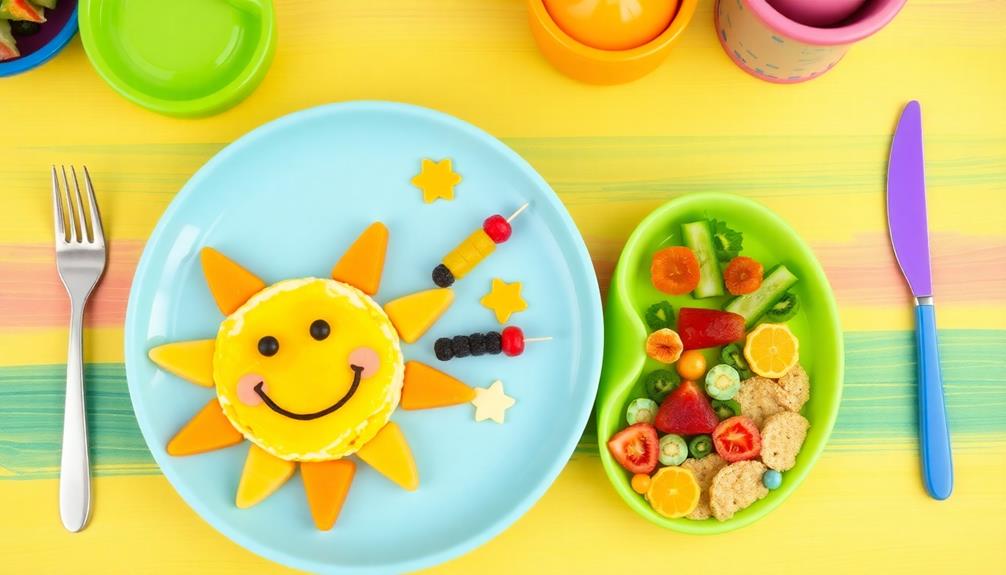
Food presentation is essential in shaping your child's eating habits and preferences. When meals are visually appealing, kids are more likely to try new foods, especially vegetables. Younger children often prefer their food separated, while older ones enjoy mixed dishes. Using colorful combinations and fun shapes can enhance their interest. It's also helpful to involve your child in meal preparation to foster a positive relationship with food. By creating an inviting mealtime environment, you'll encourage exploration of diverse flavors and healthier options. There's so much more to discover about how to make meals enjoyable for your little ones!
Key Takeaways
- Visual appeal significantly influences children's food choices, with 70% preferring well-presented meals that enhance their willingness to try new foods.
- Younger children favor separated food arrangements, while older kids prefer mixed dishes, reflecting their developmental stage and social skills.
- Attractive food presentation encourages adventurous eating, with positive reinforcement and repeated exposure aiding acceptance of unfamiliar foods.
- Gender influences food presentation preferences, with younger girls liking separated styles and both genders shifting towards mixed presentations as they age.
- Engaging meal presentation, such as colorful arrangements and interactive experiences, boosts children's interest in healthy options and minimizes food waste.

Genuine Fred DINNER WINNER, The Original Kid's Game Plate Tray – Award Winning – Picky Eater Solutions for Kids and Toddlers – Fun Mealtime – Divided Sections – Interactive Design – Dishwasher Safe
EAT, PLAY, WIN: In order to woo your picky eater you need a great game plan. DINNER WINNER…
As an affiliate, we earn on qualifying purchases.
As an affiliate, we earn on qualifying purchases.
Impact of Visual Appeal

The impact of visual appeal on children's food choices is significant. When you present meals in an attractive way, kids are much more likely to try new foods, especially vegetables. For instance, a colorful Grilled Peach and Burrata Salad can entice children with its vibrant colors and contrasting textures.
Research shows that well-arranged dishes can enhance their appetite and overall interest in meals. In a study involving 100 school-aged children, a striking 70% preferred well-presented food, highlighting the strong connection between food presentations and meal preference.
Younger kids often enjoy seeing their food separated, while older children lean towards mixed components. This indicates that how you present food can influence their acceptance of different serving styles.
Eye-tracking studies even reveal that children pay more attention to visually appealing meals than to non-edible objects.
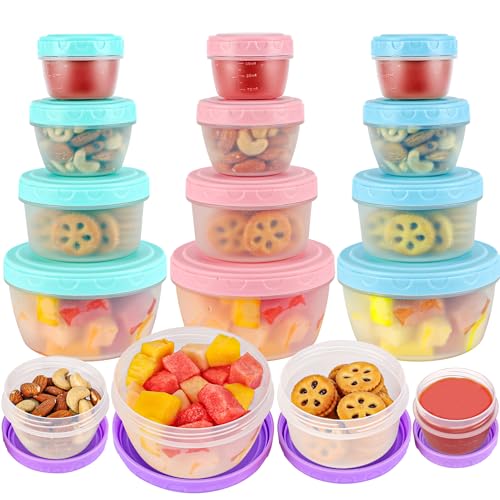
16PCS Food Storage Containers with Lids, Meal Prep Reusable Kids Lunch Containers, Dishwasher Safe & BPA Free Plastic Snack Salad Dressing Containers to go With Leak-Proof Screw-On Top for Lunch
Food Grade Marterial: The deli containers with lids are made of lightweight, sturdy, and durable, high-quality food-grade PP…
As an affiliate, we earn on qualifying purchases.
As an affiliate, we earn on qualifying purchases.
Age-Related Preferences

As you watch children enjoy their meals, you'll notice that younger kids often prefer their food separated to avoid any mixing, while older kids are more open to trying combined dishes.
For instance, dishes like Mushroom Masala can be appealing to older children who are more adventurous eaters.
Gender can also play a role in these preferences, with girls typically leaning towards distinct serving styles.
Understanding these age-related preferences can help you create appealing meals that cater to their developmental stages.
Younger Children's Preferences
Food presentation plays an essential role in shaping younger children's preferences, influencing their willingness to explore new tastes. When you serve meals, remember that younger kids often prefer separated serving styles. This helps them avoid perceived contamination and feel more comfortable trying new items. For instance, dishes like Red-Braised Pork Belly can be presented in a way that highlights their rich colors and textures, making them more enticing for children.
Consider these points to boost their food preferences:
- Kids are more likely to try vegetables when arranged attractively, needing around 8-9 attempts for acceptance.
- About 70% of children aged 7-8 favor dishes that look appealing, underscoring the importance of visual presentation.
- Younger girls, in particular, lean towards meals with separated components, while boys show no distinct preference for serving style.
It's also crucial to think about the variety on their plates. Younger children are drawn to meals with around seven different items and six colors for an engaging experience.
Older Children's Preferences
Many older children, typically aged 12 to 14, begin to favor mixed or in-between serving styles, marking a clear shift from the separated servings that younger kids prefer. This change is evident in their meal choices, like spaghetti and stir-fry, where the combination of flavors and textures becomes more appealing. Research shows that older children's preferences vary considerably, reflecting their growing willingness to experiment with new food combinations.
Attractive food arrangements, such as stacking or layering, catch the eyes of older children and can lead to increased selection and consumption of meals. As they age, their acceptance of mixed presentations ties closely to their developing social and cognitive skills, influencing their overall meal preferences.
You might notice that older children are more likely to appreciate the aesthetic aspects of food, seeking out meals that not only taste good but look appealing too.
Encouraging this shift in preferences can enhance their eating experience, making mealtimes more enjoyable and varied. By presenting meals in a visually appealing way, you can help older children expand their horizons and embrace new flavors they mightn't have considered before.
Gender Influence on Preferences
Research shows that gender considerably influences children's food presentation preferences, particularly as they age. Younger girls often prefer their food to be presented in separated serving styles, while younger boys don't show a specific preference at all. This contrasts sharply with older children, who, between the ages of 12 and 14, typically favor mixed serving styles.
As you observe these changes, you'll notice significant differences in how food is presented across various meal types.
For example:
- Younger girls might enjoy spaghetti served in neat portions, while boys may not mind a mix.
- In contrast, older kids often appreciate the vibrant presentation of stir-fry, where flavors and textures blend together.
The evolution in preferences highlights the importance of understanding how gender and age shape children's willingness to try new foods.
These insights reveal that as your child grows, the way food is presented can dramatically impact their meal experience.
Adapting to these preferences can encourage them to explore a wider range of foods, making mealtime not just nutritious but also enjoyable.

Vegetable Cutter Shapes Set (8 Pack) – 1.5" Stainless Steel Mini Cookie & Fruit Cutters for Kids, Bento Lunch, Sandwich, Fondant, Cheese, Baking & Food Prep
Premium Quality & Safe to Use – Food-Grade Stainless Steel with Protective Covers – Each cutter is made…
As an affiliate, we earn on qualifying purchases.
As an affiliate, we earn on qualifying purchases.
Gender Differences in Choices

When it comes to meal preferences among children, gender differences really stand out. Research shows that younger girls often prefer their food served separately, while younger boys don't show a strong preference for how their meals are arranged.
As kids grow older, you'll notice a shift in preferences, with both genders leaning towards mixed serving styles. This change highlights how age and gender influence what children find appealing in their meals.
Interestingly, the preferences for specific dishes, like spaghetti or stir-fry, can vary greatly between younger and older children. It's crucial to take into account these differences when planning meals, as presenting food in a way that aligns with these preferences can encourage healthier eating habits.
A staggering 70% of school-aged children opt for visually appealing meals over plain ones, indicating that how food looks matters deeply.

Educational Preschool Placemats for Kids Set of 6 Reusable Plastic Toddler Placemat Wipeable Washable Children Montessori Eat Table Mat for Nursery Homeschool Kindergarten Classroom Dining Table
【Educational for Kids Placemats】You will receive 6 pieces educational preschool learning placemats in 6 different designs, including alphabet,…
As an affiliate, we earn on qualifying purchases.
As an affiliate, we earn on qualifying purchases.
The Role of Food Arrangement

When it comes to getting kids excited about their meals, the way you arrange the food plays an essential role.
Younger children often prefer their food separated, while older kids might enjoy a mix of flavors and textures.
Visual Appeal Importance
Food arrangement plays an essential role in enticing children to try new dishes, especially when it comes to vegetables. Research shows that visually appealing food presentations notably boost children's willingness to sample and consume these often-rejected items. When meals look attractive, kids are more likely to be interested and excited about what's on their plate.
Consider these effective strategies for enhancing visual appeal:
- Colorful Combinations: Use a variety of bright colors in your vegetable selection to make the dish pop.
- Creative Shapes: Cut vegetables into fun shapes or use cookie cutters to spark curiosity.
- Stacking or Layering: Arrange food by stacking or layering, making it visually engaging and appetizing.
A study found that 70% of school-aged children preferred well-presented dishes over plain ones, emphasizing the importance of aesthetics in meal selection.
Additionally, since children often need 8-9 exposures to new vegetables for acceptance, an appealing presentation can encourage repeated trials.
Age-Based Preferences
Children's preferences for food arrangement change markedly as they grow, impacting how they engage with their meals. Younger children, especially girls, often lean towards separated food styles. They're concerned about contamination, which makes mixed meals less appealing.
As they age, these preferences shift. Older children start to embrace mixed serving styles, showing a clear evolution in their age-based preferences for food arrangements.
You'll also notice that visual appeal plays an essential role in these preferences. About 70% of children favor well-presented dishes over plain ones, indicating that how food looks greatly influences their choices.
Certain meals, like spaghetti and stir-fry, highlight these differences; younger kids prefer their foods separated, while older ones enjoy them mixed.
Furthermore, attractive food arrangements can encourage children to try healthier options. It often takes multiple attempts for kids to accept vegetables, but a visually appealing presentation can enhance their willingness to taste them.
Understanding these age-based preferences can help you create meals that not only look good but also promote healthier eating habits in your children.
Psychological Factors at Play

Attractive food presentation plays an essential role in shaping children's eating habits and preferences. The visual appeal of a meal can greatly influence children's appetite, leading them to consume healthier options. Research shows that around 70% of children prefer well-presented dishes, which highlights the psychological factors at play.
Consider these key points:
- Younger children often prefer separated foods to avoid "contamination" fears, while older kids enjoy mixed components.
- Positive reinforcement at mealtime, like praising kids for trying new foods, can encourage adventurous eating and reduce any negative associations.
- Repeated exposure to unfamiliar foods—up to 10 times—helps kids develop acceptance over time, showcasing the importance of patience in shaping preferences.
These psychological factors affect how children view and accept food. By presenting meals attractively and considering their developmental stages, you can foster a more positive relationship with food.
This approach not only enhances their interest in meals but also encourages healthier eating habits that can last a lifetime. Emphasizing the visual appeal and engaging them in the eating experience can make all the difference in their dietary choices.
Strategies for Engaging Presentation
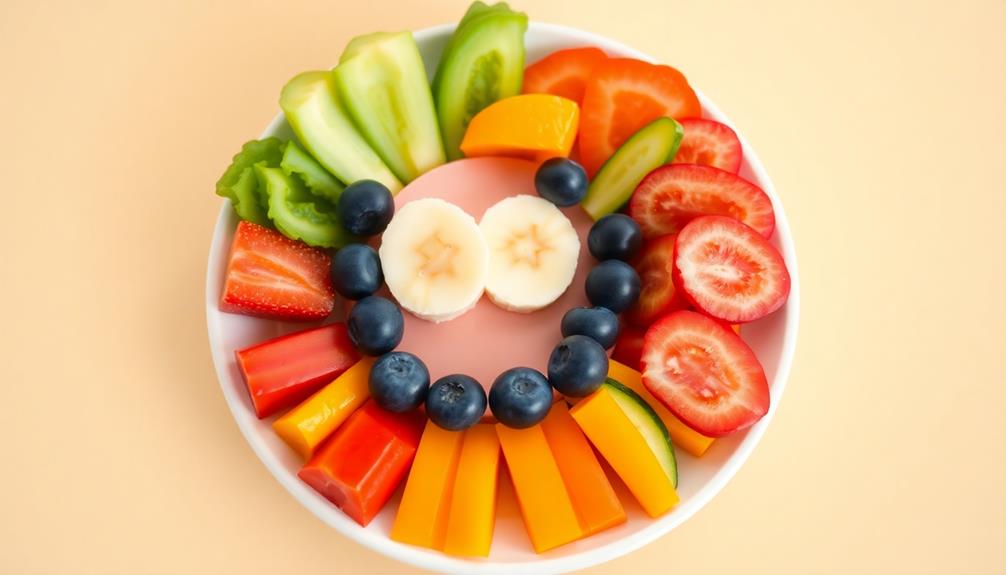
To make mealtime exciting for kids, try using colorful plate arrangements and fun food shapes.
You can even create an interactive eating experience that encourages them to explore different foods.
These strategies not only catch their attention but also make them more willing to try new things.
Colorful Plate Arrangements
Creating a visually appealing plate can transform mealtime into an exciting adventure for kids. Colorful plate arrangements are key to capturing their attention and encouraging them to try new foods. Research shows that kids are more likely to enjoy meals that showcase at least six different colors, making variety essential for engagement.
When you include seven different food items, you'll really pique their interest!
To make your meals more enticing, consider these strategies:
- Use vibrant fruits and vegetables: Incorporate red peppers, yellow corn, green broccoli, and purple grapes to create a rainbow effect.
- Layer and stack foods: Presenting food in creative layers can make even simple meals look gourmet.
- Create patterns or shapes: Arrange food in fun designs, like a smiley face or a flower, to boost visual appeal.
A survey found that 70% of school-aged children prefer visually appealing meals over plain ones.
Fun Food Shapes
Incorporating fun food shapes can elevate your child's mealtime experience even further. When you serve fruits and vegetables in playful forms like animals or stars, you'll likely see a spike in their interest and consumption. Research shows that kids are 70% more inclined to try new foods when they're creatively arranged, making fun food shapes a simple yet effective strategy.
Using cookie cutters is an easy way to create engaging shapes, helping you encourage a variety of foods. Additionally, vibrant colors can enhance the appeal of these shapes, as children prefer plates with multiple colors. When their meals feature six different hues, their enthusiasm for eating increases.
This engaging presentation not only makes mealtime fun but also helps tackle picky eating habits. Children are more willing to explore new flavors when the visual aspect excites them. By transforming ordinary meals into visually stimulating experiences, you'll foster positive associations with food that can last a lifetime.
Interactive Eating Experience
Interactive eating experiences can transform mealtime from a mundane task into an exciting adventure for children. By focusing on engaging food presentation, you can considerably boost their willingness to try new foods.
Research shows that visually appealing meals, like those with at least six different colors, capture children's attention and encourage exploration of diverse flavors.
To create an interactive eating experience, consider these strategies:
- Involve them in preparation: Let your kids help with meal prep. This ownership encourages them to engage positively with the food they've created.
- Stack or layer foods: Presenting meals in a fun, layered way not only looks inviting but also piques curiosity, making them more likely to try unfamiliar items.
- Pair new foods with favorites: Combine new foods with familiar favorites. This strategy leverages their comfort and makes trying new tastes less intimidating.
Encouraging Healthy Eating Habits

A vibrant and appealing food presentation can make a world of difference in encouraging healthy eating habits among children. Research shows that when meals look attractive, kids are more likely to be interested in what's on their plates, especially vegetables. In fact, 70% of school-aged children prefer visually appealing meals over plain ones, and arrangements like stacking or layering can boost their food selection.
Younger kids tend to like their food separated, while older ones often enjoy mixed components. Tailoring your food presentation to your child's age can spark their interest and appetite.
Gradual exposure to new foods is essential, too; pairing unfamiliar items with familiar favorites, presented in an eye-catching way, can increase their willingness to try something new. Sometimes, it takes up to 10 exposures for a child to truly accept a new food.
Parental Influence on Preferences

Parental influence plays a pivotal role in shaping children's food preferences and choices. Your actions and attitudes toward food directly affect how your kids perceive and accept different meals.
Studies show that when you model healthy eating behaviors, your children are more likely to follow suit. Here are some key ways your influence matters:
- Emotional expressions: Positive reinforcement during mealtime can encourage your child to try new, healthy foods.
- Food purchasing habits: The foods you buy at the grocery store directly correlate with what your kids want to eat. If you fill your cart with nutritious options, they'll be more inclined to enjoy those foods.
- Involvement in meal prep: When you involve your children in planning and preparing meals, it helps them engage with a variety of foods, fostering a positive relationship with what they eat.
Future Research Directions

Recognizing the importance of food presentation, future research directions should focus on uncovering its long-term effects on children's eating habits and preferences. Investigating how visually appealing meals can lead to sustainable dietary changes over time is essential.
You might also consider exploring cultural differences in food presentation preferences, as this could reveal varied dietary practices and enhance meal programs for diverse populations.
Another promising area for future research directions is the link between food presentation and food waste reduction. Understanding how visual appeal influences consumption can help minimize waste, which is especially important in today's society.
Additionally, examining the impact of food presentation in school settings could provide insights into how attractive meals improve children's acceptance of healthier options.
Furthermore, research could explore parental involvement in food presentation. Investigating how parents' choices affect children's dietary choices and willingness to try new foods could lead to effective strategies for promoting healthier eating habits.
Practical Tips for Parents
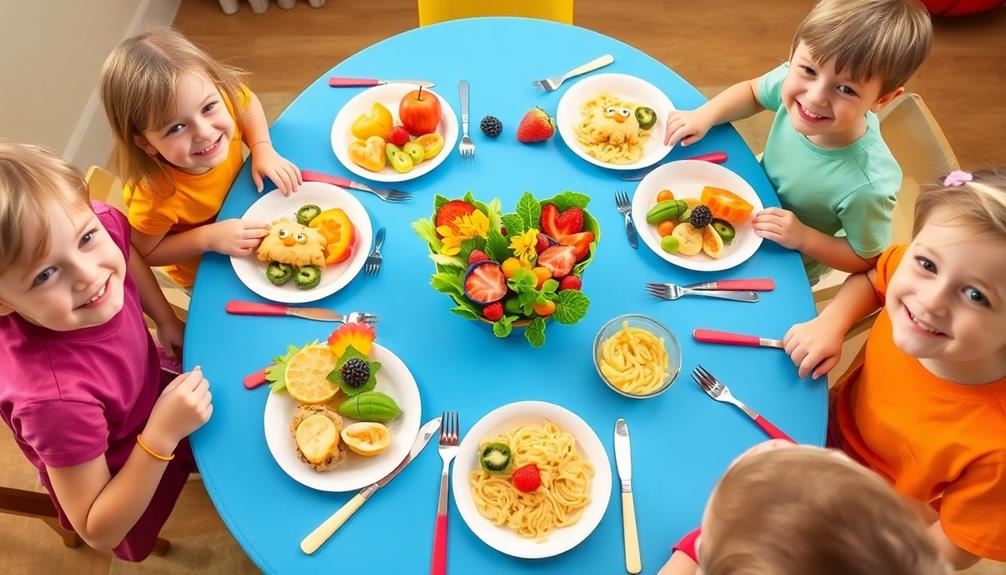
Transform mealtimes into a fun and engaging experience for your children by focusing on food presentation. When you make meals visually appealing, you can greatly enhance their food intake. Here are some practical tips to get you started:
- Colorful Plates: Aim for at least six different colors and seven distinct items on the plate. This variety not only attracts attention but also encourages kids to explore their food.
- Separated Serving Styles: Serve foods separately, especially for younger children. This reduces their fear of contamination and makes them more willing to try new vegetables.
- Involve Your Kids: Get your children involved in meal planning and preparation. When they participate, they feel a sense of ownership and pride, making them more likely to try new foods.
Additionally, introduce new foods gradually by pairing them with familiar favorites.
Creating a positive mealtime environment is essential, too. Keep the atmosphere calm and encouraging, as this promotes better eating habits and strengthens family bonds.
Frequently Asked Questions
What Is the Psychology Behind Sharing Food?
When you share food, you create bonds and foster connections. It encourages open-mindedness towards trying new flavors, as you and others engage positively, reinforcing healthy habits and shaping preferences through enjoyable communal experiences.
What Is the Science Behind Food Presentation?
The science behind food presentation reveals that attractive arrangements can enhance appetite and encourage trying new foods. You'll find that vibrant colors and creative layouts greatly impact your meal experience and enjoyment.
What Are the 5 Importance of Food Presentation?
Food presentation's important because it enhances visual appeal, boosts appetite, encourages healthy eating, promotes creativity, and improves dining experiences. When you present meals attractively, you'll likely see increased enjoyment and willingness to try new foods.
What Is the Psychology Behind Food Preferences?
Food preferences stem from various factors, including visual appeal, texture, and smell. You're more likely to enjoy meals that look appetizing, as attractive presentations can trigger positive emotions and increase your willingness to try new foods.
Conclusion
To sum up, understanding the psychology behind food presentation can greatly influence your child's eating habits. By appealing to their visual senses, you can encourage healthier choices and create excitement around mealtime. Remember, age and gender play roles in preferences, so tailor your approach accordingly. With a little creativity in food arrangement and a keen awareness of psychological factors, you can foster lasting healthy eating habits. Embrace these strategies to make meals both fun and nutritious for your kids!