When deciding whether to prioritize air sealing or insulation first, it’s best to seal gaps, cracks, and leaks before installing insulation. This approach prevents drafts and ensures the insulation performs effectively by reducing air movement. Proper sequencing improves energy efficiency, comfort, and moisture control. If you want to learn more about the correct order and how to maximize home upgrades, keep exploring the key steps for a healthier, more efficient home.
Key Takeaways
- Air sealing should be done before insulation to prevent trapped leaks that reduce insulation effectiveness.
- Sealing gaps first improves overall energy efficiency and indoor comfort.
- Proper sequencing ensures insulation functions optimally without being compromised by air leaks.
- Insulation alone cannot stop drafts; sealing must be prioritized first.
- The recommended order is to seal air leaks before installing or upgrading insulation.
Understanding the Role of Air Sealing and Insulation in Home Comfort

To keep your home comfortable year-round, it is essential to understand how air sealing and insulation work together. Proper air sealing enhances your building envelope by preventing unwanted air leaks, which can compromise indoor air quality and energy efficiency. When gaps and cracks are sealed, your home maintains a consistent temperature and reduces drafts. Insulation then acts as a thermal barrier, slowing heat transfer through walls, ceilings, and floors. Together, they create a well-balanced system that keeps your indoor environment comfortable and healthy. A tight building envelope minimizes pollutants, dust, and allergens from entering, improving indoor air quality. Recognizing how air sealing and insulation complement each other helps you make smarter decisions to optimize your home’s comfort and energy savings. Additionally, understanding building envelope components can further improve your home’s overall performance.
The Benefits of Prioritizing Air Sealing Before Installing Insulation
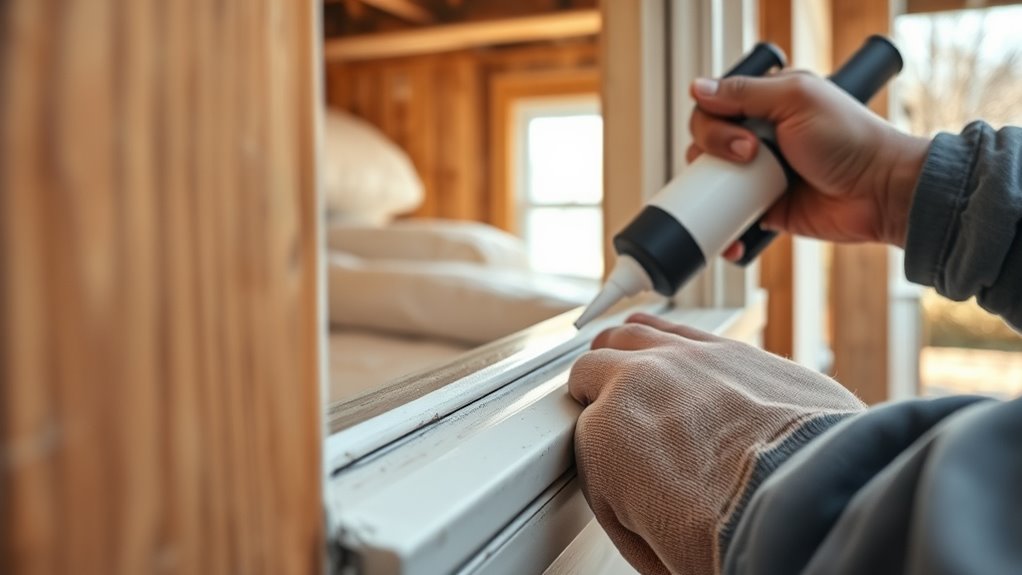
Prioritizing air sealing before installing insulation can substantially improve your home’s energy efficiency and comfort. When you seal gaps and cracks first, you prevent unwanted air leaks, which enhances the air sealing benefits and guarantees your insulation works effectively. Without proper air sealing, insulation alone can’t prevent drafts or heat loss, making it less effective. The insulation importance lies in its ability to reduce heat transfer, but it’s only as good as the air barrier behind it. By sealing air leaks beforehand, you create a more airtight environment, reducing energy waste and lowering utility bills. This sequencing maximizes both air sealing benefits and insulation’s performance, resulting in a more comfortable, energy-efficient home.
Common Mistakes When Sequencing Air Sealing and Insulation Projects
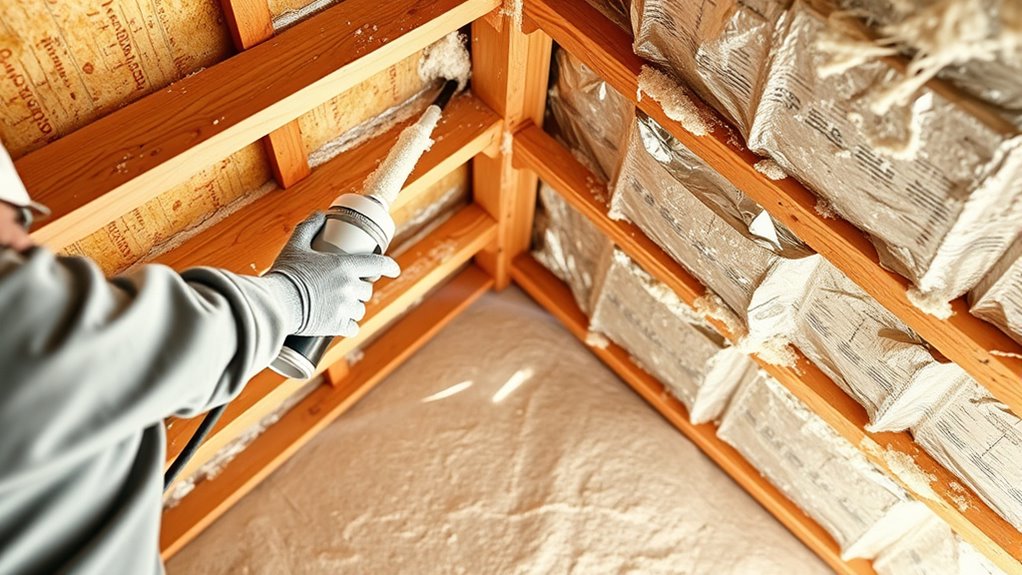
One common mistake in sequencing air sealing and insulation projects is neglecting to thoroughly plan the order of work. Timing errors often occur when you skip this step, leading to wasted effort or compromised results. For instance, applying insulation before sealing gaps can trap air leaks, reducing efficiency. Overlooked gaps are another issue, as they allow drafts to persist and diminish the effectiveness of both sealing and insulation. Failing to prioritize air sealing first can result in needing to redo insulation work later. To avoid these mistakes, you must carefully sequence your project, ensuring all leaks are sealed before adding insulation. Additionally, understanding the air flow dynamics within your home can help identify the most critical areas for sealing and insulation, maximizing effectiveness. Proper planning prevents overlooked gaps, maximizes energy savings, and helps you achieve a more comfortable, well-sealed home.
Step-by-Step Approach to Effective Home Energy Upgrades

Achieving effective home energy upgrades requires a clear, step-by-step plan that addresses all key areas systematically. Start by evaluating your home’s current condition, focusing on attic ventilation and moisture barriers. Proper attic ventilation prevents moisture buildup, reducing mold risk and maintaining insulation efficiency. Next, seal air leaks around windows, doors, and ducts. After sealing, install or upgrade insulation, ensuring moisture barriers are correctly placed to prevent dampness. Consider the overall airflow to avoid trapped moisture. Use the table below to prioritize tasks based on your home’s needs:
| Step | Focus Area |
|---|---|
| Seal air leaks | Air sealing |
| Improve attic ventilation | Moisture control |
| Install insulation with moisture barriers | Insulation effectiveness and moisture prevention |
Additionally, conducting a home energy audit can help identify specific areas for improvement and ensure your upgrades are targeted effectively.
How to Identify When Both Air Sealing and Insulation Are Needed
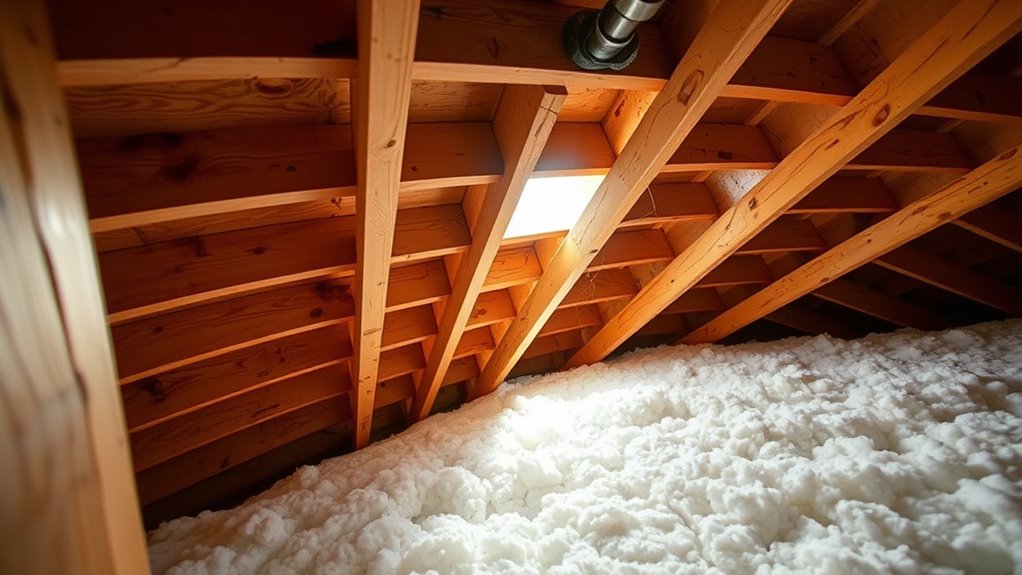
After sealing air leaks and improving attic ventilation, you might still notice issues like uneven temperatures, drafts, or higher energy bills. A thorough draft assessment helps identify persistent leaks or areas where insulation alone won’t solve temperature inconsistencies. If you observe moisture buildup, mold, or condensation, it indicates that moisture control is lacking, and both air sealing and insulation are necessary. These issues often point to gaps or leaks that allow outside air in or indoor air to escape, making insulation less effective. When drafts remain despite sealing, and moisture problems persist, you should consider a combined approach. Addressing both air sealing and insulation ensures better temperature regulation, reduces drafts, and improves moisture control, creating a healthier, more energy-efficient home. Regular maintenance, such as filter replacement, is also essential to keep your insulation and air sealing effective over time.
Frequently Asked Questions
How Do Climate Zones Influence the Order of Air Sealing and Insulation?
Climate zones substantially influence whether you should air seal or insulate first. In colder zones, you prioritize air sealing to prevent drafts before adding insulation, ensuring warmth retention. Conversely, in hotter or humid regions, insulation might come first to control temperature, with air sealing following to block moisture and air leaks. Understanding zone-specific strategies helps optimize your home’s energy efficiency and comfort, tailoring your approach to your local climate considerations.
Can Improper Sequencing Reduce the Lifespan of Insulation Materials?
Improper sequencing can definitely reduce the lifespan of your insulation materials. If you install insulation before sealing air leaks, moisture and air infiltration may cause material degradation over time. Correct installation timing is essential; sealing air leaks first protects insulation from damage caused by moisture and drafts. By following proper order, you help maintain insulation integrity, ensuring it performs well and lasts longer.
Are There Specific Tools Recommended for Effective Air Sealing?
Think of your toolbox as a painter’s palette—each tool adding precision and color. For effective air sealing, you’ll need caulking techniques and sealing materials like foam or weatherstripping. A caulking gun is essential for controlled application, while a foam sealant gun helps reach tight spots. Use these tools to create a seamless barrier, improving energy efficiency and comfort in your home.
What Are Signs That Air Leaks Are More Urgent Than Insulation?
If you notice drafts, uneven temperatures, or increased energy bills, air leaks are more urgent than insulation. These leaks can compromise your indoor air quality and moisture control, leading to mold or damage. Seal leaks around windows, doors, and vents promptly to improve comfort and health. Addressing air leaks first guarantees your insulation functions effectively, creating a healthier, more energy-efficient home.
How Does Ventilation Impact the Sequencing of Sealing and Insulation?
Did you know that poor ventilation can cause indoor air quality issues in up to 50% of homes? Ventilation impacts your sealing and insulation sequence because a well-ventilated home requires careful planning. You should seal leaks first to prevent unwanted drafts, then insulate for energy efficiency, and finally install or upgrade ventilation systems. This order guarantees that indoor air quality stays high without compromising energy savings or comfort.
Conclusion
Ultimately, deciding whether to air seal or insulate first depends on your home’s specific needs. By prioritizing air sealing, you improve comfort and efficiency, making insulation more effective. Are you ready to take the right steps toward a more energy-efficient home? Remember, addressing the air leaks first creates a solid foundation for lasting improvements. With a thoughtful approach, you can enjoy a warmer, more comfortable space while saving money in the long run.