Greywater is wastewater from household activities like laundry, sinks, and showers, excluding toilet water. It contains fewer pathogens and organic matter than blackwater, making it safer for reuse in your landscape. By properly collecting, treating, and following safety guidelines, you can use greywater to irrigate plants, save water, and create a sustainable garden. Continuing to explore this topic will show you how to design, maintain, and legally implement effective greywater systems for your yard.
Key Takeaways
- Greywater is wastewater from laundry, sinks, and showers, excluding toilet water, suitable for landscaping with proper treatment.
- Use filtration and disinfection to ensure greywater is safe for plants and prevent soil or plant damage.
- Design greywater systems with gravity flow, appropriate plant choices, and rainwater harvesting to optimize water reuse.
- Regularly inspect and maintain greywater systems to prevent clogs, odors, and leaks, ensuring efficient operation.
- Comply with local regulations and avoid using greywater contaminated with chemicals or household cleaning agents.

iSpring WCFM500K Whole House Water Filtration System for Iron, Manganese & Hydrogen Sulfide Removal, Well Water Compatible, Set & Forget, Lasts up to 10 Years
ENJOY CLEAN WATER FROM EVERY FAUCET – WCFM500K whole house water filtration system reduces iron (up to 12…
As an affiliate, we earn on qualifying purchases.
As an affiliate, we earn on qualifying purchases.
What Is Greywater and How Is It Different From Blackwater
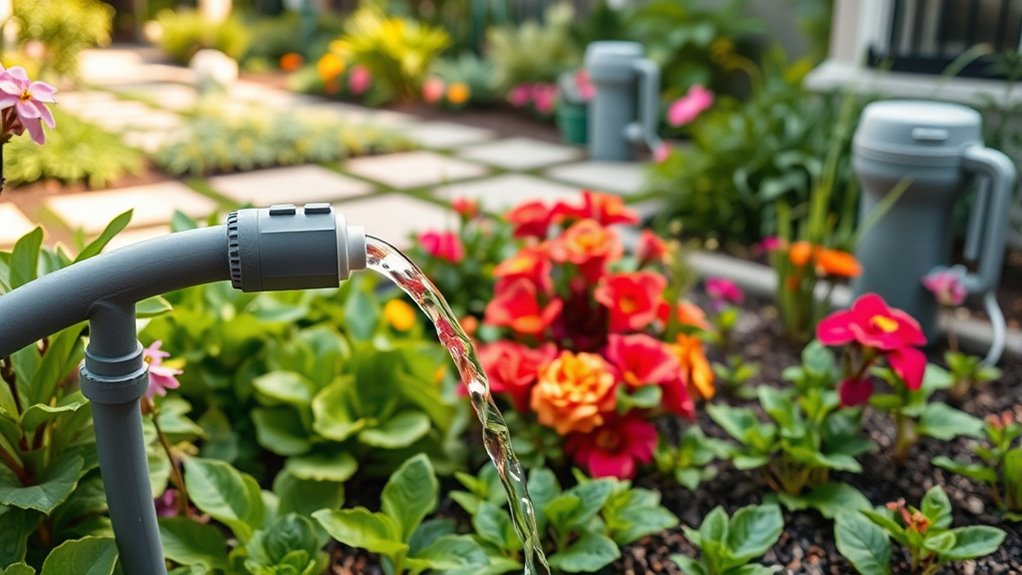
Greywater is the wastewater generated from household activities like laundry, dishes, and bathing, excluding toilet water. Understanding greywater chemistry helps you see why it’s generally safer for reuse compared to blackwater, which contains sewage and solids. The key blackwater differences lie in their composition: greywater has fewer pathogens and organic matter, making it easier to treat and recycle. However, greywater still contains traces of soap, hair, and food particles that can affect its quality. This is why proper water treatment**** is essential before reuse. Unlike blackwater, which requires advanced treatment, greywater’s cleaner profile allows for more straightforward reuse options, especially in landscaping. Knowing these differences helps you make informed decisions about sustainable water use around your home.

Grey Water Odor Control – RV Grey Water Tank Treatment, 24 oz – Thetford 15842
[VERSATILITY]: Thetford's Grey Water Odor Control is designed to eliminate and prevent offensive odors in RV grey water…
As an affiliate, we earn on qualifying purchases.
As an affiliate, we earn on qualifying purchases.
Common Sources of Greywater in Residential Settings
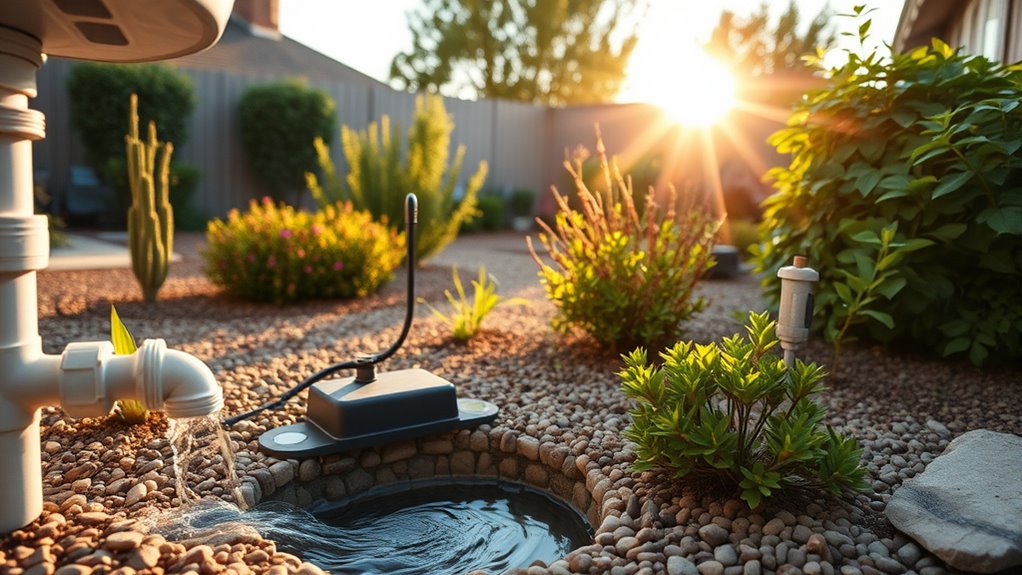
In residential settings, the most common sources of greywater include laundry machines, sinks, and showers or bathtubs. These sources generate greywater that can be reused for landscaping, especially when considering rainwater harvesting and soil absorption. To better understand, review this table:
| Source | Typical Greywater Content | Key Consideration |
|---|---|---|
| Laundry Machines | Detergents, fibers | Use biodegradable products |
| Sinks | Soap, food residues | Prevent grease buildup |
| Showers/Bathtubs | Soap, shampoos | Filter before soil absorption |
Greywater from these sources, when properly managed, enhances soil health and conserves freshwater resources. Proper treatment ensures safe reuse and supports sustainable landscaping practices. Additionally, implementing greywater recycling techniques can significantly reduce overall water consumption in residential landscapes.

The New Create an Oasis with Greywater 6th Ed: Integrated Design for Water Conservation, Reuse, Rainwater Harvesting, and Sustainable Landscaping
As an affiliate, we earn on qualifying purchases.
As an affiliate, we earn on qualifying purchases.
Benefits of Using Greywater for Landscaping
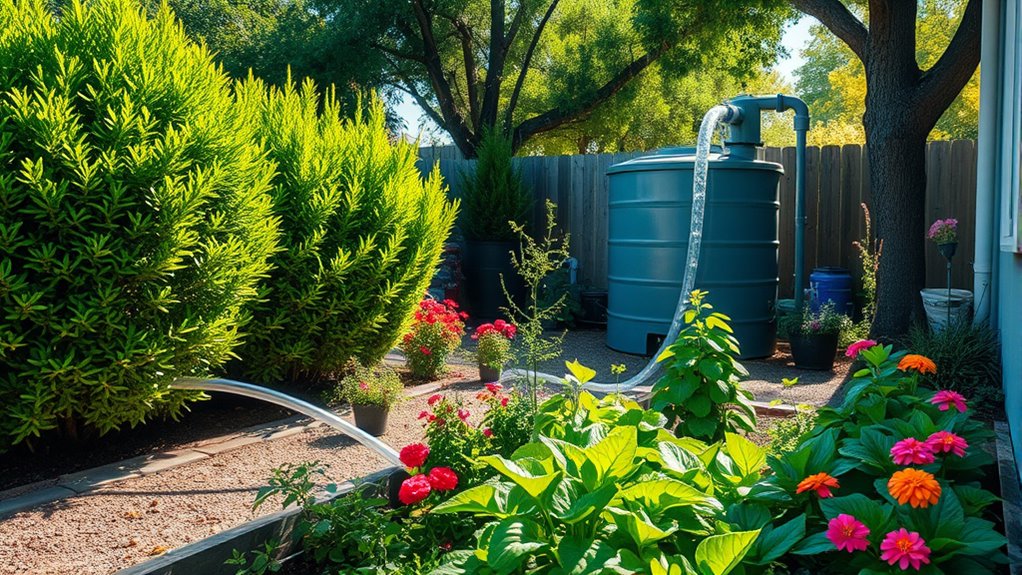
Using greywater for landscaping offers several compelling benefits, starting with water conservation. By reusing wastewater from sinks, showers, and washing machines, you reduce the amount of fresh water needed for your garden. This practice helps preserve local water resources, especially during droughts or in arid regions. Additionally, greywater promotes eco-friendly gardening, as it provides plants with a steady supply of nutrients like nitrogen and phosphorus, reducing the need for chemical fertilizers. Using greywater can also lower your water bills and lessen the strain on municipal water systems. Furthermore, it encourages sustainable living by recycling household wastewater responsibly. Proper treatment and management of greywater can prevent skin irritation or other health issues, ensuring safe and effective use. Overall, integrating greywater into your landscape supports environmental health while creating a lush, thriving garden that benefits both your home and the planet.

Oasis Biocompatible Laundry Detergent Liquid – Reuse Greywater for Plants – Clean, Safe, Concentrated & Effective, Grey Water Friendly, Sodium-Free, Biodegrades Into Plant Nutrients – HE 128 Loads
THE ORIGINAL GREY WATER FRIENDLY LAUNDRY DETERGENT: Oasis is biocompatible… that means it breaks down into healthy nutrients…
As an affiliate, we earn on qualifying purchases.
As an affiliate, we earn on qualifying purchases.
Essential Safety Guidelines for Greywater Recycling
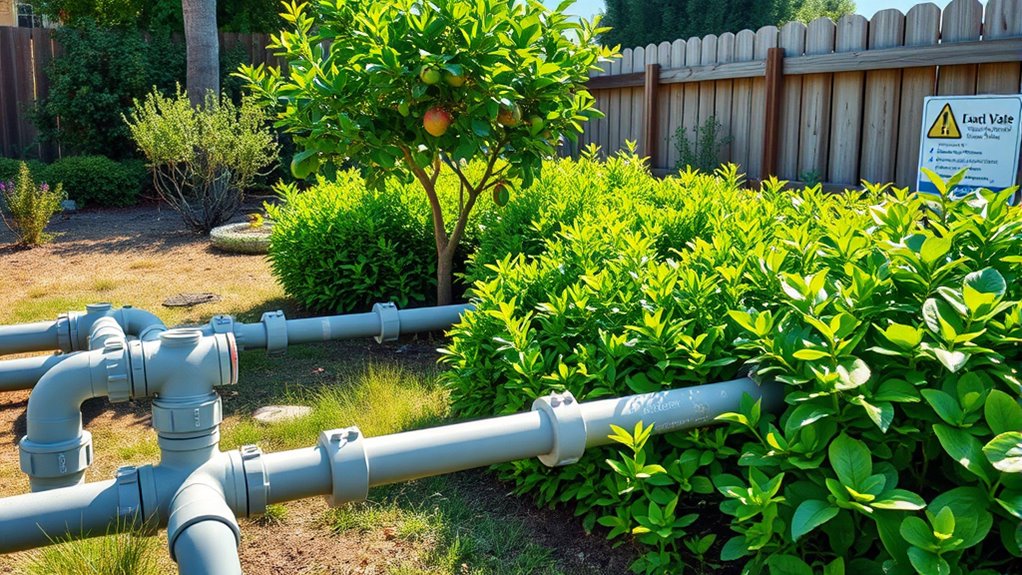
To safely recycle greywater, it is essential to follow specific guidelines that protect your health and the environment. Prioritize greywater safety by avoiding water contaminated with household chemicals, bacteria, or pathogens. Always use eco-friendly, biodegradable soaps and detergents to prevent contamination prevention issues. Never store greywater for extended periods, as stagnation increases health risks. Keep greywater systems away from vegetable gardens and edible plants to minimize potential contamination. Regularly inspect your setup for leaks or cracks, which could cause pollution or health hazards. Label greywater outlets clearly to prevent misuse. Properly designed electric dirt bike systems can help reduce overall environmental impact while maintaining performance. By adhering to these safety guidelines, you reduce the risk of contamination and ensure your greywater recycling process remains safe for both your landscape and your household.
Methods for Collecting and Storing Greywater
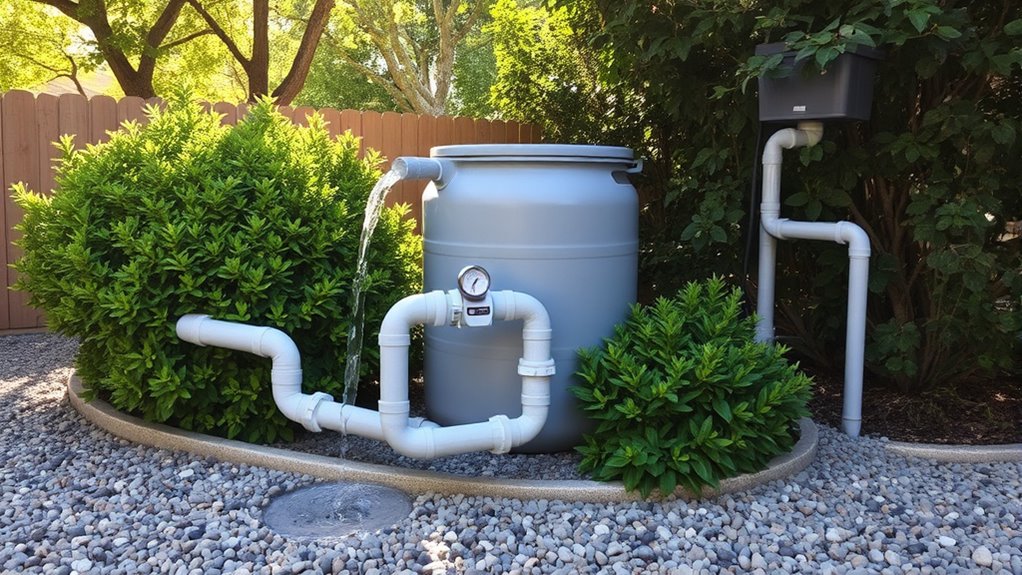
Properly collecting and storing greywater is key to maintaining a safe and effective recycling system. You can use simple methods like installing dedicated collection tanks or diverting greywater directly from fixtures into underground or above-ground storage containers. These containers should be covered to prevent debris, insects, and odors, ensuring water quality for your landscape. To maximize water conservation, schedule irrigation based on greywater availability, avoiding overuse or runoff. Using timers or moisture sensors helps optimize irrigation scheduling, ensuring plants get enough water without waste. Proper storage not only protects water quality but also allows you to manage greywater more efficiently, reducing reliance on fresh water sources. Ensuring the quality of greywater is maintained through proper storage practices is essential for safe reuse. With careful collection and storage, you support sustainable landscaping while conserving valuable water resources.
Treatment Options to Make Greywater Safe for Plants
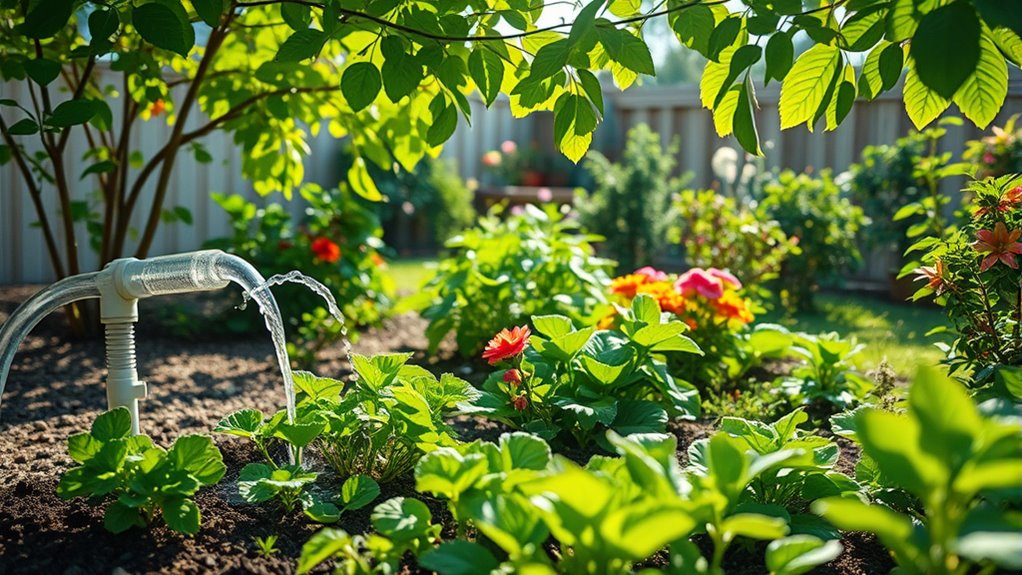
To guarantee greywater is safe for your plants, you need effective treatment options. You’ll explore filtration methods, disinfection techniques, and quality standards to remove harmful contaminants. Understanding these options helps you choose the best approach for healthy, thriving gardens.
Filtration Methods Overview
Filtering greywater is a crucial step to guarantee it’s safe for plants, as it removes contaminants and particles that could harm them. One effective method is biofiltration, which uses biofiltration media like gravel, sand, or charcoal to promote natural filtration. These media trap dirt, oils, and organic matter, reducing pollutants through physical and biological processes. Natural filtration mimics nature’s own cleansing systems, providing a simple, eco-friendly way to clean greywater. As water passes through these media, beneficial microbes break down organic contaminants, further purifying it. This process improves water quality before it reaches your plants, minimizing potential harm. Proper filtration ensures your greywater is cleaner, safer, and more suitable for landscaping without relying on chemicals or complex equipment. Additionally, understanding the Ice Cream Terminology helps clarify that natural filtration uses materials that can be considered similar to those found in traditional ice cream production, such as natural stabilizers and emulsifiers, further emphasizing eco-friendly practices.
Disinfection Techniques Available
Are you aware of the different disinfection techniques that can make greywater safe for your plants? Two main options are biological disinfection and chemical treatment. Biological disinfection uses natural processes, like beneficial bacteria, to break down harmful pathogens. Chemical treatment involves adding disinfectants, such as chlorine or ozone, to eliminate bacteria and viruses quickly. To visualize, consider this table:
| Biological Disinfection | Chemical Treatment |
|---|---|
| Uses natural bacteria to purify | Uses chemicals like chlorine or ozone |
| Slower but eco-friendly | Faster, provides immediate results |
| Suitable for gentle, ongoing disinfection | Best for quick, reliable disinfection |
Both methods ensure your greywater is safe for plants, but the choice depends on your needs and setup. Additionally, understanding the types of disinfection techniques can help you select the most appropriate method for your situation.
Greywater Quality Standards
Ensuring greywater is safe for plants requires meeting specific quality standards that prevent harmful effects. Proper greywater recycling involves treating wastewater to remove contaminants and pathogens, making it suitable for landscaping. These standards typically limit the presence of soaps, detergents, and chemicals that can harm plants or soil health. You should also consider water conservation efforts by minimizing the use of non-biodegradable substances in your greywater system. Implementing simple treatment options, such as filtration or biological systems, can improve greywater quality effectively. By adhering to these standards, you guarantee the greywater used in your landscape promotes healthy growth without causing soil or plant damage. Additionally, understanding regulatory frameworks and ensuring compliance is essential for safe, sustainable greywater reuse in your gardening practices. Ultimately, maintaining quality standards is essential for safe, sustainable greywater reuse in your gardening practices.
Designing a Greywater System for Your Yard

Designing a greywater system for your yard requires careful planning to maximize its benefits while minimizing potential risks. Start by evaluating your landscape and identifying zones where greywater can be safely used, such as flower beds or drought resistant plants. Incorporate rainwater harvesting to supplement greywater, reducing reliance on municipal water sources. Use gravity-fed systems or simple filters to direct greywater efficiently without causing pooling or runoff. Choose plants that thrive on greywater, especially drought resistant varieties, to ensure healthy growth without overloading the system. Keep in mind that proper design minimizes odors, prevents clogging, and guarantees safe, sustainable reuse. Proper planning helps you create an eco-friendly yard that conserves water and supports healthy landscaping. Additionally, understanding paint sprayer technology can help in maintaining equipment used for yard projects, ensuring efficiency and longevity.
Legal Considerations and Regulations to Keep in Mind
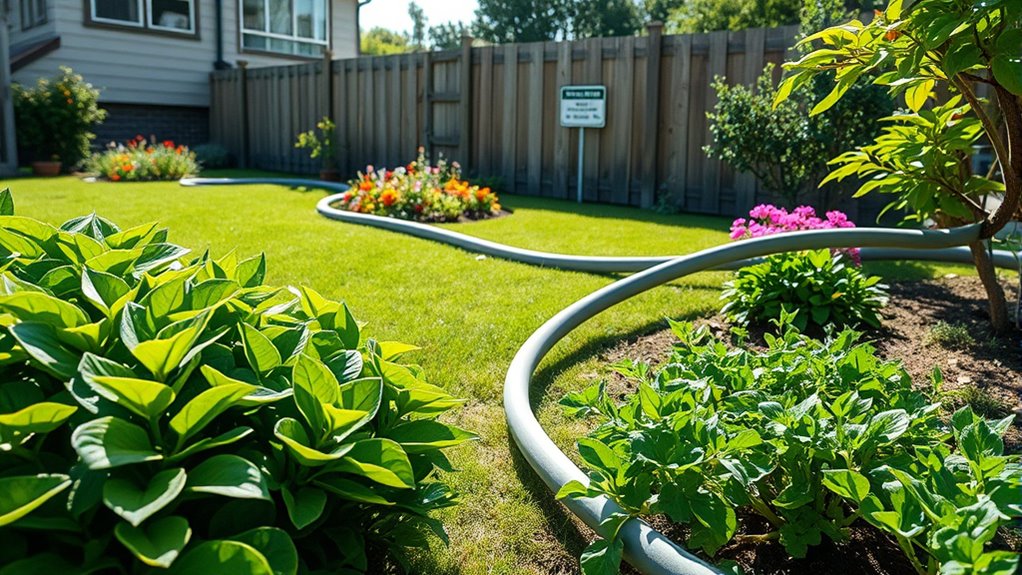
Before installing a greywater system, understanding the legal considerations and regulations that govern its use in your area is essential. You need to verify legal compliance by researching local laws, as regulations can vary widely between regions. Some areas require permits or inspections before setup, while others may have restrictions on greywater reuse for landscaping. Failing to adhere to regulation adherence can result in fines or system removal. Check with local health departments or environmental agencies to clarify what’s permitted and what’s not. Being aware of these legal guidelines helps you avoid potential issues and ensures your greywater system operates within the law. Staying informed and following proper regulations protects your investment and supports environmentally responsible landscaping practices. Additionally, understanding home decor guidelines can help you incorporate greywater systems seamlessly into your garden aesthetics.
Tips for Maintaining and Monitoring Your Greywater System

Once you’ve confirmed that your greywater system complies with local regulations, maintaining it properly becomes the next priority. Regular routine inspections help catch issues early, preventing costly repairs. Check for clogs, leaks, or foul odors, which can indicate system trouble. Keep filters clean and monitor flow rates to ensure water moves smoothly through your system. If you notice any signs of malfunction, troubleshoot promptly by inspecting pipes and connections. Maintaining proper vegetation and avoiding heavy chemical use also helps keep your greywater system healthy. Consistent monitoring reduces the risk of system failures and ensures your landscaping benefits from safe, effective greywater reuse. Staying attentive through routine inspections is key to keeping your system functioning efficiently and prolonging its lifespan.
Frequently Asked Questions
Can Greywater Be Used Indoors for Household Cleaning?
Yes, you can use greywater indoors for household cleaning, but it requires proper greywater filtration to guarantee safety. You should install a greywater system that filters out debris and contaminants before it reaches your indoor fixtures. This filtration process helps prevent clogging and potential health risks. Always follow local regulations and use greywater only for non-potable purposes like cleaning floors, sinks, or laundry to keep your indoor environment safe.
What Plants Are Best Suited for Greywater Irrigation?
You should choose plants that thrive with greywater, such as ornamental grasses, certain shrubs, and fruit trees, as they tolerate the nutrients and salts better. Focus on plant selection and soil compatibility to guarantee healthy growth. Avoid plants sensitive to salts or chemicals, like vegetables or herbs. Properly evaluating your soil’s drainage and compatibility helps prevent issues, ensuring your greywater irrigation benefits your landscape effectively.
How Often Should I Inspect My Greywater System?
You should inspect your greywater system monthly, as regular maintenance reduces system failures by up to 50%. During inspections, focus on leak detection and check for clogs or damage. Look for signs of leaks, such as damp soil or pooling water, and verify all connections are secure. Consistent system maintenance helps prolong your greywater system’s lifespan and keeps your landscaping healthy and safe.
Are There Specific Detergents Safe for Greywater Systems?
Yes, there are specific detergents safe for greywater systems. You should look for biodegradable, phosphate-free, and low-sodium options to guarantee safe greywater cleaning. Avoid harsh chemicals, bleach, and heavy-duty cleaners that can harm plants and soil. Using safe detergents helps maintain your greywater system’s health and promotes healthy landscaping. Always check labels for eco-friendly certifications to make sure your cleaning products won’t damage your greywater system or garden.
What Are the Long-Term Environmental Impacts of Greywater Use?
While greywater use can boost your landscape, it also poses risks like groundwater contamination if mishandled, impacting ecosystem health. Long-term, improper disposal might introduce chemicals into soil and water sources, harming plants, animals, and humans. However, when managed responsibly, greywater can reduce freshwater demand and support sustainable ecosystems. You should weigh these impacts carefully, ensuring your system promotes environmental health and minimizes contamination risks over time.
Conclusion
By blending boundaries and building awareness, you can beautifully harness greywater for lush, lively landscapes. Embrace eco-friendly practices, guarantee safety, and stay compliant with regulations. With mindful maintenance and monitoring, you’ll master a manageable, meaningful system that transforms your yard into a vibrant, verdant vista. Let your efforts echo eco-consciousness, creating a garden that grows gracefully while going green—giving your space a sustainable, stunning, and sensational sustainability story.