
Choosing the wrong size mini-split can lead to higher energy bills, uneven comfort, and early equipment failure. An oversized unit cycles on and off frequently, wasting energy and causing noise, while an undersized one runs nonstop, increasing wear and reducing efficiency. Proper sizing depends on factors like room size, insulation, and climate. Getting it right requires careful measurement and professional help—keep exploring to learn how to avoid these costly mistakes.
Key Takeaways
- Incorrect sizing causes increased energy bills due to inefficient heating or cooling cycles.
- Oversized units frequently cycle on/off, decreasing system lifespan and causing noise issues.
- Undersized systems run constantly, struggling to maintain comfort and wasting energy.
- Proper load calculations and professional assessments prevent costly sizing mistakes.
- Accurate room measurements and insulation assessments are critical for selecting the right system size.

Air Duct Sizing Calculator
Air Duct Calculator
As an affiliate, we earn on qualifying purchases.
As an affiliate, we earn on qualifying purchases.
Why Proper Mini-Split Sizing Matters for Your Home
Choosing the right size mini-split system is essential because an improperly sized unit can lead to comfort issues and higher energy bills. If your system is too small, it’ll struggle to heat or cool your space, causing increased energy use and uneven temperatures. Conversely, an oversized unit will cycle on and off frequently, wasting energy and reducing efficiency. Proper sizing also impacts noise levels; a correctly sized mini-split operates quietly, maintaining a peaceful environment. When your system matches your home’s needs, it runs smoothly, optimizing energy efficiency and minimizing disruptive noise. This precise matching depends heavily on understanding system capacity, which ensures the system can handle your space effectively. Additionally, considering proper installation procedures can prevent many common sizing mistakes and ensure your system operates at peak efficiency. Correctly sizing your system and following proper installation guidelines help avoid inefficient operation, which can otherwise lead to unnecessary expenses. Paying attention to load calculations can further refine your system choice, ensuring optimal performance over time.

Oylus Mini Split Ac/Heating System – 12000 BTU Ductless Mini Split Air Conditioner with Heat Pump, 19 SEER2 115V Energy Efficient Ac Unit Up to 750 Sq.Ft with Installation Kit
【Efficient Cooling & Heating】 – Stay comfortable all year round with 12,000 BTU cooling and 12,500 BTU heating….
As an affiliate, we earn on qualifying purchases.
As an affiliate, we earn on qualifying purchases.
The Consequences of Over-Sized and Under-Sized Mini-Splits

An improperly sized mini-split system can cause a range of problems that undermine your comfort and increase costs. If it’s too large, it will cycle on and off frequently, reducing energy efficiency and wasting electricity. This constant switching also leads to higher wear and tear, shortening the system’s lifespan. Additionally, over-sized units tend to produce louder noise levels during startup and operation, disrupting your peace at home. Conversely, an under-sized mini-split struggles to maintain consistent temperatures, forcing it to run constantly and consume more energy. This inefficiency raises your utility bills and creates hot or cold spots in your space. Both over- and under-sized systems compromise comfort, drain your budget, and diminish overall energy efficiency, making proper sizing essential for ideal performance and savings. Proper mini-split sizing ensures optimal comfort and efficiency, preventing costly mistakes.
Furthermore, selecting the correct size requires careful assessment of your space and understanding of your heating and cooling needs to avoid these pitfalls. A thorough load calculation can help determine the right system size, preventing these issues before installation. Proper sizing also reduces the risk of system failure and costly repairs, ensuring your investment lasts longer and performs reliably.

Mountman 12000BTU Mini Split AC/Heating System, 115V 19 SEER2 Energy Efficient Mini Split Air Conditioner with Heat Pump, Cools Up to 750sq.ft, Ductless Inverter AC Unit with Pre-Charged Condenser
Rapid Cooling & Heating with Inverter Technology:Powered by advanced inverter technology, the 12000 btu mini split is a…
As an affiliate, we earn on qualifying purchases.
As an affiliate, we earn on qualifying purchases.
How to Know What Size Mini-Split Will Work Best for You
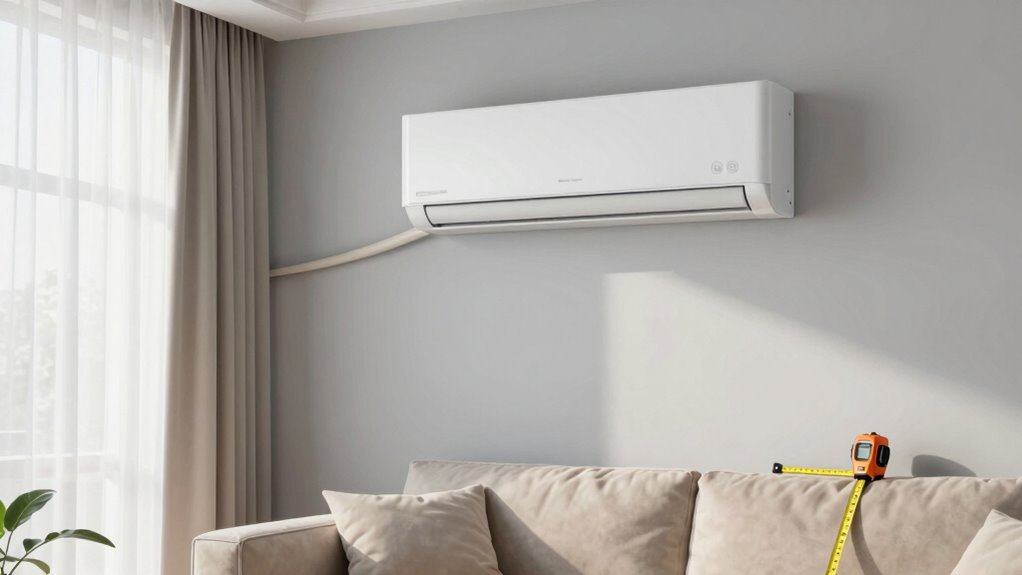
Choosing the right size mini-split is key to staying comfortable and efficient. You need to accurately assess your space to determine the cooling or heating capacity required. Knowing how to calculate your room’s needs guarantees you get a unit that’s just right for your home. Additionally, understanding the cryptid mysteries and folklore related to haunted locations can help you appreciate the importance of precise measurements in different contexts. Proper sizing not only ensures comfort but also prolongs the lifespan of your system by preventing overworking or underperformance, which is why consulting expert guidelines on mini-split capacity is highly recommended. Recognizing the importance of proper measurement can prevent costly mistakes and ensure optimal performance over time. Accurate measurements are essential for system efficiency, preventing overcapacity, and long-term savings.
Size Matters for Comfort
Since the right size mini-split is essential for ideal comfort, you need to determine the cooling and heating load of your space. A properly sized system ensures consistent temperature control and maximum energy efficiency. If the unit is too small, it’ll struggle to maintain comfort during extreme weather, running constantly and wasting energy. On the other hand, an oversized system will cycle on and off frequently, causing discomfort and increased noise levels. Accurate sizing helps you avoid these issues, providing quiet operation and steady temperature management. Remember, comfort isn’t just about cooling or heating; it’s about maintaining a stable environment without excessive energy use or disruptive noise. Proper sizing ensures your mini-split delivers reliable, efficient comfort for years to come. For optimal results, consulting a professional can help you determine the correct system size, ensuring your investment pays off in comfort and energy savings. Additionally, understanding the cooling and heating load calculations can help you make an informed decision.
Calculating Your Space Needs
Wondering how to determine the right size mini-split for your space? Start by evaluating your room dimensions and considering zoning strategies to optimize comfort and efficiency. Proper sizing depends on factors like insulation, sunlight, and layout. To help, use this quick reference:
| Room Type | Approximate Size Needed (BTUs) | Noise Level Consideration |
|---|---|---|
| Small Bedroom | 6000–9000 | Lower noise preferred |
| Living Room | 9000–12000 | Moderate noise levels |
| Large Area | 12000–18000 | Higher capacity needed |
| Multiple Zones | Varies per zone | Zoning strategies improve comfort |
Accurate calculations ensure your mini-split matches your needs, avoiding unnecessary costs and noise issues. Proper sizing enhances comfort and efficiency by respecting zoning strategies and noise levels.

gohantee R410a Adapter 5/16 Female, 1/4 Male SAE Swivel Adapter Fits for Mini Split System Air Conditioners, HVAC and Refrigeration Service with 45° Angle Thimble Pack of 2
[FUNCTION] This connector has a thimble, in the course of the operation, it will not open the air…
As an affiliate, we earn on qualifying purchases.
As an affiliate, we earn on qualifying purchases.
Factors That Affect Mini-Split Size: Room Size, Insulation, Climate
Your room’s size and layout directly influence the mini-split size you need. Good insulation helps your system work efficiently, reducing energy waste. Considering these factors guarantees you select a unit that provides ideal comfort and performance. Properly sizing your system ensures you avoid the costly mistake of overspending on a larger unit or facing inadequate heating and cooling with a smaller one. Additionally, understanding cleaning appliances and regular maintenance can extend the lifespan of your system and ensure it continues to operate at peak efficiency. Being aware of effective insulation techniques can further enhance your system’s performance and energy savings, especially since insulation quality significantly impacts overall energy efficiency. Recognizing cultural heritage within your home environment can also influence the optimal placement and operation of your climate control system.
Room Dimensions and Layout
Room dimensions and layout considerably influence the size of the mini-split system you need. A larger or oddly shaped room may require a more powerful unit to guarantee even cooling or heating. Consider how your space’s decorative styles and aesthetic considerations impact placement; a sleek, discreet system might be preferable in a modern, minimalist room, while a larger unit could suit a more traditional or open-plan layout. The way furniture is arranged, doorways, and windows also affect airflow and temperature distribution. Properly evaluating these factors helps you choose a system that balances size and efficiency. Ignoring layout details can lead to oversizing or undersizing, wasting energy and money. So, measure your space carefully and think about how your room’s design influences airflow and comfort. Room layout and airflow patterns play a critical role in achieving optimal comfort and efficiency. Additionally, incorporating local automation features can help optimize airflow and temperature control based on your room’s unique layout.
Building Insulation Quality
Building insulation quality plays a critical role in determining the appropriate size of your mini-split system because well-insulated spaces retain temperature more effectively, reducing the workload on the unit. Higher thermal resistance from quality insulation minimizes heat transfer, meaning your room stays cooler in summer and warmer in winter with less effort. If your insulation is lacking, you may need a larger system to compensate for heat loss or gain. Insulation upgrades, such as adding more insulation or sealing gaps, improve thermal resistance and help your mini-split operate efficiently. Proper insulation guarantees the system isn’t oversized or undersized due to poor building envelope performance. Good insulation ensures consistent temperature control and reduces strain on your HVAC system. Additionally, building envelope performance is crucial in optimizing your system’s size and efficiency over time.
Tools and Techniques to Size Your Mini-Split Accurately
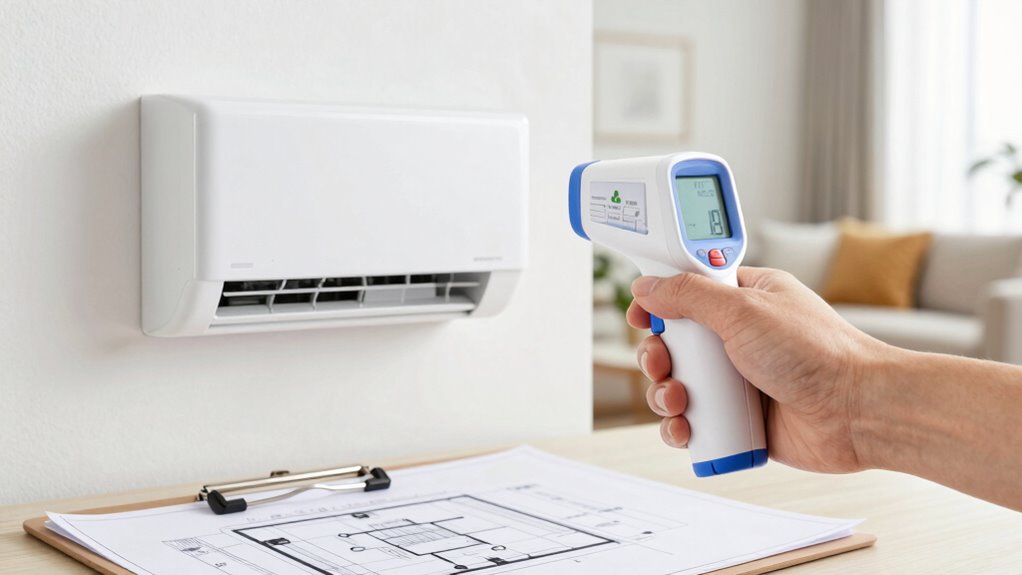
Accurately sizing a mini-split system is essential to guarantee ideal performance and energy efficiency. To do this, you can use simple diy tips and reliable tools like load calculators or manual J software. These tools help you assess your space’s heating and cooling needs precisely. Remember, branding strategies matter too—choose reputable brands known for accurate sizing and quality. When measuring rooms, consider factors like insulation, window size, and sunlight exposure. Use the following table for quick reference:
| Tool/Technique | Purpose |
|---|---|
| Manual J Calculation | Precise load estimation |
| Load Calculators | Quick, user-friendly sizing assistance |
| Thermometers | Measure indoor temperature variations |
| Professional Assessment | Expert accuracy and advice |
Applying these methods ensures your mini-split is the right size, saving money long-term.
Risks of Choosing a Mini-Split That’s Too Small or Too Large
Choosing a mini-split that’s too small or too large can lead to significant problems with comfort and efficiency. If it’s too small, it’ll struggle to heat or cool your space, causing constant running and higher energy bills. Conversely, a unit that’s too large will cycle on and off frequently, wasting energy and creating uneven temperatures. When considering DIY installation, you might be tempted to cut corners, but improper sizing worsens these risks. Aesthetically, an oversized unit may look bulky, disrupting your space’s design. An undersized system might require multiple units, cluttering your room. Proper sizing guarantees you get the right capacity, saving money and maintaining comfort. Ignoring these risks can lead to frustration, wasted money, and a system that doesn’t meet your needs for years.
How HVAC Pros Help You Get the Perfect Fit and Save Money
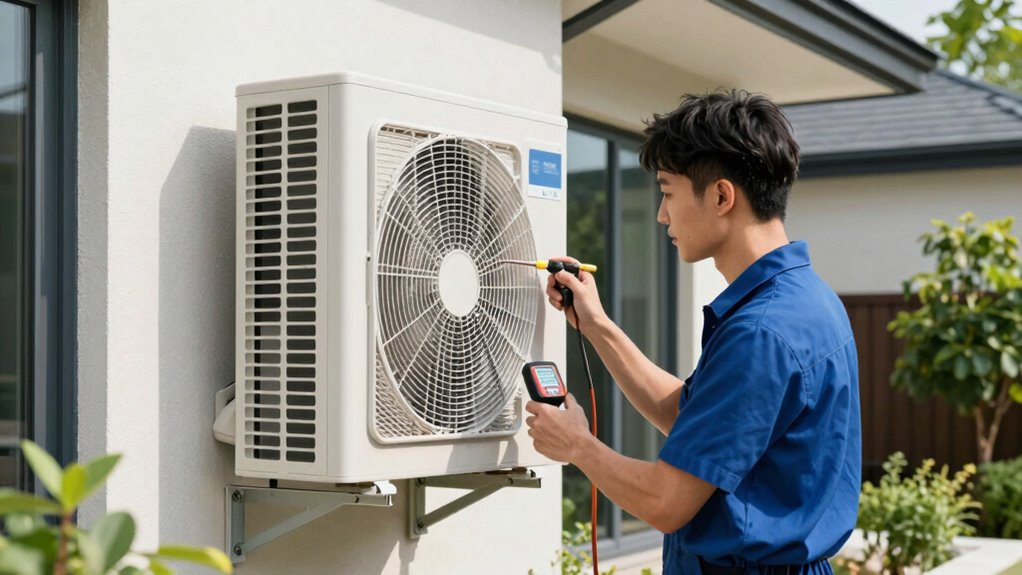
HVAC professionals play a crucial role in guaranteeing your mini-split system is the right size for your space, which can save you money and improve comfort. They assess your home’s layout, insulation, and climate to determine the ideal size, boosting energy efficiency and reducing long-term energy bills. Proper sizing minimizes unnecessary installation costs and avoids frequent repairs or replacements. HVAC pros also handle the installation process, ensuring your system operates efficiently from day one. They use precise calculations and tools to prevent common sizing mistakes that lead to wasted energy. By working with experts, you get a mini-split tailored to your needs, saving money on both upfront costs and ongoing energy expenses.
| Benefit | Explanation |
|---|---|
| Energy efficiency | Optimized sizing reduces wasted energy and lowers bills |
| Installation costs | Proper sizing minimizes installation complexity and costs |
| Comfort | Ensures consistent, even temperature control |
| Longevity | Proper fit extends system lifespan |
| Performance | Maximizes system effectiveness and reliability |
Can You Adjust Mini-Split Size After Installation? What You Need to Know
Once your mini-split system is installed, you might wonder if it’s possible to change its size to better suit your needs. Unfortunately, mini-split units are not easily adjustable in size after installation. To improve cost efficiency and reduce energy consumption, you’d typically need to replace the entire system or add additional units. Oversized or undersized units can cause higher energy bills and uneven temperatures. Instead of trying to tweak the size, focus on proper initial sizing and zoning options to optimize performance. If you’re experiencing issues, consulting an HVAC professional can help determine whether system adjustments or upgrades are necessary. Proper sizing from the start is key to ensuring your mini-split operates efficiently over its lifespan.
Frequently Asked Questions
Can Mini-Split Systems Be Customized for Unique Room Layouts?
Yes, mini-split systems can be customized for unique room layouts through custom installation options. You can choose different indoor unit styles and placements to suit your space. Additionally, airflow optimization guarantees even cooling or heating, regardless of room shape. By working with a professional, you ensure the system is tailored to your needs, maximizing efficiency and comfort while preventing energy waste.
How Often Should I Reassess My Mini-Split’s Size Over Time?
You should reassess your mini-split’s size during annual check-ins, especially if you’ve made remodeling considerations or changes to your space. Shifts in insulation, window placements, or room layout can impact heating and cooling needs. Regular evaluations help guarantee your system remains efficient and properly sized, preventing wasteful energy use and costly upgrades down the line. Stay proactive to keep your comfort and savings in check.
Are There Specific Brands Known for Better Sizing Accuracy?
When it comes to sizing accuracy, you shouldn’t put all your eggs in one basket. Brands like Mitsubishi and Daikin are known for their reliable reputation and precise systems, especially when paired with quality installation. You’ll get better results if you choose reputable brands and guarantee professional installation, which helps your mini-split perform at its best without wasting money. Remember, a well-sized system is the backbone of efficient cooling and heating.
What Signs Indicate My Mini-Split Is Improperly Sized?
If your mini-split is improperly sized, you’ll notice uneven cooling or heating, short cycling, and higher energy bills. During DIY installation, verify the unit is correctly matched to your space’s size, as an undersized or oversized unit reduces efficiency and comfort. You might also see the system running constantly or struggling to reach the set temperature, which signals poor sizing and impacts unit efficiency over time.
Is Professional Sizing More Reliable Than DIY Methods?
Professional sizing is definitely more reliable than DIY methods because it helps you avoid common DIY pitfalls and sizing errors. When experts evaluate your space, they consider factors like insulation, room size, and airflow, ensuring the mini-split system fits perfectly. Relying on professionals minimizes the risk of under or over-sizing, which can lead to inefficient operation and higher energy bills. Investing in expert sizing saves you money and trouble in the long run.
Conclusion
Choosing the right mini-split size saves you money and keeps your home comfortable. Did you know that an oversized system can waste up to 30% of your energy? Proper sizing prevents frequent repairs, uneven temperatures, and higher bills. Work with HVAC pros to get it just right; it’s worth the investment. Don’t overlook this step—your wallet and comfort depend on it. Make smart choices now for a cozy, efficient home long-term.