You can do a quick 20-minute home energy audit today by inspecting your windows, doors, and seals for drafts using a flashlight or smoke test. Check your heating and cooling systems for efficiency, like listening for unusual noises or feeling for uneven airflow. Look for energy leaks in lighting and appliances, and consider sealing gaps with caulking or weatherstripping. Let’s explore simple, effective ways to cut your energy bills further — stay tuned for more tips.
Key Takeaways
- Gather basic tools like a flashlight, thermometer, and notepad to identify leaks, drafts, and insulation issues quickly.
- Inspect windows, doors, and electrical outlets for air leaks using light or smoke tests.
- Check attic and basement insulation levels for gaps or compression that cause heat transfer.
- Evaluate HVAC and lighting systems for efficiency, including filter condition, thermostat settings, and bulb types.
- Seal identified gaps with caulking or weatherstripping and implement simple upgrades like LED bulbs and smart thermostats.

evelor 6-Pack A19 LED Light Bulbs,60 Watt Equivalent Daylight 5000K with E26 Base,Efficient 9W,800 Lumens Non-Dimmable LED Bulbs,15000 Hours, Ideal for Bedroom Living Room
【Energy Efficiency】: EVELOR A19 LED light bulb is an energy-saving 9W (60W equivalent) bulb, saving up to 90%…
As an affiliate, we earn on qualifying purchases.
As an affiliate, we earn on qualifying purchases.
Why a Home Energy Audit Can Save You Money
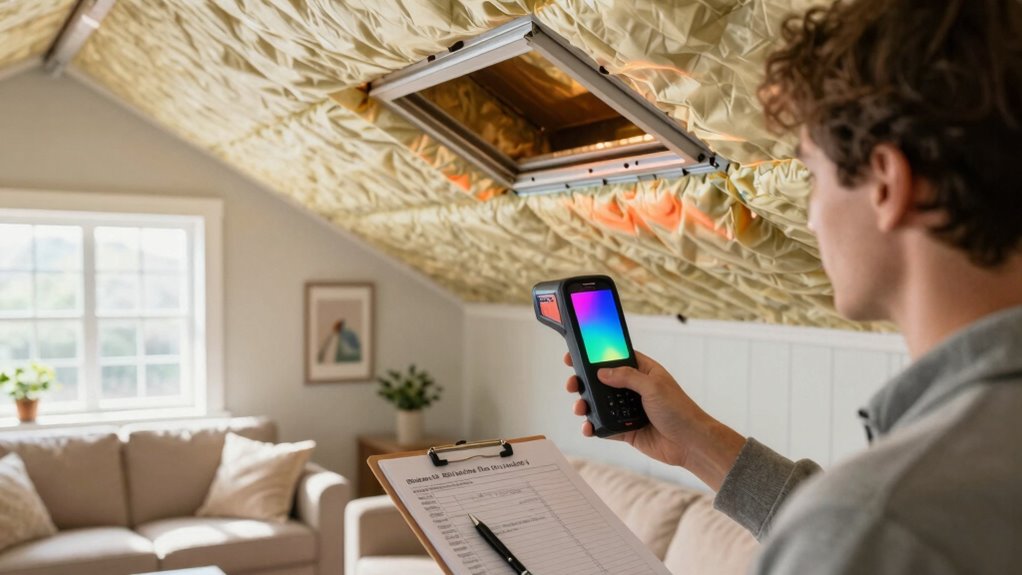
Have you ever wondered how much money you could save on energy bills each year? A home energy audit reveals opportunities for energy efficient upgrades that can considerably cut costs. By identifying leaks, drafts, and inefficient appliances, you can target areas for improvement. Upgrading insulation, sealing gaps, or installing ENERGY STAR-rated appliances makes your home more efficient. Plus, exploring renewable energy options like solar panels can reduce reliance on the grid and lower bills long-term. These upgrades not only save you money but also increase your home’s value and comfort. Regularly performing audits ensures you stay on top of energy use, making adjustments when needed. Incorporating home energy efficiency systems—such as smart thermostats and advanced insulation—can further optimize your energy savings. Additionally, understanding air leakage and how to effectively seal it can significantly enhance your home’s energy performance. Understanding building envelope improvements can also lead to more comprehensive energy-saving strategies. Being aware of energy consumption patterns can help you make more targeted modifications. Conducting a comprehensive energy assessment periodically can uncover new areas for improvement as your home and habits evolve. Overall, a home energy audit is a smart step toward saving money and creating a more sustainable living environment.

Amazon Smart Thermostat – Save money and energy – Works with Alexa and Ring – C-wire required
Smart upgrade – Amazon Smart Thermostat is an easy way to switch from a traditional thermostat and help…
As an affiliate, we earn on qualifying purchases.
As an affiliate, we earn on qualifying purchases.
How to Prepare for Your Quick DIY Home Energy Check
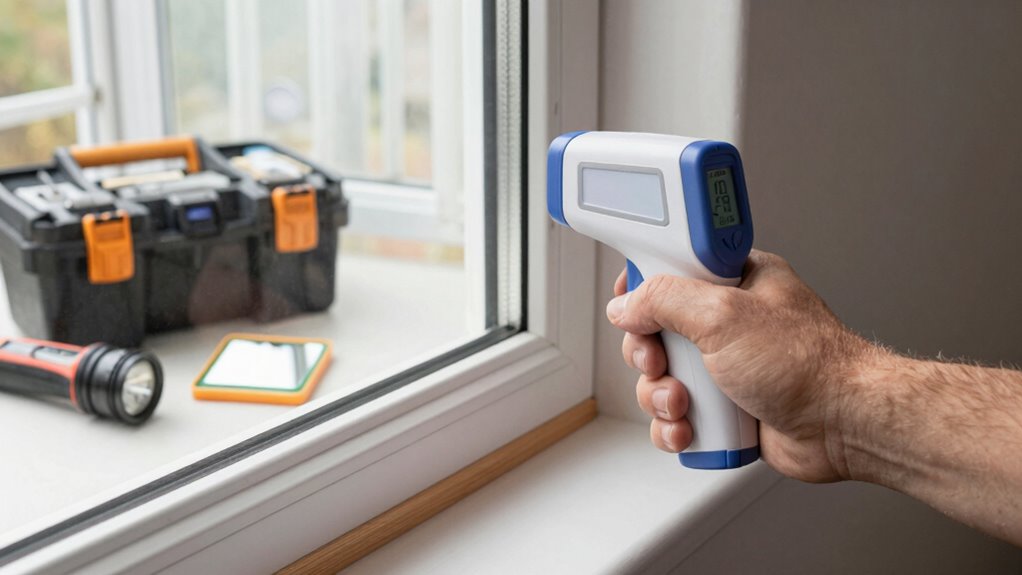
To get ready for your quick DIY home energy check, gather the tools you’ll need, like a flashlight, a thermometer, and a notepad. Next, identify the key areas to inspect, such as windows, doors, and your attic. Being prepared helps you spot energy leaks more efficiently and makes the process smoother. Considering the insulation quality of your home can also significantly impact overall energy efficiency. Additionally, understanding your energy consumption patterns can help you target your efforts more effectively. Conducting a home energy assessment can reveal hidden issues and suggest improvements to reduce your energy bills. Consulting reliable backup power options can ensure your home stays comfortable during outages and improve your overall resilience. Incorporating professional architectural solutions can further optimize your home’s energy performance and design.
Gather Necessary Tools
Are you ready to start your DIY home energy check? First, gather your tools to guarantee a smooth process. You’ll need a flashlight to spot gaps and leaks, a thermal camera or infrared thermometer for temperature differences, and a screwdriver for inspecting insulation materials. A clipboard and pen help record findings, while a mirror can help see behind appliances or in tight spaces. If you’re considering renewable energy upgrades later, have basic tools ready for any quick assessments. Remember, the goal is to identify areas where heat escapes or drafts sneak in. Having these tools on hand saves time and keeps your audit efficient. Additionally, understanding building envelope components can help you better interpret your findings. Familiarity with thermal bridging can further enhance your ability to detect heat loss. Knowing how air leaks behave can also improve your inspection accuracy. Recognizing insulation types can guide you in assessing where improvements may be needed. With everything prepared, you’re ready to move forward confidently in your home energy check.
Identify Key Areas
Wondering where to focus your energy check? Start by identifying key areas prone to air leakage and insulation gaps. Check around windows, doors, and electrical outlets, where drafts often sneak in. Feel for cool air or use a candle to detect leaks by watching for flickering flames. Examine your attic and basement for insulation gaps, which can cause heat loss or gain. Pay close attention to areas where different building materials meet, like walls and ceilings, as these spots often have gaps. Additionally, understanding building envelope integrity can help you recognize how well your home resists air and moisture infiltration. Recognizing the role of air sealing and insulation in your home’s energy performance is essential for a comprehensive assessment. By pinpointing these trouble spots, you’ll know where to prioritize sealing and insulating. This targeted approach ensures your quick DIY home energy audit is effective, helping you improve comfort and reduce energy costs without spending hours searching.

Frost King B2WT 19 oz/90' Mortite Caulking Cord, Woodtone
Adheres to wood, cement, metal, plastic, glass
As an affiliate, we earn on qualifying purchases.
As an affiliate, we earn on qualifying purchases.
How to Find Gaps Around Windows, Doors, and Seals
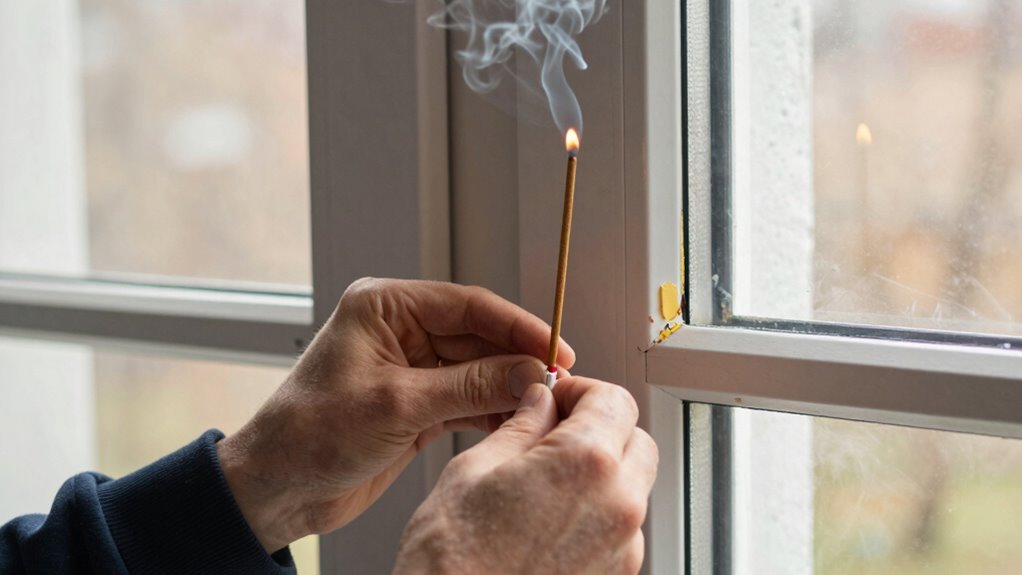
To find gaps around windows, doors, and seals, start with a visual inspection to spot obvious cracks or damaged areas. You can also use a light or smoke test to see where drafts are entering your home. Once identified, apply sealing and caulking to improve energy efficiency and block unwanted air leaks. Additionally, consider inspecting your home’s ventilation considerations to ensure proper airflow and prevent issues caused by drafts or poor sealing. Maintaining good air quality by properly sealing these gaps can also contribute to a healthier indoor environment. Performing a comprehensive energy assessment can help pinpoint hidden leaks and optimize your home’s overall efficiency. Incorporating thermal behavior understanding can further help in selecting the right materials for sealing and insulation.
Visual Inspection Techniques
You can effectively identify gaps around windows, doors, and seals by conducting a thorough visual inspection. Look for visible cracks, gaps, or worn weatherstripping that might let air escape. During this inspection, also check the insulation around window frames and door jambs to see if it appears compressed or missing, which could indicate poor insulation examination. Keep an eye on electrical wiring near openings, as exposed or damaged wiring can sometimes contribute to gaps or safety hazards. Use a flashlight to cast shadows in dark corners and spot small leaks or gaps that might not be obvious at first glance. Taking your time to examine these areas carefully helps ensure you find all potential escape points for air, improving your home’s energy efficiency. Additionally, understanding how home automation and sensors can assist in detecting leaks or insulation issues can further enhance your energy audit. Incorporating smart detectors can help alert you to hidden problems that are not immediately visible during a visual inspection. Moreover, utilizing security systems that include sensors can provide real-time alerts for unusual air drafts or temperature fluctuations, adding an extra layer of monitoring to your energy efficiency efforts. You might also consider using thermal imaging cameras, which can reveal temperature differences and hidden insulation gaps more effectively than the naked eye.
Using Light and Smoke
Using light and smoke is an effective way to precisely locate gaps around windows, doors, and seals. To do this, turn off your indoor lights and close all windows and doors. Then, hold a lit candle, flashlight, or small piece of incense near the edges of these openings. As you do, observe smoke visualization or flickering light. If the smoke wavers or the light flickers, it indicates a gap allowing air leaks. This method highlights areas where air can escape, helping you identify spots that compromise your lighting efficiency. Keep your eyes on the smoke’s movement or the flickering light to pinpoint problem areas accurately. This simple technique provides immediate visual feedback, making it easier to locate and address drafty spots around your home. Additionally, understanding the importance of home insulation can help you prioritize sealing efforts for maximum energy savings.
Sealing and Caulking Tips
Identifying gaps around windows, doors, and seals is essential for effective sealing and caulking. To do this, inspect these areas carefully, looking for cracks or drafts. Once identified, use proper caulking techniques to apply sealing materials correctly. Choose high-quality sealing materials like weatherproof caulk or foam sealant suited for each gap. When applying, ensure your tools are clean and your surface is dry for better adhesion. Smooth out the caulk with a damp finger or caulk tool to create a neat, airtight seal. Remember, sealing is most effective when gaps are small and clean. Properly sealing these areas helps prevent air leaks, improves energy efficiency, and can lower your heating and cooling costs.

Kuuleyn Home Inspection Hammer, Stainless Steel, Silver, Non-slip Sponge Handle, 51.18 inches
【Application】Home inspection hammer is suitable for testing whether walls, tiles, ceilings and other structures is empty
As an affiliate, we earn on qualifying purchases.
As an affiliate, we earn on qualifying purchases.
How to Check Your Heating and Cooling Systems for Efficiency
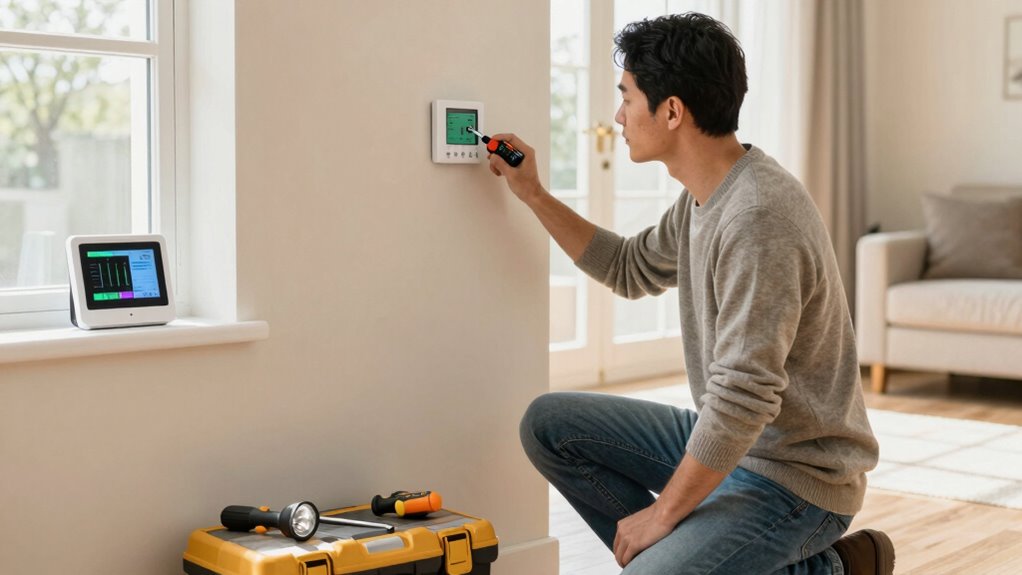
To guarantee your heating and cooling systems operate efficiently, it’s important to perform regular checks on their performance. Start with HVAC maintenance by inspecting filters and ensuring vents are clear. Check your thermostat optimization by setting it correctly and considering a programmable thermostat.
You can also:
- Listen for unusual noises during operation
- Feel the air coming from vents for consistent temperature
- Check for uneven heating or cooling in different rooms
- Ensure your system cycles on and off properly
These simple steps help identify issues early, saving energy and money. Regular maintenance keeps your system running smoothly and extends its lifespan. Taking a few minutes to evaluate your HVAC performance helps confirm your home stays comfortable year-round.
How to Spot Energy Leaks in Lighting and Appliances
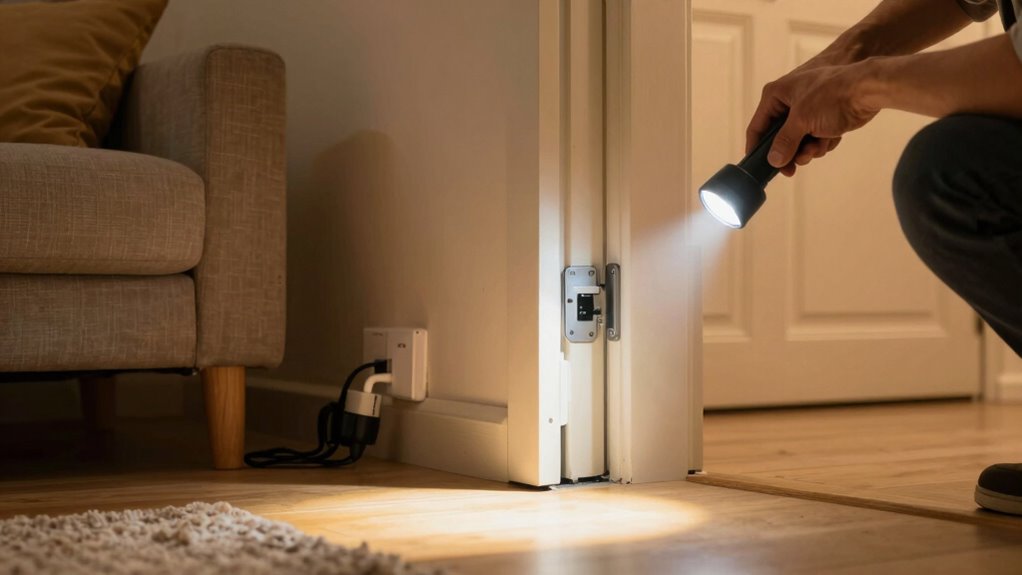
After ensuring your heating and cooling systems run efficiently, it’s equally important to check for energy leaks that might be wasting power. Start by inspecting your lighting fixtures. Look for bulbs or fixtures that stay on longer than needed, or consider switching to LED bulbs, which use less energy. Pay attention to appliance placement—avoid leaving devices plugged in when not in use, especially near windows or in drafty areas, as they can draw standby power. Check for any lights or appliances that flicker or seem to stay on unintentionally. Use your hand to feel for drafts around switches and outlets, which can indicate leaks. Making these simple observations helps reduce unnecessary energy consumption and boosts your home’s efficiency.
Simple Ways to Improve Your Home’s Energy Use Today
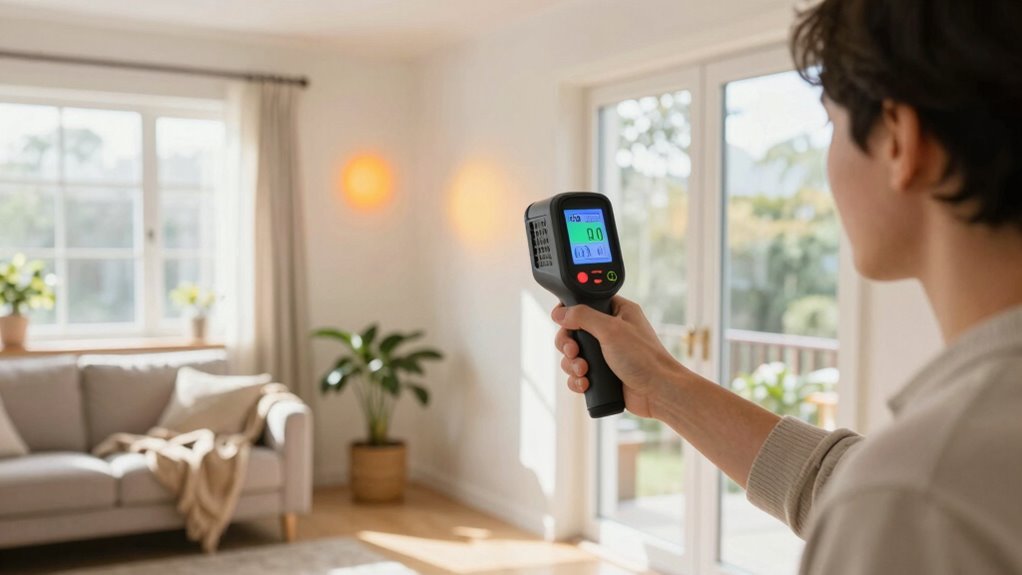
Improving your home’s energy use doesn’t have to be complicated or costly. Small changes can make a big difference right now. Switch to energy-efficient lighting like LED bulbs, which use less power and last longer. Consider installing smart home devices such as thermostats and motion sensors to automate lighting and heating, reducing waste. Use power strips to turn off multiple devices at once, preventing phantom energy drain. Additionally, unplug chargers and electronics when not in use. These simple steps are quick to implement and can lower your energy bills immediately. By making these adjustments, you’ll enhance your home’s efficiency without a major overhaul, saving money and reducing your environmental impact effortlessly.
Common Energy Leaks to Fix Yourself

Many common energy leaks in your home are easy to spot and fix yourself. Drafts around windows and doors often waste heat and can be sealed with weatherstripping or caulk. Inspect your attic and basement for gaps or cracks, which can be sealed to improve insulation. Upgrading your insulation, especially in areas like the attic, reduces heat loss and makes it easier to stay warm in winter. Don’t forget to evaluate your windows; if they’re old or poorly sealed, consider DIY window film or replacing them for better insulation and solar potential. These simple fixes not only cut energy bills but also enhance comfort. Addressing leaks now helps you maximize your home’s solar potential and energy efficiency without professional help.
How to Use Your Audit Results to Save Money

Once you have your home energy audit results, you can identify the most effective ways to cut costs and boost efficiency. Use these insights to implement energy saving strategies that target your home’s biggest issues. Start by sealing leaks and upgrading insulation to reduce unnecessary heat loss. Consider replacing old appliances or bulbs with energy-efficient options. Adjust your thermostat settings to optimize comfort and savings. These improvements directly contribute to utility bill reduction.
Identify and address your home’s biggest issues to save money and boost energy efficiency effectively.
Here are some practical steps:
- Seal gaps around windows and doors
- Install a programmable thermostat
- Switch to LED lighting
- Upgrade to Energy Star appliances
Applying these strategies helps you save money, improve comfort, and make your home more energy-efficient.
Frequently Asked Questions
Can I Perform This Energy Audit if I Rent My Home?
Yes, you can perform the energy audit if you rent your home, but you should check your rental restrictions first. It’s important to get your landlord’s permission before making any changes or inspections. Explain that the audit is quick and non-invasive, and it can help improve energy efficiency and lower costs. Always follow your lease agreement and communicate openly with your landlord to avoid any issues.
Do I Need Special Tools or Equipment for the Audit?
You don’t need special tools or equipment to perform this energy audit. Just use your senses—look for drafts, check for visible insulation issues, and note any unusual temperatures. A flashlight and a thermometer can help, but they’re optional. The goal is to identify obvious energy leaks and inefficiencies. With just these basic tools, you can effectively assess your home’s energy performance and find ways to save on utility bills.
How Often Should I Repeat This Energy Audit?
You should repeat your energy audit at least once a year to catch any new issues. Incorporate it into your maintenance schedule and perform seasonal checks to guarantee your home remains energy-efficient. Regular inspections help identify leaks, insulation problems, or equipment inefficiencies early, saving you money and energy in the long run. Staying consistent with these checks ensures your home stays comfortable and eco-friendly all year round.
Are There Any Safety Concerns During the DIY Check?
A stitch in time saves nine, so always prioritize safety during your DIY energy check. Be cautious of fire hazards and electrical safety risks, especially when inspecting wiring, outlets, or appliances. Turn off power when necessary, avoid overloading circuits, and use insulated tools. If you’re unsure about any electrical component, it’s best to call a professional. Staying vigilant prevents accidents and guarantees your audit is both safe and effective.
Can This Audit Identify Issues With Electrical Wiring?
Yes, during the audit, you can spot obvious issues with electrical wiring, like frayed cords or loose outlets. However, it’s important to remember that many electrical wiring problems are hidden and require a professional for proper safety concerns. While your DIY check helps identify obvious hazards, don’t attempt to inspect or fix complex wiring issues yourself. Always prioritize safety and call a licensed electrician for electrical concerns beyond basic visual observations.
Conclusion
Think of your home as a garden—you need to tend to it regularly to keep it thriving. With this quick energy audit, you’re planting the seeds for savings and comfort. Fixing leaks and optimizing systems is like watering and pruning—you’ll see your energy bills shrink and your home flourish. Just a little effort today can turn your house into a more efficient, cozy oasis. Start now, and watch your energy savings grow.