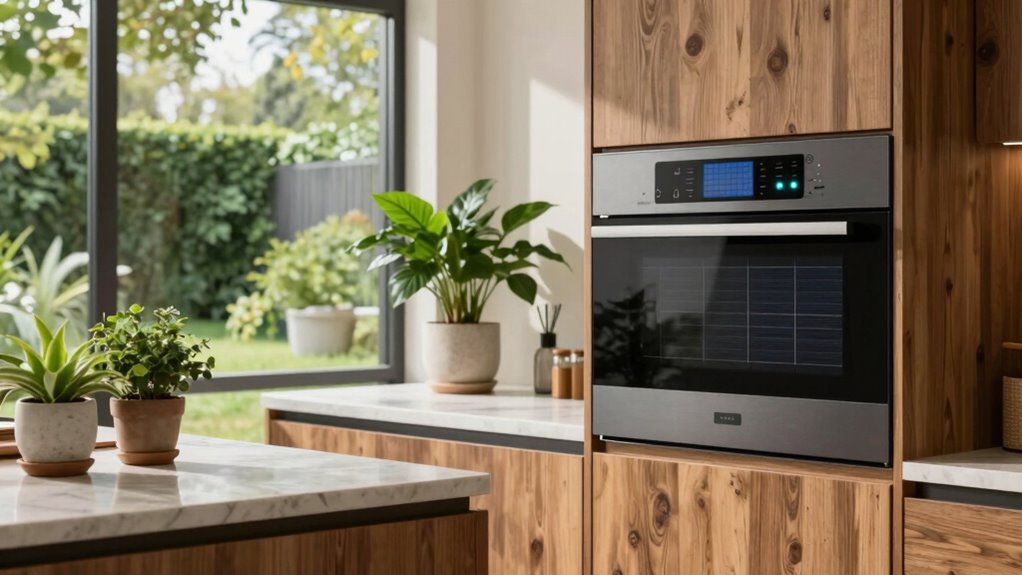

To upgrade your home sustainably, prioritize high-quality, energy-efficient appliances with ENERGY STAR labels and choose eco-friendly materials like reclaimed wood or bamboo. Focus on improving insulation and installing smart systems to reduce energy waste. Collaborate with contractors committed to eco-friendly practices and sourcing locally. Balance your immediate needs with long-term benefits, ensuring durability and environmental responsibility. If you want to explore more ways to make your home upgrades greener, keep exploring these strategies.

Get furniture and decor delivered free — and shop member deals
- Fast, free delivery on millions of items
- Access to Prime Big Deal Days deals on October 6–7
- Prime Video, Amazon Music and more included
Key Takeaways
- Prioritize energy-efficient appliances with ENERGY STAR labels to reduce long-term utility costs and environmental impact.
- Choose sustainably sourced, recycled, or reclaimed materials for renovations to minimize waste and support eco-friendly production.
- Implement smart home technologies like thermostats and insulation upgrades for optimized energy use and comfort.
- Work with contractors committed to eco-friendly practices, local sourcing, and waste recycling during construction.
- Focus on durability and quality to ensure high-ticket upgrades remain sustainable and cost-effective over time.

When considering high-ticket home upgrades, it’s easy to focus solely on aesthetics or functionality, but thinking more sustainably can make a significant difference. You want your investments to improve your home without compromising the environment. One way to do this is by choosing energy-efficient appliances. These appliances consume less electricity or water, reducing your utility bills and carbon footprint over time. When shopping for a new refrigerator, washer, or dishwasher, look for the ENERGY STAR label—this certification guarantees the product meets strict energy efficiency guidelines. Installing energy-efficient appliances might seem costly upfront, but the long-term savings on energy bills will often outweigh the initial expense. Plus, these appliances often come with advanced features that improve performance and convenience.
Another key element of sustainable upgrades is selecting eco-friendly materials. This means opting for products that are sustainably sourced, non-toxic, and have minimal environmental impact throughout their lifecycle. For instance, you could choose bamboo flooring instead of traditional hardwood, as bamboo grows quickly and regenerates faster than trees. When remodeling your kitchen or bathroom, consider countertops made from recycled glass or reclaimed wood—these materials reduce waste and add character to your space. Using eco-friendly paints and finishes is also *vital*, as they contain fewer volatile organic compounds (VOCs), which improve indoor air quality and protect your health. Additionally, choosing products with certifications like ENERGY STAR can help ensure your upgrades meet recognized sustainability standards. Incorporating sustainable sourcing practices during your project can further reduce environmental impact by supporting local and environmentally responsible suppliers. Being mindful of life cycle assessments can help you make better-informed decisions about the environmental impact of your upgrades from start to finish. Moreover, understanding the environmental impact of materials can guide you toward choices that truly support sustainability goals.
Beyond appliances and materials, think about how your overall home design can support sustainability. Installing smart thermostats allows you to optimize heating and cooling, reducing energy waste. Proper insulation and energy-efficient windows help maintain consistent indoor temperatures, decreasing the workload on your HVAC system. These upgrades not only lower your carbon footprint but also enhance comfort and resilience.
Remember that sustainability isn’t just about the products you buy; it’s about the entire process. Consider working with contractors who prioritize eco-friendly practices, such as recycling construction waste and sourcing materials locally. When you plan your upgrades, set clear goals for environmental impact, and prioritize quality and durability to guarantee your investments last. Small choices, like selecting energy-efficient appliances and eco-friendly materials, create a ripple effect—helping the planet while making your home more comfortable and cost-effective. In the end, thinking sustainably means balancing your immediate needs with a long-term vision for environmental responsibility, guaranteeing your high-ticket upgrades benefit both you and the earth.
As an affiliate, we earn on qualifying purchases.
Frequently Asked Questions
How Do I Measure the Environmental Impact of Home Upgrades?
You can measure the environmental impact of home upgrades by tracking energy and water savings over time. Focus on renewable energy installations like solar panels and water conservation measures such as low-flow fixtures. Use utility bills to compare pre- and post-upgrade consumption, and consider carbon footprint calculators to estimate reductions. This approach helps you see how your upgrades contribute to sustainability and make informed decisions for future improvements.
Are There Specific Certifications for Sustainable High-Ticket Upgrades?
You might find it surprising, but yes, there are certifications for sustainable upgrades. Look for labels like LEED, WELL, or Living Building Challenge, which recognize eco-friendly appliances and renewable materials. These certifications guarantee your high-ticket upgrades meet high environmental standards. By choosing certified products, you not only enhance your home’s sustainability but also contribute to a healthier planet, making your investment both smart and eco-conscious.
What Are Cost-Effective Ways to Make Upgrades More Eco-Friendly?
You can make upgrades more eco-friendly by choosing eco-friendly materials like recycled wood or low-VOC paints, which reduce environmental impact. Investing in energy-efficient appliances saves you money in the long run and lowers your carbon footprint. Additionally, consider upgrading insulation and windows to improve energy efficiency, and install smart thermostats to optimize heating and cooling. These steps make your home greener without substantially increasing costs.
How Can I Prioritize Upgrades for Maximum Sustainability Benefits?
You should prioritize upgrades that boost energy efficiency, such as better insulations and efficient windows, to maximize sustainability benefits. Focus on material selection by choosing eco-friendly, durable, and locally sourced materials to reduce environmental impact over time. These upgrades lower your energy consumption and carbon footprint, making your home more sustainable. By combining energy efficiency with thoughtful material choices, you’ll achieve the greatest long-term environmental benefits from your high-ticket upgrades.
What Are Common Mistakes to Avoid in Sustainable Home Renovations?
Avoid amateur mistakes by meticulously managing material sourcing, ensuring eco-friendly, ethically produced choices. Don’t delve into DIY projects without proper planning; rushing can lead to waste and inefficiency. Skipping sustainability standards or neglecting thorough research results in regretful renovations that lack genuine green benefits. Be vigilant about verifying suppliers and understanding material impacts. By balancing boldness with careful consideration, you prevent pitfalls and promote truly sustainable, satisfying upgrades that stand the test of time.
Conclusion
So, next time you’re contemplating that big home upgrade, remember it’s more than just a coincidence that sustainable choices often save money in the long run. Your decision to prioritize eco-friendly options aligns with a broader shift toward responsible living—something you might’ve unknowingly been preparing for all along. Ultimately, embracing sustainable upgrades isn’t just good for the planet; it’s a natural extension of your own thoughtful journey toward a better home and future.
Evergreen bestsellers Picks
bestsellers
As an affiliate, we earn on qualifying purchases.