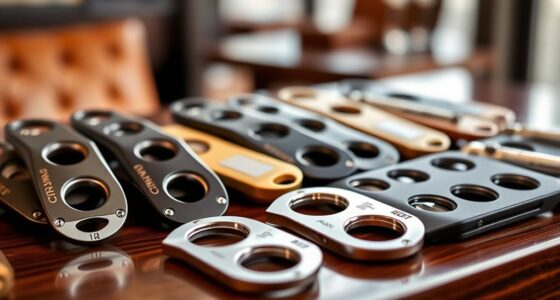
For a teenager who sleeps through ordinary alarms, the Sonic Alert Sonic Bomb Dual Alarm Clock with Bed Shaker is my best overall pick because it combines a loud alarm with a bed shaker. The Sharp Shockwave 105 dB Dual Alarm Clock stands out for a sound-first setup, while the REACHER Vibrating Alarm Clock suits households that want a vibration-focused option. The main tradeoff is whether to prioritize a forceful sound, a shaker that wakes without disturbing others, or added features such as lights and charging. Bed-shaker models also need a suitable place for the shaker and can be more involved to set up. Read on for the full comparison and advice on matching an alarm to a teenager’s sleeping habits.

Get furniture and decor delivered free with Prime
- Fast, free delivery on millions of items
- Prime Video, Amazon Music and more included
- Member-only deals all year
Complete the kit


Key Takeaways
- A combined sound-and-shaker design leads this lineup for varied waking needs: the Sonic Alert Sonic Bomb offers both, while single-method options suit narrower situations.
- Sound level is not the only measure of wake-up strength: 105 dB and 115 dB models emphasize loudness, but a bed shaker can be a better fit when sound alone has failed or could disturb others.
- Dual alarms matter most when wake times differ: models such as the Sharp Shockwave and Acedeck can support separate schedules, though extra settings may add setup steps.
- Lights and display features are secondary to waking method: RGB displays and night lights add visibility or atmosphere, but they do not replace an effective sound or vibration plan.
- The best choice depends on the room and sleeper: a moving clock such as CLOCKY may suit someone who dismisses alarms from bed, while an analog twin-bell model is a simpler, less feature-heavy alternative.
| Netzu Loud Vibrating Alarm Clock with RGB Display, Black |  | Best Overall for Flexible Wake-Up Modes | Alarm modes: Ring only, vibration and ring, or vibration only | Maximum alarm volume: 115 dB | Alarms: 2 | VIEW ON AMAZON | See Our Full Breakdown |
| CLOCKY Runaway Digital Alarm Clock for Heavy Sleepers |  | Best for Getting Out of Bed | Display: Digital | Power source: 4 AAA batteries | Movement: Rolling wheels; can be switched on or off | VIEW ON AMAZON | See Our Full Breakdown |
| Sharp Shockwave 105 dB Dual Alarm Clock |  | Best for Sound Choice and Backup | Alarm volume: 85, 95, or 105 dB | Alarm sounds: Air horn, school bell, train whistle, or beep | Alarms: Dual | VIEW ON AMAZON | See Our Full Breakdown |
| SolaceRise Extra-Loud Alarm Clock with Vibrating Bed Shaker |  | Best Rechargeable Shaker | Alarm volume: Up to 110 dB; 15 levels | Vibration: Bed shaker with 5 levels | Alarm sounds: 5 | VIEW ON AMAZON | See Our Full Breakdown |
| Sonic Alert Sonic Bomb Dual Alarm Clock with Bed Shaker |  | Best for Highly Adjustable Alerts | Maximum alarm volume: 113 dB | Shaker modes: Vibration, buzz, or vibration/buzz combination | Alarm duration: 1–59 minutes | VIEW ON AMAZON | See Our Full Breakdown |
| Cadmos Extra-Loud Digital Alarm Clock with RGB Display and Night Light |  | Best for a Bright, Feature-Rich Bedside Setup | Alarm volume: Up to 110 dB; 5 levels | Display: 6.3-inch LED; 2.17-inch-tall numbers | Display colors: 15 RGB colors | VIEW ON AMAZON | See Our Full Breakdown |
| Cadmos Digital Alarm Clock with Extra Loud Alarm, Large LED Display, and Rainbow Night Light |  | Best Value for Straightforward Loud Wake-Ups | Alarm volume: 105 dB; 3 adjustable levels | Display: 2-inch LED | Night light: 7-color dynamic rainbow glow | VIEW ON AMAZON | See Our Full Breakdown |
| AuroraCalm Extra Loud Digital Alarm Clock with Dual Alarms |  | Best for Multiple Wake-Up Cues | Alarm volume: Up to 115 dB; 6 levels | Alarm sounds: 6: Beep, Siren, Jackhammer, Music, Bird, Rooster | Alarms: Dual alarms | VIEW ON AMAZON | See Our Full Breakdown |
| REACHER Vibrating Alarm Clock for Heavy Sleepers |  | Best for Teens Who Need Bed-Shaking Vibration | Alarm volume: 110 dB | Wake-up modes: 3 | Vibration levels: 5 | VIEW ON AMAZON | See Our Full Breakdown |
| Peakeep 115 dB Super Loud Alarm Clock for Heavy Sleepers |  | Best for a Large, Easy-to-Read Display | Display: 3.75-inch digital LED; 1.3-inch numbers | Alarm volume: Up to 115 dB; 6 levels | Wake-up sounds: 6 | VIEW ON AMAZON | See Our Full Breakdown |
| Acedeck Digital Alarm Clock with 115 dB Alarm, Dual Alarms, and USB Charging |  | Best for a Simple, Very Loud Wake-Up | Display: 4.2-inch LED | Alarm volume: 115 dB | Alarm sounds: 6 | VIEW ON AMAZON | See Our Full Breakdown |
| Peakeep 4-Inch Twin Bell Analog Alarm Clock, Jewel Blue |  | Best Battery-Powered Analog Pick | Display: Analog | Alarm: Twin bell; rings for up to 50 minutes | Movement: Silent quartz | VIEW ON AMAZON | See Our Full Breakdown |
| Digital Alarm Clock with Bed Shaker for Heavy Sleepers |  | Best for a Large, Easy-to-Read Display | Display: 7.5-inch LED | Brightness: 5 adjustable levels | Alarm options: Sound, bed shaker, or both | VIEW ON AMAZON | See Our Full Breakdown |
| ANJANK Extra-Loud Dual Alarm Clock with Wireless Bed Shaker and Night Light |  | Best Premium Wake-Up Customization | Alarms: Dual | Alarm sounds: 8 | Maximum volume: 112 dB | VIEW ON AMAZON | See Our Full Breakdown |
| USCCE Dual Alarm Clock with Adjustable Bed Shaker |  | Best Value Shaker with Backup Memory | Display: LCD | Alarms: Dual | Shaker: Three adjustable vibration levels | VIEW ON AMAZON | See Our Full Breakdown |
| alarm clock for teenagers heavy sleeper | Display | Dimensions | Alarms | Alarm volume |
|---|---|---|---|---|
| Netzu Loud Vibrating Alarm Clo | Digital RGB, 5 brightness levels | 6.3 in W × 2.9 in H | 2 | — |
| CLOCKY Runaway Digital Alarm C | Digital | 3.5 in W × 3.5 in H | — | — |
| Sharp Shockwave 105 dB Dual Al | 0.9-inch red LED with 4 brightness levels | 5.53 in W × 3.17 in H | Dual | 85, 95, or 105 dB |
| SolaceRise Extra-Loud Alarm Cl | Digital LED with 5 brightness levels | 4.2 × 4.2 inches | — | Up to 110 dB; 15 levels |
| Sonic Alert Sonic Bomb Dual Al | Digital red display | 5.5 × 5.5 × 3 inches | — | — |
| Cadmos Extra-Loud Digital Alar | 6.3-inch LED; 2.17-inch-tall numbers | 6.5 × 3 inches | Dual alarm | Up to 110 dB; 5 levels |
| Cadmos Digital Alarm Clock wit | 2-inch LED | 6.7 × 3.11 inches | Dual alarm | 105 dB; 3 adjustable levels |
| AuroraCalm Extra Loud Digital | 1.2 inches; dimmable | 3.54 × 3.54 inches | Dual alarms | Up to 115 dB; 6 levels |
| REACHER Vibrating Alarm Clock | Adjustable brightness with auto-dimming | 4.3 × 4.3 inches | — | 110 dB |
| Peakeep 115 dB Super Loud Alar | 3.75-inch digital LED; 1.3-inch numbers | 4.6 × 2.7 inches | — | Up to 115 dB; 6 levels |
| Acedeck Digital Alarm Clock wi | 4.2-inch LED | 4.8 in W × 3.15 in H | Dual | 115 dB |
| Peakeep 4-Inch Twin Bell Analo | Analog | 4 in W × 6.5 in H | — | — |
| Digital Alarm Clock with Bed S | 7.5-inch LED | 6.82 in W × 3.39 in H | Two independent alarms | — |
| ANJANK Extra-Loud Dual Alarm C | — | — | Dual | — |
| USCCE Dual Alarm Clock with Ad | LCD | 4.27 in W × 4.12 in H | Dual | — |
More Details on Our Top Picks
Netzu Loud Vibrating Alarm Clock with RGB Display, Black
The Netzu is my strongest all-around pick for a teenager who may sleep through sound alone: its bed shaker can work with the alarm or on its own, and the sound is rated up to 115 dB. That flexibility gives it an advantage over the Sharp Shockwave, which offers several loud sounds but no shaker. Two alarms also help when a school-day schedule differs from a weekend one. The five brightness settings, including an off option, make the RGB display easier to adapt to a dark bedroom. The tradeoff is that the Netzu needs a nearby outlet, and the supplied details do not mention backup power. Choose it for varied waking cues, but consider the Sonic Alert Sonic Bomb if customizable snooze and alarm duration matter more.
Pros:- Bed shaker works with ring, vibration, or combined alarm modes
- Alarm is rated up to 115 dB
- Two alarms support different weekday and weekend schedules
- Five display brightness levels include an off setting
Cons:- Requires a corded power source
- No battery-backup information is provided
Best for: Teenagers who sleep through ordinary alarms and need a choice of loud sound, bed-shaker vibration, or both.
Not ideal for: Teens who need an alarm to keep working through power outages, since backup-battery support is not specified.
- Alarm modes:Ring only, vibration and ring, or vibration only
- Maximum alarm volume:115 dB
- Alarms:2
- Display:Digital RGB, 5 brightness levels
- Time format:12-hour or 24-hour
- Power source:Corded electric
- Dimensions:6.3 in W × 2.9 in H
- Weight:0.36 kg
Our verdict“I’d choose the Netzu for a heavy sleeper who needs more than one kind of wake-up cue and can keep it plugged in.”
CLOCKY Runaway Digital Alarm Clock for Heavy Sleepers
Clocky takes a different approach from the Netzu and Sonic Alert Sonic Bomb: instead of adding a bed shaker or flashing lights, it rolls away when its wheels are enabled, making the sleeper get up to silence it. That physical prompt may suit a teen who habitually reaches over to snooze without fully waking. Its wheels can be switched off, so it can also behave more like a conventional alarm when needed. The format is deliberately playful, but it is not a quiet or subtle solution, and the available details do not give a decibel rating or a choice of alarm sounds. It runs on four AAA batteries, so remember battery replacement. With only one snooze setting, it is less adjustable than the Sonic Alert’s variable snooze timer.
Pros:- Rolling movement prompts the sleeper to leave the bed
- Wheels can be switched on or off
- Battery-powered, so it does not need to sit by an outlet
- Includes a snooze setting
Cons:- Requires four AAA batteries
- One snooze setting offers less control than the Sonic Alert Sonic Bomb
- Rolling alarm may disturb other people in the room
Best for: Teens who repeatedly silence bedside alarms while half-asleep and are willing to get out of bed to catch one.
Not ideal for: Light sleepers, shared bedrooms, or anyone who wants a bed shaker, precise volume adjustment, or a stationary clock.
- Display:Digital
- Power source:4 AAA batteries
- Movement:Rolling wheels; can be switched on or off
- Alarm:Loud alarm with one-snooze setting
- Mounting type:Tabletop
- Dimensions:3.5 in W × 3.5 in H
- Weight:0.29 kg
- Warranty:90-day limited warranty
Our verdict“I’d pick Clocky for a teen who sleeps through ordinary alarms because getting up is the point, not for someone who wants a calmer bedside wake-up.”
Sharp Shockwave 105 dB Dual Alarm Clock
The Sharp Shockwave is the sound-focused alternative to the Netzu: it offers four distinct alarm sounds and three volume levels up to 105 dB, but no bed shaker. Being able to choose an air horn, school bell, train whistle, or beep can help a teen find a sound that cuts through sleep without committing to the Netzu’s higher stated maximum. Its dual alarms and nine-minute snooze suit changing school and weekend routines. A two-AA backup preserves the time and alarms during an outage, a useful distinction from the Netzu, though the display stays dark and batteries are sold separately. The red LED has four brightness levels. Choose this for sound variety and basic outage protection, not for tactile waking.
Pros:- Four selectable alarm sounds offer different auditory cues
- Three volume settings reach up to 105 dB
- Dual alarms and nine-minute snooze support varied routines
- Optional battery backup preserves time and alarms during an outage
Cons:- No bed shaker or other tactile alert is listed
- Backup batteries are sold separately
- Display does not light when running on backup batteries
Best for: Teens who respond better to a particular alarm sound and need separate alarm settings for different schedules.
Not ideal for: Heavy sleepers who need vibration from a bed shaker or want the clock display visible during a power outage.
- Alarm volume:85, 95, or 105 dB
- Alarm sounds:Air horn, school bell, train whistle, or beep
- Alarms:Dual
- Snooze:9 minutes
- Display:0.9-inch red LED with 4 brightness levels
- Power:Corded electric, 110/120V
- Backup:2 AA batteries, sold separately; display remains off
- Dimensions:5.53 in W × 3.17 in H
Our verdict“I’d choose the Sharp for a teen who needs loud, selectable sounds and dual alarms, but not for one who sleeps through sound alone.”
SolaceRise Extra-Loud Alarm Clock with Vibrating Bed Shaker
SolaceRise combines a loud alarm with a five-level bed shaker, making it a practical choice when sound alone has not worked. Compared with the corded Netzu, its rechargeable design is easier to move between a bedroom and travel bag; its compact 4.2-inch form also helps keep a nightstand clear. Fifteen volume levels and five alarm sounds give a family more room to tune the wake-up than the Sharp’s three volume settings. The tradeoff is its stated battery life: up to 29 hours per charge means it needs regular recharging rather than being treated as a long-running backup. It also lists no dual alarms, unlike the Netzu and Sharp. I’d favor it for portability and adjustable vibration, but choose a plug-in model for fewer charging routines.
Pros:- Combines sound up to 110 dB with a bed shaker
- Five vibration levels and 15 volume levels allow fine adjustment
- Rechargeable design is easier to move than the corded Netzu
- Five alarm sounds and five display brightness levels
Cons:- Battery lasts up to 29 hours per charge, so it requires regular recharging
- Dual alarms are not listed
- No backup-battery behavior is specified
Best for: Teens who want a bed shaker and loud alarm in a portable, rechargeable clock for bedroom use or travel.
Not ideal for: Families who want dual alarms or a clock that can stay plugged in without routine battery charging.
- Alarm volume:Up to 110 dB; 15 levels
- Vibration:Bed shaker with 5 levels
- Alarm sounds:5
- Display:Digital LED with 5 brightness levels
- Battery life:Up to 29 hours per charge
- Power source:Rechargeable battery and electric
- Dimensions:4.2 × 4.2 inches
- Weight:7.2 ounces
Our verdict“I’d choose SolaceRise for a teen who needs adjustable shaker vibration and portable power, provided someone will keep it charged.”
Sonic Alert Sonic Bomb Dual Alarm Clock with Bed Shaker
The Sonic Alert Sonic Bomb is the most adjustable choice here for families who want to tune both the alarm and the wake-up routine. Its sound reaches 113 dB, while the included shaker offers vibration, buzz, or a combination; flashing alert lights add another cue. Unlike the simpler Netzu, it lets you set alarm duration from one to 59 minutes and snooze from one to 30 minutes. That control can suit a teen who needs a longer alert, though it also creates more settings to manage. The clock is corded, and its separate 9V backup battery is required, so it is less convenient than rechargeable SolaceRise for travel. For a teen needing loud sound and tactile alerts, it brings more timing control than the other shaker options listed here.
Pros:- Alarm sound is adjustable up to 113 dB
- Shaker offers vibration, buzz, and combined modes
- Flashing lights add a visual alert
- Alarm duration and snooze time are adjustable
Cons:- Requires a corded electrical connection
- Separate 9V backup battery is required
- More timing options may take extra setup compared with the Netzu
Best for: Heavy sleepers who need a loud alarm plus a bed shaker and want control over alert duration and snooze length.
Not ideal for: Teens who need a rechargeable travel clock or families seeking a simple, low-setup alarm.
- Maximum alarm volume:113 dB
- Shaker modes:Vibration, buzz, or vibration/buzz combination
- Alarm duration:1–59 minutes
- Snooze time:1–30 minutes
- Display:Digital red display
- Power source:Corded electric
- Backup battery:One 9V battery required
- Dimensions:5.5 × 5.5 × 3 inches
Our verdict“I’d choose the Sonic Bomb for a heavy sleeper who benefits from layered alerts and adjustable timing, not for someone prioritizing portability.”
Cadmos Extra-Loud Digital Alarm Clock with RGB Display and Night Light
The Cadmos pairs a 110 dB alarm with five volume levels, giving a teenager room to start at a tolerable setting and raise it if softer alarms fail. Its 6.3-inch display with tall digits is easier to read from across a room than the AuroraCalm’s smaller 1.2-inch display, while dual alarms can handle different school-day and weekend schedules. The RGB display, seven-color night light, and two USB ports make it the most feature-packed bedside option in this group. The tradeoff is that it relies on outlet power for normal use, and the AAA backup batteries are not included. I’d pick the Peakeep instead if sound choices and a simpler display matter more than color and extra charging ports.
Pros:- Alarm reaches 110 dB and has five volume settings
- Large digits and adjustable display brightness aid visibility
- Dual alarms support separate wake times
- Two USB output ports can charge bedside devices
Cons:- Three AAA backup batteries are not included
- Requires outlet power for regular operation
- Multiple lighting and color settings may be distracting in a dark bedroom
Best for: Teenagers who need a very loud, adjustable alarm, an easy-to-read display, and bedside USB charging for more than one device.
Not ideal for: Anyone seeking a cordless clock or a low-clutter display; regular operation requires outlet power, and the RGB lighting adds visual activity.
- Alarm volume:Up to 110 dB; 5 levels
- Display:6.3-inch LED; 2.17-inch-tall numbers
- Display colors:15 RGB colors
- Night light:7 colors
- Alarms:Dual alarm
- Charging:2 USB output ports, DC 5V/1A
- Backup power:3 AAA batteries, not included
- Dimensions:6.5 × 3 inches
Our verdict“Choose the Cadmos if you want a loud, highly adjustable clock with a large display and extra bedside charging, rather than the Peakeep’s sound-focused setup.”
Cadmos Digital Alarm Clock with Extra Loud Alarm, Large LED Display, and Rainbow Night Light
This Cadmos keeps the core heavy-sleeper features straightforward: a 105 dB alarm with three volume levels, large digits, and dual alarms for weekday and weekend routines. Its 2-inch display is prominent without taking up much more bedside space than the AuroraCalm, whose compact body comes with a much smaller 1.2-inch display. A seven-color night light and USB charging port add useful extras, but this model is less adjustable than the Cadmos RGB clock, which has five alarm-volume levels and two USB ports. The included CR2032 battery backs up settings, though the clock still needs USB power for normal operation. I’d choose this one for a teen who wants a loud, legible alarm without the larger RGB model’s extra controls.
Pros:- 105 dB alarm with three adjustable volume levels
- Large 2-inch LED digits are easy to see from a distance
- Dual alarms suit weekday and weekend schedules
- Includes a CR2032 backup battery and has a USB charging port
Cons:- Requires USB power for regular operation
- Only three alarm-volume levels provide less fine adjustment than the Cadmos RGB clock
- Plastic construction may not suit buyers seeking a more substantial finish
Best for: Teenagers who need a loud alarm and large digits, plus separate school-day and weekend wake times, in a relatively simple bedside clock.
Not ideal for: Heavy sleepers who need the highest available alarm output or finer volume control; the Cadmos RGB and Peakeep offer more volume levels and stronger listed output.
- Alarm volume:105 dB; 3 adjustable levels
- Display:2-inch LED
- Night light:7-color dynamic rainbow glow
- Alarms:Dual alarm
- Snooze:9 minutes
- Charging:1 USB charging port
- Backup battery:1 CR2032 battery, included
- Dimensions:6.7 × 3.11 inches
Our verdict“Pick this Cadmos for a simple, loud dual-alarm clock with large digits, but choose the Peakeep or Cadmos RGB for stronger output or more volume adjustment.”
AuroraCalm Extra Loud Digital Alarm Clock with Dual Alarms
The AuroraCalm’s main distinction is not just its 115 dB maximum alarm, but the option to choose among six sounds and add a red flashing alert light. That combination gives a heavy sleeper more ways to notice wake-up time than the Cadmos G10, which has a lower listed maximum and a rainbow night light rather than a dedicated flashing alert. Dual alarms help separate school and non-school schedules, and backup power retains the time and alarm settings. The compact body is easy to fit on a nightstand, but its 1.2-inch display is notably smaller than the Peakeep’s 3.75-inch screen. The display also turns off in backup mode, and the clock needs corded power for everyday use.
Pros:- Up to 115 dB with six alarm sounds and six volume levels
- Red flashing alert adds a visual wake-up cue
- Dual alarms support separate schedules
- Backup retains time and alarm settings during power interruptions
Cons:- The 1.2-inch display is smaller than the Peakeep’s display
- Display remains off while operating on battery backup
- Requires corded power for normal operation
Best for: Teenagers who respond better to varied sounds and a visual flashing cue than to a single alarm tone.
Not ideal for: Anyone who needs large, easily readable digits from across the room or a clock that displays the time during battery backup.
- Alarm volume:Up to 115 dB; 6 levels
- Alarm sounds:6: Beep, Siren, Jackhammer, Music, Bird, Rooster
- Alarms:Dual alarms
- Display:1.2 inches; dimmable
- Alert light:Red flashing light
- Night light:7 colors
- Backup:Retains time and alarm settings; display off in backup mode
- Dimensions:3.54 × 3.54 inches
Our verdict“Choose the AuroraCalm if different alarm sounds and a flashing alert may help wake a teen, but favor the Peakeep if display size is the priority.”
REACHER Vibrating Alarm Clock for Heavy Sleepers
For a teenager who sleeps through sound, the REACHER adds something the Cadmos and Peakeep do not: a cordless vibration motor that can be used under a pillow. It offers three wake-up modes and five vibration levels, so a buyer can select vibration alone, sound, or a combination rather than relying only on a louder speaker. The listed 110 dB alarm also gives it a sound-based fallback. Its auto-dimming display and tactile buttons suit a bedside routine, though its 4.3-inch footprint is larger than the AuroraCalm’s compact square body. This added wake-up flexibility comes with more power complexity: it uses a rechargeable design and the specifications also call for a separate AA battery. I’d prioritize this over a sound-only clock when vibration is the deciding factor.
Pros:- Offers sound, vibration-only, and combined wake-up modes
- Cordless vibration motor can be placed under a pillow
- Five vibration levels allow wake-up intensity adjustment
- Auto-dimming display and tactile controls suit nighttime use
Cons:- Specifications call for a separate AA battery
- Rechargeable setup and magnetic dock add charging steps
- Larger bedside footprint than the AuroraCalm
Best for: Teenagers who routinely sleep through alarms and may respond to a vibrating unit placed under a pillow.
Not ideal for: Buyers who want a simple plug-in clock with no separate battery requirement or who do not want a device placed in or near bedding.
- Alarm volume:110 dB
- Wake-up modes:3
- Vibration levels:5
- Power:Rechargeable battery and electric
- Battery requirement:1 AA battery
- Charging:Magnetic charging dock
- Display:Adjustable brightness with auto-dimming
- Dimensions:4.3 × 4.3 inches
Our verdict“Choose the REACHER when vibration is more promising than simply raising alarm volume, and select a sound-only model if you want a simpler setup.”
Peakeep 115 dB Super Loud Alarm Clock for Heavy Sleepers
The Peakeep stands out for pairing a 115 dB alarm with six volume levels and a 3.75-inch display, making it a strong sound-first choice for a teen who wants to read the time at a glance. Its six alarm sounds give more choice than the Cadmos G10, while its display is much larger than the AuroraCalm’s compact 1.2-inch screen. Brightness can be controlled automatically or manually, and the screen-off option helps limit light in a dark bedroom. A USB charging port is convenient, but it has just one, compared with two on the Cadmos RGB. It also relies on outlet power for normal use, and the AAA backup batteries are not included; during backup, the time is not displayed.
Pros:- Alarm reaches 115 dB with six volume levels
- Six wake-up sounds offer alternatives to a single tone
- Large 3.75-inch display has automatic and manual brightness control
- USB charging port and battery backup add bedside utility
Cons:- Three AAA backup batteries are not included
- Time is not displayed while running on backup batteries
- No vibration mode for sleepers who miss sound-based alarms
Best for: Teenagers who need a high-output alarm, several sound options, and large digits that remain easy to read across a bedroom.
Not ideal for: Anyone who wants vibration as a second wake-up method, a cordless clock, or a visible time display during a power outage.
- Display:3.75-inch digital LED; 1.3-inch numbers
- Alarm volume:Up to 115 dB; 6 levels
- Wake-up sounds:6
- Brightness:Automatic and manual control; screen-off option
- Power:Corded electric, 110–240 V adapter
- Backup batteries:3 AAA batteries, not included
- Charging:1 USB charging port
- Dimensions:4.6 × 2.7 inches
Our verdict“Pick the Peakeep for a loud, sound-focused alarm and oversized display; choose the REACHER instead if vibration is needed as an additional wake-up cue.”
Acedeck Digital Alarm Clock with 115 dB Alarm, Dual Alarms, and USB Charging
The Acedeck focuses on high-volume sound rather than vibration, making it a straightforward pick for a teen who sleeps through ordinary alarms but does not need a bed shaker. Its listed 115 dB alarm and six sound choices offer more variety than a basic buzzer, while dual alarms can separate school mornings from weekend plans. Compared with the Peakeep twin-bell clock, this digital model is easier to read and offers adjustable brightness; the Peakeep, by contrast, runs on a single AA battery and does not rely on wall power for normal operation. Acedeck also adds a USB charging port, but its AAA backup only preserves settings during an outage. Skip it if vibration is the key wake-up method or if a battery-powered clock is preferred.
Pros:- Listed 115 dB alarm targets sleepers who miss quieter alarms
- Six alarm sounds and dual alarms provide wake-up choices and separate schedules
- Adjustable brightness helps tailor the display for a bedroom
- USB port can charge a phone at the bedside
Cons:- Requires AC power for normal operation
- AAA batteries preserve settings only and are not rechargeable in the clock
- No bed shaker for sleepers who need tactile stimulation
Best for: Teens who need a loud bedside alarm, two wake times, and a readable digital display, with an outlet available nearby
Not ideal for: Heavy sleepers who respond better to bed vibration, or teens who need the clock to operate normally without wall power
- Display:4.2-inch LED
- Alarm volume:115 dB
- Alarm sounds:6
- Alarms:Dual
- Power:AC power with AAA battery backup
- USB port:Yes
- Dimensions:4.8 in W × 3.15 in H
Our verdict“Choose the Acedeck for a loud, feature-simple digital alarm with dual schedules, but pick a shaker model if sound alone has not been enough.”
Peakeep 4-Inch Twin Bell Analog Alarm Clock, Jewel Blue
The Peakeep offers a different kind of wake-up from the digital alarms in this roundup: a twin-bell ring that can continue for up to 50 minutes, without a ticking quartz movement disturbing sleep beforehand. Its battery-powered design makes it a practical choice for a bedside table without an outlet, unlike the Acedeck, which needs AC power for normal operation. The tradeoff is a less flexible routine: there is one analog alarm, no adjustable sound selection, and the alarm must be switched off manually. A light button helps check the time at night, though it is not an always-visible LED display like the Acedeck’s. I’d choose this for a teen who prefers a simple, unplugged clock; those who need multiple alarms or vibration should look at the digital shaker options instead.
Pros:- Twin-bell alarm can ring for up to 50 minutes
- Silent quartz movement avoids ticking noise overnight
- Metal case and compact tabletop footprint
- Light button makes the analog face easier to check at night
Cons:- One AA battery is required and is not included
- Alarm must be turned off manually
- Single analog alarm lacks the scheduling flexibility of digital dual-alarm models
Best for: Teens who want a simple, outlet-free bedside clock with a persistent mechanical-style ring and quiet movement
Not ideal for: Teens who need dual alarms, digital time visibility, adjustable alarm sounds, or a bed shaker
- Display:Analog
- Alarm:Twin bell; rings for up to 50 minutes
- Movement:Silent quartz
- Power:1 AA battery (not included)
- Battery life:Up to 8 months
- Material:Metal
- Dimensions:4 in W × 6.5 in H
Our verdict“Pick the Peakeep if your teen wants a quiet, battery-operated analog clock with a sustained ring rather than digital controls or vibration.”
Digital Alarm Clock with Bed Shaker for Heavy Sleepers
This clock suits a teen who needs both a visible time display and a wake-up option beyond sound: it can use alarm sound, a bed shaker, or both. The 7.5-inch LED display is much larger than the Acedeck’s 4.2-inch screen, which can make the time easier to read from across a room, and five brightness levels offer some control over nighttime glare. Two independent alarms and a 9-minute snooze support different school or activity schedules. Its shaker gives it an advantage over the sound-only Acedeck, but the listed sound may disappoint buyers seeking an especially loud alarm. The display also stays on during normal use, and backup batteries preserve settings rather than powering the clock. Choose it for display size and wake-up flexibility, not for a blackout-ready screen.
Pros:- Sound, bed shaker, or combined alarm modes add wake-up flexibility
- Large 7.5-inch display is easy to read from farther away
- Five brightness levels help tune nighttime visibility
- Two independent alarms and 9-minute snooze suit changing schedules
Cons:- Sound may not be loud enough for people who need an especially loud alarm
- Display remains on during normal operation
- AAA backup batteries preserve settings but do not power the display
Best for: Teens who need a large time display and want to combine a bed shaker with sound or set two independent alarms
Not ideal for: Sleepers seeking a very loud sound-only alarm, or families who need the display to keep running during a power outage
- Display:7.5-inch LED
- Brightness:5 adjustable levels
- Alarm options:Sound, bed shaker, or both
- Alarms:Two independent alarms
- Snooze:9 minutes
- Power:AC, 100–240V
- USB charging:5V/1A
- Dimensions:6.82 in W × 3.39 in H
Our verdict“Choose this model over the Acedeck when a large display and bed shaker matter more than a particularly forceful sound alarm.”
ANJANK Extra-Loud Dual Alarm Clock with Wireless Bed Shaker and Night Light
The ANJANK combines a 112 dB alarm with a wireless bed shaker, so a teen can use sound, vibration, or both rather than relying on one wake-up cue. Its shaker has three intensity levels and a stated range of up to 10 meters, while eight sounds and ten volume levels offer more adjustment than the Peakeep’s fixed twin-bell alarm. The dimmable multicolor display and night light also give it more bedroom customization than the simpler Acedeck. That flexibility comes with a catch: it requires the included adapter and has no battery backup, so a power outage can interrupt its normal operation. I’d favor this model for families who want multiple wake-up and lighting settings; skip it if dependable battery-backed operation matters more than customization.
Pros:- Combines a listed 112 dB alarm with a wireless bed shaker
- Eight sounds, ten volume levels, and three vibration intensities allow wake-up adjustment
- Display dimmer and multicolor night light provide broad lighting control
- USB-C output can charge a phone
Cons:- No battery backup; the clock depends on wall power
- Requires the included adapter for operation
- Wireless shaker needs charging and must remain within its stated range
Best for: Teens who need both loud sound and adjustable bed vibration, plus customizable display and night-light settings
Not ideal for: Families who want alarm operation to continue through a power outage or prefer a less feature-heavy clock
- Alarms:Dual
- Alarm sounds:8
- Maximum volume:112 dB
- Vibration:3 intensity levels; wireless range up to 10 m (32.8 ft)
- Shaker battery:1500 mAh rechargeable
- Display dimmer:0–100%
- Night light:9 colors and 6 brightness levels
- Power:Corded electric; adapter included; no battery backup
Our verdict“Choose the ANJANK when your teen needs configurable sound and vibration, but avoid it if blackout backup is a priority.”
USCCE Dual Alarm Clock with Adjustable Bed Shaker
The USCCE is the most compact shaker option in this group, pairing three vibration levels with buzzer, bird, or music alarms. That makes it more adaptable than the Peakeep’s single twin-bell sound, while its smaller tabletop footprint is easier to fit beside a phone or school supplies. Two alarms, adjustable display brightness, and a 9-minute snooze cover everyday routines without the ANJANK’s extra night-light and wireless-shaker controls. Its AAA backup preserves settings during an outage, but it does not keep the shaker or USB charging available, so it is not a fully battery-powered fallback. This is a sensible match for teens who want vibration and basic sound choices in a compact clock; those who need a very loud stated alarm or wireless shaker should compare the ANJANK instead.
Pros:- Three vibration levels give teens a choice of shaker intensity
- Dual alarms and buzzer, bird, or music options support different routines
- Brightness adjusts from 0% to 100%
- AAA backup preserves clock settings and alarms during an outage
Cons:- Backup batteries do not power vibration or USB charging
- AAA batteries are not included
- The product data does not specify an alarm volume in decibels
Best for: Teens who want a compact clock with adjustable bed vibration, dual alarms, and basic sound choices
Not ideal for: Buyers seeking a published high-decibel alarm, wireless shaker, or full operation during a power outage
- Display:LCD
- Alarms:Dual
- Shaker:Three adjustable vibration levels
- Alarm sounds:Buzzer, bird, or music
- Display brightness:Adjustable from 0% to 100%
- Snooze:9 minutes
- Battery backup:2 AAA batteries (not included); preserves settings
- Dimensions:4.27 in W × 4.12 in H
Our verdict“Pick the USCCE for a compact, straightforward shaker clock with setting memory, but choose the ANJANK if wireless vibration or more lighting controls are worth the added complexity.”

How We Picked
I compared the 15 listed clocks by how directly they address the main problem: a teenager sleeping through an alarm. The ranking gives priority to wake-up methods, including loud sound, bed-shaker vibration, and combinations of both; the ability to set separate alarms; and practical details such as display legibility, night lighting, charging, and setup. I also weighed whether a design offers a meaningful difference for a particular household, rather than treating decorative features as a substitute for waking performance.
The order favors versatile options that can serve more than one sleeping or household need, followed by focused picks for sound-first, vibration-first, compact, or simpler use. Product names and listed features provide the basis for comparison; I do not claim independent testing or assume that a stated loudness will wake every sleeper. Each model has tradeoffs, so the rankings should be read as a way to narrow choices—not as a guarantee that one alarm works for every teenager.
Factors to Consider When Choosing Alarm Clock For Teenagers Heavy Sleeper
Before choosing an alarm, think about what has caused missed wake-ups so far: insufficient volume, sleeping through sound, switching an alarm off while half-asleep, or needing to avoid waking someone else. That distinction matters more than a long feature list. These factors can help you choose a setup the teenager will use consistently.
Match the wake-up method to the problem
If a teenager sleeps through ordinary beeps, simply choosing another sound-first clock may not change much. A bed shaker adds a physical cue, and a model combining vibration with sound gives households more than one signal. For a shared bedroom, vibration may reduce disruption to someone in the same room, but placement and mattress type can affect how noticeable it feels. Ask the teenager where they sleep and whether a shaker can sit securely under the mattress or pillow. A sound-only model may be easier to set up and suit someone who wakes to a louder tone. Choose the method that addresses the pattern of missed alarms, not the one with the longest feature list.
Treat decibel claims as one part of the decision
A high decibel figure can help compare sound-focused clocks, but it does not predict exactly how a particular person will respond. Room size, distance, closed doors, hearing, and the clock’s position all affect how loud an alarm seems at the bed. A clock placed across the room may be harder to silence without getting up, though that arrangement only helps if the teenager can still hear it. Consider whether a bed shaker or dual wake method offers a more practical backup than relying on volume alone. Also think about other people in the home before choosing the loudest available option. The goal is a reliable wake-up routine, not simply the biggest number on the box.
Choose dual alarms only if schedules call for them
Separate alarms are useful when a teenager needs different wake times on school days and weekends, or when two people share a clock. They can also prevent the daily chore of changing one alarm and forgetting to reset it. But extra alarm settings can make operation less intuitive, especially for a teen who needs to adjust the clock quickly before bed. Check how the alarms are controlled and whether the display makes the active setting easy to recognize. If there is only one consistent wake time, a simpler clock may be less fiddly. Avoid paying attention to the word “dual” unless the household will use the second schedule.
Check display brightness and bedroom conditions
Large displays are easier to read across a bedroom, but a bright screen can be distracting in a dark room. A dimmer or adjustable display is useful when visibility and sleep comfort pull in opposite directions. Night lights and colorful displays add orientation and style, yet they should not be mistaken for features that make an alarm more effective. Before buying, consider where the clock will sit, how far away it will be, and whether the teen prefers a dark room. A bright bedside display may also be unwelcome to a roommate or sibling. Prioritize clear controls and readable time over decorative lighting if the room is already well lit.
Plan for power, placement, and daily use
Vibrating clocks need a stable spot for the unit and a suitable place for the shaker; check whether the cable can reach the bed without becoming a snag hazard. A teen who moves the clock between rooms may prefer fewer connected parts, while a permanent bedside setup can accommodate a separate shaker more easily. USB charging can reduce outlet clutter, but it does not replace checking what power source the alarm itself requires. Consider who will set the clock, whether controls are easy to reach, and how settings behave after a power interruption. Parents should also agree on an alarm volume that wakes the teen without creating avoidable disruption. A setup that is simple to maintain is more likely to be used every night.
Decide whether a more active alarm is worth the hassle
Some sleepers turn off an alarm without fully waking, which is a different problem from failing to hear it. A moving design such as a runaway clock may prompt the sleeper to get out of bed to silence it, while a shaker focuses on delivering a stronger cue from the bedside. The moving approach can be less suitable in a small or cluttered room, where the clock needs space to travel and could be knocked or lost. Before choosing one, check whether the floor and furniture arrangement support that routine. If getting out of bed is already the goal, placing a standard alarm farther away may provide a simpler first step. Reserve a more elaborate design for a teenager who needs help resisting the snooze-or-switch-off habit.
Frequently Asked Questions
Should I choose a bed shaker or a louder alarm for a teenager who sleeps through alarms?
Start with what the teenager misses now. If ordinary sounds are not enough, a shaker adds a physical signal; if the bedroom allows a loud alarm without disturbing others, a sound-focused model may be simpler. A combined sound-and-shaker clock gives more flexibility, but it also adds setup and placement needs. Shaker strength can feel different depending on where it sits and the bed, so do not assume every sleeper will respond the same way. If possible, choose a return policy that allows a practical fit check.
Will a 105 dB or 115 dB clock wake every heavy sleeper?
No alarm can be guaranteed to wake every person. Perceived loudness depends on distance, room layout, hearing, doors, and the sound itself, so a listed decibel level is not a promise of an outcome. A clock positioned close to the bed may be more noticeable than one across the room, but that may also disturb others. For a teenager who has repeatedly slept through sound, consider adding vibration rather than relying only on a higher number. Treat loudness as a comparison point, not a certainty.
Is a bed-shaker alarm a good choice for a teenager sharing a room?
It can be a useful option when sound alarms disturb a sibling or roommate, since vibration provides a wake-up cue at the bed. The benefit depends on whether the teenager notices the shaker and whether it can be placed securely. Check cord routing, available space, and whether the clock can still be heard as a backup. A sound-and-shaker model offers that flexibility, while a vibration-focused design may better suit households trying to limit room-wide noise. Discuss the alarm plan with the other person sharing the room before settling on a setting.
Does a teenager need a dual-alarm clock?
Dual alarms are useful when school-day and weekend wake times differ, or when two people need separate schedules. They can cut down on resetting the alarm each evening, which may prevent a missed morning caused by a forgotten adjustment. If the teenager uses one regular wake time, a second alarm may add controls without adding much value. Check whether it is easy to tell which alarm is active, since confusing settings can create their own missed wake-ups. Choose based on actual routines rather than the feature label alone.
Should I buy a moving alarm clock for a teen who keeps hitting snooze?
A moving clock may help when the main issue is switching an alarm off without getting out of bed, because the sleeper has to move to silence it. It is less directly suited to someone who does not hear alarms in the first place; a shaker or combined alarm may address that problem better. The clock also needs clear floor space and may be inconvenient in a crowded bedroom. A standard alarm placed farther from the bed can be a simpler way to encourage standing up. Pick the moving design only if the room layout and the teen’s habits make its extra motion useful.
Conclusion
For the broadest range of heavy-sleeper needs, I recommend the Sonic Alert Sonic Bomb Dual Alarm Clock with Bed Shaker as the best overall pick, since its sound-and-vibration approach is more adaptable than relying on one cue. For a sound-first setup, the Sharp Shockwave 105 dB Dual Alarm Clock is the standout; the Peakeep 115 dB Super Loud Alarm Clock is another option for households focused on loudness. My value-oriented choice is the Netzu Loud Vibrating Alarm Clock with RGB Display for shoppers seeking sound, vibration, and a clear display in one device, while the Sonic Bomb is the premium-style pick for those who want a more versatile wake-up setup. Beginners who prefer straightforward operation can start with the Peakeep 4-Inch Twin Bell Analog Alarm Clock, provided a traditional ringing alarm suits the sleeper. For teens who silence alarms without getting up, consider CLOCKY; for a shared room where noise is a concern, look toward vibration-focused choices such as REACHER. Match the clock to the reason alarms are being missed, and prioritize a usable nightly routine over extra features.