The best books on interior design combine ideas you can use with guidance that fits the way you live. I rank The New Design Rules as the best overall pick for its start-to-finish approach, while Home: The Foundations of Enduring Spaces stands out for readers who want a grounding in design principles, and Your Space, Made Simple suits practical, budget-aware projects. The main tradeoff is between hands-on instruction and visual inspiration: a technical guide can help with decisions, while a style-led book may be better for finding your taste. Other picks focus on specific priorities, from calm, nature-inspired rooms to maximalist color and outdoor living. Read on for the full breakdown and help matching a book to your project.

Get furniture and decor delivered free with Prime
- Fast, free delivery on millions of items
- Prime Video, Amazon Music and more included
- Member-only deals all year
Complete the kit


Key Takeaways
- The New Design Rules ranks first because its start-to-finish scope makes it a useful reference across decorating and renovation decisions, not just a source of room inspiration.
- Home: The Foundations of Enduring Spaces offers a stronger foundation in design principles, while The Interior Design Handbook is a more direct choice for furnishing, decorating, and styling tasks.
- Several books center the emotional effect of a room: The Harmonious Home takes a nature-led approach, while Home Therapy connects interiors with calm and well-being.
- Readers drawn to visual direction can choose by aesthetic: Made for Living surveys varied styles, whereas Old Brand New champions colorful, maximalist homes.
- The list includes narrower guides for specific needs, including lasting furniture and textiles, approachable sustainable design, and outdoor spaces; a focused book may be more useful than a broad one when the project is clearly defined.
| The New Design Rules: How to Decorate and Renovate, from Start to Finish |  | Best for Project Planning | Format: Book | Subject: Interior design | Topics: Decorating and renovating | VIEW ON AMAZON | See Our Full Breakdown |
| Call It Home: The Details That Matter | 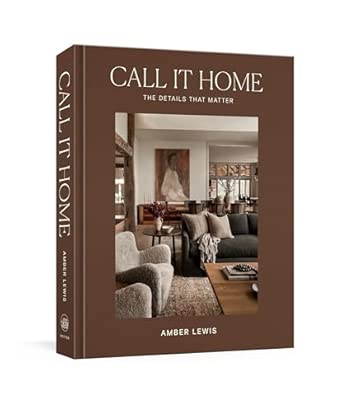 | Best for Detail-Focused Readers | Title: Call It Home: The Details That Matter | Subject: Interior design, indicated by title | Stated focus: Details that matter | VIEW ON AMAZON | See Our Full Breakdown |
| The Harmonious Home: Designing Peaceful, Personal Spaces Inspired by Nature |  | Best for Nature-Inspired Interiors | Title: The Harmonious Home: Designing Peaceful, Personal Spaces Inspired by Nature | Subject: Interior design | Stated focus: Peaceful, personal spaces | VIEW ON AMAZON | See Our Full Breakdown |
| Made for Living: Collected Interiors for All Sorts of Styles |  | Best for Exploring Different Styles | Title: Made for Living: Collected Interiors for All Sorts of Styles | Subject: Interior design | Stated content: Collected interiors | VIEW ON AMAZON | See Our Full Breakdown |
| The Forever Home: Classic, Clever Design to Help You Put Down Roots |  | Best for Long-Term Home Design | Title: The Forever Home: Classic, Clever Design to Help You Put Down Roots | Subject: Interior design, indicated by title | Stated approach: Classic, clever design | VIEW ON AMAZON | See Our Full Breakdown |
| The Art of Home: A Designer Guide to Creating an Elevated Yet Approachable Home |  | Best for Polished, Livable Style | Title: The Art of Home: A Designer Guide to Creating an Elevated Yet Approachable Home | ASIN: 078523683X | Product type: Book | VIEW ON AMAZON | See Our Full Breakdown |
| New York School of Interior Design: Home: The Foundations of Enduring Spaces |  | Best for Design Foundations | Title: New York School of Interior Design: Home: The Foundations of Enduring Spaces | ASIN: 0804137196 | Product type: Book | VIEW ON AMAZON | See Our Full Breakdown |
| The Finer Things: Timeless Furniture, Textiles, and Details |  | Best for Timeless Furnishings and Finishes | Title: The Finer Things: Timeless Furniture, Textiles, and Details | ASIN: 0770434290 | Format: Book | VIEW ON AMAZON | See Our Full Breakdown |
| Homebody: A Guide to Creating Spaces You Never Want to Leave |  | Best for Comfort-First Decorating | Title: Homebody: A Guide to Creating Spaces You Never Want to Leave | ASIN: 006280197X | Format: Book | VIEW ON AMAZON | See Our Full Breakdown |
| Elements of Style: Designing a Home & a Life |  | Best for Personal Style | Title: Elements of Style: Designing a Home & a Life | ASIN: 1476744874 | Product type: Book | VIEW ON AMAZON | See Our Full Breakdown |
| Home Therapy: Interior Design for Increasing Happiness, Boosting Confidence, and Creating Calm |  | Best for a Calmer Home | Product type: Book | Subject: Interior design | Primary focus: Using interior design to support happiness, confidence, and calm | VIEW ON AMAZON | See Our Full Breakdown |
| The Interior Design Handbook: Furnish, Decorate, and Style Your Space |  | Best for Practical Decorating Guidance | Product type: Book | Subject: Interior design | Main topics: Furnishing, decorating, and styling | VIEW ON AMAZON | See Our Full Breakdown |
| Your Space, Made Simple: Interior Design That’s Approachable, Affordable, and Sustainable |  | Best for Budget-Conscious, Sustainable Design | Product type: Book | Subject: Interior design | Primary themes: Approachable, affordable, and sustainable design | VIEW ON AMAZON | See Our Full Breakdown |
| Old Brand New: Colorful Homes for Maximal Living |  | Best for Colorful Maximalist Inspiration | Format: Interior design book | Subject: Interior design | Style focus: Colorful homes and maximalist living | VIEW ON AMAZON | See Our Full Breakdown |
| Take It Outside: A Guide to Designing Beautiful Spaces Just Beyond Your Door | 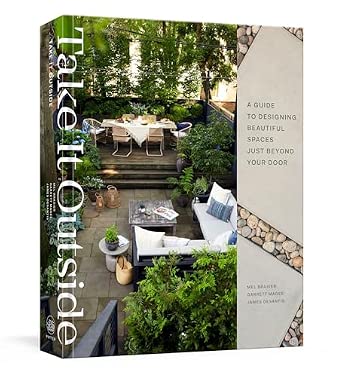 | Best for Outdoor Living Spaces | Product type: Book | Topic: Interior design | Primary focus: Designing outdoor spaces just beyond the door | VIEW ON AMAZON | See Our Full Breakdown |
| books on interior design | ASIN | Subject | Title | Format |
|---|---|---|---|---|
| The New Design Rules: How to D | 1984826484 | Interior design | — | Book |
| Call It Home: The Details That | 0593235525 | Interior design, indicated by title | Call It Home: The Details That Matter | Not provided |
| The Harmonious Home: Designing | 0593582225 | Interior design | The Harmonious Home: Designing Peaceful, Personal Spaces Inspired by Nature | Not provided |
| Made for Living: Collected Int | 1984823914 | Interior design | Made for Living: Collected Interiors for All Sorts of Styles | Not provided |
| The Forever Home: Classic | 0593796934 | Interior design, indicated by title | The Forever Home: Classic, Clever Design to Help You Put Down Roots | Not provided |
| The Art of Home: A Designer Gu | 078523683X | Home design | The Art of Home: A Designer Guide to Creating an Elevated Yet Approachable Home | — |
| New York School of Interior De | 0804137196 | Interior design for the home | New York School of Interior Design: Home: The Foundations of Enduring Spaces | — |
| The Finer Things: Timeless Fur | 0770434290 | Interior design | The Finer Things: Timeless Furniture, Textiles, and Details | Book |
| Homebody: A Guide to Creating | 006280197X | Home interior design | Homebody: A Guide to Creating Spaces You Never Want to Leave | Book |
| Elements of Style: Designing a | 1476744874 | Home design | Elements of Style: Designing a Home & a Life | — |
| Home Therapy: Interior Design | 0593233239 | Interior design | Home Therapy: Interior Design for Increasing Happiness, Boosting Confidence, and Creating Calm | — |
| The Interior Design Handbook: | 0593139313 | Interior design | The Interior Design Handbook: Furnish, Decorate, and Style Your Space | — |
| Your Space | 195096891X | Interior design | Your Space, Made Simple: Interior Design That’s Approachable, Affordable, and Sustainable | — |
| Old Brand New: Colorful Homes | 1984861093 | Interior design | Old Brand New: Colorful Homes for Maximal Living | Interior design book |
| Take It Outside: A Guide to De | 0593139429 | — | Take It Outside: A Guide to Designing Beautiful Spaces Just Beyond Your Door | — |
More Details on Our Top Picks
The New Design Rules: How to Decorate and Renovate, from Start to Finish
The New Design Rules is the most directly project-oriented choice in this group: its title promises guidance across both decorating and renovation, making it a fit for readers who want to think through a home from early decisions to finishing touches. That broader scope sets it apart from Made for Living, which is framed around collected interiors and varied styles rather than a start-to-finish process. The tradeoff is that the available product information gives no detail about its methods, examples, or level of instruction, so I can’t judge how deeply it covers either kind of project. Choose it for its stated breadth, not as a verified technical manual; readers seeking a clearly nature-led approach may find The Harmonious Home a more focused direction.
Pros:- Explicitly addresses both decorating and renovating.
- Its start-to-finish framing suits readers coordinating multiple home decisions.
- The title signals a broader project scope than style-centered options such as Made for Living.
Cons:- Available product data gives no detail on the methods or topics covered.
- It is not possible to verify whether its renovation guidance is technical or introductory.
- Readers seeking a narrowly defined aesthetic may prefer a more focused title.
Best for: Homeowners planning a renovation alongside decorating decisions who want one book framed around the whole process.
Not ideal for: Readers who need confirmed technical instructions, detailed project examples, or a specific decorating style, since the supplied information does not establish those contents.
- Format:Book
- Subject:Interior design
- Topics:Decorating and renovating
- Approach stated in title:Start to finish
- ASIN:1984826484
- Full title:The New Design Rules: How to Decorate and Renovate, from Start to Finish
Our verdict“Choose this if you want a book framed around decorating and renovation together, but verify its contents if you need detailed practical instruction.”
Call It Home: The Details That Matter
Call It Home: The Details That Matter points toward a close look at the finishing choices that give a space its character. That makes it a potentially useful counterpoint to The New Design Rules, whose title covers the larger arc of decorating and renovation, and to Made for Living, which emphasizes a range of collected interiors. The limitation is the lack of a supplied description: the title alone cannot confirm whether the book covers materials, styling, rooms, or practical decision-making. I’d rank it for readers drawn to the finer points of home design, while treating its precise scope as uncertain. If you want an explicitly stated nature-inspired approach, The Harmonious Home offers a clearer subject from its title.
Pros:- Its title signals a detail-led perspective on interiors.
- May complement broader project-planning books rather than duplicate their focus.
- A distinct option for readers more interested in considered finishing choices than an all-stage project framework.
Cons:- No product description or specifications were supplied beyond the title and ASIN.
- The actual subjects and depth of the guidance cannot be verified from the provided data.
- Readers who need a defined style or practical method have little information to judge fit.
Best for: Readers who are already thinking about the finishing touches in a room and are drawn to design books centered on details.
Not ideal for: Buyers looking for confirmed step-by-step decorating advice, renovation guidance, or a clearly described design method.
- Title:Call It Home: The Details That Matter
- Subject:Interior design, indicated by title
- Stated focus:Details that matter
- Format:Not provided
- Description:Not provided
- ASIN:0593235525
Our verdict“Pick this if a detail-centered approach appeals to you, but seek more information before buying for a specific design need.”
The Harmonious Home: Designing Peaceful, Personal Spaces Inspired by Nature
The Harmonious Home has the clearest design point of view among these five: it focuses on peaceful, personal spaces inspired by nature. That gives readers a more specific starting point than The New Design Rules, whose title promises a wider decorating-and-renovation journey, or Made for Living, which covers a range of interior styles. This focus can help if you want a home that feels calm and connected to natural influences, rather than a general survey of decorating choices. The tradeoff is that the stated approach may be less useful if you want guidance across sharply varied aesthetics or renovation planning. The provided description offers no further detail on examples or techniques, so I’d choose it for its guiding theme rather than assume a particular level of instruction.
Pros:- Clearly states a nature-inspired design focus.
- Pairs a calming mood with personal-space design rather than presenting style alone.
- Offers a more defined direction than the broader scope signaled by The New Design Rules.
Cons:- Its focused theme may not suit readers who want many contrasting design styles.
- The supplied description does not specify methods, examples, or room-by-room coverage.
- No renovation scope or technical guidance is stated.
Best for: Readers who want to shape a calm, personal home around nature-inspired design ideas.
Not ideal for: Decorators seeking a broad survey of styles or homeowners prioritizing start-to-finish renovation guidance.
- Title:The Harmonious Home: Designing Peaceful, Personal Spaces Inspired by Nature
- Subject:Interior design
- Stated focus:Peaceful, personal spaces
- Design inspiration:Nature
- Format:Not provided
- ASIN:0593582225
Our verdict“Choose this for a calm, nature-inspired design direction, not as a general renovation handbook or wide-ranging style survey.”
Made for Living: Collected Interiors for All Sorts of Styles
Made for Living is the strongest match here for readers who want to look across different decorating styles rather than follow a single design philosophy. Its stated focus on collected interiors gives it a different role from The Harmonious Home, which is explicitly nature-inspired, and from The New Design Rules, which frames its subject as a start-to-finish decorating and renovation process. That variety makes this title a reasonable choice if you are still working out what feels right for your home. The tradeoff is that a survey of styles may offer less direction for readers seeking one consistent method or a focused renovation plan. The description does not specify the styles included or how the book explains design decisions, so its breadth is clear but its depth is not.
Pros:- Explicitly covers collected interiors and a range of styles.
- Useful in concept for readers still defining their own decorating preferences.
- Its style-survey framing contrasts with the more focused theme of The Harmonious Home.
Cons:- The supplied description does not identify which styles or rooms appear.
- No practical method or renovation guidance is specified.
- A range of styles may feel less cohesive to readers seeking one firm design direction.
Best for: Readers comparing decorating directions who want inspiration from interiors described as spanning a range of styles.
Not ideal for: Homeowners who already want a nature-led aesthetic or need a clearly stated renovation process and practical instructions.
- Title:Made for Living: Collected Interiors for All Sorts of Styles
- Subject:Interior design
- Stated content:Collected interiors
- Stated scope:A range of decorating styles
- Format:Not provided
- ASIN:1984823914
Our verdict“Choose this if you want to compare varied interior styles, but look elsewhere for a focused design method or renovation plan.”
The Forever Home: Classic, Clever Design to Help You Put Down Roots
The Forever Home stands apart through its promise of classic, clever design for people putting down roots. That long-term framing gives it a different emphasis from Made for Living, which is presented as a tour through varied styles, and The New Design Rules, whose title spans decorating and renovation from start to finish. It may appeal if you want choices that feel considered for a lasting home rather than a temporary refresh. Still, the product data supplies only the title, so it does not establish what “classic” or “clever” means in practice, or whether the book covers planning, budgets, or specific rooms. Readers who prefer an explicit nature-led philosophy have a clearer signal in The Harmonious Home; this pick is for the long-term outlook, with limited information about execution.
Pros:- Clearly signals a long-term home-design perspective.
- Combines classic and clever design as its stated positioning.
- Offers a different decision lens from style-sampling books such as Made for Living.
Cons:- No product description was supplied to clarify its advice or examples.
- The title does not establish which design choices are covered or how practical the guidance is.
- Readers seeking a specific style, such as nature-inspired interiors, may prefer a more explicit focus.
Best for: Homeowners settling into a long-term residence who want design ideas framed around putting down roots.
Not ideal for: Renters planning a short-term refresh, or buyers who need confirmed renovation steps, room-specific advice, or a clearly defined aesthetic.
- Title:The Forever Home: Classic, Clever Design to Help You Put Down Roots
- Subject:Interior design, indicated by title
- Stated approach:Classic, clever design
- Stated audience or purpose:People putting down roots
- Format:Not provided
- Description:Not provided
- ASIN:0593796934
Our verdict“Pick this for a long-term-home perspective, while recognizing that the available information does not confirm its practical scope.”
The Art of Home: A Designer Guide to Creating an Elevated Yet Approachable Home
The Art of Home is aimed at readers who want a home to feel considered without becoming stiff or showy. Its central promise—elevated yet approachable—sets it apart from The Finer Things, which focuses more narrowly on timeless furniture, textiles, and details. That makes this a better fit for someone thinking about the overall feeling of a home than for a reader seeking a deep reference on individual furnishings.
The title signals a designer-led perspective, but the available details do not specify project steps, room coverage, or practical exercises. I would choose it for inspiration and a refined point of view, not as a technical manual. Readers who need a clearly described foundation in home design may find Home: The Foundations of Enduring Spaces a more direct starting point.
Pros:- Pairs an elevated aesthetic with an explicitly approachable home-making goal.
- Offers a designer-guided point of view rather than a single furniture or textile focus.
- Its broad home-design premise suits readers shaping an overall atmosphere.
Cons:- Available product details do not specify practical instructions or project examples.
- The description does not identify particular rooms, styles, or design topics covered.
Best for: Readers seeking designer-led inspiration for a home that feels polished but still comfortable and welcoming.
Not ideal for: Readers who need a detailed, step-by-step decorating or renovation manual, since the provided description does not establish that scope.
- Title:The Art of Home: A Designer Guide to Creating an Elevated Yet Approachable Home
- ASIN:078523683X
- Product type:Book
- Subject:Home design
- Stated perspective:Designer guide
- Design aim:An elevated yet approachable home
Our verdict“Choose this for a designer-led vision of an elevated but welcoming home, not for a confirmed step-by-step design course.”
New York School of Interior Design: Home: The Foundations of Enduring Spaces
Home: The Foundations of Enduring Spaces is the clearest foundations-focused choice in this group. Its association with the New York School of Interior Design and emphasis on enduring spaces make it a natural pick for readers who want to think about the principles behind a home, rather than start with a particular mood. Compared with Homebody, which centers on inviting, comfortable spaces, this title signals a broader focus on what helps residential design last.
The tradeoff is that “foundations” may appeal more to readers seeking structure than to those after a highly personal style guide or room-by-room project plan. The supplied description does not list topics, exercises, or instructions, so I would not assume a specific curriculum. Choose it for a grounding perspective; pick Elements of Style if personal expression is your main priority.
Pros:- Explicitly focuses on the foundations of home design.
- Centers enduring spaces rather than a passing decorative effect.
- The design-school association gives the book a clear educational framing.
Cons:- The supplied description does not confirm specific lessons, exercises, or room-by-room guidance.
- Its foundations-first positioning may feel less personal than a style-led guide such as Elements of Style.
Best for: New homeowners and design-curious readers who want a foundations-oriented perspective on creating enduring residential spaces.
Not ideal for: Readers primarily seeking personal-style prompts, cozy-room inspiration, or clearly specified step-by-step projects.
- Title:New York School of Interior Design: Home: The Foundations of Enduring Spaces
- ASIN:0804137196
- Product type:Book
- Associated institution:New York School of Interior Design
- Subject:Interior design for the home
- Stated focus:Foundations of enduring spaces
Our verdict“Pick this for a foundations-first view of lasting home design, especially if personal styling is not your only goal.”
The Finer Things: Timeless Furniture, Textiles, and Details
The Finer Things stands out for its concentrated attention to furniture, textiles, and details. That makes it more specific than The Art of Home, whose premise is an elevated yet approachable home overall. Readers choosing fabrics, furnishings, or finishing touches may prefer this narrower lens; it points toward the components that shape a room rather than a complete design process.
Its emphasis on timeless choices suits readers who want to think beyond short-lived trends, but the available description does not say how the book explains selection, care, or coordination. It may be less useful to someone starting with layout, renovation decisions, or a whole-home foundation; Home: The Foundations of Enduring Spaces is a better match for that broader starting point. Treat this as a focused source of design perspective, not a verified technical handbook.
Pros:- Clearly identifies furniture, textiles, and details as its central subjects.
- A timeless-design focus can help readers prioritize lasting elements.
- Its narrower scope differentiates it from general home-design guides.
Cons:- The description does not establish whether it offers selection advice or practical instructions.
- It does not signal coverage of broader planning or renovation decisions.
Best for: Readers refining a room through furniture, textiles, and decorative details, especially those drawn to lasting rather than trend-led choices.
Not ideal for: Readers who need broad guidance on layout, renovation, or the foundational stages of designing a home.
- Title:The Finer Things: Timeless Furniture, Textiles, and Details
- ASIN:0770434290
- Format:Book
- Subject:Interior design
- Furniture focus:Timeless furniture
- Textile focus:Textiles
- Detail focus:Interior details
Our verdict“Choose this when furnishings and finishes are your main design questions, rather than whole-home planning.”
Homebody: A Guide to Creating Spaces You Never Want to Leave
Homebody makes comfort the clearest test of a successful interior: the aim is to create spaces that feel so inviting you want to stay. That emotional focus distinguishes it from Home: The Foundations of Enduring Spaces, which is framed around durable design principles, and from The Finer Things, which spotlights furnishings and details. If your main question is how to make home feel more welcoming, this is the most directly aligned title of the three.
The limitation is the lack of detail about methods, room coverage, or specific design advice in the supplied description. Readers looking for a structured foundation or a focused reference on materials may get a clearer subject signal from the other books. I would choose Homebody for comfort-led inspiration, while treating its practical depth as uncertain from the available information.
Pros:- Makes comfort and invitation the central design goal.
- Offers a distinct emotional lens compared with foundations- or furnishing-focused books.
- Its premise is easy to connect to everyday home life.
Cons:- The supplied description gives no specifics about design methods or practical exercises.
- It does not identify particular rooms, materials, or planning topics.
Best for: Readers who prioritize a cozy, welcoming atmosphere and want their interiors to support relaxing and spending time at home.
Not ideal for: Readers seeking a confirmed technical guide to layout, furnishings, renovation, or enduring design principles.
- Title:Homebody: A Guide to Creating Spaces You Never Want to Leave
- ASIN:006280197X
- Format:Book
- Subject:Home interior design
- Stated aim:Create spaces that feel inviting
- Design emphasis:Comfort and livability
Our verdict“Choose this if a more welcoming, comfortable home matters more to you than a clearly defined technical design curriculum.”
Elements of Style: Designing a Home & a Life
Elements of Style links home design with the way a reader wants to live, giving it a more personal premise than The Finer Things, which centers on furnishings, textiles, and details. That makes it appealing to readers who see decorating as an expression of identity, not simply a matter of choosing objects. Its pairing of a home and a life also sets it apart from Homebody, which puts the emphasis on comfort and inviting spaces.
The broad title does not reveal whether the book offers exercises, practical planning advice, or a particular decorating method. Readers who need confirmed guidance on enduring design foundations may prefer Home: The Foundations of Enduring Spaces. I would place this here for its personal-style angle, while recognizing that the supplied details do not establish how actionable its advice is.
Pros:- Connects interior design with personal style and everyday life.
- Has a distinct identity-focused premise within this lineup.
- May suit readers who want more than a room-by-room decorating focus.
Cons:- The available description does not specify methods, exercises, or practical guidance.
- Its broad scope may be less direct for readers seeking a focused design reference.
Best for: Readers who want their interior choices to reflect personal taste and connect with the way they want to live.
Not ideal for: Readers looking for a clearly specified technical manual, step-by-step renovation process, or focused reference on furnishings and textiles.
- Title:Elements of Style: Designing a Home & a Life
- ASIN:1476744874
- Product type:Book
- Subject:Home design
- Stated design focus:Designing a home
- Related theme:Designing a life
Our verdict“Choose this if you want a home-design book centered on personal expression, rather than a narrowly technical reference.”
Home Therapy: Interior Design for Increasing Happiness, Boosting Confidence, and Creating Calm
Home Therapy is the most directly focused choice here for readers who want design decisions to support how home feels, not just how it looks. Its stated focus on happiness, confidence, and calm sets it apart from The Interior Design Handbook, which centers on furnishing, decorating, and styling. That makes this a natural fit if you want a wellbeing-led lens before choosing finishes or furniture. The tradeoff is that the available description gives no detail about its methods, projects, or level of practical instruction, so I can’t recommend it as a step-by-step decorating manual. It is also a narrower subject than Your Space, Made Simple, whose affordability and sustainability themes may matter more to budget-conscious planners. Choose this for its emotional focus; skip it if you need a clearly documented technical guide.
Pros:- Centers the emotional experience of living at home
- Explicitly connects interiors with happiness and confidence
- Offers a wellbeing-focused angle distinct from general styling handbooks
Cons:- Available product information does not establish how practical or step-by-step the guidance is
- Its calm-and-wellbeing focus may be too narrow for readers seeking broad decorating coverage
Best for: Readers who want to shape a more peaceful home and are drawn to the connection between interior design, mood, and confidence.
Not ideal for: Readers seeking a detailed decorating sequence, project instructions, or specific sustainability and budget guidance, none of which is established by the available product information.
- Product type:Book
- Subject:Interior design
- Primary focus:Using interior design to support happiness, confidence, and calm
- Title:Home Therapy: Interior Design for Increasing Happiness, Boosting Confidence, and Creating Calm
- ASIN:0593233239
- Format details:Not provided
Our verdict“Choose this if your main design goal is a calmer, more supportive home rather than a broad decorating manual.”
The Interior Design Handbook: Furnish, Decorate, and Style Your Space
The Interior Design Handbook earns its place as the broadest task-oriented option in this group: its scope spans furnishing, decorating, and styling, giving readers a clear set of design activities to work through. Compared with Home Therapy, which foregrounds emotional benefits, this title is more directly aimed at changing the space itself. Its wide remit may suit someone who wants one starting point for several parts of a room project, rather than a book devoted to maximalist inspiration like Old Brand New. The limitation is that the supplied product information does not specify the handbook’s methods, depth, or visual approach. Readers looking for a focused perspective on affordability and sustainability may find Your Space, Made Simple a closer match. Pick this for its broad practical subject; don’t assume it covers every topic in depth.
Pros:- Covers furnishing, decorating, and styling rather than only one design stage
- Its handbook framing suits readers seeking practical direction
- Broader decorating scope than the wellbeing-focused Home Therapy
Cons:- Available details do not establish the depth or sequence of its advice
- No specific design style, sustainability focus, or project format is identified
Best for: First-time decorators who want a single book addressing furnishings, decorating choices, and finishing touches.
Not ideal for: Readers who want a clearly specified specialty, such as sustainable design, emotional wellbeing, or colorful maximalist interiors.
- Product type:Book
- Subject:Interior design
- Main topics:Furnishing, decorating, and styling
- Title:The Interior Design Handbook: Furnish, Decorate, and Style Your Space
- ASIN:0593139313
- Format details:Not provided
Our verdict“Choose this for broad decorating coverage, but prefer a more specialized title if you already know your design priority.”
Your Space, Made Simple: Interior Design That’s Approachable, Affordable, and Sustainable
Your Space, Made Simple is the clearest fit for readers who want interior design to feel approachable, affordable, and sustainable at the same time. Those priorities give it a practical point of difference from The Interior Design Handbook, whose stated scope is broader but does not identify a budget or environmental focus. It also offers a more resource-conscious direction than the expressive, colorful emphasis of Old Brand New. The limitation is that the product information does not explain what affordability or sustainability look like in practice, so readers cannot tell from the description whether the advice includes sourcing, reuse, or specific planning tools. Its promise is especially relevant to people wary of costly makeovers, but anyone seeking a defined style or technical instruction may need a more detailed guide alongside it.
Pros:- Explicitly addresses affordability alongside design
- Makes sustainability a central part of its stated approach
- Positions interior design as approachable for readers who may feel excluded by high-cost makeovers
Cons:- Available product information does not specify practical methods or examples
- No particular style, room focus, or level of instruction is identified
Best for: Renters, first-time decorators, and environmentally minded readers who want design ideas framed around accessibility, affordability, and sustainability.
Not ideal for: Readers seeking a detailed technical manual or a specific aesthetic direction, since the available information does not identify its methods or style.
- Product type:Book
- Subject:Interior design
- Primary themes:Approachable, affordable, and sustainable design
- Title:Your Space, Made Simple: Interior Design That’s Approachable, Affordable, and Sustainable
- ASIN:195096891X
- Format details:Not provided
Our verdict“Choose this if cost and sustainability shape your design choices more than a particular decorating style.”
Old Brand New: Colorful Homes for Maximal Living
Old Brand New is the style-led pick for readers who want interiors with color and maximalist character, rather than a general guide to decorating decisions. That distinct visual direction separates it from The Interior Design Handbook, which covers furnishing, decorating, and styling without a stated aesthetic, and from Home Therapy, which frames design around emotional wellbeing. The book’s focus makes it a better match for someone seeking ideas for expressive rooms than for someone building a restrained, neutral scheme. The tradeoff is that the supplied description does not clarify whether it includes actionable instruction or primarily presents inspiration. Readers who need budget and sustainability guidance may be better served by Your Space, Made Simple. Pick this for a clear maximalist sensibility, not as a confirmed all-purpose design manual.
Pros:- Has a distinct focus on colorful homes
- Serves readers interested in maximalist rather than broadly defined interiors
- Offers a clear stylistic contrast to practical and wellbeing-led titles in the roundup
Cons:- May not suit readers who prefer restrained palettes or minimal spaces
- Available description does not establish how much practical instruction it includes
Best for: Readers who enjoy bold color and layered, expressive interiors and want a design book centered on maximalist living.
Not ideal for: Readers seeking neutral or minimalist schemes, step-by-step furnishing guidance, or explicit affordability and sustainability advice.
- Format:Interior design book
- Subject:Interior design
- Style focus:Colorful homes and maximalist living
- Title:Old Brand New: Colorful Homes for Maximal Living
- ASIN:1984861093
- Format details:Not provided
Our verdict“Choose this for colorful maximalist inspiration, but look elsewhere for a broad or clearly step-by-step decorating guide.”
Take It Outside: A Guide to Designing Beautiful Spaces Just Beyond Your Door
Take It Outside is the only title in this batch specifically aimed at the spaces just beyond your door, making it the natural choice for readers whose design project extends to a patio, garden, or other outdoor area. That focus distinguishes it from The Interior Design Handbook, which addresses furnishing and styling interiors, and from Old Brand New, which centers on colorful indoor homes. The book is a better match for expanding how a home is used outside than for choosing indoor finishes or furniture. Its tradeoff is the narrow scope: readers with no outdoor area to design may get more from an interior-focused title. The available description also says little about its methods or the types of spaces covered, so I would not treat it as a detailed technical landscaping guide based on this information alone.
Pros:- Directly addresses outdoor spaces rather than repeating indoor decorating coverage
- Focuses on making areas just beyond the home more beautiful
- Provides a distinct alternative to interior-focused titles such as The Interior Design Handbook
Cons:- Its outdoor focus may be irrelevant to readers without an outdoor area
- Available product information does not specify its methods or technical depth
Best for: Homeowners and renters with a usable patio, balcony, or garden who want design guidance for making that outdoor area more inviting.
Not ideal for: Readers focused exclusively on indoor rooms or those seeking clearly specified landscaping, construction, or technical instructions.
- Product type:Book
- Topic:Interior design
- Primary focus:Designing outdoor spaces just beyond the door
- Stated purpose:Guidance for creating beautiful spaces
- Title:Take It Outside: A Guide to Designing Beautiful Spaces Just Beyond Your Door
- ASIN:0593139429
- Format details:Not provided
Our verdict“Choose this if your current design project is outdoors; for indoor rooms, a broader interior guide is a better fit.”

How We Picked
I compared these books on how directly they help a reader make design decisions, how approachable their guidance appears for a nonprofessional, and how well each title serves a distinct need. I also weighed scope: a book that addresses planning and renovation can function as a wider reference, while a book centered on color, well-being, or outdoor spaces is more valuable when that subject matches the reader’s project. Visual inspiration matters, but it ranks below usable guidance when the goal is to change a real room.
The order reflects that balance rather than treating every book as interchangeable. Broad, practical resources lead; focused guides follow when they offer a clear point of view or a useful specialty. I also considered likely tradeoffs, such as whether a style-led title may offer less step-by-step instruction or whether a narrow subject may leave other rooms and decisions unaddressed. Since the books serve different tastes and goals, the ranking is a starting point, not a claim that one approach suits every home.
| books on interior design | Format | Subject |
|---|---|---|
| The New Design Rules: How to D | Book | Interior design |
| Call It Home: The Details That | Not provided | Interior design, indicated by title |
| The Harmonious Home: Designing | Not provided | Interior design |
| Made for Living: Collected Int | Not provided | Interior design |
| The Forever Home: Classic | Not provided | Interior design, indicated by title |
| The Art of Home: A Designer Gu | — | Home design |
| New York School of Interior De | — | Interior design for the home |
| The Finer Things: Timeless Fur | Book | Interior design |
| Homebody: A Guide to Creating | Book | Home interior design |
| Elements of Style: Designing a | — | Home design |
| Home Therapy: Interior Design | — | Interior design |
| The Interior Design Handbook: | — | Interior design |
| Your Space | — | Interior design |
| Old Brand New: Colorful Homes | Interior design book | Interior design |
| Take It Outside: A Guide to De | — | — |
Factors to Consider When Choosing Books On Interior Design
Before choosing a title, decide what you want the book to do: teach a method, help define your style, or give you ideas for one specific kind of space. I’d match the book’s scope to the decisions ahead rather than choosing only by cover or room photography.
Choose instruction or inspiration first
Design books tend to lean toward either practical direction or visual reference, and the distinction affects how useful they feel after the first read. If you need to make choices about layout, furnishings, or a renovation, favor a title that explains its reasoning and gives you a sequence of decisions. If you are still figuring out what you like, a collection of varied interiors can help you spot recurring colors, materials, and shapes. A common mistake is expecting an inspiration book to provide project instructions, or expecting a technical guide to supply a clear personal style. Look for a balance only if you genuinely need both jobs from one book. Otherwise, pair one practical title with a visual book that has a different point of view.
Match the book’s scope to your project
A broad book can stay useful across several rooms and future projects, but it may not go far enough on a specialized concern. A focused title is a better fit when you already know your priority, such as making a home feel calmer, choosing enduring furnishings, or designing a patio. Before buying, ask whether you need help with the whole home or only one decision. Readers often pick a narrow book because its theme sounds appealing, then find it does not answer everyday layout or furnishing questions. The reverse can happen too: a general guide may spend pages on areas irrelevant to a small, clearly defined project. Consider the next few decisions you must make and choose the book whose scope covers most of them.
Look for guidance that fits your experience level
Beginners usually benefit from clear explanations of basic design choices and language they can apply without prior training. More experienced readers may want a stronger design framework, a fresh aesthetic perspective, or deeper attention to materials and details. A book can be visually polished yet leave a novice unsure how to turn an image into a plan. At the other extreme, an introductory guide may feel repetitive if you already understand proportion, color, and furniture placement. Check the stated audience and the kinds of decisions the book addresses, rather than assuming that an authoritative title will be accessible. If you are learning as you go, favor clarity and usable examples over technical depth for its own sake.
Decide whether your priority is durability or flexibility
Some books favor classic choices and lasting materials, while others encourage expressive, changing rooms. Neither approach is automatically better: a durable foundation can reduce regret, while a more adventurous palette may better reflect your personality. A frequent mistake is treating “timeless” as a rule that every room must follow, even when the reader wants a bolder home. It is also easy to copy a distinctive look without considering how much change or upkeep it may require. Think about which elements you want to keep for years and which you would enjoy changing. Choose guidance that supports that balance, rather than trying to make every purchase permanent or every room a statement.
Consider budget, sustainability, and maintenance together
A design idea is only useful if it fits the resources and care a household can give it. When a book emphasizes affordability or sustainability, look for advice that helps readers make tradeoffs, not just a list of ideal materials or purchases. More durable furnishings may call for a larger initial commitment, while low-cost changes can be easier to revise but may not solve a layout problem. A common misstep is judging a design choice only by its upfront cost, without asking how long it may serve or how much maintenance it needs. Consider pets, children, rental restrictions, and the time you can give to upkeep. The right guide should help you adapt its ideas to those realities rather than treat them as afterthoughts.
Treat photographs as references, not ready-made plans
Beautiful room photography can clarify a mood, but a room in a book may differ from yours in scale, light, architecture, and storage needs. Use images to identify elements you like, such as a color relationship or material mix, rather than copying an entire setup. Compare several examples before deciding that one look will work in your home. Readers can also miss practical constraints when they focus only on styling: a photo may not show how a room functions on an ordinary day. Note the ideas that recur across different spaces, since those may be easier to adapt than a single dramatic arrangement. A book becomes more useful when it helps you translate an image into choices suited to your own rooms.
Frequently Asked Questions
Which kind of interior design book should I buy if I am renovating, not just decorating?
Choose a book that covers decisions from planning through finishing rather than one focused mainly on room styling. Renovation involves more than choosing a color palette: you may need to think about how changes affect layout, furniture placement, and the order of decisions. A broad guide can give you a structure, but it should not replace qualified advice for building, electrical, or other regulated work. If the project is limited to one room, a focused design book may be enough to shape the look while a professional handles technical questions. Match the book to the decisions you control yourself.
Can one book help me both find my style and plan a room?
Some books mix inspiration and practical advice, but most lean more heavily toward one purpose. A broad guide is a sensible starting point if you want both, especially when it explains why certain design choices work. Still, a visual collection may show a wider range of styles than a step-by-step manual, while a practical guide may offer clearer ways to act on what you like. If you feel stuck on taste, start with varied examples and collect patterns before committing to a room plan. If you already know your preferred look, prioritize actionable guidance instead.
Are interior design books useful for small or rental homes?
They can be, but a book written for whole-home renovations may not address the limits of a compact or rented space. Look for ideas you can adapt without permanent changes, and check whether the guidance depends on custom construction or substantial furniture purchases. In a small home, the way a room functions may matter more than reproducing a particular style. Rental readers should also separate ideas they can apply through furnishings and lighting from changes that require a landlord’s approval. A general design principle can still help, even when the example room is larger than yours.
Should I choose a book that matches my current style or one that challenges it?
That depends on whether you need confidence or new direction. A book aligned with your taste can help you refine choices and see how to make a look feel cohesive. A title with a different perspective may help if your rooms feel predictable or you are unsure what else you might enjoy. Instead of choosing by style label alone, check whether the book offers examples you can adapt and explains the decisions behind them. You can also use a contrasting book for ideas without treating every featured room as a model to copy.
How can I tell whether a design book is practical enough for my project?
Start by checking whether the book addresses the decisions you actually face, such as layout, furnishings, color, materials, or outdoor planning. A strong visual identity does not automatically mean the book offers step-by-step help, and a detailed guide may not match your aesthetic. Think about what you want to do after reading: make a shortlist, plan a room, or learn a design principle. Then favor a book that supports that task with explanations and relevant examples. If you need both inspiration and project direction, plan on using two complementary books rather than asking one to do everything.
Conclusion
Best overall: I recommend The New Design Rules for readers who want one broad guide spanning decorating and renovation. Best value for practical learning: Your Space, Made Simple is the clearest fit for shoppers prioritizing approachable, affordable, and sustainable design. Best premium-style reference: choose The Finer Things if timeless furniture, textiles, and details are your main interest. Best for beginners: The Interior Design Handbook offers a direct route into furnishing, decorating, and styling. For a specific need, pick The Harmonious Home for nature-led calm, Old Brand New for colorful maximalism, or Take It Outside for outdoor spaces. I’d base the final choice on the decisions you need help with, not on which book promises to suit every home.
Halloween Picks

Govee Outdoor Halloween Projector Light, 3D Dynamic Visual Holiday Decor

12.2 ft Halloween Inflatable Outdoor Decoration – Giant Pumpkin

Kalolary 11 ft Halloween Inflatable Archway Ghost House Tunnel
As an affiliate, we earn on qualifying purchases.