
The best books to learn about interior design depend on whether you want practical rules, creative inspiration, or a step-by-step plan for your own home. The New Design Rules is my best overall pick for readers who want guidance across decorating and renovation, while The Interior Design Reference & Specification Book stands out for concise technical information and Homebody for shaping spaces around personal style. The main tradeoff is between books that teach a repeatable process and those that build visual taste through examples. Some are useful reference books; others are better for a focused project or a relaxed read. Continue reading for my full comparison and guidance on choosing the right book for your goals.

Get furniture and decor delivered free with Prime
- Fast, free delivery on millions of items
- Prime Video, Amazon Music and more included
- Member-only deals all year
Complete the kit


Key Takeaways
- The New Design Rules earns the overall lead by covering decorating and renovation decisions, while the reference book is a better fit for readers seeking compact technical guidance.
- Homebody, Elements of Style, and Feels Like Home lean toward personal expression and visual inspiration rather than textbook-style instruction.
- Readers who need help with order and function can look to House Hushing and Beautifully Organized; their focus is narrower than full-room design.
- Sketching for Architecture and Interior Design and the teen workbook serve active learners who want to practice, not just read or browse.
- The lineup shows that no single book teaches everything: renovation planning, design fundamentals, organization, drawing, and style each call for a different kind of guide.
| House Hushing: The Simple Method to Declutter and Decorate for a More Peaceful Home |  | Best for Calm, Cluttered Spaces | Format: Book | Title: House Hushing: The Simple Method to Declutter and Decorate for a More Peaceful Home | Subject: Decluttering and decorating | VIEW ON AMAZON | See Our Full Breakdown |
| Homebody: A Guide to Creating Spaces You Never Want to Leave |  | Best for Comfortable, Inviting Rooms | Title: Homebody: A Guide to Creating Spaces You Never Want to Leave | Format: Not specified | Subject: Creating comfortable, inviting spaces at home | VIEW ON AMAZON | See Our Full Breakdown |
| Call It Home: The Details That Matter | 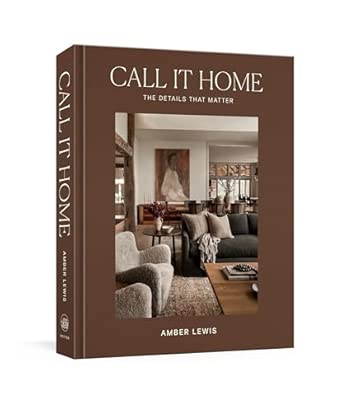 | Best for Readers Curious About Design Details | Title: Call It Home: The Details That Matter | Format: Not specified | Subject: Not specified | VIEW ON AMAZON | See Our Full Breakdown |
| Elements of Timeless Style: Creating a Forever Home |  | Best for Long-Term Style Planning | Title: Elements of Timeless Style: Creating a Forever Home | Format: Not specified | Subject: Timeless home style | VIEW ON AMAZON | See Our Full Breakdown |
| Interior Design – Approachable, Affordable, Sustainable |  | Best for Budget- and Sustainability-Minded Beginners | Title: Interior Design – Approachable, Affordable, Sustainable | Format: Not specified | Subject: Interior design | VIEW ON AMAZON | See Our Full Breakdown |
| Beautifully Organized: A Guide to Function and Style in Your Home |  | Best for Organization-Led Design | ASIN: 1944515682 | Title: Beautifully Organized: A Guide to Function and Style in Your Home | Book subject: Home organization | VIEW ON AMAZON | See Our Full Breakdown |
| The Interior Design Reference & Specification Book: Updated and Revised | 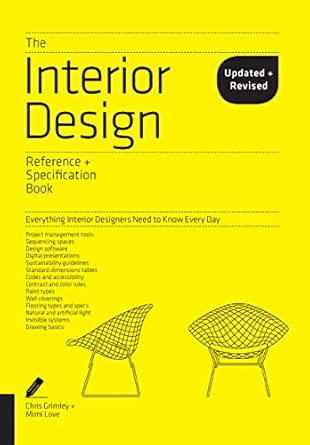 | Best Technical Reference | ASIN: 1631593803 | Title: The Interior Design Reference & Specification Book: Updated and Revised | Format: Book | VIEW ON AMAZON | See Our Full Breakdown |
| Elements of Style: Designing a Home & a Life |  | Best for Lifestyle-Minded Home Design | ASIN: 1476744874 | Title: Elements of Style: Designing a Home & a Life | Format: Book | VIEW ON AMAZON | See Our Full Breakdown |
| The New Design Rules: How to Decorate and Renovate, from Start to Finish |  | Best for Project-Based Learning | ASIN: 1984826484 | Title: The New Design Rules: How to Decorate and Renovate, from Start to Finish | Format: Book | VIEW ON AMAZON | See Our Full Breakdown |
| Sketching for Architecture and Interior Design: A Practical Guide | 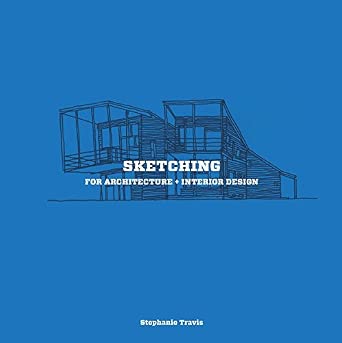 | Best for Learning Design Drawing | ASIN: 178067564X | Title: Sketching for Architecture and Interior Design: A Practical Guide | Format: Book | VIEW ON AMAZON | See Our Full Breakdown |
| New York School of Interior Design: Home: The Foundations of Enduring Spaces |  | Best for Design Foundations | ASIN: 0804137196 | Title: New York School of Interior Design: Home: The Foundations of Enduring Spaces | Subject: Foundations of enduring home spaces | VIEW ON AMAZON | See Our Full Breakdown |
| Dream Room Interior Design Workbook for Teens and Future Designers |  | Best Hands-On Workbook for Beginners | ASIN: B0H559C4BH | Format: Workbook | Audience: Teens and aspiring interior designers | VIEW ON AMAZON | See Our Full Breakdown |
| The Interior Design Handbook: Furnish, Decorate, and Style Your Space |  | Best for Furnishing and Styling | ASIN: 0593139313 | Title: The Interior Design Handbook: Furnish, Decorate, and Style Your Space | Subject: Interior design | VIEW ON AMAZON | See Our Full Breakdown |
| Interiors: A Home Renovation and Interior Design Book |  | Best for Renovation Inspiration | ASIN: 0593797140 | Format: Book | Subject: Home renovation | VIEW ON AMAZON | See Our Full Breakdown |
| Feels Like Home: Relaxed Interiors for a Meaningful Life | 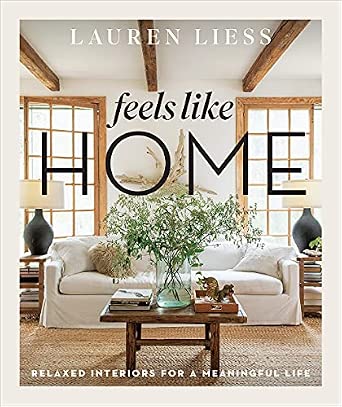 | Best for Lifestyle-Led Design | ASIN: 1419751190 | Title: Feels Like Home: Relaxed Interiors for a Meaningful Life | Subject: Interior design | VIEW ON AMAZON | See Our Full Breakdown |
| books to learn about interior design | ASIN | Subject | Title | Format |
|---|---|---|---|---|
| House Hushing: The Simple Meth | 0800744756 | Decluttering and decorating | House Hushing: The Simple Method to Declutter and Decorate for a More Peaceful Home | Book |
| Homebody: A Guide to Creating | 006280197X | Creating comfortable, inviting spaces at home | Homebody: A Guide to Creating Spaces You Never Want to Leave | Not specified |
| Call It Home: The Details That | 0593235525 | Not specified | Call It Home: The Details That Matter | Not specified |
| Elements of Timeless Style: Cr | 1982197129 | Timeless home style | Elements of Timeless Style: Creating a Forever Home | Not specified |
| Interior Design | 195096891X | Interior design | Interior Design – Approachable, Affordable, Sustainable | Not specified |
| Beautifully Organized: A Guide | 1944515682 | — | Beautifully Organized: A Guide to Function and Style in Your Home | Book |
| The Interior Design Reference | 1631593803 | Interior design | The Interior Design Reference & Specification Book: Updated and Revised | Book |
| Elements of Style: Designing a | 1476744874 | Home design | Elements of Style: Designing a Home & a Life | Book |
| The New Design Rules: How to D | 1984826484 | Interior design | The New Design Rules: How to Decorate and Renovate, from Start to Finish | Book |
| Sketching for Architecture and | 178067564X | Architecture and interior design sketching | Sketching for Architecture and Interior Design: A Practical Guide | Book |
| New York School of Interior De | 0804137196 | Foundations of enduring home spaces | New York School of Interior Design: Home: The Foundations of Enduring Spaces | — |
| Dream Room Interior Design Wor | B0H559C4BH | — | — | Workbook |
| The Interior Design Handbook: | 0593139313 | Interior design | The Interior Design Handbook: Furnish, Decorate, and Style Your Space | — |
| Interiors: A Home Renovation a | 0593797140 | Home renovation | — | Book |
| Feels Like Home: Relaxed Inter | 1419751190 | Interior design | Feels Like Home: Relaxed Interiors for a Meaningful Life | — |
More Details on Our Top Picks
House Hushing: The Simple Method to Declutter and Decorate for a More Peaceful Home
House Hushing suits readers who want interior design to begin with what they remove, not what they buy. Its combination of decluttering and decorating links a calmer-looking room to everyday decisions about belongings, while its cozy minimalist emphasis offers a softer alternative to stark, spare interiors. Compared with Interior Design – Approachable, Affordable, Sustainable, which is framed around budget-friendly and sustainable design ideas, this book is more specifically aimed at reducing visual clutter and creating a peaceful atmosphere. That focus is useful if excess objects are getting in the way of seeing how a room might work. The tradeoff is its narrow brief: readers seeking technical instruction on layouts, materials, or advanced customization may need a more design-focused reference. I’d choose it for a reset, not as a complete interior design course.
Pros:- Combines decluttering with decorating rather than treating them as separate tasks
- Centers the design goal on a more peaceful home
- Offers cozy minimalist inspiration for tidier living spaces
Cons:- Its emphasis on decluttering may leave readers wanting broader interior design instruction
- The provided description does not establish technical depth or detailed project guidance
Best for: Readers who feel overwhelmed by household clutter and want a cozy, minimalist approach to making their rooms feel more peaceful
Not ideal for: Readers seeking technical instruction on space planning, renovation, or advanced design customization
- Format:Book
- Title:House Hushing: The Simple Method to Declutter and Decorate for a More Peaceful Home
- Subject:Decluttering and decorating
- Design focus:Cozy minimalist inspiration
- Stated goal:Create a more peaceful home
- ASIN:0800744756
Our verdict“Choose this if clearing visual clutter is your first step toward a calmer home; skip it if you need a broad technical design manual.”
Homebody: A Guide to Creating Spaces You Never Want to Leave
Homebody is aimed at readers who want rooms to feel comfortable and inviting, making atmosphere its clearest point of difference in this group. That makes it a natural choice for someone shaping a home around daily ease rather than a strict minimalist reset like House Hushing. The title frames the book as a guide to creating spaces people want to spend time in, so it speaks to a lived-in, welcoming design goal. By comparison, Elements of Timeless Style: Creating a Forever Home points toward lasting style; Homebody’s stated emphasis is comfort. The limitation is that the available product information gives no specifics about methods, design topics, or project detail. I’d pick it for inspiration around inviting spaces, but readers who need clearly documented technical guidance should compare it with a reference-led design book.
Pros:- Focuses directly on comfortable, inviting home spaces
- Offers a clear lived-in atmosphere goal
- Provides a distinct alternative to the decluttering emphasis of House Hushing
Cons:- The supplied product details do not specify its design methods or subject coverage
- The available information does not confirm how much practical or technical instruction it provides
Best for: Homeowners and renters who prioritize comfortable, welcoming rooms and want inspiration centered on how a space feels to live in
Not ideal for: Readers choosing a book for detailed technical instruction or a clearly specified step-by-step design method
- Title:Homebody: A Guide to Creating Spaces You Never Want to Leave
- Format:Not specified
- Subject:Creating comfortable, inviting spaces at home
- Stated focus:Comfort and livability
- Product description detail:No further details provided
- ASIN:006280197X
Our verdict“Pick Homebody for a comfort-first approach to home design, but choose a better-documented technical guide if instruction is your priority.”
Call It Home: The Details That Matter
Call It Home: The Details That Matter has a title that points toward the finishing choices and smaller decisions that shape an interior, giving it a different apparent angle from comfort-centered Homebody or the decluttering focus of House Hushing. That makes it a potentially appealing pick for readers who want to pay closer attention to the particulars of a home’s design. Still, the supplied product information includes no description, so I can’t substantiate what details it covers, whether it teaches a process, or how much practical guidance it offers. This uncertainty matters more here than with Interior Design – Approachable, Affordable, Sustainable, whose description clearly signals budget and sustainability themes. I’d treat the title as a clue, not proof of a technical guide, and choose it only if its contents match the specific design questions you want answered.
Pros:- Its title signals an emphasis on design details
- Offers a different apparent angle from books focused on comfort or decluttering
- May appeal to readers interested in the smaller choices that shape a home
Cons:- No product description or subject details were supplied
- The available information does not confirm practical exercises or technical instruction
- Its scope and intended reader are difficult to judge from the supplied data
Best for: Readers drawn to the finer choices in home design who can confirm from the book’s contents that its approach suits their learning goals
Not ideal for: Buyers who need verified details about the book’s methods, topics, or level of instruction before choosing
- Title:Call It Home: The Details That Matter
- Format:Not specified
- Subject:Not specified
- Description:Not provided
- Stated title focus:The details that matter
- ASIN:0593235525
Our verdict“Consider it if the contents confirm a details-focused approach, but favor a clearly described guide when you need dependable instruction.”
Elements of Timeless Style: Creating a Forever Home
Elements of Timeless Style: Creating a Forever Home is the clearest fit here for readers who want their design choices to feel lasting rather than tied to a short-lived look. Its stated focus on timeless style separates it from Homebody, which centers on comfort and inviting spaces, and House Hushing, which connects order with a peaceful home. That makes this a sensible option for someone planning a home they hope to keep shaping over time. The tradeoff is that the supplied description says little beyond its broad style goal: it does not establish how the book teaches design, what rooms or decisions it covers, or whether it includes practical planning tools. I’d choose it for a long-view design perspective, while readers looking for clearly stated budget or sustainability advice may prefer Interior Design – Approachable, Affordable, Sustainable.
Pros:- Focuses on creating a home with timeless style
- Frames design around a long-term home rather than a short-lived look
- Offers a distinct direction from comfort-first and decluttering-focused picks
Cons:- The supplied description does not detail its teaching method or subject coverage
- Practical tools and technical guidance are not specified
- Budget and sustainability guidance are not established by the available information
Best for: Homeowners planning a lasting look and readers who want design inspiration centered on a home that can evolve over time
Not ideal for: Readers who need confirmed step-by-step instruction, budget guidance, or specified sustainable design methods
- Title:Elements of Timeless Style: Creating a Forever Home
- Format:Not specified
- Subject:Timeless home style
- Stated goal:Creating a forever home
- Description detail:No further product details provided
- ASIN:1982197129
Our verdict“Choose this for a lasting-style perspective, but look elsewhere if you need confirmed practical steps or budget-focused advice.”
Interior Design – Approachable, Affordable, Sustainable
Interior Design – Approachable, Affordable, Sustainable is the most explicitly practical pick in this set for readers who want accessible ideas without losing sight of budget or environmental impact. Its description names easy-to-follow concepts, budget-friendly solutions, and sustainable practices, giving buyers a clearer sense of its learning focus than the sparse descriptions for Homebody and Elements of Timeless Style. That makes it a strong starting point for a beginner who wants to make considered choices across a range of spaces. The tradeoff is also stated: it offers limited advanced customization options, so experienced decorators seeking highly tailored solutions may find its approach too general. Compared with House Hushing, it covers a wider set of practical design priorities rather than centering mainly on decluttering and a peaceful home.
Pros:- Presents design concepts as easy to follow
- Includes budget-friendly recommendations
- Addresses sustainable design practices
- Is described as suitable for any space
Cons:- Limited advanced customization options may not satisfy experienced decorators
- The supplied description does not specify technical depth or particular project formats
Best for: Beginners furnishing or refreshing a home who want accessible design ideas that account for budget and sustainability
Not ideal for: Experienced decorators seeking advanced, highly customized design solutions
- Title:Interior Design – Approachable, Affordable, Sustainable
- Format:Not specified
- Subject:Interior design
- Design approach:Approachable ideas
- Budget focus:Budget-friendly solutions
- Sustainability focus:Sustainable practices
- Intended scope:Any space
- Customization level:Limited advanced customization options
- ASIN:195096891X
Our verdict“Choose this as an accessible starting point for budget- and sustainability-minded design, but not for advanced customization.”
Beautifully Organized: A Guide to Function and Style in Your Home
Beautifully Organized makes the most sense for readers who see storage and order as part of interior design, not a separate chore. Its stated focus on both function and style gives it a different emphasis from Elements of Style: Designing a Home & a Life, which pairs home design with broader lifestyle guidance. That makes this a more targeted choice for shaping how a home works day to day, though the available description does not establish how far it goes into broader design principles or technical instruction. Readers seeking a start-to-finish renovation roadmap may find The New Design Rules a closer match. I’d choose this when improving organization is the main design goal, and skip it if the priority is learning a wide range of interior design methods.
Pros:- Connects home organization with visual style
- Keeps attention on how spaces function in everyday use
- Offers a distinct focus compared with books centered on renovation or sketching
Cons:- Available product information does not specify its methods or topics
- The description does not indicate coverage of technical design skills
- May be too narrowly focused for readers seeking a broad interior design foundation
Best for: Homeowners who want to make organization and everyday function a central part of their approach to styling rooms
Not ideal for: Readers seeking detailed renovation steps, technical design specifications, or a broad course in interior design
- ASIN:1944515682
- Title:Beautifully Organized: A Guide to Function and Style in Your Home
- Book subject:Home organization
- Focus:Function and style in the home
- Stated approach:Guide
- Format:Book
Our verdict“Choose this if organizing a functional, stylish home is your main learning goal, but look elsewhere for detailed renovation or technical instruction.”
The Interior Design Reference & Specification Book: Updated and Revised
The Interior Design Reference & Specification Book is the most work-oriented choice in this group: its stated purpose is to provide practical information and specifications for everyday interior design work. That sets it apart from Elements of Style: Designing a Home & a Life, which is framed around home design and lifestyle, and from Sketching for Architecture and Interior Design, which focuses on drawing skills. The reference format may suit readers who want to consult design information rather than follow a decorating journey from beginning to end. The tradeoff is that the available description gives no list of topics or examples, so I can’t judge its depth or the specific questions it answers. I’d favor it for a working or studying designer, not someone who mainly wants inspiration or a guided home makeover.
Pros:- Designed as an everyday reference for interior designers
- Focuses on practical information and specifications
- Updated and revised edition, as stated in the title
- Offers a more technical angle than lifestyle-led design books
Cons:- Available information does not identify its specific topics or contents
- Reference format may be less useful to readers seeking a continuous beginner-friendly lesson
- The provided data does not establish how much visual guidance it includes
Best for: Interior design students and early-career practitioners who want a practical reference for everyday work
Not ideal for: Home decorators seeking a step-by-step project plan or readers who want visual inspiration more than specifications
- ASIN:1631593803
- Title:The Interior Design Reference & Specification Book: Updated and Revised
- Format:Book
- Subject:Interior design
- Stated purpose:Everyday reference for interior designers
- Coverage:Practical information and specifications
- Edition note:Updated and revised
Our verdict“Pick this as a practical desk reference for design study or work, rather than as a visual or step-by-step decorating guide.”
Elements of Style: Designing a Home & a Life
Elements of Style links designing a home with shaping the life lived in it, making it a natural fit for readers who want more than decorating rules alone. Compared with Beautifully Organized, which is specifically framed around function and organization, this book has a broader lifestyle angle. That wider frame may help readers think about the feel and purpose of their home, but the supplied product information does not describe particular techniques, design topics, or a project sequence. It is also less clearly technical than The Interior Design Reference & Specification Book, whose stated focus is practical specifications for design work. I’d choose this for an idea-led approach to home design, not when the goal is to learn measurable standards or follow a detailed renovation plan.
Pros:- Focuses on home design
- Connects home design with lifestyle guidance
- Offers a broader personal framing than an organization-only guide
Cons:- Available product information does not specify the design topics covered
- No project sequence or technical instruction is established by the description
- May offer less practical reference value than a specification-focused book
Best for: Readers shaping a home around personal routines and lifestyle, who prefer a broad design perspective over technical reference material
Not ideal for: Design students who need specifications or homeowners looking for explicit step-by-step renovation guidance
- ASIN:1476744874
- Title:Elements of Style: Designing a Home & a Life
- Format:Book
- Subject:Home design
- Stated focus:Designing a home and a life
- Approach:Home design combined with lifestyle guidance
Our verdict“Choose this for a lifestyle-led way to think about home design, but favor a technical reference if you need concrete specifications.”
The New Design Rules: How to Decorate and Renovate, from Start to Finish
The New Design Rules is the clearest fit here for readers who want to connect decorating with renovation and think through a project as a whole. Its title promises guidance from start to finish, giving it a more process-led role than Elements of Style, which is framed around home design and lifestyle. It also tackles a different skill from Sketching for Architecture and Interior Design: planning and making design decisions rather than developing drawing technique. That broad project scope is appealing, but the available description doesn’t name its stages, methods, or level of detail, so I can’t confirm how much hands-on instruction it offers. I’d pick it for homeowners planning a room or renovation, while design students seeking a skills reference may prefer a more specialized book.
Pros:- Addresses both decorating and renovation
- Presents its subject as a start-to-finish process
- Has a clearer project-planning focus than lifestyle-led design books
Cons:- Available information does not identify the individual project stages
- The description does not establish how technically detailed the advice is
- Less directly suited to readers focused on sketching or professional specifications
Best for: Homeowners planning both decorating and renovation who want a project-oriented guide rather than a general design discussion
Not ideal for: Readers who need verified technical specifications, detailed sketching instruction, or a description of specific methods before choosing
- ASIN:1984826484
- Title:The New Design Rules: How to Decorate and Renovate, from Start to Finish
- Format:Book
- Subject:Interior design
- Coverage:Decorating and renovating
- Stated scope:From start to finish
Our verdict“Choose this for a decorating-and-renovation project pathway, but select a specialist reference if you need specific technical skills.”
Sketching for Architecture and Interior Design: A Practical Guide
Sketching for Architecture and Interior Design takes the most focused skills-based approach in this batch: it is described as a practical guide to sketching for architecture and interior design students. That makes it a sharper choice for learning how to communicate spatial ideas on paper than The New Design Rules, which centers on decorating and renovation, or The Interior Design Reference & Specification Book, which is framed as a source of practical design information and specifications. The narrower focus is also its main limitation: readers looking for a general home-design primer may not find the broad coverage they want. Since the product details don’t identify particular exercises or techniques, I’d treat it as a specialized drawing guide rather than assume it teaches a full design curriculum.
Pros:- Focuses specifically on sketching
- Applies to both architecture and interior design
- Described as a practical guide
- Offers a distinct skill focus compared with project-planning and reference books
Cons:- Its narrow subject may not suit readers seeking a broad interior design overview
- Available product information does not name the techniques or exercises included
- The description does not establish coverage of decorating or renovation decisions
Best for: Architecture and interior design students who want a practical, skill-focused introduction to sketching
Not ideal for: Homeowners seeking decorating ideas, renovation planning, or broad interior design lessons rather than drawing instruction
- ASIN:178067564X
- Title:Sketching for Architecture and Interior Design: A Practical Guide
- Format:Book
- Subject:Architecture and interior design sketching
- Stated audience:Architecture and interior design students
- Stated approach:Practical guide
Our verdict“Choose this for a focused start in design sketching, but not as your only book for learning how to plan and decorate a home.”
New York School of Interior Design: Home: The Foundations of Enduring Spaces
Home is the clearest fit here for readers who want to study the principles behind a lasting interior rather than start with a project workbook or a tour of finished rooms. Its connection to the New York School of Interior Design gives it an educational framing, while the title points toward core ideas for shaping enduring home spaces. Compared with The Interior Design Handbook, which centers on furnishing, decorating, and styling, this book is the more foundation-oriented choice based on the supplied description. The tradeoff is that no chapter details, exercises, or technical coverage are provided, so I can’t recommend it as a known step-by-step course. Choose it as a starting point for broad principles; skip it if you need specific instructions or confirmed project activities.
Pros:- Focuses on foundations rather than only decorating choices
- Connects the subject to the New York School of Interior Design
- Addresses enduring home spaces, a useful lens for long-term design decisions
Cons:- The available description does not identify specific chapters or techniques
- No exercises or hands-on learning features are confirmed
- The supplied product data does not specify format or publication details
Best for: Readers seeking a design-school-oriented introduction to the principles of enduring home spaces
Not ideal for: Learners who need confirmed exercises, detailed technical instruction, or a clearly described step-by-step curriculum
- ASIN:0804137196
- Title:New York School of Interior Design: Home: The Foundations of Enduring Spaces
- Subject:Foundations of enduring home spaces
- Associated institution:New York School of Interior Design
- Stated focus:Interior design foundations
- Intended setting:Home interiors
Our verdict“Choose this for a foundations-first introduction to enduring interiors, but pick a project-focused title if you need activities or explicit how-to guidance.”
Dream Room Interior Design Workbook for Teens and Future Designers
This is the most active-learning choice in the group: its workbook format invites readers to work through space planning, mood boards, color schemes, floor plans, and room makeovers rather than only read about design. That makes it especially approachable for teens and aspiring designers who learn by making and revising. Compared with Home, which is framed around enduring foundations, Dream Room offers named activities and a more direct route from idea to room plan. Its scope is broad for an introduction, but the supplied details don’t give its length, materials, or depth, so buyers can’t tell how extensive the exercises are. I’d choose it for guided creative practice, not as a substitute for a technical reference or a detailed renovation guide.
Pros:- Uses activities to make learning participatory
- Covers space planning, mood boards, color schemes, and floor plans
- Includes room makeovers as a way to apply design ideas
- Names teens and aspiring designers as its audience
Cons:- The supplied information does not state the workbook’s length
- Materials and activity format are not described in detail
- The available description does not establish how deeply each topic is taught
Best for: Teens and beginner designers who want to practice planning and styling rooms through creative activities
Not ideal for: Experienced designers or readers seeking in-depth technical instruction, verified workbook length, or advanced renovation methods
- ASIN:B0H559C4BH
- Format:Workbook
- Audience:Teens and aspiring interior designers
- Topic:Space planning
- Topic:Mood boards
- Topic:Color schemes
- Topic:Floor plans
- Topic:Room makeovers
Our verdict“Pick this for an accessible, activity-led first step in interior design, especially for younger learners who want to plan rooms themselves.”
The Interior Design Handbook: Furnish, Decorate, and Style Your Space
The Interior Design Handbook is the most directly useful pick for readers whose main question is how to furnish, decorate, and style a space. Its focus makes it a practical counterpoint to Dream Room: the workbook names planning activities, while this handbook’s stated remit centers on furnishing and styling rather than exercises. It also differs from Interiors, which is described through renovation and curated spaces from start to finish. That narrower emphasis can help readers looking for guidance on the visible choices that give a room its character. The limitation is that the supplied description doesn’t identify particular methods, chapter structure, or technical depth, so I wouldn’t assume it teaches floor plans or renovation. It suits decorating-led study better than a full design curriculum.
Pros:- Directly addresses furnishing, decorating, and styling
- Has a clear focus on applying design to a personal space
- Offers a distinct decorating-led alternative to the teen-oriented Dream Room workbook
Cons:- The supplied description does not specify particular design techniques
- No workbook activities or technical reference content are confirmed
- Format and publication details are not included in the supplied product data
Best for: Homeowners and beginner decorators focused on furnishing, decorating, and styling their own spaces
Not ideal for: Readers who need confirmed space-planning exercises, technical specifications, or detailed renovation instruction
- ASIN:0593139313
- Title:The Interior Design Handbook: Furnish, Decorate, and Style Your Space
- Subject:Interior design
- Stated focus:Furnishing
- Stated focus:Decorating
- Stated focus:Styling
- Intended setting:Personal spaces
Our verdict“Choose this if your priority is learning to furnish and style a home, not completing design exercises or studying renovation in depth.”
Interiors: A Home Renovation and Interior Design Book
Interiors is the strongest fit here for readers who want to connect interior design with home renovation and see spaces presented from start to finish. That renovation lens separates it from The Interior Design Handbook, which focuses on furnishing, decorating, and styling, and from Home, whose stated emphasis is foundational principles. Curated spaces can help readers observe how design choices work together across a whole project, rather than approaching each room decision in isolation. The tradeoff is that the supplied description doesn’t confirm how much practical instruction accompanies those spaces. I’d use it for project context and visual reference, not assume it contains plans, budgets, or technical renovation steps. It makes the most sense for readers interested in the relationship between a renovation and its finished interior.
Pros:- Combines home renovation and interior design in its stated subject
- Presents curated spaces from start to finish
- Offers a project-wide perspective distinct from styling-focused books
Cons:- The available description does not confirm detailed renovation instructions
- No floor plans, budgets, or technical specifications are stated
- The supplied data does not describe its level of detail or intended skill level
Best for: Homeowners and design learners who want to study curated interiors alongside the broader renovation process
Not ideal for: Readers who need confirmed step-by-step renovation methods, technical plans, or hands-on design exercises
- ASIN:0593797140
- Format:Book
- Subject:Home renovation
- Subject:Interior design
- Presentation:Curated spaces
- Project scope:Start-to-finish spaces
Our verdict“Pick this to study interiors in a renovation context, but choose a more explicitly instructional book if you need practical project steps.”
Feels Like Home: Relaxed Interiors for a Meaningful Life
Feels Like Home takes the most personal, lifestyle-led angle in this set: it links relaxed interiors with the goal of creating a meaningful home life. That makes it a different kind of learning choice from The Interior Design Handbook, which is explicitly about furnishing, decorating, and styling, or Interiors, which brings renovation into the picture. Readers drawn to atmosphere and the feeling a home supports may find its central premise more relevant than a technical manual. The tradeoff is that the supplied information doesn’t identify design methods, room-planning instruction, or specific projects. I’d choose it for thinking about how a home should feel and reflect daily life, but skip it if your priority is measurable skills such as drawing floor plans or managing renovation work.
Pros:- Connects interior design with the experience of everyday home life
- Offers a relaxed-interiors focus distinct from the renovation-oriented Interiors
- Provides a lifestyle-centered perspective for shaping a home
Cons:- The supplied description does not name specific design techniques
- No exercises or technical instruction are confirmed
- Format and other publication details are not provided
Best for: Readers who want to connect relaxed home design with personal routines, comfort, and a meaningful way of living
Not ideal for: Learners seeking confirmed technical lessons, space-planning exercises, or renovation guidance
- ASIN:1419751190
- Title:Feels Like Home: Relaxed Interiors for a Meaningful Life
- Subject:Interior design
- Stated style:Relaxed interiors
- Stated theme:Meaningful life
- Intended setting:Home interiors
Our verdict“Choose this for a lifestyle-centered perspective on relaxed interiors, rather than for technical design training.”

How We Picked
I compared these 15 books by how directly they help a reader learn interior design, rather than treating attractive photography or a broad title as proof of instruction. I looked at the usefulness of their guidance, clarity for beginners, range of topics, potential to apply ideas at home, and fit for different learning styles—from reference reading to sketching and workbook exercises.
The ranking favors books that can guide more than one kind of decision or help readers build a repeatable design process. Focused books remain valuable when their narrower aim matches a clear need, such as organizing a room or learning to draw, but they sit lower as all-purpose starting points. Style-led titles are judged for the ideas and perspective they offer, not as substitutes for technical instruction. No one book suits every reader, so the roles below make those differences clear.
| books to learn about interior design | Format |
|---|---|
| House Hushing: The Simple Meth | Book |
| Homebody: A Guide to Creating | Not specified |
| Call It Home: The Details That | Not specified |
| Elements of Timeless Style: Cr | Not specified |
| Interior Design | Not specified |
| Beautifully Organized: A Guide | Book |
| The Interior Design Reference | Book |
| Elements of Style: Designing a | Book |
| The New Design Rules: How to D | Book |
| Sketching for Architecture and | Book |
| New York School of Interior De | — |
| Dream Room Interior Design Wor | Workbook |
| The Interior Design Handbook: | — |
| Interiors: A Home Renovation a | Book |
| Feels Like Home: Relaxed Inter | — |
Factors to Consider When Choosing Books To Learn About Interior Design
Before choosing a title, decide what you want to be able to do after reading it. A book that helps you refine a room’s mood may not teach renovation planning, and a technical reference may offer little inspiration for choosing a personal style. These questions help match the format and scope to your actual learning goal.
Choose a Learning Goal Before a Design Style
Start with the decision you want help making: arranging a room, selecting finishes, planning a renovation, or developing a visual point of view. Broad books can give you a useful map, but they may not answer detailed questions about a specialist task. A common mistake is to buy a style-focused book expecting it to explain measurements, construction, or technical standards. If your project has several stages, favor a book that connects decisions rather than focusing on one finished look. For a single challenge, a narrower title can be more useful and easier to apply. Write down two or three questions you need answered, then check whether the book’s scope matches them.
Match the Format to How You Learn
Some readers learn best from annotated examples and clear explanations; others need diagrams, exercises, or visual references. A workbook or sketching guide asks you to participate, which can help turn ideas into practice but requires time and willingness to make drafts. A photo-led book may be easier to browse and can sharpen your sense of composition, though it may leave the reasoning behind a room less explicit. Do not assume that a larger image count means stronger instruction. Look for captions, diagrams, prompts, or explanations that show how a design choice works. Choose the format you are likely to return to, not only the one that looks appealing on a shelf.
Separate Inspiration From Technical Instruction
Interior design books vary in how much they teach rules and how much they show finished spaces. Inspiration can help you identify colors, materials, and moods you like, but it does not automatically explain how to translate them into your own room. Technical references can clarify terminology and practical constraints, yet may feel dry if you are looking for a visual spark. A useful mix is one book for broad principles and another for the specific skill you want to develop. Avoid treating a designer’s finished home as a template: room dimensions, light, budget, and household needs may differ from yours. Use examples to identify decisions you can adapt, rather than copying a whole look.
Check Whether the Advice Fits Your Project Scale
A book aimed at decorating existing rooms may not cover the planning involved in renovation, while a renovation guide can spend little time on small styling changes. Before buying, identify whether your work involves furniture and finishes, structural changes, or both. If you are renting, prioritize ideas that do not depend on permanent alterations. If you are planning substantial construction, use a book for background and vocabulary rather than as a replacement for qualified professional advice. A mismatch in project scale can leave you with appealing ideas but few usable next steps. The right scope saves time and helps you avoid expecting one guide to cover every stage.
Balance Durable Principles With Personal Taste
Some titles emphasize enduring choices, while others encourage a more individual or current point of view. Principles such as proportion, function, and thoughtful planning tend to be more transferable than a specific palette or decorative trend. Still, a book centered on personal expression can help you make a home feel distinct rather than generic. A frequent buying mistake is to choose only “timeless” advice and overlook what makes a space feel like yours, or to follow inspiration without checking whether it will suit daily life. Read claims about lasting style as guidance, not a promise that every recommendation will fit your home indefinitely. Prioritize books that help you make choices, not books that dictate a single aesthetic.
Decide When a Specialized Book Is Worth Adding
A specialized book makes sense when you have already identified a gap: drawing, organizing, sustainable choices, or planning a particular room. It can offer more depth in that area than a general introduction, but it is less likely to serve as a complete first course. Beginners often buy several narrow books at once and end up with overlapping inspiration but no clear sequence. Start with one broad guide if you are still exploring, then add a focused title when a specific need emerges. If you already know your goal, a specialist book may be the more direct choice. Let the problem you need to solve—not the size of a collection—guide what you add next.
Frequently Asked Questions
Which kind of book should I start with if I have never studied interior design?
Start with a guide that explains choices across a room or project, rather than a book devoted only to a particular style. A broad, approachable title can help you learn the questions to ask about function, layout, and finishes before you commit to a look. If you find written instruction easier than visual examples, choose a reference-oriented guide; if you learn by doing, pair a general book with a workbook or drawing practice. Avoid beginning with a highly specialized title unless you already know the skill you want to build. The best starting point is the one that makes you more confident about your next design decision.
Can these books help me plan a renovation, or are they mainly for decorating?
The list includes both decorating-focused titles and books whose scope reaches renovation, but they are not interchangeable. A decorating guide can help with room mood, furniture, and finishes without explaining the full sequence or technical demands of construction. For renovation planning, choose a book that addresses decisions from start to finish and use it to prepare questions and understand terminology. Do not rely on a general design book for building requirements, permits, or safety advice. If your project changes a home’s structure or systems, consult qualified professionals for project-specific guidance.
Should I buy a technical reference book or a visual inspiration book first?
Choose based on the obstacle that is slowing you down. If you have ideas but struggle to make practical decisions, a technical reference may help you understand dimensions, terminology, or specifications. If you are unsure what kind of space you want, a visual book can help you recognize patterns in the colors, materials, and layouts that appeal to you. Readers with both problems can start with the one that answers an immediate project question, then add the other as a complement. Neither format replaces the other: reference material supports execution, while inspiration helps shape direction.
Are books focused on one design style useful if I do not want to copy that style?
Yes, if you treat them as examples of design decisions rather than instructions to reproduce a finished room. A style-led book can help you notice how furnishings, color, and personal objects work together, even if its overall look is not yours. Look for individual ideas you can adapt to your own space and daily needs. If you want foundational instruction, pair that reading with a broader guide that discusses function and planning. Skip a style book when you need direct answers about construction, measurements, or renovation sequence.
Is one book enough to learn interior design for my own home?
One book can give you a useful foundation for a modest project, especially if it covers the decisions you actually need to make. It is less likely to address every skill, from organizing and drawing to selecting finishes and planning renovation work. Rather than collecting multiple books at once, identify the next question that your first guide does not answer. Add a specialized title only when it fills that gap, such as practicing sketches or improving room function. For complex projects, books can build your understanding but cannot replace professional advice tailored to your home.
Conclusion
For most readers, The New Design Rules is my best overall recommendation because it addresses decorating and renovation decisions instead of centering on only one design skill. For value in practical learning, The Interior Design Reference & Specification Book is a strong fit for readers who want clear, compact reference material; those seeking a gentler first read can begin with an approachable broad guide such as The Interior Design Handbook. For a premium, visually led experience, Home: The Foundations of Enduring Spaces suits readers who want an authoritative foundation paired with rich design examples. Choose Homebody if personal style is your main starting point, Sketching for Architecture and Interior Design if you want to practice drawing, or Beautifully Organized if function and order are the immediate problem. Match the book to the skill you want to build first; the strongest choice is the one you will actively use on your own space.