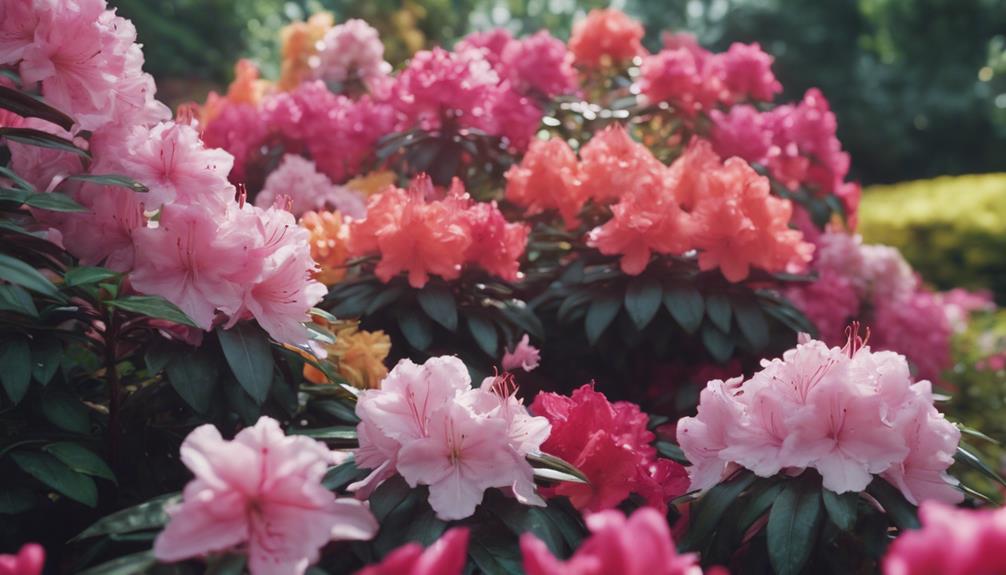

The best fertilizer for azaleas depends on your soil, feeding routine, and whether you prefer organic or conventional formulas. I name Nelson NutriStar Acid-Loving Plant Food my best overall for its targeted acid-loving plant formula, while Jobe’s Organic Fertilizer Spikes suit gardeners who want a simple, low-mess application and Miracle-Gro Water Soluble Plant Food fits those who prefer a feed mixed with water. The main tradeoffs are convenience versus control, quick feeding versus slow release, and concentrated formulas versus larger bags. No fertilizer can correct unsuitable soil pH on its own, so matching the product to your growing conditions matters. Read on for the full comparison, selection criteria, and guidance for choosing a feeding approach.

Get furniture and decor delivered free with Prime
- Fast, free delivery on millions of items
- Prime Video, Amazon Music and more included
- Member-only deals all year
Complete the kit


Key Takeaways
- Nelson NutriStar is the strongest all-around fit for gardeners seeking a dedicated acid-loving plant food, while Jobe’s spikes prioritize straightforward placement over flexible dosing.
- Application method is a major point of difference: spikes, granular blends, slow-release products, water-soluble food, and liquid concentrate suit different routines and levels of control.
- Organic choices span distinct needs: Down To Earth Acid Mix offers a smaller 4-3-6 format, while Espoma Holly-tone and Azalea-tone provide larger or shrub-specific options.
- Package size changes who each product suits. Small formats such as ASTEVORA and HiThrive may fit limited plantings, while the 36 lb Holly-tone bag is aimed at gardeners feeding many shrubs.
- Fertilizer strength alone does not determine suitability. The listed formulas range from lower-analysis organic blends to higher-analysis feeds, so buyers should follow the label and avoid treating azalea fertilizer as a substitute for soil testing.


| fertilizer for azalea | Form | Brand | Target plants | Weight |
|---|---|---|---|---|
| Jobe’s Organic Fertilizer Spik | — | — | — | — |
| Nelson NutriStar Acid-Loving P | Granules | — | Azaleas, camellias, gardenias, magnolias, dogwoods, ferns, redbuds, jasmines, hydrangeas, and caladiums | 2 lb (32 oz) |
| GroMaster 12-4-8 Fertilizer fo | Granules | GroMaster | Azaleas, camellias, rhododendrons, and other acid-loving plants | 5 lb |
| SouthernGRO Azalea | — | SouthernGRO | — | 4 lb (64 oz) |
| HiThrive Azalea Fertilizer | Liquid | HiThrive | Azaleas and other acid-loving plants | — |
| TPS Nutrients Liquid Azalea Fe | Liquid | TPS Nutrients | Azaleas, rhododendrons, and camellias | — |
| Down To Earth Organic Acid Mix | Granules | Down To Earth All Natural Fertilizers | Azaleas, rhododendrons, hydrangeas, evergreens, berries, and potatoes | 1 pound |
| Miracle-Gro Water Soluble Plan | Water-soluble powder | Miracle-Gro | Azaleas, camellias, rhododendrons, gardenias, hibiscus, hollies, hydrangeas, and orchids | 5 pounds |
| Jobe’s Organics Granular Ferti | Granules | Jobe’s Organics | Azaleas, camellias, rhododendrons, and other acid-loving plants | 4 pounds |
| Schultz Azalea | Granules | — | Azaleas, camellias, rhododendrons, and other acid-loving plants | 3.5 pounds |
| Espoma Organic Holly-tone Plan | Powder | Espoma | — | — |
| ASTEVORA 8-4-8 Acidic Fertiliz | Granules | GARDENWISE | Azaleas, camellias, hydrangeas, blueberries, gardenias, magnolia trees, evergreens, and rhododendrons | — |
| Schultz SPF48340 Slow-Release | Powder | Schultz | — | — |
| Espoma Organic Holly-Tone 4-3- | Granules | Espoma | — | 36 lb |
| Espoma Organic Azalea-Tone 4-3 | Granules | Espoma | Azaleas, rhododendrons, camellias, and gardenias | — |
More Details on Our Top Picks
Jobe’s Organic Fertilizer Spikes for Azaleas, Camellias, and Rhododendrons, 10 Count
For azalea owners who want a measured application without scattering granules, Jobe’s premeasured spikes are the clearest fit in this group. Their 9-8-7 formula is placed at the roots and releases nutrients gradually, while the waterproof resealable pouch keeps the remaining spikes contained. Compared with HiThrive’s liquid concentrate, Jobe’s avoids measuring and mixing; compared with GroMaster’s granules, it gives a more targeted application. The tradeoff is flexibility: there are only 10 spikes, and the listed schedule calls for repeat feeding every 4–6 weeks as needed during the growing season. It is also designed for acid-loving plants, not a general-purpose choice for a mixed planting bed. I’d pick it for a few shrubs where tidy, portioned feeding matters more than broad coverage.
Pros:- Premeasured spikes simplify dosing.
- Slow-release nutrients are placed at the roots.
- Application is designed to reduce mess and runoff.
- Resealable waterproof pouch stores unused spikes.
Cons:- A 10-count pack may not cover many shrubs.
- Repeat applications may be needed every 4–6 weeks during the growing season.
- The formula is not intended for plants outside the acid-loving group.
Best for: Azalea owners with a small number of shrubs who want portioned, root-targeted feeding without mixing liquid or spreading granules.
Not ideal for: Gardeners feeding a large hedge or a mix of unrelated plants, since the pack contains 10 spikes and the formula is intended for acid-loving plants.
- Quantity:10 spikes
- NPK ratio:9-8-7
- Suitable plants:Azaleas, camellias, rhododendrons, and other acid-loving plants
- Application method:Premeasured spikes applied at the roots
- Application frequency:Every 4–6 weeks as needed during the growing season
- Release type:Slow-release nutrients
- Package:Waterproof, resealable pouch
Our verdict“Choose Jobe’s if you want a tidy, measured way to feed a few azaleas at the roots and are comfortable repeating applications during the season.”
Nelson NutriStar Acid-Loving Plant Food, 9-13-11, 2 lb
Nelson NutriStar stands out for buyers whose azaleas need a fertilizer aimed at acid-loving plants and green foliage. Its 9-13-11 analysis includes 3.2% iron, several nitrogen sources, and four acidifying sources, giving it a more pH-conscious profile than SouthernGRO’s 04-08-08 blend. The granular form also suits gardeners who prefer spreading food around multiple shrubs rather than placing individual spikes like Jobe’s. Its broad plant list can be useful in a garden with camellias, gardenias, or hydrangeas alongside azaleas. The limitation is that it is still a specialized choice: the product is intended for acid-loving plants and high-pH soils, not every garden bed. I’d select it when iron and soil acidity are central concerns, rather than when the priority is fewer applications or a liquid feed.
Pros:- Includes 3.2% iron and multiple iron sources.
- Four acidifying sources support its acid-loving-plant focus.
- Three nitrogen sources are described as slow-release to help reduce root burn.
- Can also suit camellias, gardenias, hydrangeas, and other listed plants.
Cons:- The 2 lb package may be limiting for extensive plantings.
- Its intended use is specialized rather than suitable for all garden plants.
- The product is positioned for high-pH soils, so it may not match every site.
Best for: Gardeners with azaleas and other acid-loving shrubs, especially where high-pH soil and foliage color are concerns.
Not ideal for: Buyers seeking a broad-use fertilizer for mixed ornamental beds or a long-interval feeding schedule; the product is targeted to acid-loving plants and high-pH soils.
- Form:Granules
- NPK:9-13-11
- Iron:3.2%
- Cottonseed meal:20%
- Weight:2 lb (32 oz)
- Target plants:Azaleas, camellias, gardenias, magnolias, dogwoods, ferns, redbuds, jasmines, hydrangeas, and caladiums
- Acidifying sources:Four sources
Our verdict“Choose Nelson NutriStar when you want granular azalea food with iron and acidifying ingredients for a broader group of acid-loving shrubs.”
GroMaster 12-4-8 Fertilizer for Azaleas, Camellias, and Rhododendrons, 5 lb
GroMaster is the strongest fit here for azalea growers who prefer granules but don’t want to feed as often. Its 12-4-8 formula has 50% slow-release nitrogen and is described as feeding for up to three months, unlike Jobe’s spikes, which call for repeat applications every 4–6 weeks as needed. The 5 lb resealable bag also gives it a more practical scale for several shrubs than Nelson NutriStar’s 2 lb package. Micronutrients and a low-chlorine, low-salt formula round out the plant-specific design. That longer feeding window can simplify a seasonal routine, but the product is still aimed at azaleas, camellias, rhododendrons, and similar acid-loving plants. I’d skip it if you need a fertilizer for a varied garden or want to adjust feeding frequently with a liquid concentrate.
Pros:- 50% of its nitrogen is slow-release.
- Feeding is described as lasting up to three months.
- Includes micronutrients.
- Resealable 5 lb bag offers more product than the 2 lb Nelson NutriStar package.
Cons:- The formulation is aimed at a specific group of acid-loving plants.
- Granules may be less convenient than Jobe’s spikes for individually measured root placement.
- The stated feeding duration may not suit gardeners who prefer more frequent, adjustable applications.
Best for: Gardeners with several azaleas or related acid-loving shrubs who want granular feeding with a stated interval of up to three months.
Not ideal for: People feeding mixed plantings that include many non-acid-loving species, or gardeners who prefer frequent, adjustable liquid applications.
- Brand:GroMaster
- NPK formula:12-4-8
- Form:Granules
- Weight:5 lb
- Slow-release nitrogen:50%
- Feeding duration:Up to 3 months
- Target plants:Azaleas, camellias, rhododendrons, and other acid-loving plants
- Bag:Resealable
Our verdict“Pick GroMaster if you want a larger, slow-release granular option for acid-loving shrubs and a feeding interval of up to three months.”
SouthernGRO Azalea, Camellia & Gardenia Fertilizer 04-08-08, 4 lb
SouthernGRO makes the most sense for buyers who want an azalea-labeled fertilizer that can also serve beyond acid-loving shrubs. Its 04-08-08 blend is described for azaleas, camellias, gardenias, and evergreens, with additional stated uses in lawns, gardens, and food plots. That broader scope sets it apart from GroMaster and Nelson NutriStar, both of which are more tightly framed around acid-loving plants. The tradeoff is less detail for azalea-specific feeding: the supplied directions only say to apply around root systems, while HiThrive gives a mixing ratio and seasonal frequency. The 4 lb package is a straightforward middle ground, but buyers who want a clearly stated schedule or a formula featuring iron and acidifying sources may prefer Nelson. I’d choose SouthernGRO for garden flexibility, not for the most detailed azalea care plan.
Pros:- Formulated for azaleas, camellias, gardenias, and evergreens.
- 04-08-08 nutrient blend is specified.
- Product description also lists lawns, gardens, and food plots as uses.
- The 4 lb package provides more product than HiThrive’s 16 oz bottle.
Cons:- Application directions are limited to applying around plant root systems.
- The supplied product data does not specify a feeding interval.
- No warranty is listed.
Best for: Gardeners who want one fertilizer for azaleas and other listed garden uses, including lawns, gardens, or food plots.
Not ideal for: Azalea growers who need detailed application timing or a fertilizer specifically described with iron and acidifying ingredients.
- Brand:SouthernGRO
- Fertilizer ratio:04-08-08
- Weight:4 lb (64 oz)
- Suitable plants:Azaleas, camellias, gardenias, and evergreens
- Other listed uses:Lawns, gardens, and food plots
- Application direction:Apply around plant root systems
- Part number:SGF108
- Warranty:No warranty
Our verdict“Choose SouthernGRO if versatility across garden uses matters more to you than a detailed, azalea-specific feeding schedule.”
HiThrive Azalea Fertilizer, 16 oz
HiThrive is the most adaptable option in this set for someone who wants to feed azaleas through a watering routine. The liquid concentrate mixes at 1:16, and the 16 oz bottle makes 16 gallons; the directions call for use every 1–2 weeks during the growing season or every four weeks in cooler months. That is a more frequent schedule than GroMaster’s feeding window of up to three months, but it gives growers regular chances to apply nutrients alongside watering. The formula includes macro- and micronutrients, including calcium, magnesium, and zinc, and targets azaleas and other acid-loving plants. The cost of that flexibility is extra work: every application requires mixing, and the seasonal schedule changes. I’d favor it for hands-on container or garden care, not for anyone seeking a low-maintenance granular feed like Nelson NutriStar.
Pros:- Concentrate makes 16 gallons from a 16 oz bottle.
- Includes macro- and micronutrients such as calcium, magnesium, and zinc.
- Suitable for azaleas and other acid-loving plants.
- Seasonal directions specify different application intervals.
Cons:- Must be mixed with water before use.
- Requires more frequent applications than GroMaster’s stated feeding duration.
- The recommended schedule changes between the growing season and cooler months.
Best for: Azalea growers who already water plants regularly and want a concentrated liquid feed they can apply on a frequent seasonal schedule.
Not ideal for: Busy gardeners who want a long-interval, ready-to-spread fertilizer and do not want to measure and mix at each application.
- Brand:HiThrive
- Form:Liquid
- Volume:16 fl oz
- Item weight:1.3 lb
- Mixing ratio:1:16
- Coverage:Makes 16 gallons
- Target plants:Azaleas and other acid-loving plants
- Recommended frequency:Every 1–2 weeks during the growing season; every 4 weeks in cooler months
Our verdict“Choose HiThrive if you want a concentrated liquid fertilizer and are willing to mix and apply it regularly through the seasons.”
TPS Nutrients Liquid Azalea Fertilizer, 8 fl oz
Made specifically for azaleas and related acid-loving shrubs, this liquid formula suits gardeners who want to feed a few plants in beds or containers. Its iron, calcium, magnesium, and kelp give it a broader ingredient mix than a simple single-nutrient feed, while the liquid format lets you apply it during routine watering. Compared with Miracle-Gro Water Soluble Plant Food, it comes in a much smaller package, so it may be easier to manage for a limited number of shrubs but is less suited to covering a large planting. The tradeoff is the extra mixing step: use two tablespoons per gallon rather than applying it straight from the bottle. I’d choose it for a compact azalea collection, not a large border that needs frequent replenishment.
Pros:- Formulated for azaleas and other acid-loving shrubs
- Includes iron, calcium, magnesium, and kelp
- Can be used on garden beds and container plants
Cons:- Must be diluted at two tablespoons per gallon before application
- Eight-ounce bottle is a limited supply for larger plantings
Best for: Container gardeners or homeowners feeding a small number of azaleas, camellias, or rhododendrons with their regular watering routine
Not ideal for: Gardeners with extensive shrub beds who want a large supply or a no-mixing granular feed
- Brand:TPS Nutrients
- Form:Liquid
- Volume:8 fluid ounces
- Target plants:Azaleas, rhododendrons, and camellias
- Mixing ratio:2 tablespoons per gallon of water
- Listed nutrients and additions:Iron, calcium, magnesium, and kelp
- Made in:USA
Our verdict“Choose this compact liquid feed for a few acid-loving shrubs if you are comfortable measuring and mixing it before watering.”
Down To Earth Organic Acid Mix Fertilizer, 4-3-6, 1 lb
Down To Earth Organic Acid Mix is the flexible choice for gardeners who grow azaleas alongside berries, hydrangeas, or evergreens. Its 4-3-6 granular formula is described as slow release, so it offers a steadier feeding approach than the repeated watering applications required by Miracle-Gro Water Soluble Plant Food. The product is also intended to help lower soil pH, a useful distinction for acid-loving plants where soil conditions call for that adjustment; it is not a substitute for checking whether your soil needs it. Its broad plant list makes it more adaptable across an acid-loving garden than the azalea-focused TPS Nutrients Liquid Azalea Fertilizer. The tradeoff is a one-pound bag and a narrow audience: plants that do not prefer acidic soil are not a good fit.
Pros:- Slow-release granular formula supplies nutrients over time
- 4-3-6 NPK formula is intended for acid-loving plants
- Designed to help lower soil pH as well as feed plants
- Suitable for a range of shrubs, berries, and other listed acid-loving plants
Cons:- One-pound package may be limiting for larger gardens
- Acid-loving formulation is not suited to plants with different soil preferences
- Soil pH adjustment may be unnecessary where soil is already sufficiently acidic
Best for: Gardeners with azaleas plus other acid-loving plants, such as blueberries, hydrangeas, or evergreens, who prefer granular feeding
Not ideal for: People feeding mixed beds that include plants that prefer neutral or alkaline soil, or anyone seeking a ready-to-use liquid
- Brand:Down To Earth All Natural Fertilizers
- Form:Granules
- NPK ratio:4-3-6
- Weight:1 pound
- Pack count:1
- Target plants:Azaleas, rhododendrons, hydrangeas, evergreens, berries, and potatoes
- Stated uses:Soil pH adjustment and plant nutrition
- Listed application timing:Early spring, when blooms appear, and in fall
Our verdict“Pick this granular mix if your azaleas share space with other acid-loving plants and you want a slow-release option that also targets soil acidity.”
Miracle-Gro Water Soluble Plant Food for Azaleas, Camellias, and Rhododendrons, 5 lb
A five-pound water-soluble powder makes this the strongest fit here for gardeners feeding many acid-loving plants, including azaleas, gardenias, hollies, hydrangeas, and orchids. It can be applied with a watering can or a Miracle-Gro Garden Feeder, and the listed coverage is approximately 2,000 square feet. That reach contrasts with the smaller TPS Nutrients Liquid Azalea Fertilizer, which is better matched to a handful of shrubs. The key compromise is maintenance: this product calls for repeat applications every 7–14 days during active growth, rather than the longer feeding interval described for Schultz Slow-Release Plant Food. It also needs to be mixed with water each time. I’d favor it where regular feeding and broad plant compatibility matter more than minimizing application frequency.
Pros:- Targets a broad range of acid-loving plants
- Can be applied with a watering can or compatible Garden Feeder
- Listed coverage is approximately 2,000 square feet per five-pound package
- Suitable for indoor and outdoor use
Cons:- Requires applications every 7–14 days during active growth
- Must be mixed with water before each use
- A large package may be more than needed for a few container-grown azaleas
Best for: Gardeners feeding a sizable collection of azaleas and other listed acid-loving plants who already water regularly and can keep up with repeat applications
Not ideal for: People who want a low-maintenance, long-interval fertilizer or dislike measuring and mixing powder for each application
- Brand:Miracle-Gro
- Form:Water-soluble powder
- Weight:5 pounds
- Coverage:Approximately 2,000 square feet
- Application methods:Watering can or Miracle-Gro Garden Feeder
- Application frequency:Every 7–14 days during active growth
- Indoor mixing ratio:1/2 teaspoon per gallon of water
- Outdoor mixing ratio:1 1/2 tablespoons per 1 1/2 gallons of water
- Target plants:Azaleas, camellias, rhododendrons, gardenias, hibiscus, hollies, hydrangeas, and orchids
Our verdict“Choose this powder for broad, repeat feeding across a large acid-loving garden, but pick Schultz instead if fewer applications matter more.”
Jobe’s Organics Granular Fertilizer for Azaleas, Camellias, Rhododendrons and Other Acid-Loving Plants – 4 lb Bag
Jobe’s Organics stands out for its OMRI-listed organic formula and straightforward granular application. The 4-3-4 blend is aimed at acid-loving flowering shrubs, and the listed schedule of every four to six weeks during the growing season gives gardeners a less frequent routine than Miracle-Gro Water Soluble Plant Food, which is applied every 7–14 days. Compared with Down To Earth Organic Acid Mix, Jobe’s is more directly framed around flowering shrubs and includes a stated organic certification, while Down To Earth lists a broader mix of acid-loving crops and a soil-pH adjustment purpose. Jobe’s tradeoffs are its restricted plant fit and modest four-pound bag for larger borders. Granules avoid routine dilution, though careless application can leave dusty material behind.
Pros:- OMRI-listed organic formula with no synthetic chemicals, according to the product description
- 4-3-4 NPK blend is intended for acid-loving flowering shrubs
- Granular application avoids mixing fertilizer into water
- Listed feeding interval is every four to six weeks during the growing season
Cons:- Four-pound bag may not cover a large planting for long
- Formulation is limited to acid-loving plants
- Granules may be dusty if over-applied
Best for: Gardeners seeking an OMRI-listed granular fertilizer for azaleas, camellias, and rhododendrons who want to avoid synthetic chemicals
Not ideal for: Owners of large shrub beds who need a bigger supply, or gardeners feeding plants that do not prefer acidic soil
- Brand:Jobe’s Organics
- Form:Granules
- NPK ratio:4-3-4
- Weight:4 pounds
- Target plants:Azaleas, camellias, rhododendrons, and other acid-loving plants
- Listed uses:Plant growth, root development, seed development, and soil conditioning
- Application frequency:Every 4–6 weeks during the growing season
- Certification:OMRI listed
Our verdict“Choose Jobe’s if organic certification and a simple granular routine matter more than broad plant versatility or a larger bag.”
Schultz Azalea, Camellia & Rhododendron Slow-Release Plant Food, 14-7-7, 3.5 lb
Schultz is the low-effort option for gardeners who want granular feeding without a mixing routine. Its 14-7-7 formula is described as slow release, feeding for up to three months; that interval is a clear contrast with Miracle-Gro Water Soluble Plant Food, which calls for applications every 7–14 days during active growth. The no-mixing format also makes it simpler to use around indoor or outdoor acid-loving plants. Compared with Jobe’s Organics, Schultz emphasizes a longer stated feeding duration and micronutrients rather than an OMRI-listed organic formula and a four-to-six-week schedule. The tradeoff is a narrower plant audience and less frequent control over feeding once granules are applied. Choose it for convenience, not if organic certification is your main requirement.
Pros:- Slow-release granules feed for up to three months, as stated
- No mixing required
- Can be used for indoor and outdoor acid-loving plants
- Includes micronutrients
Cons:- Intended for acid-loving plants, limiting use across mixed gardens
- Granular application offers less day-to-day control than a water-soluble feed
- Does not meet the stated OMRI-listed organic distinction of Jobe’s Organics
Best for: Busy gardeners with indoor or outdoor azaleas who prefer granules and want a longer interval between feeding applications
Not ideal for: Gardeners who require an OMRI-listed organic fertilizer or need one product for plants that do not prefer acidic soil
- Form:Granules
- NPK ratio:14-7-7
- Weight:3.5 pounds
- Target plants:Azaleas, camellias, rhododendrons, and other acid-loving plants
- Feeding duration:Up to 3 months
- Mixing required:No
- Additional nutrients:Micronutrients
Our verdict“Pick Schultz for a no-mix, longer-interval feeding routine; choose Jobe’s instead if an OMRI-listed organic formula is your priority.”
Espoma Organic Holly-tone Plant Food, 4-3-4, 4 lb Bags, Pack of 2
Holly-tone is my best all-around choice for gardeners feeding azaleas alongside other acid-loving plants. Its 4-3-4 analysis and 5% sulfur suit the product’s intended use, while the slow-release organic ingredients mean a gardener can apply it without mixing a solution. The two 4-pound bags also give more flexibility for repeat applications or multiple shrubs than ASTEVORA’s 12-ounce package. Compared with Espoma Azalea-Tone, Holly-tone is presented for a broader range of acid-loving plants, not just flowering evergreen shrubs. The tradeoff is that its broad target list may be less tailored to a planting focused only on azaleas, and it is not a fit for plants that prefer non-acidic soil. I would also plan to water it in after sprinkling it around the root zone.
Pros:- Designed for azaleas and a broad range of acid-loving plants
- Slow-release natural ingredients and organic gardening approval
- Ready-to-use powder requires no mixing
- Two 4-pound bags offer convenient portions for multiple applications
Cons:- Intended for acid-loving plants rather than a general garden
- Must be watered in after application
- Powder may be less convenient to spread than granular options such as Espoma Azalea-Tone
Best for: Organic gardeners feeding azaleas as well as hydrangeas, rhododendrons, blueberries, or evergreens, especially those who want two ready-to-use bags.
Not ideal for: Gardeners with neutral-soil plants or anyone seeking a liquid feed that does not require watering in after application.
- Brand:Espoma
- Fertilizer analysis:4-3-4
- Sulfur:5%
- Form:Powder
- Bag size:4 lb
- Number of bags:2
- Application:Sprinkle over the root zone and water in
- Organic gardening:Approved; registered Organic Input Material
Our verdict“Choose Holly-tone if you want an organic, multi-plant fertilizer for azaleas and other acid lovers in a practical two-bag format.”
ASTEVORA 8-4-8 Acidic Fertilizer – 0.75 lb (12 oz)
ASTEVORA stands apart for its stated combination of soil acidification and live beneficial microbes, making it a distinctive option for azalea growers who want more than a basic nutrient blend. Its 8-4-8 granular formula is marketed for acid-loving plants and calls for three feedings per year, a relatively simple schedule compared with the spring-and-fall guidance for Espoma Azalea-Tone. The small 12-ounce package is easier to store and may suit a few shrubs, but it offers much less supply than the 8-pound total in Espoma Holly-tone’s twin pack. That compact size also limits its appeal for large beds or repeated feeding across many plants. Granules need careful watering to reduce runoff, and the acid-loving focus makes it a poor match for plants with different soil preferences.
Pros:- Marketed for acid-loving plants, including azaleas
- Includes live beneficial microbes
- Granular application avoids mixing a liquid feed
- Three feedings per year provide a defined schedule
Cons:- 12-ounce package is a limited supply for many shrubs or large beds
- Granules require careful watering to limit runoff
- Acid-loving formulation is not suited to every garden plant
Best for: Azalea gardeners with a small planting who specifically want a granular formula marketed to acidify soil and supply beneficial microbes.
Not ideal for: People feeding a large shrub border, or gardeners whose soil and plants do not call for an acid-loving fertilizer.
- Brand:GARDENWISE
- Model:ASTEVORA Azalea Fertilizer
- Fertilizer analysis:8-4-8
- Package size:12 oz (0.75 lb)
- Form:Granules
- Feeding schedule:Three feedings per year
- Target plants:Azaleas, camellias, hydrangeas, blueberries, gardenias, magnolia trees, evergreens, and rhododendrons
Our verdict“Pick ASTEVORA for a small azalea planting if its microbe-focused, soil-acidifying approach is a priority; choose Holly-tone for a larger supply and broader organic-plant coverage.”
Schultz SPF48340 Slow-Release ACR Fertilizer, 3.5 lb
Schultz SPF48340 is the higher-analysis option in this group, with a listed 14-7-7 ratio compared with the 4-3-4 formulas in Espoma Holly-tone and Azalea-Tone. It is described as a slow-release powdered plant food, but the supplied product information does not identify azaleas or other acid-loving plants as specific targets. That makes it harder to recommend for azaleas than the Espoma products, which name acid-loving shrubs directly and include sulfur in their stated formulas. The 56-ounce container gives it more quantity than ASTEVORA’s 12-ounce pack, yet the broad “plants” target leaves buyers with less guidance on fit. I would choose this only when the label confirms it suits the intended azaleas and soil; its fertilizer ratio alone does not establish that.
Pros:- Slow-release formula
- 56-ounce unit provides more product than ASTEVORA’s 12-ounce package
- Powder form can be measured for application
- 14-7-7 analysis is clearly listed
Cons:- Supplied product details do not specify azaleas or acid-loving plants as targets
- No sulfur content or azalea-specific application directions are provided
- Higher listed analysis may not suit buyers seeking a lower-analysis 4-3-4 formula
Best for: Gardeners comparing fertilizer analyses who can verify from the package that this general plant food is suitable for their azaleas.
Not ideal for: Azalea growers who want a clearly labeled acid-loving-plant fertilizer or documented sulfur content and shrub-specific directions.
- Brand:Schultz
- Model:SPF48340
- Form:Powder
- Unit count:56 oz
- Fertilizer analysis:14-7-7
- Release type:Slow-release
- Listed use:Plant food
Our verdict“Consider Schultz only if its package directions confirm azalea suitability; for a clearly specified acid-loving option, Holly-tone is easier to match to the plant.”
Espoma Organic Holly-Tone 4-3-4 Plant Food, 36 lb
The 36-pound Holly-tone bag is the bulk choice for gardeners feeding many azaleas or a wider planting of acid-loving shrubs. It shares the 4-3-4 analysis and 5% sulfur of the smaller Espoma Holly-tone pack, with slow-release organic nutrients and a ready-to-use granular form. Compared with that two-bag version, this format avoids managing separate bags but demands more storage space and is a much larger commitment for a small garden. Its drip-line application is straightforward, though the product still needs thorough watering after spreading. The broad acid-loving-plant use makes it more versatile across a mixed shrub bed than Espoma Azalea-Tone, which is framed around flowering evergreen shrubs. I would favor this bag for established, extensive plantings—not for a few container azaleas.
Pros:- Large 36-pound supply suits extensive shrub plantings
- 4-3-4 analysis with 5% sulfur
- Slow-release nutrients and organic gardening approval
- Ready-to-use granules can be spread around the drip line
Cons:- Bulky bag may be inconvenient to store and handle
- Large quantity is excessive for a small azalea planting
- Requires thorough watering after application
Best for: Gardeners maintaining established azaleas across a large bed, or feeding several kinds of acid-loving shrubs with one organic granular fertilizer.
Not ideal for: People with only a few azaleas, limited storage, or a preference for smaller, easier-to-handle packages such as the 4-pound Holly-tone bags.
- Brand:Espoma
- Form:Granules
- Fertilizer analysis:4-3-4
- Sulfur:5%
- Weight:36 lb
- Application:Sprinkle around the drip line and water thoroughly
- Recommended use:Acid-loving plants
- Organic gardening:Approved
Our verdict“Choose the 36-pound Holly-tone bag for a sizable azalea or acid-loving shrub bed; the smaller Holly-tone pack is a more manageable fit for a few plants.”
Espoma Organic Azalea-Tone 4-3-4 Fertilizer for Flowering Evergreen Shrubs, 4 lb Bags, Pack of 2
Azalea-Tone is the more focused Espoma pick for gardeners feeding azaleas alongside flowering evergreen shrubs such as rhododendrons, camellias, and gardenias. Its 4-3-4 formula, 5% sulfur, and Bio-tone are supplied in ready-to-use granules, with spring and fall feeding specified for established plants. Compared with Holly-tone, it has a narrower target list; that focus may help buyers whose planting centers on flowering evergreens, while Holly-tone makes more sense for a broader mix of acid-loving plants such as blueberries. The two 4-pound bags provide a practical amount for home beds, though the stated schedule is limited to two seasonal feedings. Gardeners wanting a different frequency or a fertilizer for non-acid-loving plants should look elsewhere.
Pros:- Specifically formulated for flowering evergreen shrubs, including azaleas
- 4-3-4 analysis with 5% sulfur and Bio-tone
- Ready-to-use granules require no mixing
- Approved for organic gardening
Cons:- Recommended feeding schedule is limited to spring and fall
- Narrower target range than Espoma Holly-tone
- Not intended for plants that do not thrive in acidic soil
Best for: Home gardeners feeding established azaleas, rhododendrons, camellias, or gardenias who want organic granules and a spring-and-fall schedule.
Not ideal for: Gardeners seeking one fertilizer for a broad range of acid-loving crops, or those who do not want a schedule limited to spring and fall.
- Brand:Espoma
- Fertilizer analysis:4-3-4
- Sulfur:5%
- Form:Granules
- Weight per bag:4 lb
- Pack size:2 bags
- Application:Ready to use; no mixing required
- Recommended use:Spring and fall feeding for established flowering evergreen shrubs
- Target plants:Azaleas, rhododendrons, camellias, and gardenias
Our verdict“Choose Azalea-Tone for established flowering evergreen shrubs and a defined spring-and-fall routine; choose Holly-tone for a broader mix of acid-loving plants.”

How We Picked
I compared each product for its fit with azaleas and other acid-loving shrubs, looking at the stated analysis, intended plant use, application format, package size, and the practical demands of feeding. I gave weight to whether a product makes its role clear: a targeted shrub food, an organic soil-building blend, a concentrated liquid, or a convenient spike. I also considered how easily a buyer can adjust the amount and frequency of feeding, since that affects both routine and risk of overapplication.
The ranking favors products with a clear azalea-use case and a useful balance of targeted formulation and manageable application. Options with narrower strengths still earn a place when they suit a defined buyer, such as someone who wants organic granules, a water-soluble feed, or bulk supply. I did not treat higher NPK numbers as automatic proof of better results, and package size or a specialized format can be a drawback when it does not fit the gardener’s planting scale or preferences.
| fertilizer for azalea | Form |
|---|---|
| Jobe’s Organic Fertilizer Spik | — |
| Nelson NutriStar Acid-Loving P | Granules |
| GroMaster 12-4-8 Fertilizer fo | Granules |
| SouthernGRO Azalea | — |
| HiThrive Azalea Fertilizer | Liquid |
| TPS Nutrients Liquid Azalea Fe | Liquid |
| Down To Earth Organic Acid Mix | Granules |
| Miracle-Gro Water Soluble Plan | Water-soluble powder |
| Jobe’s Organics Granular Ferti | Granules |
| Schultz Azalea | Granules |
| Espoma Organic Holly-tone Plan | Powder |
| ASTEVORA 8-4-8 Acidic Fertiliz | Granules |
| Schultz SPF48340 Slow-Release | Powder |
| Espoma Organic Holly-Tone 4-3- | Granules |
| Espoma Organic Azalea-Tone 4-3 | Granules |
Factors to Consider When Choosing Fertilizer For Azaleas
Before choosing a fertilizer, I would match the product to the soil and the way you prefer to care for your shrubs. The label, application method, and amount you can use responsibly matter more than picking the strongest-looking formula. These factors help narrow the choices beyond the product names.
Check Soil pH Before Treating Yellow Leaves
Azaleas generally need acidic soil, but a fertilizer alone may not correct soil that is too alkaline. If leaves yellow or growth looks weak, soil pH and drainage are worth checking before adding more nutrients. A soil test can distinguish a nutrient shortage from pH-related nutrient lockout, which calls for a different response. Repeatedly applying an acid-loving plant food without testing can add nutrients the shrub does not need. Use a fertilizer labeled for acid-loving plants as part of a broader soil plan, not as a shortcut for diagnosing the bed.
Choose a Feeding Rhythm You Can Follow
Granules and slow-release formulas usually suit gardeners who want fewer feeding sessions, while water-soluble and liquid products require more attention to mixing and timing. Spikes reduce measuring at application, but they offer less flexibility if you need to change the dose for different shrubs. A concentrated feed can be convenient for a small number of plants, though it asks for accurate dilution. Before buying, check the label’s feeding schedule and compare it with how often you realistically work in the garden. A format that fits your routine is less likely to be applied late or too often.
Read the NPK in Context, Not as a Score
The NPK numbers describe the proportions of nitrogen, phosphorus, and potassium, but a larger number does not automatically make a fertilizer a better azalea choice. Nitrogen supports leafy growth, while the full formula and application rate determine how much reaches the plant. Consider the product’s intended use and directions rather than comparing one number in isolation. Azaleas can be harmed by excessive fertilizer, especially when products are applied too heavily or close to the stems. Follow the label, and avoid stacking several feeds unless a soil test or expert advice supports it.
Balance Organic Preferences With Practical Needs
Organic blends may appeal to gardeners seeking plant-based or naturally derived ingredients and are often sold as granular soil amendments. Their nutrient analyses may differ from more concentrated conventional options, so compare the stated formulation and directions rather than assuming all organic products act alike. Conventional water-soluble feeds can offer a direct, mix-and-apply routine but need careful measuring. Neither label category guarantees that a product suits every site or solves a pH problem. Decide which ingredients and handling style you prefer, then check that the product is specifically labeled for acid-loving shrubs.
Match Package Size to the Number of Shrubs
A small bag or bottle can make sense for a few container-grown plants or a trial, while a large bag is easier to justify across a substantial shrub border. Bulk packaging may reduce the chance of running short, but it can leave unused product that needs dry, secure storage. Check the recommended amount per plant and estimate how much you will use during the label’s application period. A smaller format can also limit waste if you are still learning how a product fits your garden. Do not buy by bag size alone; application rate and planting area matter just as much.
Feed at the Right Time and Keep Fertilizer off Stems
Follow the product label for timing, since feeding too late in the growing season can encourage tender growth that is vulnerable to cold. Water the soil as directed and apply around the root zone rather than piling fertilizer against the trunk or stems. Avoid feeding drought-stressed or newly planted azaleas without checking the label’s guidance. More frequent application is not a safe way to compensate for poor growth, and extra fertilizer can damage roots. If a shrub is struggling, check moisture, light, drainage, pests, and soil conditions before increasing the dose.
Frequently Asked Questions
Can I use the same fertilizer for azaleas and other acid-loving shrubs?
Many products in this roundup are labeled for azaleas alongside camellias and rhododendrons, so one bag can suit a mixed shrub bed when the label lists those plants. Holly-tone and similar blends may also be used across a broader set of acid-loving plants, but the directions still govern how much to apply. Different shrubs can vary in size, age, and growing conditions, so do not assume each needs the same amount. Keep the product away from plants that are not covered by its label. If the bed contains a mix of species, check each plant’s needs before feeding the whole area.
Should I choose a slow-release fertilizer or a water-soluble one?
Choose based on how much control and maintenance you want. Slow-release products suit gardeners who prefer fewer applications and a less frequent feeding routine, while water-soluble fertilizer gives you a mix-and-apply option that can be easier to adjust from one feeding to the next. The latter requires accurate measuring and the right watering routine, while slow-release products are less convenient if you need to change course quickly. Neither format is inherently better for every azalea. Compare the directions with your schedule and the condition of your soil before deciding.
Will azalea fertilizer make my soil acidic enough?
Not necessarily. A product labeled for acid-loving plants is intended for those plants, but it should not be treated as a guaranteed fix for soil pH. If your azaleas show symptoms such as yellowing leaves, test the soil before adding fertilizer or trying to change its acidity. High pH can affect nutrient availability even when nutrients are present. The right correction depends on test results, soil type, and local guidance, so avoid repeated applications based on symptoms alone.
Is a higher NPK analysis better for azaleas?
No single NPK analysis is automatically best for every azalea or garden. The numbers describe nutrient proportions, but the appropriate amount depends on the product directions, plant size, soil conditions, and whether the shrub needs feeding. A higher-analysis product can make overapplication easier if you use too much, while a lower-analysis blend may better match a gardener’s preference or routine. Compare the complete label and intended use rather than choosing by the largest numbers. When plant growth is poor, check soil and growing conditions before increasing fertilizer strength.
How do I choose a package size if I only have a few azaleas?
Estimate the amount you will use from the label’s application rate and the number and size of your shrubs. A small bottle or bag can be a practical starting point for a few plants, especially if you are trying a new format. A larger bag may suit a mixed border or repeated use across many acid-loving shrubs, but only if you can store it properly and use it within the product’s guidance. Large quantities do not improve results when the garden needs only a small dose. Choose the smallest size that covers your intended applications without encouraging unnecessary feeding.
Conclusion
For most gardeners seeking a dedicated acid-loving plant food, I would start with Nelson NutriStar as the best overall pick. Jobe’s Organic Fertilizer Spikes are the best choice for beginners who want a simple placement method, while Down To Earth Organic Acid Mix suits buyers who prefer an organic blend in a smaller package. For a premium bulk option, Espoma Holly-tone in the 36 lb bag makes more sense for substantial shrub plantings than for a few azaleas. Choose Miracle-Gro Water Soluble Plant Food if you want a feed mixed with water, or consider TPS Nutrients Liquid Azalea Fertilizer for a liquid format. If your plants are struggling, check soil pH and growing conditions before increasing the fertilizer dose; the right product works best when it matches the actual problem.
Halloween Picks
halloween
As an affiliate, we earn on qualifying purchases.