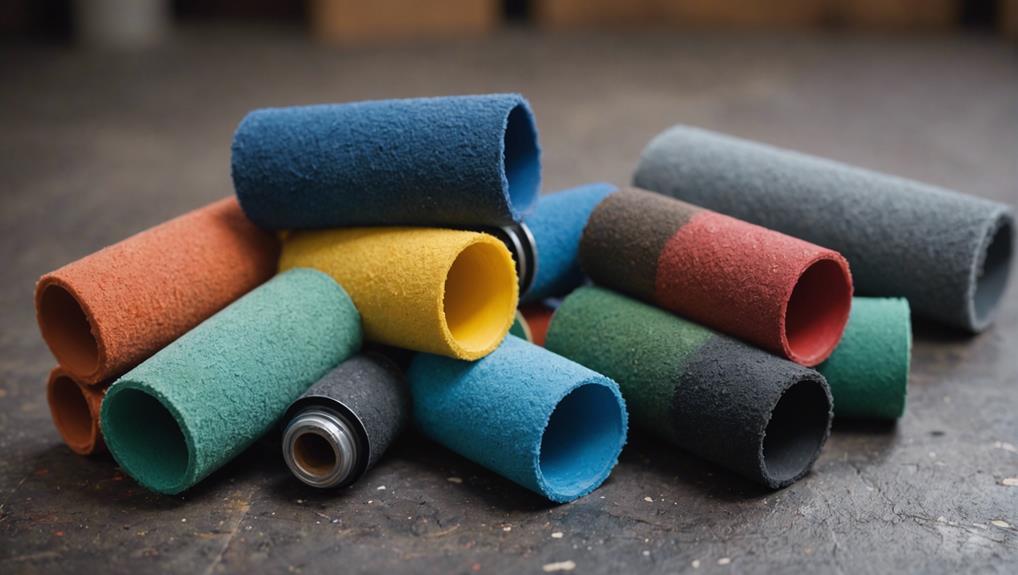

For hiding surface irregularities, the right roller cover is the one that reaches the texture without leaving a finish rougher than the wall itself. I’d start with the Wooster Super/Fab for very rough areas where paint capacity matters, or the FoamPro slit-foam cover for deep, uneven texture such as popcorn ceilings. For a less aggressive nap on drywall and semi-smooth walls, the Pro Grade microfiber five-pack is the more controlled choice.

Get furniture and decor delivered free with Prime
- Fast, free delivery on millions of items
- Prime Video, Amazon Music and more included
- Member-only deals all year
These covers solve different problems, so I rank them by how well their material and nap match the surface—not by nap size alone. A thicker or more conformable cover can fill texture and soften the visual effect of small irregularities, but it may leave a heavier stipple on smoother walls. My comparison weighs surface fit, paint-holding potential, finish control, reuse, and the tradeoffs that can affect the finished coat.
Complete the kit


Key Takeaways
- The Wooster Super/Fab has the longest nap here at 1-1/4 inches, making it the strongest match for extra-rough surfaces rather than ordinary smooth drywall.
- FoamPro’s slit foam is built to conform to deep texture; its rough-surface focus makes it a poor all-purpose pick for smooth walls.
- Pro Grade’s 1/2-inch microfiber nap offers more control on smooth and semi-smooth surfaces, with five washable covers for repeat projects.
- PinStone’s 3/4-inch lambswool nap balances paint capacity with textured-surface reach, but loose fibers may affect the finish.
- A thicker nap can help coat uneven texture, but it cannot repair dents or ridges; matching nap to the wall helps avoid excessive stipple.
| Wooster Super/Fab Roller Cover, 9-Inch, 1-1/4-Inch Nap |  | Best Overall for Extra-Rough Walls | Cover width: 9 inches | Nap: 1-1/4 inches | Material: Proprietary fabric blend | VIEW ON AMAZON | See Our Full Breakdown |
| FoamPro 22 Slit-Foam Paint Roller Cover, 9 in x 1/2 in Nap |  | Best for Deep, Uneven Texture | Cover width: 9 inches | Nap: 1/2 inch | Material: Slit foam | VIEW ON AMAZON | See Our Full Breakdown |
| Pro Grade 9-Inch Microfiber Paint Roller Covers, 1/2-Inch Nap, 5-Pack |  | Best for Controlled Coverage on Drywall | Cover width: 9 inches | Nap: 1/2 inch | Material: Microfiber | VIEW ON AMAZON | See Our Full Breakdown |
| PinStone 9-Inch Lambswool Paint Roller Covers, 3/4-Inch Nap, 6-Pack |  | Best Multi-Pack for Rough Surfaces | Cover width: 9 inches | Nap: 3/4 inch | Material: Lambswool | VIEW ON AMAZON | See Our Full Breakdown |
| paint roller covers to hide imperfection | Cover width | Nap | Material | Paint compatibility |
|---|---|---|---|---|
| Wooster Super/Fab Roller Cover | 9 inches | 1-1/4 inches | Proprietary fabric blend | Flat and satin paints, stains, waterproofing sealers |
| FoamPro 22 Slit-Foam Paint Rol | 9 inches | 1/2 inch | Slit foam | — |
| Pro Grade 9-Inch Microfiber Pa | 9 inches | 1/2 inch | Microfiber | — |
| PinStone 9-Inch Lambswool Pain | 9 inches | 3/4 inch | Lambswool | Water- and oil-based paints and stains |
More Details on Our Top Picks
Wooster Super/Fab Roller Cover, 9-Inch, 1-1/4-Inch Nap
The Wooster Super/Fab earns the leading position for buyers dealing with pronounced texture and uneven coverage needs. Its 1-1/4-inch nap is the longest in this group, and the fabric blend is described as holding a high amount of paint while resisting matting. That combination can help keep paint reaching into rougher areas instead of leaving shallow spots between raised texture.
Compared with the FoamPro, this is a fabric cover rather than slit foam, with stated compatibility for flat and satin paints, stains, and waterproofing sealers. Its double-thick polypropylene core is described as resistant to water, solvents, and cracking, a useful construction detail for repeated work. The tradeoff is surface fit: a long nap intended for extra-rough areas can lay down too much texture or feel less controlled on smooth drywall. I would not choose it just because a wall has a few small dings; those may call for patching and sanding first.
For the right wall, its paint capacity and resistance to matting make it a stronger all-around rough-surface choice than the more specialized slit-foam cover. It is still a targeted tool, not a substitute for surface preparation, and the single-cover package offers less project coverage than the PinStone or Pro Grade multi-packs.
Pros:- Long 1-1/4-inch nap is suited to extra-rough surfaces.
- Fabric blend is designed for high paint capacity and resistance to matting.
- Compatible with flat and satin paints, stains, and waterproofing sealers.
- Double-thick polypropylene core resists water, solvents, and cracking.
Cons:- Extra-rough surface design may leave an overly textured finish on smoother walls.
- One cover per package gives less ready-to-use coverage than the multi-packs.
Best for: Painters covering extra-rough walls or textured surfaces with flat or satin paint who want a long nap and high paint capacity.
Not ideal for: Anyone painting smooth drywall, seeking a low-stipple finish, or needing several covers for a large job.
- Cover width:9 inches
- Nap:1-1/4 inches
- Material:Proprietary fabric blend
- Surface type:Extra-rough surfaces
- Paint compatibility:Flat and satin paints, stains, waterproofing sealers
- Core:Double-thick polypropylene
- Package quantity:1
Our verdict“I’d choose the Wooster for very rough surfaces where reaching texture and carrying paint matter more than a fine, smooth finish.”
FoamPro 22 Slit-Foam Paint Roller Cover, 9 in x 1/2 in Nap
The FoamPro 22 is the most texture-specific pick in this roundup. Its slit-foam construction is designed to flex around uneven surfaces, including popcorn ceilings, textured walls, fences, and siding. While its listed nap is only 1/2 inch, the slit-foam design is intended to conform to deeper texture; nap length alone does not tell the whole story about how a cover meets a surface.
Compared with the longer-nap Wooster and PinStone covers, FoamPro leans on its material and cut rather than a dense pile to reach irregular areas. That may appeal when texture is pronounced but a conventional cover is not following the surface evenly. Its main limitation is also clear: the product is intended for rough and uneven surfaces, so it is a weak fit for smooth walls where an even, restrained finish is the priority. The listed surface recommendations include copper, stainless steel, stone, and wood, so I would check paint and surface compatibility for the specific job rather than assume every wall coating is suitable.
This cover makes more sense as a specialist tool than as a general-purpose roller. I’d pick it over Pro Grade for a deeply textured ceiling, but choose Pro Grade for drywall or a semi-smooth wall where finish control matters more than reaching into texture.
Pros:- Slit-foam construction is designed to conform to deep texture.
- Intended for semi-rough and uneven surfaces.
- Suitable for textured ceilings, walls, fences, and siding.
- A 9-inch width fits standard-size roller work.
Cons:- Rough-surface focus limits usefulness on smooth surfaces.
- The listed nap and surface guidance may not suit buyers seeking a conventional thick-pile cover.
Best for: Painters tackling popcorn ceilings, textured walls, fences, or siding where a conformable cover may follow irregular contours.
Not ideal for: People painting smooth drywall or looking for one cover that handles both fine finishes and deep texture.
- Cover width:9 inches
- Nap:1/2 inch
- Material:Slit foam
- Model:22
- Surface guidance:Semi-rough and uneven surfaces
- Suggested uses:Textured ceilings, walls, fences, and siding
- Unit count:1
Our verdict“I’d reserve the FoamPro for deep, irregular texture where its slit foam has a clearer advantage than a standard microfiber cover.”
Pro Grade 9-Inch Microfiber Paint Roller Covers, 1/2-Inch Nap, 5-Pack
The Pro Grade microfiber covers take a different approach from the rough-surface specialists: their 1/2-inch nap is aimed at smooth and semi-smooth surfaces, including drywall. For a wall with minor texture or modest surface variation, this lower nap offers a more controlled starting point than the Wooster’s 1-1/4-inch pile or PinStone’s 3/4-inch lambswool. It can help paint coverage look more even without adding as much roller texture.
The five-cover pack is a practical advantage for larger jobs or color changes, and the covers are described as washable, reusable, and shed-resistant. Compared with FoamPro, Pro Grade is the more natural choice for drywall; compared with PinStone, it is aimed at smoother surfaces rather than stucco or masonry. The limitation follows from that positioning: a half-inch nap may not reach deep recesses as readily as the thicker or specially cut options. The supplied product details do not list specific drawbacks, so I would still judge suitability by surface texture rather than treating the claims as a guarantee of a flawless finish.
This is the most measured pick for a buyer who wants to soften the appearance of ordinary wall irregularities without using a very long nap. It will not hide dents, seams, or ridges by itself, and heavy texture may call for one of the other covers—or surface repair before painting.
Pros:- 1/2-inch microfiber nap is suited to smooth and semi-smooth surfaces.
- Designed for even coverage on drywall, walls, and ceilings.
- Shed-resistant construction supports a cleaner application.
- Five washable, reusable covers suit larger or repeated projects.
Cons:- Shorter nap may not reach deep texture as effectively as Wooster or PinStone.
- No specific drawback data is supplied, leaving less detail about finish limitations.
Best for: Homeowners painting smooth to semi-smooth drywall who want a moderate nap, washable covers, and multiple rollers for a project.
Not ideal for: Painters coating deep popcorn texture, rough masonry, or highly irregular surfaces that need more reach from the nap.
- Cover width:9 inches
- Nap:1/2 inch
- Material:Microfiber
- Pack quantity:5 covers
- Surface suitability:Smooth and semi-smooth surfaces, including drywall
- Use:Interior and exterior walls and ceilings
- Care:Washable and reusable
- Frame compatibility:Standard 9-inch roller frames
Our verdict“I’d choose Pro Grade when the surface is mostly drywall and a controlled, reusable cover matters more than maximum texture reach.”
PinStone 9-Inch Lambswool Paint Roller Covers, 3/4-Inch Nap, 6-Pack
PinStone’s lambswool covers sit between the moderate Pro Grade nap and the extra-long Wooster pile. At 3/4 inch, the dense nap is described as holding paint well and reaching uneven areas on stucco, masonry, and decks. That makes this six-pack a useful match for repeated work across rough surfaces, especially where swapping covers during a project is preferable to relying on a single sleeve.
Compared with the Wooster, PinStone gives up some nap length but supplies six reusable covers and lists compatibility with both water- and oil-based paints and stains. Compared with FoamPro, its conventional lambswool construction and thicker pile offer a familiar option for rough surfaces, rather than relying on slit foam to conform. The key drawback is the stated risk of loose fibers on the finish. A visible fiber issue can undermine the smooth appearance a buyer is trying to achieve, so careful cover preparation and finish inspection are sensible, particularly on prominent interior walls.
I’d favor PinStone for large rough-surface jobs where paint capacity and several reusable covers matter. For smooth drywall, Pro Grade is a better match; for the deepest texture, FoamPro’s design is more specifically targeted. PinStone’s balance is useful, but the potential for fiber shedding keeps it below the leading pick.
Pros:- Dense 3/4-inch nap holds paint and reaches uneven surfaces.
- Six covers support larger projects and cover changes.
- Reusable and washable construction.
- Works with water- and oil-based paints and stains.
Cons:- May leave loose fibers on the painted finish.
- Thicker nap is less suited to smooth walls where minimal stipple is preferred.
Best for: Painters handling stucco, masonry, decks, or other rough surfaces who want several reusable covers and broad paint compatibility.
Not ideal for: Anyone seeking a low-texture finish on smooth walls or unwilling to manage the possibility of loose fibers.
- Cover width:9 inches
- Nap:3/4 inch
- Material:Lambswool
- Pack quantity:6 covers
- Surface suitability:Rough and textured surfaces
- Suggested surfaces:Stucco, masonry, and decks
- Paint compatibility:Water- and oil-based paints and stains
- Frame compatibility:Standard 9-inch paint roller frames
Our verdict“I’d choose PinStone for substantial rough-surface work where a six-pack and paint capacity outweigh the risk of stray fibers.”

How We Picked
I ranked these four covers by how directly their stated materials and nap sizes address the goal of making imperfect surfaces look more evenly painted. The lineup spans a 1/2-inch microfiber cover, 1/2-inch slit foam, 3/4-inch lambswool, and 1-1/4-inch blended fabric. That range matters: a cover suited to semi-smooth drywall is not automatically the best choice for masonry or a popcorn ceiling.
I also compared paint capacity, texture conformity, finish control, and the practical value of reuse or multiple covers. Product details support claims about materials and intended surface types, but they do not establish that any roller can conceal structural damage. I treated missing drawback information as uncertainty rather than proof of a flawless finish. My order favors a useful balance for rough surfaces first, then more specialized texture coverage, broader reuse, and a high-capacity but narrower-use option.
| paint roller covers to hide imperfection | Material | Paint compatibility | Surface suitability | Frame compatibility |
|---|---|---|---|---|
| Wooster Super/Fab Roller Cover | Proprietary fabric blend | Flat and satin paints, stains, waterproofing sealers | — | — |
| FoamPro 22 Slit-Foam Paint Rol | Slit foam | — | — | — |
| Pro Grade 9-Inch Microfiber Pa | Microfiber | — | Smooth and semi-smooth surfaces, including drywall | Standard 9-inch roller frames |
| PinStone 9-Inch Lambswool Pain | Lambswool | Water- and oil-based paints and stains | Rough and textured surfaces | Standard 9-inch paint roller frames |
Factors to Consider When Choosing Paint Roller Covers To Hide Imperfections
I’d match the cover to the wall’s texture and the finish you want, rather than choosing the thickest nap by default. A roller can help distribute paint across raised and recessed areas, but it cannot flatten a damaged wall or make poor preparation disappear.
Match nap to the actual texture
For smooth or lightly textured drywall, a 1/2-inch nap such as Pro Grade’s offers more control and is less likely to build a pronounced roller pattern than a long-pile cover. Semi-rough walls may benefit from more reach. On distinctly rough surfaces, Wooster’s 1-1/4-inch nap or PinStone’s 3/4-inch lambswool is a more logical match. FoamPro complicates a simple nap comparison: its slits are intended to let the foam conform to uneven texture despite the listed half-inch nap. Choose for surface behavior, not just the number.
Know what a roller can and cannot hide
A suitable cover can help paint reach around small surface variations and produce more consistent coverage, which may make minor texture look less uneven. It will not conceal dents, raised seams, cracks, or deep gouges. Those defects usually need repair, sanding, or another preparation step before painting. Applying a thicker coat in an attempt to fill damage can create uneven sheen, drips, or a rougher appearance rather than a cleaner wall.
Balance texture reach against finish control
A longer nap can hold more paint and reach into rougher surfaces, but it can also leave a more visible stipple on a smoother wall. That is why the Wooster and PinStone fit rough-surface work, while Pro Grade better suits drywall. FoamPro is a specialized option for irregular texture rather than a universal cover. If a wall includes both smooth patches and coarse areas, consider whether separate covers—or separate preparation—will give a more consistent result than one cover across everything.
Consider fibers, washing, and project size
Cover construction affects upkeep as well as application. Pro Grade and PinStone are described as washable and reusable; the multi-packs also provide spare covers for larger projects or paint changes. PinStone carries a specific caveat about possible loose fibers, which may call for careful preparation and inspection. Wooster’s core is described as resistant to water, solvents, and cracking, while its package contains one cover. Think about how many rooms you plan to coat and whether cleanup and reuse matter before choosing.
Prepare the wall before rolling
Clean the surface and repair obvious defects before applying paint. Follow the coating instructions for compatible roller materials and recommended application. A test patch can show whether the chosen nap leaves an acceptable pattern on that particular wall. Keep the roller evenly loaded and avoid pressing hard to force paint into recesses; pressure can create inconsistent coverage. These simple checks help the cover do its job without asking it to compensate for unrepaired surface damage.
Frequently Asked Questions
Which roller cover is best for hiding wall imperfections?
For extra-rough surfaces, I’d start with the Wooster Super/Fab because its 1-1/4-inch nap is intended for that kind of texture. For smooth or semi-smooth drywall with minor irregularities, Pro Grade’s 1/2-inch microfiber cover offers a more controlled fit. The best choice depends on the wall: a longer nap can reach rough texture, but it may leave more stipple on a smooth finish.
Does a thicker nap hide dents and cracks?
No. A thicker nap can help paint reach into textured or uneven areas, but it does not repair structural or surface damage. Dents, cracks, raised seams, and gouges generally need patching or other preparation before painting. I would not rely on a roller cover to conceal defects that change the wall’s shape.
Is slit foam or fabric better for a popcorn ceiling?
FoamPro is specifically described for deep texture, including popcorn ceilings, because its slit-foam cover is designed to conform to uneven surfaces. A fabric cover such as Wooster may suit extra-rough areas and carries high paint capacity, but its longer nap can leave a heavier roller pattern. I’d test a small, inconspicuous section and check the paint manufacturer’s application guidance before covering a ceiling.
Which of these covers is better for smooth drywall?
Pro Grade is the clearest fit among these four for smooth or semi-smooth drywall, with its 1/2-inch microfiber nap and stated use on drywall. The longer Wooster and PinStone naps are aimed more at rough surfaces, while FoamPro is intended for uneven texture. On very smooth walls, even a half-inch nap may leave a visible pattern, so a test patch can help confirm the finish.
Can I reuse these roller covers?
Pro Grade and PinStone are described as washable and reusable, and each comes in a multi-cover pack. The listed details do not specify the same washing claim for every cover, so I’d follow the care instructions for the individual product and the paint being used. Clean a cover promptly and inspect it before reuse; loose fibers or dried paint can affect the next coat.
Conclusion
For extra-rough walls, I’d choose the Wooster Super/Fab for its long nap and paint capacity. For popcorn ceilings or deep, irregular texture, FoamPro is the more specialized option. If the project is mostly drywall and semi-smooth surfaces, Pro Grade gives a more controlled nap and five reusable covers. For stucco, masonry, or decks, PinStone’s six-pack offers a useful rough-surface balance, provided you are willing to watch for loose fibers. Whichever cover fits, repair visible damage first: matching nap to texture helps the paint look more even, but preparation is what fixes the wall.
Halloween Picks

12.5-Foot Lighted Halloween Inflatable Archway

Spirit Halloween Scary Sitting Scarecrow Animatronic, 4 ft 6 in

DomKom 6-Foot Halloween Inflatable Ghosts Roasting Marshmallows
As an affiliate, we earn on qualifying purchases.