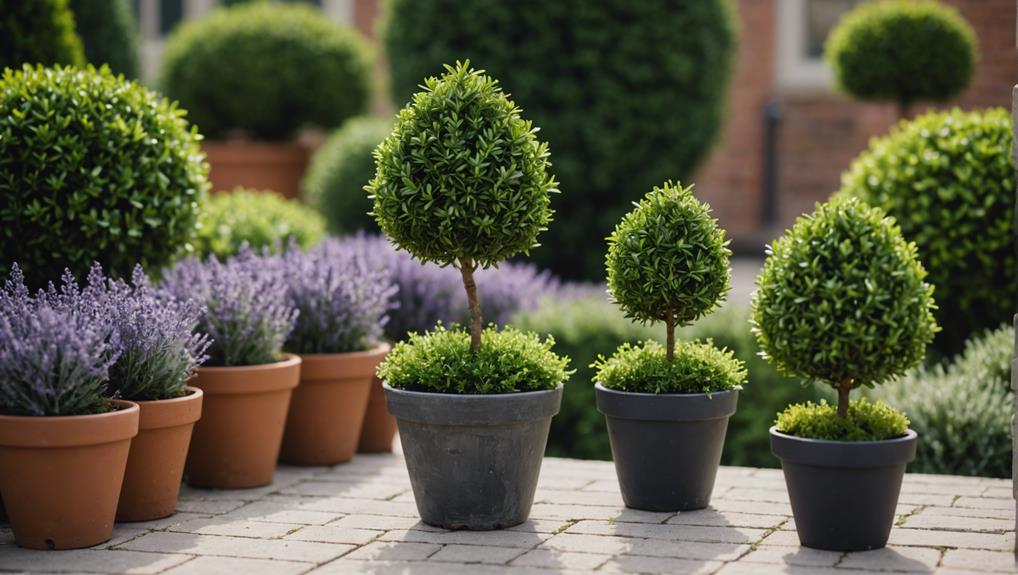

Choosing the perfect plant for small topiary depends on your space, climate, and aesthetic preferences. For those seeking a compact, aromatic option, the Live Dwarf Lemon Cypress offers bright yellow-green foliage and a pleasant lemon scent, making it a lively indoor or outdoor accent. Meanwhile, the Perfect Plants Japanese Boxwood stands out as a hardy, low-maintenance evergreen that can be shaped into precise forms, ideal for more traditional or formal gardens. Both have distinct tradeoffs: the lemon cypress is more sensitive to temperature and water conditions, while the boxwood requires regular pruning but offers greater resilience and year-round greenery.

Get furniture and decor delivered free with Prime
- Fast, free delivery on millions of items
- Prime Video, Amazon Music and more included
- Member-only deals all year
Complete the kit


Key Takeaways
- The dwarf lemon cypress provides a compact, aromatic option suitable for small spaces but needs careful climate and watering conditions.
- Japanese boxwood is highly adaptable and easy to shape, making it ideal for gardeners prioritizing low maintenance and classic topiary shapes.
- Temperature sensitivity of the lemon cypress limits outdoor use in extreme climates, whereas boxwood’s hardiness makes it more versatile.
- Both plants can be used indoors or outdoors, but their care requirements differ significantly.
- Choosing between these depends on whether you prefer a scented, delicate plant or a resilient, easily pruned shrub.
| Live Dwarf Lemon Cypress Topiary in 4.5-inch Pot |  | Best Overall for Compact, Aromatic Topiary | Plant Type: Dwarf Lemon Cypress (Cupressus macrocarpa ‘Goldcrest Wilma’) | Pot Size: 4.5 inches | Foliage Color: Yellow-green | VIEW ON AMAZON | See Our Full Breakdown |
| Perfect Plants Japanese Boxwood, 1 Gallon, Live Evergreen Shrub |  | Best for Resilient, Easy-to-Shape Topiary | Plant Type: Evergreen Shrub | Size: 1 Gallon | Mature Height: 5-6 feet | VIEW ON AMAZON | See Our Full Breakdown |
| plants for small topiary | Plant Type | Pot Size | Foliage Color | Growth Habit |
|---|---|---|---|---|
| Live Dwarf Lemon Cypress Topia | Dwarf Lemon Cypress (Cupressus macrocarpa ‘Goldcrest Wilma’) | 4.5 inches | Yellow-green | Columnar, conical |
| Perfect Plants Japanese Boxwoo | Evergreen Shrub | — | — | — |
More Details on Our Top Picks
Live Dwarf Lemon Cypress Topiary in 4.5-inch Pot
The Live Dwarf Lemon Cypress captures attention with its vibrant yellow-green, needle-like foliage and a refreshing lemon scent that enhances any space. Compared to traditional boxwoods, it offers a more striking visual and aromatic presence, especially suitable for small containers or indoor use. Its columnar, conical shape makes it easy to maintain a neat, formal topiary look. However, its sensitivity to temperature extremes and specific watering needs mean it’s better suited for climates that stay within moderate ranges or for indoor environments. While easy to care for when conditions are right, it can struggle in very hot or freezing weather, which limits outdoor placement in some regions.
Pros:- Bright, attractive foliage with a pleasant lemon scent
- Compact size perfect for small spaces or containers
- Easy to care for with well-drained soil and sunlight
Cons:- Sensitive to temperature extremes, especially heat above 80°F or cold below 20°F
- Requires careful watering to avoid overwatering
- Needs well-drained, sandy soil for optimal health
Best for: Homeowners looking for a fragrant, eye-catching small topiary that can be kept indoors or outdoors with proper care.
Not ideal for: Gardeners in extreme heat or cold zones who prefer a low-maintenance, hardy shrub without scent.
- Plant Type:Dwarf Lemon Cypress (Cupressus macrocarpa ‘Goldcrest Wilma’)
- Pot Size:4.5 inches
- Foliage Color:Yellow-green
- Growth Habit:Columnar, conical
- Scent:Lemon scent when brushed or crushed
- Care Requirements:Prefers sandy, well-drained soil; full to partial sun; water deeply; avoid overwatering
Our verdict“This plant is ideal for those seeking a visually striking, aromatic small topiary, provided they can manage its climate sensitivities.”
Perfect Plants Japanese Boxwood, 1 Gallon, Live Evergreen Shrub
The Japanese Boxwood stands out for its durability and ease of shaping into classic topiary forms. It features dense, dark green foliage and produces delicate white flowers in spring and early summer. Unlike the lemon cypress, it tolerates a broader range of climates, including colder zones down to USDA 3, making it a flexible choice for various outdoor settings. While it requires regular pruning to maintain a small, neat shape—especially in early seasons—it remains relatively low maintenance overall. Its resistance to pests and diseases further enhances its appeal for gardeners who want a dependable, year-round green feature without fussing over environmental sensitivities.
Pros:- Very hardy and resistant to pests and diseases
- Easy to prune into precise shapes and sizes
- Produces attractive white flowers and evergreen foliage
Cons:- Requires regular pruning for small, refined topiary shapes
- Cannot be shipped to California or Arizona due to state laws
- Limited information on price and customer ratings, making evaluation harder
Best for: Gardeners seeking a hardy, low-maintenance shrub that responds well to pruning and can handle various climates.
Not ideal for: Those looking for a scented plant or a very small, container-bound topiary, as boxwoods tend to grow larger and are less aromatic.
- Plant Type:Evergreen Shrub
- Size:1 Gallon
- Mature Height:5-6 feet
- Mature Width:4-6 feet
- Blooming Period:Spring, Summer, Winter
- Sunlight Exposure:Partial Shade
- USDA Hardiness Zone:3
- Water Needs:Moderate
Our verdict“This shrub is best suited for gardeners needing a resilient, easily shaped small topiary that requires minimal fuss once established.”

How We Picked
Our selection process focused on plants specifically suited to small topiary needs, balancing size, ease of care, and adaptability. We prioritized plants that stay manageable in small spaces, are relatively easy for home gardeners to shape or maintain, and perform reliably across different climates. We also considered the aesthetic appeal, scent, and growth habits that make each plant stand out for topiary use. Each option was evaluated for its tradeoffs, ensuring that whether you’re a beginner or experienced gardener, you can find a suitable plant for your small topiary project.
| plants for small topiary | Plant Type |
|---|---|
| Live Dwarf Lemon Cypress Topia | Dwarf Lemon Cypress (Cupressus macrocarpa ‘Goldcrest Wilma’) |
| Perfect Plants Japanese Boxwoo | Evergreen Shrub |
Factors to Consider When Choosing Plants For Small Topiary
Selecting the right plant for small topiary involves balancing size, climate adaptability, maintenance needs, and aesthetic appeal. The ideal choice depends on your specific environment and how much effort you’re willing to put into shaping and caring for your plant. Both the dwarf lemon cypress and Japanese boxwood offer unique benefits, but understanding their growth habits, environmental needs, and shaping potential helps ensure a successful topiary project.Size and Growth Habit
For small topiary, choosing a plant that stays manageable without requiring constant pruning is key. The dwarf lemon cypress remains compact and conical, making it an excellent choice for tight spaces. In contrast, the boxwood can grow larger but responds well to pruning, allowing you to keep it in a small, controlled shape. Consider your space and how much shaping you’re willing to do when selecting your plant.
Climate and Placement
The lemon cypress prefers moderate temperatures and well-drained soil, thriving in partial sun but sensitive to extreme heat or cold. It’s better suited for indoor settings or mild outdoor conditions. The boxwood, on the other hand, is highly adaptable and can tolerate a wider range of climates, making it a more versatile choice for outdoor gardens across zones 3 to 8.
Maintenance and Shaping
If you want a low-maintenance plant that naturally retains a small form, the lemon cypress requires minimal pruning but needs precise watering and sunlight. The boxwood demands regular pruning to maintain a small, dense shape but is otherwise resilient and easy to care for, especially for those familiar with shaping plants into formal designs.
Aesthetic and Scent
The lemon cypress offers a fresh lemon scent, adding a sensory dimension to its visual appeal. The boxwood excels in providing dense, evergreen foliage that maintains its color year-round, with the added charm of spring flowers. Your choice depends on whether scent or consistent greenery is more important for your space.
Frequently Asked Questions
Can I keep the dwarf lemon cypress indoors?
Yes, the dwarf lemon cypress is well-suited for indoor placement, especially in well-lit areas with indirect sunlight. Its compact size makes it ideal for containers on patios or inside living spaces. However, it still needs good airflow and careful watering — avoiding overwatering is crucial to prevent root rot. Keep it away from drafts or heat sources that could dry it out or cause temperature stress.
How often should I prune the boxwood for small topiary shapes?
Pruning frequency depends on the desired shape, but generally, light trimming every few weeks during the growing season helps maintain a neat form. For more precise topiary shapes, a more thorough pruning at the start of the growing season is recommended. Regular pruning encourages dense foliage and prevents the plant from growing beyond your chosen dimensions, making it easier to keep in small topiary forms.
Are these plants suitable for beginners?
Both plants can work for beginners, but the boxwood tends to be more forgiving, especially in variable climates. It requires less fussing over watering or temperature, and shaping can be done gradually. The lemon cypress is also manageable but demands more attention to watering and climate conditions, which might be challenging for absolute novices. Understanding each plant’s needs is key to success.
Can I grow these plants in containers?
Absolutely, both plants thrive in containers, which makes them ideal for small topiary. The lemon cypress comes in a 4.5-inch pot, ready for immediate placement, while the boxwood can be purchased in a 1-gallon pot, suitable for shaping and small spaces. Container gardening allows greater control over soil and watering, but ensure proper drainage and regular feeding to keep them healthy.
What common issues should I watch for?
The lemon cypress may suffer from overwatering, root rot, or temperature stress if exposed to extreme heat or cold. Regular monitoring and proper placement are essential. The boxwood can face pests like aphids or diseases such as leaf spot, but overall, it is resilient. Regular pruning and inspection help prevent major problems, keeping your topiary healthy and attractive.
Conclusion
For those new to topiary or with limited outdoor space, the Live Dwarf Lemon Cypress offers a charming, aromatic accent, perfect for container or indoor use, provided climate conditions are suitable. Gardeners seeking a durable, low-maintenance plant that they can shape into elegant forms should consider the Perfect Plants Japanese Boxwood. It’s especially well-suited for outdoor gardens in colder zones or for those who prefer a more traditional, evergreen topiary that can be kept neat with minimal effort.