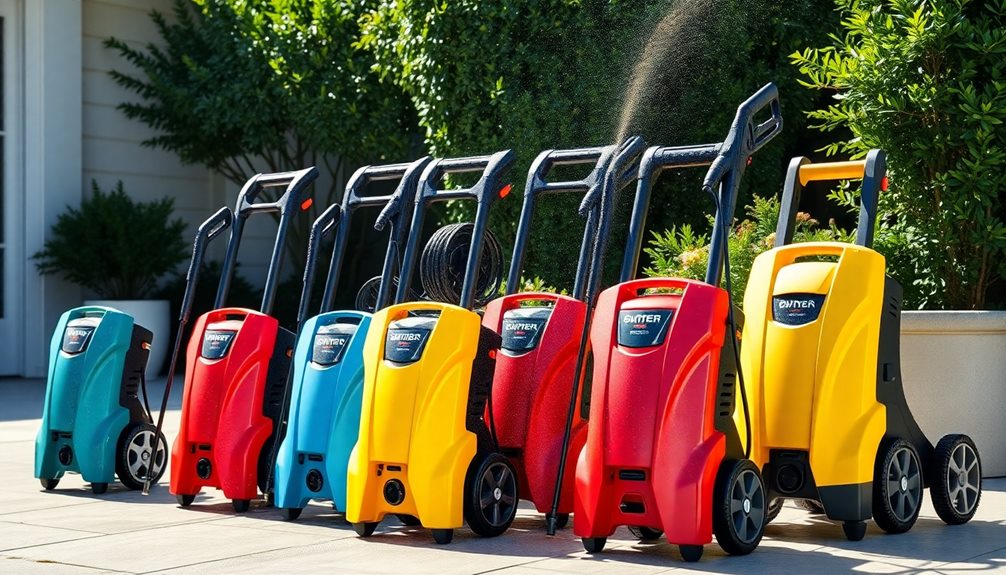
Looking for a pressure washer that fits your home cleaning needs? The best overall pick is the Westinghouse WPX3000e, offering a strong 3000 PSI and convenient onboard soap tank. For those seeking power, the PowerSmart Gas Pressure Washer delivers 3800 PSI with higher GPM, ideal for tougher jobs. However, higher pressure models tend to be heavier and more expensive, while electric models are lighter and quieter but may lack the raw power for larger tasks. Continue reading for a detailed breakdown of these options and how to choose the right one for your home.
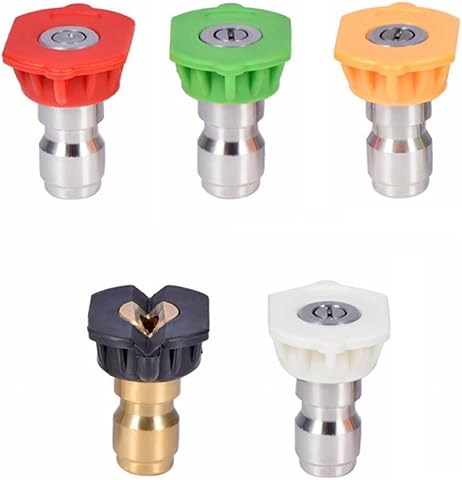
Complete the kit


Key Takeaways
- The top electric models balance power, portability, and ease of use, making them suitable for most homeowners.
- Gas-powered pressure washers generally offer higher PSI and GPM, but come with increased weight, noise, and maintenance requirements.
- Features like onboard soap tanks and adjustable nozzles enhance convenience and versatility for different cleaning tasks.
- Budget options often sacrifice power or durability, so investing a bit more can provide better long-term value.
- Size and portability are crucial; larger units are powerful but less maneuverable, while compact models are easier to store and handle.


More Details on Our Top Picks
Westinghouse WPX3000e Electric Pressure Washer, 3000 PSI, 1.76 GPM, with Onboard Soap Tank and Nozzle Set
The Westinghouse WPX3000e stands out for its high power of 3000 PSI and 1.76 GPM, making it a top choice for tackling stubborn dirt on decks, fences, and vehicles. Compared with the Greenworks 2100 PSI model, it offers significantly more cleaning power, though it is heavier and requires an electrical outlet, which can limit mobility. This pressure washer’s durable steel frame and 25-foot hose provide stability and reach, while the onboard soap tank adds convenience for soap application. The variety of nozzles enhances versatility across different surfaces. However, its weight and reliance on AC power might challenge users needing portability or working in remote locations. Overall, this pick makes the most sense for homeowners seeking serious cleaning performance with a broad task range, accepting some added weight and power dependency.
Pros:- Powerful cleaning with 3000 PSI and 1.76 GPM
- Includes a variety of nozzles for different tasks
- Durable steel frame with large wheels for mobility
- Onboard soap tank for easy soap application
Cons:- Heavy weight may be cumbersome for some users
- Requires an electrical outlet, limiting portability
- Limited to a 3-year warranty, which may be short for some buyers
Best for: Homeowners needing powerful, versatile cleaning for large outdoor surfaces and vehicles
Not ideal for: Users who prefer lightweight, portable options or lack easy access to electrical outlets
Our verdict“This model is perfect for homeowners who need serious cleaning power and versatility, and don’t mind the weight or power cord.”
PowerSmart Gas Pressure Washer, 3800 PSI, 2.5 GPM
The PowerSmart Gas Pressure Washer delivers 3800 PSI and 2.5 GPM, offering a substantial upgrade in power over electric models like the Greenworks 2100 PSI. Its 212cc 4-stroke engine allows it to handle second-story siding, making it suitable for larger, more demanding cleaning projects. Compared to the lighter electric options, this unit’s rugged steel frame and pneumatic tires provide easier transport across uneven terrain, though its weight can still be a challenge for some users. The inclusion of multiple nozzles and an onboard soap tank adds to its versatility, but ongoing maintenance, fuel, and engine care are additional considerations. It excels for those with extensive outdoor cleaning needs who are comfortable with gas-powered equipment. However, it’s less ideal for casual or infrequent use due to its weight and maintenance requirements.
Pros:- High cleaning power with 3800 PSI and 2.5 GPM
- Can reach second-story surfaces thanks to powerful engine
- Rugged steel frame with pneumatic tires for easy mobility
- Includes multiple nozzles and onboard soap tank
Cons:- Heavy and requires effort to move
- Requires gas and engine maintenance
- Noisy operation may disturb neighbors
Best for: Homeowners with large outdoor spaces needing powerful, mobile cleaning equipment
Not ideal for: Users seeking a lightweight, maintenance-free electric option for occasional use
Our verdict“Best suited for owners who need serious power and don’t mind the extra effort of gas engine upkeep.”
4200 PSI Gas Pressure Washer with 4.0 GPM and 212CC Engine
The 4200 PSI Gas Pressure Washer offers professional-grade cleaning with 4200 PSI and 4.0 GPM, making it ideal for the toughest outdoor jobs like cleaning brick walls or large driveways. Its 212CC engine and heavy-duty steel frame ensure durability and extended runtime, surpassing the PowerSmart model in power and flow rate. The five quick-connect nozzles and 32-foot hose reel support diverse tasks, but the unit’s weight and size make it less suitable for casual users or those with limited storage space. It’s a clear choice for contractors or serious homeowners who need maximum power and efficiency, yet it involves more maintenance and fuel management. For light-duty chores, this unit would be overkill and less convenient to handle.
Pros:- Extremely powerful with 4200 PSI and 4.0 GPM
- Heavy-duty construction with a durable steel frame
- Multiple nozzles and long hose for versatility
- Large fuel tank supports prolonged use
Cons:- Heavy and difficult to maneuver
- Requires gasoline, oil, and maintenance
- Overkill for small or light cleaning tasks
Best for: Professionals or homeowners tackling large or heavily soiled surfaces regularly
Not ideal for: Casual users or those with limited storage space seeking lightweight equipment
Our verdict“This pressure washer is designed for those who need maximum cleaning power and don’t mind the weight and maintenance involved.”
Greenworks 2100 PSI Electric Pressure Washer
The Greenworks 2100 PSI Electric Pressure Washer provides a balanced option for homeowners with medium-duty cleaning needs, such as fencing or patios. Its 2100 PSI and 1.2 GPM match the capabilities of other electric models like the Westinghouse ePX3500, but with the added benefit of a 3-year warranty and safety features like GFCI protection. Compared to higher-pressure units, it’s less suited for heavy-duty tasks but offers quieter operation and simple push-button start, making it accessible for casual users. The corded design limits mobility somewhat, but for small to medium projects, it offers a reliable, maintenance-free experience. It’s an ideal pick for those who want a straightforward, safe, and versatile electric washer for routine outdoor cleaning.
Pros:- Effective 2100 PSI for medium-duty tasks
- No maintenance required (no gas/oil)
- Includes multiple nozzles and accessories
- Safety features with GFCI plug
Cons:- Limited to medium-duty tasks
- Corded design restricts movement
- Lacks adjustable pressure settings for different surfaces
Best for: Homeowners requiring reliable medium-duty cleaning without the hassle of gas engines
Not ideal for: Users with large properties or heavy-duty cleaning needs that exceed 2100 PSI
Our verdict“This electric pressure washer offers a solid balance of power and simplicity for homeowners focused on routine outdoor cleaning.”
Electric Pressure Washer 4500 PSI 2.8 GPM with Anti-Tipping Technology
The Electric Pressure Washer 4500 PSI delivers exceptional cleaning power suitable for demanding jobs like cleaning brick walls or large concrete surfaces. Its 4500 PSI and 2.8 GPM flow rate outperform most electric models, including the Westinghouse ePX3050, while its anti-tipping technology provides stability during operation. The compact size and lightweight design make it easier to move despite the high power, and the multiple quick-connect nozzles expand versatility. However, this unit’s high pressure requires careful handling to avoid damage or injury, and safety precautions are a must. It’s ideal for serious DIYers or small contractors who need a portable yet powerful machine, but overuse or improper handling could pose risks. For casual or light-duty cleaning, this model might be more power than needed.
Pros:- Exceptional 4500 PSI and 2.8 GPM for heavy-duty cleaning
- Includes multiple nozzles for versatility
- Anti-tipping technology enhances stability
- Compact and portable design
Cons:- Requires careful handling to prevent injury
- High pressure can damage delicate surfaces if misused
- Needs an electrical outlet for operation
Best for: Homeowners or small contractors needing powerful, stable cleaning equipment for tough surfaces
Not ideal for: Infrequent users or those with limited space seeking lightweight, simple electric washers
Our verdict“This model is best suited for users who need serious cleaning power with added stability and portability, provided they handle it responsibly.”
Westinghouse ePX3050 Electric Pressure Washer, 2100 Max PSI, 1.76 Max GPM with Foam Cannon and Turbo Nozzle
This model stands out for its combination of power and portability, offering up to 2100 PSI and 1.76 GPM, making it suitable for a variety of household cleaning tasks. Compared to the Westinghouse ePX3100v, it has a similar PSI but a slightly smaller size, which favors storage and maneuverability. However, its limited tank volume and hose length mean it’s less ideal for extended cleaning sessions or large areas. The inclusion of multiple quick connect nozzles and a foam cannon boosts its versatility, but the shorter hose can be a constraint for bigger driveways or fences.
Pros:- Compact and lightweight for easy storage and transport
- High PSI and GPM for effective cleaning performance
- Includes multiple nozzles and foam cannon for versatility
Cons:- Limited tank volume restricts extended use without refilling
- Hose length may be too short for some larger projects
Best for: Homeowners needing a lightweight, easy-to-store pressure washer for decks, vehicles, and fences
Not ideal for: Users requiring long cleaning sessions or large-area coverage, due to limited hose length and tank capacity
- Max PSI:2100
- Max GPM:1.76
- Rated PSI:1800
- Rated GPM:1.2
- Hose Length:20 feet
- Item Weight:17 pounds
- Item Dimensions:12.4″L x 11.3″W x 25.8″H
- Tank Volume:20 fluid ounces
- Power:AC 120V
Our verdict“This pressure washer is ideal for homeowners seeking a portable option that handles most household cleaning tasks with ease.”
Westinghouse ePX3100v Electric Pressure Washer, 2100 Max PSI, 1.76 Max GPM, Portable with Detachable Foam Cannon and Steel Wand
This pick makes the most sense for users who need a highly portable unit without sacrificing power, delivering up to 2100 PSI and 1.76 GPM. Its built-in handle and light weight of only 17.6 pounds make it easy to carry around, similar to the Westinghouse ePX3050, but with a more compact design that favors quick setups. The detachable foam cannon and steel wand add to its versatility for different cleaning needs, yet it may not satisfy those with large-area requirements or demanding continuous use, given its hose length and focus on household tasks.
Pros:- Very lightweight and portable, ideal for quick jobs
- Includes a detachable foam cannon and steel wand for flexible cleaning
- Powerful with up to 2100 PSI and 1.76 GPM
Cons:- Hose length may be restrictive for larger areas
- Limited tank capacity reduces continuous operation time
Best for: Homeowners cleaning vehicles, fences, or patios who prioritize portability and ease of use
Not ideal for: People tackling large or prolonged jobs, since the hose length and tank capacity limit extended cleaning sessions
- Max PSI:2100
- Max GPM:1.76
- Rated PSI:1800
- Rated GPM:1.2
- Hose Length:20 feet
- Item Weight:17.6 pounds
- Item Dimensions:15″L x 8.5″W x 11″H
- Power Source:AC
Our verdict“This pressure washer is perfect for users who want a portable, easy-to-handle unit for typical household cleaning tasks.”
Westinghouse ePX3500 Electric Pressure Washer, 2500 PSI, 1.76 GPM, with Steel Wand and Nozzle Set
This model offers the highest pressure among these options at 2500 PSI, equipped with a pro-style steel extendable wand and a versatile five-nozzle set. It provides robust cleaning power suitable for tougher jobs like stubborn stains on fences or driveways, outperforming the other two in raw strength. Its 25-foot hose and 19-pound weight strike a balance between reach and portability, but durability could be a concern for frequent, heavy-duty use, and the hose length may still be limiting for very large areas. The inclusion of a 3-year warranty adds confidence for serious users.
Pros:- Highest PSI at 2500 for tough cleaning jobs
- Includes a durable steel wand and multiple nozzles for versatility
- Longer 25-foot hose improves reach
Cons:- Slightly heavier at 19 pounds, which may affect portability
- Hose length can still be restrictive for very large areas
Best for: Homeowners needing a powerful, versatile pressure washer for tough cleaning chores and larger areas
Not ideal for: Casual users or those with limited storage space, since the slightly heavier weight and multiple accessories might be overkill for light tasks
- Max PSI:2500
- Max GPM:1.76
- Rated PSI:2000
- Rated GPM:1.2
- Wand Length:17.5 inches
- Hose Length:25 feet
- Weight:19 pounds
- Nozzle Set:0°, 15°, 25°, turbo, soap
- Onboard Soap Tank:20 ounces
Our verdict“This pressure washer is best suited for homeowners tackling demanding cleaning projects and requiring maximum power and versatility.”

How We Picked
These pressure washers were selected based on their performance, build quality, and suitability for typical home use. We prioritized units that offer a good balance of power, ease of operation, and value, with special consideration for features that enhance versatility such as adjustable nozzles, onboard soap tanks, and portability. The ranking reflects an evaluation of user reviews and expert insights, focusing on how well each model handles common home cleaning tasks like driveways, decks, and siding. We also considered the maintenance requirements and overall durability to ensure these options provide reliable service over time.Factors to Consider When Choosing Pressure Washers For Home Use Buying Guide
Choosing the right pressure washer involves balancing power, usability, and features. While higher PSI and GPM ratings mean more cleaning power, they can also increase weight and cost. Consider your typical cleaning tasks—lighter, electric models are perfect for small jobs and ease of use, whereas gas models excel for large, tough jobs but require more maintenance. Features like adjustable nozzles, onboard soap tanks, and portability options can significantly improve your experience. Be mindful of storage space and noise levels, especially if you live in close quarters. Understanding these factors helps ensure you select a pressure washer that matches your needs without overpaying for unnecessary power.Power and Water Flow (PSI and GPM)
Power is primarily measured by PSI (pounds per square inch) and GPM (gallons per minute). Higher PSI means more force to blast away dirt, while GPM indicates how much water passes through, affecting cleaning speed. For typical home tasks like cleaning decks or siding, 2000-3000 PSI with 1.5-2.5 GPM is usually enough. Larger or more stubborn jobs may require higher ratings, but keep in mind that more power often means a heavier, more expensive unit. Finding the right balance prevents overpaying for power you won’t use and avoids underperforming models that struggle with tough grime.
Type of Pressure Washer: Electric vs. Gas
Electric pressure washers are generally lighter, quieter, and easier to maintain, making them ideal for most homeowners. They are perfect for smaller cleaning tasks, like cleaning vehicles, patio furniture, or sidings. Gas-powered models provide higher PSI and GPM, suitable for large areas or stubborn grime, but tend to be bulkier, noisier, and more costly to upkeep. Your choice depends on your typical workload: for occasional use around the house, electric models are enough; for frequent, heavy-duty cleaning, a gas model might justify the extra investment.
Portability and Size
Portability is often overlooked but can significantly impact usability. Compact electric models tend to be lightweight and easier to store, which is advantageous for homeowners with limited space. Larger gas units or higher PSI models may be heavier and less maneuverable, but they often come with wheels or handles for transport. Consider where you’ll store the unit and how often you’ll need to move it around. A portable design prevents hassle during use and storage, ensuring you can handle various cleaning scenarios comfortably.
Additional Features and Accessories
Features such as adjustable spray nozzles, onboard soap tanks, turbo nozzles, and foam cannons add versatility and convenience. Adjustable nozzles allow you to switch between high-pressure and wide spray modes, optimizing cleaning for different surfaces. Soap tanks simplify applying detergents without extra tools, while turbo nozzles improve cleaning efficiency for stubborn grime. However, these features often come with a higher price tag. Evaluate which features will genuinely improve your cleaning experience and avoid paying for extras you won’t use regularly.
Maintenance and Durability
Long-term maintenance and build quality are important to get lasting value from your pressure washer. Gas models require regular engine upkeep, oil changes, and fuel management, whereas electric units generally demand less maintenance. Choose models with durable hoses, corrosion-resistant components, and easy-to-access parts for cleaning or repairs. Investing in a reliable brand with good customer support can prevent costly breakdowns and extend the lifespan of your unit. Remember, a well-maintained pressure washer will perform better and last longer, saving you money over time.
Frequently Asked Questions
Can I use a pressure washer for cleaning my car?
Yes, many pressure washers are suitable for car cleaning, especially those with adjustable nozzles that allow for a gentle spray. Look for models with lower PSI settings—around 1200-1900 PSI—to avoid damaging the paint or sensitive surfaces. Using a foam cannon or soap tank can also help apply car wash soap effectively. Always keep the nozzle at a safe distance and avoid directing high-pressure streams at windows or seals. Properly used, a pressure washer can cut cleaning time and achieve a thorough result.
Is an electric pressure washer enough for heavy-duty outdoor cleaning?
Electric pressure washers can handle many household tasks but may struggle with very tough, large-scale jobs like deep driveway cleaning or moss removal on large surfaces. They typically max out around 3000 PSI, which is sufficient for light to moderate cleaning but not for the most demanding tasks. For frequent, heavy-duty use, a gas-powered model with higher PSI and GPM provides the extra power needed. Matching your cleaning needs with the right power level prevents frustration and ensures effective results.
How important are the included accessories and nozzles?
Accessories and nozzles significantly impact usability and versatility. Adjustable nozzles allow you to switch between cleaning modes, saving time and effort. Foam cannons and soap tanks simplify applying detergents, reducing the need for additional tools. Turbo nozzles can boost cleaning power for stubborn grime. However, some lower-cost units come with limited accessories, which can restrict their usefulness. Consider what accessories are included and whether you might need to purchase additional attachments later, balancing initial cost with future convenience.
What maintenance does a gas pressure washer require?
Gas-powered pressure washers need regular engine maintenance, including oil changes, air filter cleaning, and spark plug replacement. They also require fuel management and periodic inspection of hoses and connections for leaks or wear. Proper storage during off-season—draining fuel and cleaning components—extends their lifespan. These units tend to be more complex but offer higher power for demanding tasks. If you prefer low-maintenance equipment, an electric model might be more suitable, but if you need serious cleaning power, the extra upkeep is often justified.
How do I store my pressure washer properly?
Proper storage involves cleaning the unit thoroughly after use to remove dirt and debris, draining any remaining water, and storing it in a dry, sheltered place to prevent rust and damage. For gas models, it’s important to add a fuel stabilizer if storing for extended periods and to winterize if in cold climates. Electric models should be kept in a dry area, with cords neatly wound to prevent damage. Organized storage not only prolongs the lifespan but also keeps the unit ready for the next cleaning session without issues.
Conclusion
For casual homeowners who need a lightweight, easy-to-use option, the Greenworks 2100 PSI Electric Pressure Washer offers simplicity and quiet operation. Those tackling larger, tougher jobs regularly will benefit from the 4200 PSI Gas Pressure Washer for its unmatched power, albeit with extra maintenance. The Westinghouse WPX3000e strikes a strong balance of power and convenience, making it an excellent overall choice. Budget-conscious buyers should consider models like the Westinghouse ePX3050, which provides decent performance at a lower cost. Ultimately, your choice depends on your cleaning frequency, jobs, and willingness to handle maintenance—match the model to your specific needs for the best results.