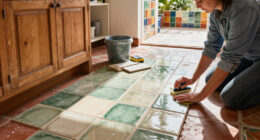

For most drywall projects, I’d start with INSL-X Prime All Multi-Surface Primer as the best overall option for its versatile surface coverage, while Glidden Interior Drywall Primer is the more focused choice for preparing interior drywall and Zinsser Bulls Eye 1-2-3 offers a familiar all-surface alternative. The main tradeoff is between a primer made specifically for drywall, a broader-use product, and a specialty formula for stains or spot repairs. Package size and cleanup needs also matter, particularly when choosing between a gallon, quart, and spray can. Read on for how each option fits different jobs and what to weigh before you buy.

Get furniture and decor delivered free with Prime
- Fast, free delivery on millions of items
- Prime Video, Amazon Music and more included
- Member-only deals all year
Complete the kit


Key Takeaways
- Glidden Interior Drywall Primer is the most directly targeted pick for interior drywall, while the broader multi-surface primers make more sense when the project includes other materials.
- INSL-X Prime All leads the roundup for versatility; that broader remit may be unnecessary if you only need to prime new drywall.
- Zinsser Bulls Eye 1-2-3 appears in both quart and gallon formats, so the right choice depends more on project area and leftover-product tolerance than on the primer name alone.
- Zinsser HIDZ and the water-based Zinsser primer offer sealer-oriented alternatives, but buyers should match the product label to the surface and problem rather than assume every primer handles every stain.
- Zinsser Cover-Stain spray has a distinct role for localized work; its small can is a poor substitute for coating entire rooms.
| INSL-X Prime All Multi-Surface Primer, White |  | Best for Small, Mixed-Surface Jobs | Brand: INSL-X | Paint type: 100% acrylic | Interior/exterior use: Both | VIEW ON AMAZON | See Our Full Breakdown |
| Glidden Interior Drywall Primer, Flat White, 1 Gallon |  | Best for New Drywall and Large Indoor Areas | Brand: Glidden | Paint type: Vinyl acrylic | Recommended surface: Drywall | VIEW ON AMAZON | See Our Full Breakdown |
| Zinsser Bulls Eye 1-2-3 All-Surface Primer, Quart, Gray |  | Best for Stained Drywall and Vivid Topcoats | Brand: Zinsser | Paint type: Water-based acrylic | Color: Gray | VIEW ON AMAZON | See Our Full Breakdown |
| Zinsser HIDZ Multi-Purpose Primer and Sealer, Quart, Flat White |  | Best for Sealing Porous Drywall and Hiding Old Colors | Brand: Zinsser | Paint type: Water-based acrylic | Use: Interior and exterior | VIEW ON AMAZON | See Our Full Breakdown |
| Zinsser Bulls-Eye 1-2-3 All Surface Primer – 1 Gallon, White |  | Best Multi-Surface Gallon | Brand: Zinsser | Paint type: Water-based acrylic | Use: Interior and exterior | VIEW ON AMAZON | See Our Full Breakdown |
| Zinsser Bulls Eye Water-Based Primer and Sealer, White |  | Best for Low-Odor, Fast Turnaround | Brand: Zinsser | Color: White | Paint type: Watercolor (as listed) | VIEW ON AMAZON | See Our Full Breakdown |
| Zinsser Cover-Stain Oil-Base Primer-Sealer Spray, White, 13 oz |  | Best for Small Stained Repairs | Brand: Zinsser | Primer type: Oil-based primer-sealer spray | Color: White | VIEW ON AMAZON | See Our Full Breakdown |
| primer for drywall | Brand | Coverage | Paint type | Use |
|---|---|---|---|---|
| INSL-X Prime All Multi-Surface | INSL-X | 100–112 sq. ft. per quart | 100% acrylic | — |
| Glidden Interior Drywall Prime | Glidden | Up to 400 sq. ft. | Vinyl acrylic | Interior |
| Zinsser Bulls Eye 1-2-3 All-Su | Zinsser | Up to 100 sq. ft. | Water-based acrylic | Interior and exterior |
| Zinsser HIDZ Multi-Purpose Pri | Zinsser | Up to 100 sq. ft. per quart | Water-based acrylic | Interior and exterior |
| Zinsser Bulls-Eye 1-2-3 All Su | Zinsser | 400–450 sq. ft. per gallon | Water-based acrylic | Interior and exterior |
| Zinsser Bulls Eye Water-Based | Zinsser | Up to 100 sq. ft. per quart | Watercolor (as listed) | — |
| Zinsser Cover-Stain Oil-Base P | Zinsser | 12 sq. ft. | — | — |
More Details on Our Top Picks
INSL-X Prime All Multi-Surface Primer, White
For a drywall project that also includes trim, wood, or another surface, INSL-X Prime All offers more flexibility than a drywall-specific primer. Its acrylic formula is rated for interior and exterior use, with stain blocking and mildew resistance that can help when the job includes more than fresh wallboard. Topcoat can go on in about an hour, comparable to the listed recoat window for Zinsser Bulls Eye 1-2-3. The tradeoff is the package: this is a quart covering about 100–112 square feet, so it is a better fit for patching or a few small areas than priming whole rooms. Glidden’s gallon-size drywall primer is the more practical pick for broad indoor coverage; choose INSL-X when surface variety matters more than volume.
Pros:- Suitable for interior and exterior projects across multiple surface types
- Stain-blocking and mildew-resistant formula
- Topcoat-ready in about one hour
- Coverage of approximately 100–112 square feet per quart
Cons:- Quart container is inefficient for large drywall jobs
- Broader multi-surface positioning is less tailored to routine indoor wallboard priming than Glidden Interior Drywall Primer
Best for: DIYers priming drywall patches alongside small areas of wood or other interior and exterior surfaces
Not ideal for: Anyone priming multiple rooms or a full house, since the quart size means frequent replenishment
- Brand:INSL-X
- Paint type:100% acrylic
- Interior/exterior use:Both
- Coverage:100–112 sq. ft. per quart
- Dry time:1 hour
- Volume:32 fl oz (1 quart)
- Color and finish:White, flat
- Special properties:Mildew resistant; stain blocking
Our verdict“Choose INSL-X for small drywall jobs that also involve other surfaces, but pick a gallon-size drywall primer for whole-room work.”
Glidden Interior Drywall Primer, Flat White, 1 Gallon
Glidden Interior Drywall Primer is the most directly focused option here for preparing new wallboard and sealing patches. Its gallon container covers up to 400 square feet, making it a more efficient match for whole rooms than the quart-size INSL-X Prime All or Zinsser HIDZ. The low-VOC vinyl acrylic formula applies by brush or roller, cleans up with soap and water, and allows a topcoat in about an hour. Those straightforward indoor-project details make it a practical choice for standard repainting rather than a specialist stain or multi-surface job. Its main limitation is also clear: indoor use only. If the drywall is part of an exterior project or you need a primer for metal and masonry too, Zinsser Bulls-Eye 1-2-3 is the more versatile alternative.
Pros:- Made for drywall, wallboard, and sealing drywall patches
- Gallon size covers up to 400 square feet
- Low-VOC formula with soap-and-water cleanup
- Topcoat-ready in about one hour
Cons:- Limited to indoor use
- Less suited than the Zinsser all-surface primers to mixed-material or exterior jobs
Best for: Homeowners priming new drywall, wallboard, or patched interior walls across one or more rooms
Not ideal for: Buyers priming exterior drywall or needing one primer for indoor and outdoor surfaces
- Brand:Glidden
- Paint type:Vinyl acrylic
- Recommended surface:Drywall
- Use:Interior
- Container size:1 gallon
- Coverage:Up to 400 sq. ft.
- Dry time:30 minutes
- Topcoat time:About 1 hour
- Cleanup:Soap and water
Our verdict“For broad indoor drywall coverage and simple cleanup, Glidden is the clearest fit; choose another option if exterior versatility matters.”
Zinsser Bulls Eye 1-2-3 All-Surface Primer, Quart, Gray
The gray Zinsser Bulls Eye 1-2-3 stands apart when drywall has stains to block or the planned topcoat is a vivid color. Its gray base can support coverage beneath bold colors, while the water-based acrylic formula is also described as blocking stains and odors. It adheres to drywall as well as concrete, wood, masonry, and metal, giving it a wider job range than Glidden’s indoor drywall primer. The primer is touch-dry in 30 minutes and can be recoated in an hour. However, the quart covers up to 100 square feet, less area than the gallon-size white Bulls-Eye 1-2-3, so it makes more sense for a modest problem area than a large wall job. It is water repellent, not waterproof.
Pros:- Gray color can help with coverage under vivid topcoats
- Blocks stains and odors
- Works on drywall and a range of other interior and exterior surfaces
- Touch-dry in 30 minutes with a one-hour recoat time
Cons:- Quart covers up to 100 square feet, limiting whole-room practicality
- Water repellent but not waterproof
- Gray may be less convenient than white beneath light-colored topcoats
Best for: DIYers treating a smaller stained drywall area or priming drywall before a vivid-colored topcoat
Not ideal for: Anyone covering large wall areas or seeking a waterproof coating rather than a primer
- Brand:Zinsser
- Paint type:Water-based acrylic
- Color:Gray
- Size:31.5 fl oz (quart)
- Use:Interior and exterior
- Recommended surfaces:Drywall, concrete, wood, masonry, and metal
- Coverage:Up to 100 sq. ft.
- Dry to touch:30 minutes
- Recoat time:1 hour
Our verdict“Pick the gray quart for smaller stained areas or bold paint colors; use the white gallon Bulls-Eye for broader coverage.”
Zinsser HIDZ Multi-Purpose Primer and Sealer, Quart, Flat White
For drywall that needs both sealing and help hiding an existing color, Zinsser HIDZ combines those jobs in a fast-drying, flat-white formula. Its stated uses include sealing porous surfaces and blocking common stains, while its multi-surface adhesion also covers materials such as glossy paint and metal. That makes it more adaptable than Glidden Interior Drywall Primer, which is specifically aimed at indoor wallboard but is sold in a more useful gallon size for larger rooms. HIDZ is touch-dry in 30 minutes and ready for topcoat in an hour, but its quart covers up to 100 square feet. Its water resistance is not waterproofing, so it is not a fix for ongoing moisture exposure. Choose it for a smaller mixed-surface job, not extensive drywall priming.
Pros:- Designed to seal porous surfaces and hide previous colors
- Adheres to a range of surfaces, including glossy paint and metal
- Touch-dry in 30 minutes and topcoat-ready in one hour
- Flat white finish with tintable formulation
Cons:- Quart coverage of up to 100 square feet is limited for whole-room work
- Water resistant but not waterproof
- Less specialized for large drywall jobs than the gallon-size Glidden primer
Best for: DIYers sealing a small area of porous or patched drywall while also priming glossy painted surfaces or metal
Not ideal for: Anyone priming several rooms or expecting a primer to protect drywall from persistent water exposure
- Brand:Zinsser
- Paint type:Water-based acrylic
- Use:Interior and exterior
- Surface type:Multi-surface
- Container size:32 fl oz (1 quart)
- Coverage:Up to 100 sq. ft. per quart
- Color and finish:White, flat
- Touch-dry time:30 minutes
- Topcoat-ready time:1 hour
Our verdict“HIDZ suits smaller jobs where drywall sealing and mixed-surface adhesion matter more than gallon-size coverage.”
Zinsser Bulls-Eye 1-2-3 All Surface Primer – 1 Gallon, White
When drywall is part of a larger project spanning several materials, the white gallon-size Zinsser Bulls-Eye 1-2-3 offers broad compatibility without the small-job limits of the quart versions. It is listed for drywall, concrete, wood, metal, masonry, and glossy surfaces, with 400–450 square feet of coverage per gallon. The water-based acrylic formula seals uniformly, blocks tough stains, becomes touch-dry in about 35 minutes, and can take a topcoat within an hour. Compared with Glidden’s gallon, Bulls-Eye adds stated interior/exterior and multi-surface use; Glidden is more narrowly directed at indoor drywall and has soap-and-water cleanup specified. Bulls-Eye’s drawback is that heavily glossed surfaces may need sanding, and performance drops below 35°F. That makes it a flexible choice for broad jobs, but not a cold-weather solution.
Pros:- Gallon coverage of 400–450 square feet suits broad projects
- Listed for drywall and multiple other surfaces, including glossy materials
- Blocks tough stains and seals uniformly
- Touch-dry in about 35 minutes and topcoat-ready within an hour
Cons:- Performance drops below 35°F
- Heavily glossed surfaces may need sanding for adhesion
- Less specifically focused on drywall than Glidden Interior Drywall Primer
Best for: DIYers priming multiple rooms or mixed materials who want one white primer for drywall and other surfaces
Not ideal for: People working in temperatures below 35°F or priming heavily glossed surfaces without preparation
- Brand:Zinsser
- Paint type:Water-based acrylic
- Use:Interior and exterior
- Recommended surfaces:Drywall, concrete, wood, metal, masonry, and glossy surfaces
- Coverage:400–450 sq. ft. per gallon
- Dry to touch:About 35 minutes
- Topcoat time:Within 1 hour
- Color:White
- Model number:2001
Our verdict“Choose the white Bulls-Eye gallon for wide coverage across drywall and mixed materials, provided temperatures and surface prep suit the job.”
Zinsser Bulls Eye Water-Based Primer and Sealer, White
For drywall projects where quick recoating and lower odor matter, this water-based primer and sealer is a practical choice. Its stated 30-minute touch-dry time and flat, sandable finish help keep small interior jobs moving, while the stain-blocking claim makes it more useful than a basic surface-prep coat when marks show through. Compared with Glidden Interior Drywall Primer, which is specifically positioned for drywall, Bulls Eye adds glossy-surface adhesion without sanding and broad top-coat compatibility. The tradeoff is that the listing recommends plaster and describes interior use, so it is less clearly tailored to fresh drywall than Glidden. I’d choose it for mixed interior surfaces or quick patch work, but not when a dedicated drywall primer is the priority. The listing also varies on indoor versus outdoor use, so I would follow the can label for application limits.
Pros:- Blocks stains in one pass, according to the product details
- Dries to touch in 30 minutes
- Low-odor water-based formula
- Adheres to glossy surfaces without sanding or deglossing
Cons:- The listed surface recommendation is plaster rather than drywall
- Indoor and outdoor use descriptions conflict, so the intended application range is unclear
- Coverage is listed at up to 100 square feet per quart, limiting its usefulness for larger rooms
Best for: DIYers priming interior patches or mixed surfaces who want a low-odor formula, fast touch-dry time, and stain-blocking in a quart-size can.
Not ideal for: Anyone priming a large area of new drywall who wants a product explicitly specified for drywall; Glidden Interior Drywall Primer is the more direct fit.
- Brand:Zinsser
- Color:White
- Paint type:Watercolor (as listed)
- Recommended surface:Plaster
- Coverage:Up to 100 sq. ft. per quart
- Dry time:30 minutes to touch
- Full cure time:1 hour
- Volume:32 fl. oz.
- Finish:Flat / matte
Our verdict“Choose this for smaller interior jobs that benefit from quick drying and glossy-surface adhesion, but pick a drywall-specific primer for broad new-board coverage.”
Zinsser Cover-Stain Oil-Base Primer-Sealer Spray, White, 13 oz
When a drywall repair is small but carries water, smoke, or nicotine staining, this oil-based spray primer offers targeted stain blocking without setting up a roller and tray. Its fast-drying, sandable finish suits spot repairs, and the listing says it can be applied without sanding first. That makes it more convenient for isolated marks than Zinsser Bulls Eye Water-Based Primer and Sealer, which comes in a quart can and is better suited to broader interior prep. The main limitation is scale: this can covers just 12 square feet, so it is a poor choice for priming a full wall or room. The oil-based formula also gives buyers less of the low-odor, water-based convenience offered by Bulls Eye. I’d reserve it for focused stain treatment rather than general drywall priming.
Pros:- Helps block water, smoke, nicotine, and other stains
- Spray format suits localized repairs
- Fast-drying and easy to sand
- Listed for interior and exterior surfaces
Cons:- Coverage is limited to 12 square feet per can
- Oil-based formula is less convenient than the water-based Bulls Eye option for buyers seeking lower-odor cleanup
- Spray application is less practical for coating large drywall areas evenly
Best for: Homeowners handling a small drywall patch with water, smoke, or nicotine stains who want a spray application and a sandable finish.
Not ideal for: People priming whole walls, ceilings, or multiple rooms; the 13-ounce can covers only 12 square feet, and a larger liquid primer is better suited to broad coverage.
- Brand:Zinsser
- Primer type:Oil-based primer-sealer spray
- Color:White
- Can size:13 oz.
- Coverage:12 sq. ft.
- Surface use:Interior and exterior
- Recommended surface:Wood
- Finish:Flat
- Water resistance:Water resistant
Our verdict“Choose this spray for isolated, stained drywall repairs, not for priming an entire room.”

How We Picked
I ranked these options around the needs that shape a drywall primer purchase: suitability for interior drywall, usefulness as a sealer, application format, likely fit for a small repair or a larger wall area, and how much flexibility the product offers beyond drywall. A drywall-specific formula earns credit for a focused new-wall job, while multi-surface products rise when their broader use can simplify a mixed-material project. I also treated package size as a practical factor: a gallon can suit larger coverage, while a quart or spray can may reduce excess for limited work.
The order reflects those differences rather than assuming that one formula suits every wall. Versatile, broadly useful primers rank ahead for general-purpose projects; the drywall-specific option remains a strong choice when the job is limited to interior drywall. Specialty sealer and oil-based spray options serve narrower needs, so they rank lower for a typical full-room drywall prime. Product labels should guide use on repaired, stained, or previously coated areas, since the product names alone do not establish compatibility with every condition.
| primer for drywall | Brand | Use | Color |
|---|---|---|---|
| INSL-X Prime All Multi-Surface | INSL-X | — | — |
| Glidden Interior Drywall Prime | Glidden | Interior | — |
| Zinsser Bulls Eye 1-2-3 All-Su | Zinsser | Interior and exterior | Gray |
| Zinsser HIDZ Multi-Purpose Pri | Zinsser | Interior and exterior | — |
| Zinsser Bulls-Eye 1-2-3 All Su | Zinsser | Interior and exterior | White |
| Zinsser Bulls Eye Water-Based | Zinsser | — | White |
| Zinsser Cover-Stain Oil-Base P | Zinsser | — | White |
Factors to Consider When Choosing Primer For Drywall
Choosing a primer for drywall starts with the surface condition and project scale, not just the label. I’d settle the following questions before comparing package sizes or reaching for a specialty formula.
Is the drywall new, repaired, or already painted?
Fresh drywall and joint compound can absorb paint differently from a previously painted wall, so a primer intended for drywall is often the clearest match for new installation. Patched areas create another challenge: the repair may stand out under finish paint if its texture or absorption differs from the surrounding wall. For a mixed surface, check whether the product label covers both drywall and the existing coating. A broad multi-surface primer can simplify a project that includes trim or other materials, but its range does not automatically make it a better drywall sealer. Avoid priming over dust from sanding; remove it first so it does not interfere with adhesion. If only a small repair needs attention, buying a large container may leave more unused product than the job justifies.
Decide whether you need a drywall primer or a stain-blocking primer
A primer for ordinary new drywall is not necessarily the right answer for water marks, smoke residue, or other discoloration. First identify whether the mark is active or has a source that still needs repair; primer cannot fix a leak or stop recurring damage. Then check the product label for the specific kind of stain and surface you need to cover. A sealer-focused or specialty formula may suit a problem area better than a general drywall primer, but using a stronger specialty product across an entire room can add cost and application steps without solving a broader need. Test a small area when the surface condition is uncertain, and let it dry according to the label before judging coverage. If the stain returns, address the cause rather than adding more coats blindly.
Match container size to the actual work area
Estimate the area to be coated and compare it with the coverage information on the product label; wall texture and porosity can change how much primer a project uses. Gallon containers are more practical for broad coverage, while quart sizes can suit a single room, a few repairs, or a smaller test area. A spray can is best treated as a spot-work format, not a convenient replacement for rolling a full wall. Buying too little can interrupt a coat and make it harder to keep application consistent; buying far too much creates storage and disposal concerns. Keep the intended number of coats in mind when estimating, especially on thirsty or uneven surfaces. I’d also check the storage instructions before buying a size that may sit unused.
Choose the application and cleanup you can handle
Brush-and-roller products suit walls and larger areas, while aerosol formats can reach small or awkward spots without setting up a tray. That convenience comes with a different feel and control: spray application calls for ventilation, masking, and careful distance to limit overspray. Water-based formulas are generally simpler to clean up with water when used as directed, while oil-based products call for the cleanup method listed on the label. Do not choose a formula based only on the word “sealer”; check application instructions and safety guidance. If you are working indoors, plan for airflow and keep people and pets away from the work area during application and drying. The easiest product to apply is the one that fits both the area and your setup.
Pay for versatility only when the project benefits from it
A multi-surface primer can be useful when one project spans drywall and other compatible materials, reducing the number of products on hand. If the work is limited to new interior drywall, a dedicated drywall primer may be a more straightforward match. Specialty stain-sealing products earn their place when the wall has a problem that ordinary priming is not meant to address. A higher level of versatility is not a substitute for checking the label’s approved surfaces and limitations. Compare the size, application method, and intended job together rather than treating a broader product name as proof of better performance. The right spend follows the actual surface and problem, not the longest list of possible uses.
Frequently Asked Questions
Can I use a multi-surface primer on new drywall instead of a drywall-specific primer?
Possibly, but check the label for explicit approval on bare drywall and joint compound. Multi-surface products can be useful when the same project includes other materials, though that versatility may not be needed for walls alone. New drywall can absorb primer unevenly, so follow the stated application and drying directions rather than assuming one coat will be enough. If the wall has extensive compound or patches, inspect the dried surface before painting and follow the product maker’s guidance for another coat. For a drywall-only job, a dedicated drywall primer can be the simpler match.
Should I buy a quart or a gallon for one room?
Base the choice on the room’s wall area, the product’s stated coverage, and whether ceilings or closets are included. A quart can be sensible for limited repairs or a small area, but a full room may use more than expected when the drywall is porous or heavily patched. A gallon is easier to plan around for broad coverage, though unused primer needs proper storage and may eventually go to waste. Check the label’s coverage estimate and account for the number of coats the surface may need. If your estimate is close to the limit, allow some margin rather than stopping halfway through a wall.
Will ordinary drywall primer cover water stains?
Do not assume it will: general drywall primer and stain-blocking primer serve different purposes. If a stain came from a leak, fix and dry the source before coating the wall. Read the product label to confirm it addresses the particular stain; a sealer-oriented or specialty product may be more suitable for isolated discoloration. Applying the wrong primer can leave the mark visible through the finish paint, even if the wall looked covered while wet. Test the repaired area and let it dry fully before deciding whether additional treatment is needed.
When does a spray primer make sense for drywall?
A spray can can be handy for a small patch, a narrow area, or a spot that is awkward to reach with a roller. It is generally inefficient for coating a whole room, where a container designed for brush or roller application is more practical. Aerosol use also requires ventilation and careful masking because overspray can reach nearby floors and furnishings. Check that the spray product is labeled for the surface and intended problem before use. For broad wall coverage, choose a format that makes it easier to apply an even coat across the full area.
Do I need a separate primer for patched drywall?
Not always, but patched sections can absorb paint differently from the surrounding wall and show through the finish. A product approved for drywall may work across the repair and nearby surface, while a smaller container can be more appropriate if the patch is limited. Sand repairs smooth, remove dust, and follow the primer’s directions before painting. If the patch is large or the wall has several repairs, priming a wider area may help avoid a visible difference in finish. Check the dried surface under good light before applying the topcoat.
Conclusion
For a general-purpose pick, I’d choose INSL-X Prime All as the best overall option, especially when a project includes more than drywall. Glidden Interior Drywall Primer is my best value-style fit for buyers whose work is focused on interior drywall, while Zinsser Bulls Eye 1-2-3 in the gallon size is the best premium-style choice for those who want a larger-format, all-surface option. Beginners should favor a product whose label clearly matches their surface and whose container size suits the room; the drywall-specific Glidden is a direct place to start. For localized trouble spots, Zinsser Cover-Stain spray is the specific-needs pick, while Zinsser HIDZ or the water-based Zinsser sealer may fit buyers comparing sealer-oriented alternatives. Match the label to the wall condition, then choose the format that fits the scale of the job.
Halloween Picks
halloween
As an affiliate, we earn on qualifying purchases.