Choosing the right roofing materials requires balancing durability, ease of installation, and specific weather resistance. For most homeowners tackling flat roof patches or shed repairs, the Self-Adhesive EPDM Rubber Roofing Membrane (52 mil) stands out as the best overall pick due to its superior flexibility and long-lasting seal. If you need rigid protection for sloped structures, the Brakki Black Corrugated Metal Roofing Panels offer unmatched impact resistance, while the BlackKnight Professional Grade Synthetic Underlayment is ideal for those prioritizing breathability and tear strength during full re-roofing projects. The main tradeoff lies between the convenience of self-adhesive rolls and the structural integrity of rigid panels. Continue reading to see which option fits your specific repair needs.

Get furniture and decor delivered free with Prime
- Fast, free delivery on millions of items
- Prime Video, Amazon Music and more included
- Member-only deals all year
Complete the kit


Key Takeaways
- Thickness matters more than brand: In this roundup, 50-mil and 52-mil EPDM membranes consistently outperformed thinner 30-mil alternatives in tear resistance and puncture protection.
- Self-adhesive vs. mechanical fastening: Self-adhesive rolls like the BXI Fluorocarbon Film Tape are easier for beginners but may lack the wind-uplift resistance of mechanically fastened metal panels.
- UV stability varies by material: Aluminum rolls and coated EPDM membranes showed better resistance to sun degradation compared to standard asphalt tapes, which can become brittle over time.
- Underlayment is a separate category: Synthetic underlayments like BlackKnight serve a different purpose than waterproofing membranes; they protect the deck but are not a final weather barrier.
- Width and length affect waste: Larger rolls (39 in x 32 ft) reduce seam frequency and potential leak points compared to smaller patch kits, making them more efficient for larger areas.
| Self-Adhesive EPDM Rubber Roofing Membrane, 39 in x 32 ft, 52 mil |  | Best Overall for Large Flat Roofs | Material: EPDM rubber with fiber reinforcement | Thickness: 52 mil | Dimensions: 39 in x 32 ft | VIEW ON AMAZON | See Our Full Breakdown |
| 39.3-Inch x 32.8-Foot Self-Adhesive Aluminum Waterproofing Roofing Roll |  | Best for Heat Reflection and Sun Protection | Brand: FWTRMRC | Model number: USW15-41341 | Material: Aluminum, polyethylene | VIEW ON AMAZON | See Our Full Breakdown |
| Brakki Black Corrugated Metal Roofing Panels, 10-Pack |  | Best for Structural Shed and Garage Roofs | Material: Galvanized steel | Color: Black | Quantity: 10 panels | VIEW ON AMAZON | See Our Full Breakdown |
| BXI Fluorocarbon Film Asphalt Waterproof Tape – 12″ x 32 ft Self‑Adhesive SBS Modified Bitumen Flashing Sealant | 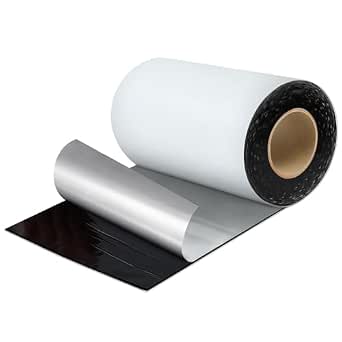 | Best for Targeted Repairs and Flashing | Material: SBS polymer modified rubber asphalt with fluorocarbon film | Size: 12 inches (W) x 32 feet (L) x 0.05 inches (T) | Weight: 10 pounds | VIEW ON AMAZON | See Our Full Breakdown |
| Pushglossy Self-Adhesive EPDM Roofing Membrane, 50 Mil, 39 in x 10 ft, Black |  | Best for Small Repairs and RV Roofs | Material: Vulcanized EPDM rubber | Thickness: 50 mil | Dimensions: 39 in x 10 ft | VIEW ON AMAZON | See Our Full Breakdown |
| Aluminum Roll Flashing 6″ x 100′ |  | Best for Long-Term Edge Protection | Material: Aluminum | Thickness: 0.019 in (26 Gauge) | Dimensions: 6″ width x 100′ length | VIEW ON AMAZON | See Our Full Breakdown |
| MYOYAY Self-Adhesive Waterproof Roofing Membrane |  | Best for Quick Cosmetic Repairs | Material: Rubber with Aluminum Foil | Dimensions: 39 in x 16.4 ft | Thickness: 0.06 inches | VIEW ON AMAZON | See Our Full Breakdown |
| Hanse Syntec Systems EasyStick EPDM Waterproofing Membrane |  | Best Premium Peel-and-Stick | Material: EPDM with Fiber Reinforcement | Thickness: 52 Mil | Dimensions: 39 in x 16 ft | VIEW ON AMAZON | See Our Full Breakdown |
| BlackKnight Professional Grade Synthetic Roofing Underlayment |  | Best Professional Underlayment | Roll Size: 4 ft x 250 ft | Coverage: 1,000 sq ft (10 squares) | Layers: 4 | VIEW ON AMAZON | See Our Full Breakdown |
| SFNSM 50 Mil EPDM Self-Adhesive Rubber Roofing Membrane |  | Best Budget-Friendly Flexible Seal | Material: EPDM Rubber | Thickness: 50 Mil | Dimensions: 39 in x 16.4 ft | VIEW ON AMAZON | See Our Full Breakdown |
| roofing material | Material | Weight | Thickness | Dimensions |
|---|---|---|---|---|
| Self-Adhesive EPDM Rubber Roof | EPDM rubber with fiber reinforcement | — | 52 mil | 39 in x 32 ft |
| 39.3-Inch x 32.8-Foot Self-Adh | Aluminum, polyethylene | 11.5 pounds | — | — |
| Brakki Black Corrugated Metal | Galvanized steel | — | 0.01 inches (0.25 mm) | — |
| BXI Fluorocarbon Film Asphalt | SBS polymer modified rubber asphalt with fluorocarbon film | 10 pounds | — | — |
| Pushglossy Self-Adhesive EPDM | Vulcanized EPDM rubber | 11.57 pounds | 50 mil | 39 in x 10 ft |
| Aluminum Roll Flashing 6" x 10 | Aluminum | 8 pounds | 0.019 in (26 Gauge) | 6" width x 100′ length |
| MYOYAY Self-Adhesive Waterproo | Rubber with Aluminum Foil | 6.4 pounds | 0.06 inches | 39 in x 16.4 ft |
| Hanse Syntec Systems EasyStick | EPDM with Fiber Reinforcement | 16.91 pounds | 52 Mil | 39 in x 16 ft |
| BlackKnight Professional Grade | — | 23.4 lb | — | — |
| SFNSM 50 Mil EPDM Self-Adhesiv | EPDM Rubber | 17.56 lbs | 50 Mil | 39 in x 16.4 ft |
More Details on Our Top Picks
Self-Adhesive EPDM Rubber Roofing Membrane, 39 in x 32 ft, 52 mil
This EPDM rubber membrane stands out for its substantial 52 mil thickness, offering superior durability compared to thinner alternatives. The peel-and-stick butyl backing simplifies installation on wood, concrete, or metal without requiring heat or specialized tools. Reinforced with fiber, it resists punctures and tears better than standard rubber options. While it shares similarities with the Hanse Syntec EasyStick, this roll provides significantly more coverage area, making it more efficient for larger projects. Temperature flexibility from -40°F to 250°F ensures it remains pliable in extreme climates. However, surface preparation is critical; any moisture or debris will compromise the bond. Cutting to fit corners is straightforward, though the material’s weight requires careful handling during application.
Pros:- Thick 52 mil gauge provides enhanced puncture resistance
- No torch or special tools needed for installation
- Extremely wide temperature tolerance prevents cracking
- Fiber reinforcement adds structural integrity
Cons:- Heavy roll size can be difficult for a single person
- Strict requirement for perfectly clean, dry surfaces
- Minor inconsistency in thickness claims
Best for: Homeowners renovating large, flat commercial or residential roofs who need durable, tool-free installation.
Not ideal for: DIYers working on small, complex roof penetrations where a smaller, more manageable sheet would be easier.
- Material:EPDM rubber with fiber reinforcement
- Thickness:52 mil
- Dimensions:39 in x 32 ft
- Adhesive:Self-adhesive butyl backing
- Temperature Range:-40°F to 250°F
- Suitable Surfaces:Wood, concrete, and metal
- Installation:Peel and stick; cut to size
Our verdict“This is the top choice for covering large, flat surfaces where durability and ease of installation are priorities.”
39.3-Inch x 32.8-Foot Self-Adhesive Aluminum Waterproofing Roofing Roll
The aluminum surface of this roofing roll distinguishes it from black EPDM options by actively reflecting sunlight, which can help reduce indoor cooling costs. This multi-layer membrane combines polyethylene with an aluminum finish, creating a barrier that resists UV degradation better than standard bitumen tapes. Unlike the Brakki Corrugated Metal Panels, which rely on structural corrugation for drainage, this roll provides a seamless, flexible seal ideal for irregular surfaces. The self-adhesive backing bonds to metal, wood, and brick, making it versatile for mixed-material structures. However, the thin profile means it may not withstand heavy foot traffic or sharp impacts as well as thicker rubber membranes. Two-person installation is recommended to avoid wrinkles and ensure proper adhesion.
Pros:- Reflective aluminum surface lowers roof temperature
- Adheres securely to diverse materials like brick and wood
- Weather-resistant finish extends lifespan in UV-heavy areas
- Cuttable for precise fitting around vents and edges
Cons:- Requires two people for smooth application
- Thin material is less resistant to physical damage
- Surface cleaning is mandatory for proper bonding
Best for: Owners of metal or brick structures in sunny climates looking to improve thermal insulation and waterproofing.
Not ideal for: Roofs with frequent maintenance access or heavy debris, as the thin aluminum layer can dent or scratch.
- Brand:FWTRMRC
- Model number:USW15-41341
- Material:Aluminum, polyethylene
- Roll size:39.3 inches x 32.8 feet
- Weight:11.5 pounds
- Color:Silver
- Shape:Rectangular
Our verdict“Choose this roll if you need a reflective, weather-resistant seal for mixed-material roofs rather than just waterproofing.”
Brakki Black Corrugated Metal Roofing Panels, 10-Pack
Unlike the flexible membranes in this roundup, these corrugated steel panels provide rigid structural support and excellent water runoff through their grooved design. The galvanized finish offers strong corrosion resistance, suitable for outdoor sheds, stables, and patios. Interlocking edges simplify alignment and reduce leak risks compared to flat sheets. While the BXI Asphalt Tape is better for sealing existing cracks, these panels are intended for full roof replacements or new construction. The 0.01-inch thickness is a tradeoff; it keeps the weight low but makes them susceptible to denting during installation or from hail. Included screws and gloves add convenience, though the sharp edges still require careful handling.
Pros:- Corrugated design ensures efficient water drainage
- Galvanized steel resists rust and weathering
- Interlocking edges simplify installation and sealing
- Hardware and safety gear included in the pack
Cons:- Thin 0.01-inch gauge is prone to denting
- Installation requires handling heavy, sharp metal
- Not suitable for flat or low-slope applications
Best for: Builders constructing or replacing roofs on sheds, garages, and animal enclosures needing rigid, draining surfaces.
Not ideal for: Flat roof applications or areas prone to heavy hail, where the thin steel gauge may dent easily.
- Material:Galvanized steel
- Color:Black
- Quantity:10 panels
- Panel dimensions:42.52 × 17.72 inches
- Thickness:0.01 inches (0.25 mm)
- Item weight:25.2 pounds
- Coverage:52.4 ft²
- Included components:Screws and gloves
Our verdict“These panels are the right choice for sloped structures where drainage and rigidity are more important than flexibility.”
BXI Fluorocarbon Film Asphalt Waterproof Tape – 12″ x 32 ft Self‑Adhesive SBS Modified Bitumen Flashing Sealant
This asphalt waterproof tape is engineered for precision rather than broad coverage. The fluorocarbon (PVDF) film top layer offers exceptional UV resistance and longevity, outperforming standard bitumen tapes in sun-exposed areas. It excels at sealing cracks and joints around windows, gutters, and HVAC units, areas where the Self-Adhesive EPDM Membrane might be overkill or difficult to conform. The SBS modified bitumen backing remains flexible, allowing it to bond to curved or irregular surfaces. However, its narrow 12-inch width makes it impractical for large roof sections. Cold weather application is a limitation; the adhesive may stiffen and require warming to achieve a proper seal on freezing surfaces.
Pros:- PVDF film provides superior UV durability and color retention
- Flexible SBS bitumen conforms to irregular shapes and curves
- Ideal for sealing cracks, joints, and flashing details
- Self-adhesive application requires no heat or solvents
Cons:- Adhesion weakens in very cold temperatures
- Narrow width is inefficient for large surface coverage
- Surface must be thoroughly cleaned for lasting bond
Best for: Homeowners fixing specific leaks, flashing gaps, or gutter joints who need a durable, UV-resistant seal.
Not ideal for: Large flat roof resurfacing projects, where the narrow width would require excessive overlapping and labor.
- Material:SBS polymer modified rubber asphalt with fluorocarbon film
- Size:12 inches (W) x 32 feet (L) x 0.05 inches (T)
- Weight:10 pounds
- Temperature Range:-4°F (-20°C) to 158°F (70°C)
- Package:Rolls, no creases
- Surface Type:Roofs, gutters, decks, concrete, metal
Our verdict“This tape is the specialist solution for detailed flashing work and crack repair where UV resistance is key.”
Pushglossy Self-Adhesive EPDM Roofing Membrane, 50 Mil, 39 in x 10 ft, Black
The 39 in x 10 ft size makes this EPDM membrane manageable for single-person projects, unlike the larger rolls in this list. At 50 mil thickness, it offers robust protection against UV exposure and weathering, suitable for RV roofs, skylights, and small sheds. The vulcanized rubber construction ensures longevity, while the butyl rubber backing creates a strong, permanent seal on wood, metal, and concrete. Compared to the Aluminum Waterproofing Roll, this black membrane absorbs more heat but provides better elasticity for irregular surfaces. Repositioning is difficult once the adhesive contacts the surface, so careful alignment is required. It is strictly designed for flat or low-slope applications, not for steep pitches where gravity would cause sliding.
Pros:- Manageable size for single-person installation
- 50 mil thickness offers strong durability and puncture resistance
- Highly flexible for conforming to irregular surfaces
- Strong butyl adhesion bonds to multiple materials
Cons:- Permanent adhesive makes repositioning nearly impossible
- Only suitable for flat or low-slope roofs
- Smaller coverage area requires multiple rolls for large jobs
Best for: RV owners and DIYers tackling small, flat repair jobs or covering compact roof sections.
Not ideal for: Large commercial roofs or steeply pitched structures where the size and slip risk are problematic.
- Material:Vulcanized EPDM rubber
- Thickness:50 mil
- Dimensions:39 in x 10 ft
- Color:Black
- Adhesive:Butyl rubber backing
- Weight:11.57 pounds
- Manufacturer:Pushglossy
- Model:MUY-Pushglossy-0724
Our verdict“This compact membrane is ideal for precise, small-scale waterproofing tasks where maneuverability matters.”
Aluminum Roll Flashing 6″ x 100′
This aluminum flashing roll is the definitive choice for permanent edge detailing on metal or shingle roofs. Unlike the MYOYAY Self-Adhesive Membrane, which is best for patching flat surfaces, this rigid metal solution provides structural integrity against wind uplift and physical damage. It resists rust and stains, ensuring that your roof edges stay clean and leak-free for decades. However, the 26-gauge thickness is a double-edged sword; while lightweight and easy to cut, it can bend under heavy impact or if mishandled during installation. It requires precise folding and fastening, making it less forgiving than peel-and-stick alternatives. If you need a hard-wearing barrier against the elements, this stands out, but it demands more skill than the flexible membranes in this lineup.
Pros:- Rust-resistant aluminum prevents unsightly stains and moss growth
- 20+ year lifespan outperforms many temporary sealants
- Lightweight profile makes it easy to cut and shape
- Versatile enough for both roofing and garden edging projects
Cons:- Thin gauge is prone to bending if handled roughly
- Requires specific tools for proper folding and securing
Best for: Homeowners and contractors installing permanent flashing on roof edges, chimneys, and valleys who prioritize longevity over ease of installation.
Not ideal for: DIY beginners or those repairing small flat-roof cracks who lack the tools for precise metal folding and fastening.
- Material:Aluminum
- Thickness:0.019 in (26 Gauge)
- Dimensions:6″ width x 100′ length
- Weight:8 pounds
- Lifespan:Over 20 years
- Finish:Polished/Mill
- Model Number:LJ – 6” x 100′
Our verdict“Choose this for durable, permanent flashing solutions where aesthetic cleanliness and long-term weather resistance are paramount.”
MYOYAY Self-Adhesive Waterproof Roofing Membrane
This membrane targets the budget-conscious DIYer looking for immediate leak fixes without professional tools. Compared to the Hanse Syntec Systems EasyStick, which offers a thicker 52-mil profile for heavy-duty use, the MYOYAY roll is thinner and lighter, making it ideal for small patches on patios or shed roofs. The aluminum foil layer adds a heat-reflective benefit that plain rubber membranes lack, helping to keep underlying structures cooler. However, its self-adhesive nature is unforgiving on dirty surfaces; if the roof isn’t perfectly clean, the bond will fail. It also requires careful overlapping at seams to prevent water ingress, a step often overlooked by novices. This is a stopgap solution rather than a full roof replacement system.
Pros:- Aluminum foil layer reflects heat and protects the rubber
- No torching or special tools required for installation
- Easily cut with a utility knife for custom fits
- Lightweight and compact for easy storage
Cons:- Adhesion fails if surface is dusty or wet
- Seams are weak points that require precise overlapping
Best for: Renters or homeowners needing a fast, low-cost fix for minor leaks on flat or low-slope surfaces like sheds and balconies.
Not ideal for: Those seeking a permanent roof covering, as the thin profile and seam dependencies make it vulnerable to long-term wear.
- Material:Rubber with Aluminum Foil
- Dimensions:39 in x 16.4 ft
- Thickness:0.06 inches
- Weight:6.4 pounds
- Color:Gray
- Installation:Self-Adhesive
- Model Number:USY7-40893
Our verdict“A practical, low-effort choice for temporary waterproofing on small areas where heat reflection is a bonus.”
Hanse Syntec Systems EasyStick EPDM Waterproofing Membrane
This membrane stands out for its 50-year life expectancy and robust fiber reinforcement, positioning it as a serious long-term solution. When compared to the SFNSM 50 Mil Membrane, the Hanse Syntec option offers a slightly thicker 52-mil profile and superior load-bearing capacity, making it better suited for areas with occasional foot traffic or debris impact. The peel-and-stick application creates an immediate watertight seal, eliminating the need for hot mopping or adhesives. However, its premium build comes with a caveat: it lacks specific Florida Product Approval, meaning buyers in hurricane-prone zones must verify local code compliance before installation. It is heavier and more expensive than thinner alternatives, but for a permanent, low-maintenance roof on a carport or shed, this durability justifies the investment.
Pros:- 52-mil thickness with fiber reinforcement for high durability
- 50-year life expectancy reduces long-term replacement costs
- Remains flexible in cold weather without cracking
- Immediate watertight seal upon application
Cons:- Not approved for Florida or Miami-Dade building codes
- Heavier roll is harder to maneuver for solo installers
Best for: Homeowners seeking a long-lasting, low-maintenance roof cover for sheds, garages, or carports in non-code-restricted areas.
Not ideal for: Residents in Florida or high-wind zones who require strict Miami-Dade NOA certification for their roofing materials.
- Material:EPDM with Fiber Reinforcement
- Thickness:52 Mil
- Dimensions:39 in x 16 ft
- Weight:16.91 pounds
- Color:Black
- Installation Type:Self-Adhesive (Peel and Stick)
- Life Expectancy:50 Years
- Part Number:HSS-EAS-016
Our verdict“The top pick for those prioritizing decades of service and physical durability over initial cost savings.”
BlackKnight Professional Grade Synthetic Roofing Underlayment
This product serves a different role than the roofing membranes listed here; it is not the final roof surface but the critical barrier underneath. Unlike the Aluminum Roll Flashing, which forms the visible edge, this synthetic underlayment protects the deck from moisture until shingles are installed. Its four-layer construction resists tearing better than traditional felt paper, and the slip-resistant base enhances safety for installers working on steep slopes. The inclusion of printed fastening guides speeds up the nailing process, reducing installation time. However, it is not a standalone waterproofing solution; it must be covered by final roofing materials within six months to prevent UV degradation. This is the foundation choice for serious roof replacements, not quick repairs.
Pros:- Four-layer design resists tearing and cracking during installation
- Slip-resistant base improves worker safety on slopes
- Printed nail guides ensure proper fastener spacing
- Includes 50 cap nails for immediate use
Cons:- UV resistance is limited to six months before coverage is required
- Additional fasteners are sold separately for large projects
Best for: Contractors and serious DIYers performing full roof replacements who need a durable, high-traction underlayment.
Not ideal for: Those looking for a finished waterproof surface, as this material must be covered by shingles or metal panels.
- Roll Size:4 ft x 250 ft
- Coverage:1,000 sq ft (10 squares)
- Layers:4
- UV Resistance:Up to 6 months
- Included Fasteners:50 Cap Nails
- Weight:23.4 lb
- Color:Black
- Base Type:Slip-Resistant
Our verdict“A professional-grade underlayment that prioritizes installer safety and deck protection during full roof reconstruction.”
SFNSM 50 Mil EPDM Self-Adhesive Rubber Roofing Membrane
This 50-mil EPDM membrane offers a cost-effective balance between thickness and price, sitting between the thinner MYOYAY roll and the premium Hanse Syntec option. It provides a robust waterproof barrier suitable for terraces and balconies where foot traffic is moderate. Compared to the BlackKnight Underlayment, this is a finished surface product that can be left exposed, offering immediate weather protection. The self-adhesive backing is straightforward, though the manufacturer notes that adhesion improves in warmer temperatures, which can be a drawback in cold climates. There is also a minor inconsistency in the listing dimensions, so verify your measurements carefully before cutting. It is a solid middle-ground choice for those who want more durability than basic tapes but don’t need the 50-year warranty of premium brands.
Pros:- 50-mil thickness provides good puncture resistance
- Versatile application on roofs, garages, and terraces
- Peel-and-stick design simplifies installation
- Cost-effective compared to reinforced premium membranes
Cons:- Adhesive performance drops in low temperatures
- Listing dimensions have minor inconsistencies requiring verification
Best for: Homeowners repairing flat roof sections or balconies who want a thick, exposed rubber finish without premium pricing.
Not ideal for: Installers working in cold weather, as the adhesive requires warmth to bond effectively to the substrate.
- Material:EPDM Rubber
- Thickness:50 Mil
- Dimensions:39 in x 16.4 ft
- Weight:17.56 lbs
- Adhesive Type:Self-Adhesive
- Manufacturer:SFNSM
- Model Number:SF260104001
- Application:Roofs, Terraces, Balconies
Our verdict“A reliable, no-frills waterproofing solution for exposed flat surfaces where budget is a key constraint.”
How We Picked
I evaluated these roofing materials based on three primary criteria: weather resistance, installation complexity, and longevity potential. I prioritized products that offer a clear balance between professional-grade durability and DIY friendliness, recognizing that most buyers in this category are not licensed contractors. Products were compared on their ability to withstand UV exposure, temperature fluctuations, and physical stress without requiring specialized tools or professional labor.
The ranking logic favors versatility and reliability. While premium materials might offer slightly longer lifespans, they often come with higher complexity or cost. I ranked products higher if they provided a robust seal with minimal preparation steps, ensuring that the average homeowner could achieve a professional-looking result. Products with ambiguous thickness specifications or unclear adhesive properties were ranked lower due to the increased risk of failure.
Factors to Consider When Choosing Roofing Materials
Selecting the right roofing material is not just about picking the most expensive option; it is about matching the material to your roof’s pitch, climate, and your own skill level. Here are the critical factors that should drive your decision.Understanding Roof Pitch and Material Compatibility
Most self-adhesive membranes in this list, such as the Pushglossy EPDM Membrane, are designed for low-slope or flat roofs where water drainage is slow. Using these on steeply pitched roofs can lead to sliding or poor adhesion due to gravity. Conversely, rigid options like the Brakki Corrugated Metal Panels rely on gravity and fasteners to shed water, making them unsuitable for flat surfaces where pooling can cause leaks. Always check the manufacturer’s recommended slope range before purchasing. If your roof has a pitch greater than 4:12, prioritize rigid panels or shingles over flexible membranes to prevent slippage and ensure proper water runoff.
The Importance of Membrane Thickness (Mil Rating)
In roofing terminology, ‘mil’ refers to one-thousandth of an inch. A 52-mil membrane is significantly more durable than a 30-mil option, offering better resistance to punctures from debris, hail, or foot traffic during maintenance. I ranked thicker membranes higher because they tolerate minor substrate imperfections better than thin films. However, thicker membranes are heavier and harder to fold around corners or penetrations. If you are working on a complex roof with many vents or pipes, a slightly thinner, more pliable membrane might actually provide a better seal despite lower puncture resistance. Match the thickness to the traffic your roof will endure.
Adhesive Types and Surface Preparation
Self-adhesive products like the Hanse Syntec EasyStick rely on pressure-sensitive adhesives that bond instantly. The success of these products depends entirely on the cleanliness and dryness of the existing roof surface. Dust, oil, or moisture will prevent proper bonding, leading to premature failure. In contrast, mechanical fastening systems do not rely on surface chemistry but require drilling and flashing skills. For beginners, self-adhesive rolls are forgiving if the surface is prepared correctly, but they offer no second chance once stuck. Always prime the surface if the manufacturer recommends it, even if it adds time to the project.
UV Resistance and Climate Suitability
Not all roofing materials age equally in sunny climates. Standard asphalt-based tapes can degrade under intense UV exposure, becoming brittle and cracking within a few years. Products with fluorocarbon films or aluminum surfaces, like the 39.3-Inch Aluminum Roll, reflect sunlight and resist UV degradation much better. If you live in a hot, sunny region, prioritize reflective or UV-stabilized materials. In cooler, shaded climates, standard black EPDM may suffice and offer better heat absorption for snow melt. Ignoring local climate conditions is a common mistake that leads to premature roof replacement.
Underlayment vs. Top Membrane: Don’t Confuse Their Roles
It is a frequent error to use synthetic underlayment, such as the BlackKnight Synthetic Underlayment, as a final roof covering. Underlayment is designed to be breathable, allowing trapped moisture to escape from the deck, and is not intended to be exposed to direct sunlight or UV rays for extended periods. It acts as a secondary barrier beneath your primary roofing material. Using it as a top layer will lead to rapid degradation and leaks. Always verify if a product is marketed as a ‘final roof covering’ or ‘underlayment.’ This distinction determines whether the material is meant to be seen or hidden.
Frequently Asked Questions
Can I use self-adhesive EPDM membranes over existing shingles?
Generally, no. Self-adhesive membranes require a smooth, continuous surface to create a watertight seal. Applying them over existing shingles creates gaps and air pockets where water can pool and seep underneath. The uneven texture of shingles prevents the adhesive from making full contact, leading to leaks. You must remove the old shingles and install a proper underlayment or substrate board before applying EPDM. Attempting to layer these materials directly over shingles is a shortcut that usually results in roof failure within a few seasons.How do I choose between aluminum flashing and rubber membrane for flashings?
Aluminum flashing, like the Aluminum Roll Flashing, is rigid and best for directing water away from vertical surfaces like chimneys or walls. It works well in conjunction with membranes but does not stretch to accommodate roof movement. Rubber membranes are flexible and better for sealing flat areas or around penetrations that expand and contract with temperature changes. For critical water diversion points, use aluminum for structure and rubber for sealing joints. Combining both often yields the best results, using aluminum to channel water and rubber to seal the gaps.Is a 30-mil membrane sufficient for a garden shed roof?
For a garden shed that sees no foot traffic, a 30-mil membrane can work, but it offers little margin for error. If a branch falls or you need to walk on the roof for maintenance, 30-mil is prone to punctures. A 50-mil or 52-mil option, such as the SFNSM 50 Mil EPDM, provides better durability for a minimal cost increase. Since sheds are often exposed to falling leaves and debris, the extra thickness acts as insurance against accidental damage. I recommend upgrading to at least 40-mil for any structure that might be accessed or exposed to minor impacts.Do I need to prime the roof surface before applying self-adhesive rolls?
You should always check the specific manufacturer’s instructions, but priming is often recommended for dusty or porous surfaces. Primers improve the chemical bond between the adhesive and the substrate, ensuring long-term adhesion. Skipping this step on a concrete or aged wood deck can lead to the membrane peeling away after a few thermal cycles. While it adds an extra step and cost, the primer significantly reduces the risk of delamination. If the surface is perfectly clean, smooth, and non-porous, some products may not require primer, but err on the side of caution for permanent repairs.Can synthetic underlayment be left exposed to the sun?
No, synthetic underlayment is not UV-stable for long-term exposure. While some brands claim a short-term exposure rating (e.g., 30 to 60 days), prolonged sunlight will break down the polymers, causing the material to become brittle and tear. It is designed to be covered by final roofing materials like shingles or metal panels. If you are waiting for final materials to arrive, cover the exposed underlayment with a tarp to protect it. Leaving it exposed until it degrades compromises the entire roof system’s integrity.Conclusion
Choosing the right roofing materials depends on your specific repair goals and roof structure. For most DIYers repairing flat roofs, the Self-Adhesive EPDM Rubber Roofing Membrane (52 mil) is the best overall choice due to its balance of durability and ease of application. If you are building a new shed or garage with a sloped roof, the Brakki Black Corrugated Metal Roofing Panels offer the best long-term value and impact resistance. For those focusing on the foundational layer of a new roof, the BlackKnight Professional Grade Synthetic Underlayment is the premium choice for breathability and tear strength. Beginners should stick to smaller, self-adhesive kits like the MYOYAY Self-Adhesive Waterproof Roofing Membrane to practice application techniques before tackling larger areas. By matching the material to your roof’s pitch and your skill level, you can achieve a durable, leak-free result without professional help.
Halloween Picks
halloween
As an affiliate, we earn on qualifying purchases.