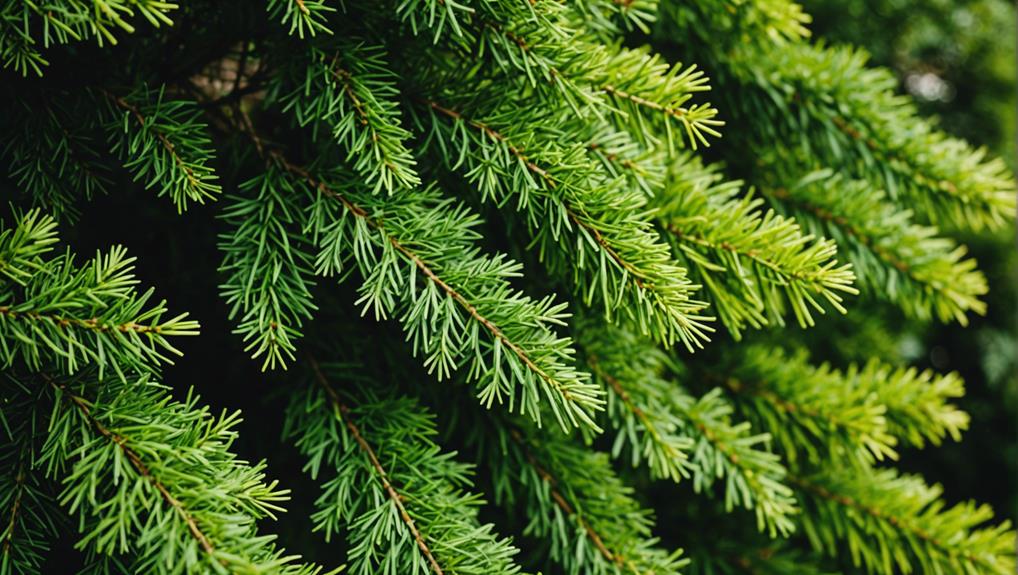

The best shrubs for privacy depend on how quickly you need screening, how much room you have, and whether you want a year-round green barrier. I’d put Brighter Blooms Thuja Green Giant first for buyers seeking a larger evergreen starter plant, while Emerald Green Arborvitae suits narrower spaces and Waxleaf Privet multipacks offer a hedge-oriented route. The tradeoff is between established plants that cost more to plant across a long boundary and smaller liners or cuttings that need more time and care. Growth rate, mature width, climate fit, and the number of plants needed per foot all affect how soon a screen will feel complete. Read on for the full comparison and a guide to choosing the right privacy planting for your site.

Get furniture and decor delivered free with Prime
- Fast, free delivery on millions of items
- Prime Video, Amazon Music and more included
- Member-only deals all year
Complete the kit


Key Takeaways
- Green Giant arborvitae leads for buyers prioritizing a substantial evergreen screen, while its larger size can make handling and spacing more demanding than small liners.
- Emerald Green arborvitae is the better fit where a slimmer profile matters; the lineup includes both small starter plants and a 20-plant option for wider coverage.
- Waxleaf privet appears in several pack sizes, making it a practical hedge candidate, but buyers should compare pot size and plant count rather than assuming every bundle covers the same distance.
- Willow cuttings and hybrid willow bundles favor rapid, large-scale screening goals, but they ask more of the buyer on site planning and establishment than potted shrubs.
- Podocarpus, nandina, viburnum, rose of Sharon, and juniper serve more specific design or site needs; they are less interchangeable with dense, uniform evergreen hedge plants.
| Ligustrum Recurvifolium Shrub, 2.25 Gallon |  | Best for Fast, Prunable Coverage | Plant type: Evergreen shrub | Container size: 2.25 gallons | Expected height: 96 inches | VIEW ON AMAZON | See Our Full Breakdown |
| Brighter Blooms Emerald Green Arborvitae, 1–2 ft. |  | Best for Narrow Privacy Screens | Plant type: Emerald Green arborvitae | Height when shipped: 1–2 feet | Expected height: 15 feet | VIEW ON AMAZON | See Our Full Breakdown |
| Waxleaf Privet Live Plants, 10-Pack, 2-Inch Pots |  | Best Value for Building a Long Hedge | Quantity: 10 plants | Pot size: 2 inches | Mature height: 8–10 feet | VIEW ON AMAZON | See Our Full Breakdown |
| Viburnum odoratissimum Live Plants for Privacy Hedges (3 Plants) |  | Best for a Fragrant Evergreen Screen | Plant type: Evergreen shrub | Quantity: 3 plants | Sun exposure: Full sun listed; description also mentions partial shade | VIEW ON AMAZON | See Our Full Breakdown |
| 6 Waxleaf Privet Plants (Ligustrum japonicum ‘Texanum’) in 3.5″ Cubes |  | Best Low-Maintenance Privet Starter Set | Quantity: 6 plants | Container size: 3.5-inch cubes | Plant type: Evergreen shrub | VIEW ON AMAZON | See Our Full Breakdown |
| Blue Arrow Juniper (Juniperus scopulorum), 5 Plants in 4-Inch Pots |  | Best for Narrow, Year-Round Screens | Botanical name: Juniperus scopulorum | Plant type: Evergreen shrub | Quantity: 5 plants | VIEW ON AMAZON | See Our Full Breakdown |
| Austree Hybrid Willow Trees for Privacy, Windbreak, and Shade (10 Trees) |  | Best for Fast, Tall Windbreaks | Quantity: 10 trees | Advertised growth rate: Up to 12 feet per year in the title; up to 15 feet in the first year in the description | Mature height: Around 50 feet; up to 75 feet listed in specifications | VIEW ON AMAZON | See Our Full Breakdown |
| Proven Winners Blue Chiffon Rose of Sharon Hibiscus Shrub, 2 Gallon |  | Best for Flowering Seasonal Screening | Botanical name: Hibiscus syriacus | Plant type: Deciduous shrub | Container size: 2 gallons | VIEW ON AMAZON | See Our Full Breakdown |
| Brighter Blooms Thuja Green Giant Arborvitae, 2–3 ft. |  | Best for Fast Evergreen Coverage | Plant type: Thuja Green Giant arborvitae | Height at listing: 2–3 feet | Growth rate: 3–5 feet per year once established | VIEW ON AMAZON | See Our Full Breakdown |
| Colorful Willow Bush Cuttings Kit – 15 Live Cuttings (5 Blackskin, 5 Purple Continental, 5 Blue Bark) |  | Best for Colorful, Budget-Conscious DIY Screens | Cuttings: 15 live cuttings | Varieties: 5 Blackskin, 5 Purple Continental, 5 Blue Bark | Expected plant height: 12 feet | VIEW ON AMAZON | See Our Full Breakdown |
| Southern Living Obsession Nandina Shrub, 2 Gallons |  | Best for Colorful, Lower Privacy Plantings | Container size: 2 gallons | USDA hardiness zones: 6–10 | Light requirements: Sun to part shade | VIEW ON AMAZON | See Our Full Breakdown |
| Perfect Plants Thuja Green Giant Arborvitae Liners, 18-Pack |  | Best for Large, Fast-Growing Screens | Quantity: 18 liners | Plant type: Evergreen tree | Scientific name: Thuja standishii x plicata | VIEW ON AMAZON | See Our Full Breakdown |
| 20 Emerald Green Arborvitae Trees, 6–12 Inches Tall, in 2.5-Inch Pots |  | Best for Compact, Formal Hedge Lines | Quantity: 20 plants | Plant type: Thuja occidentalis ‘Smaragd’ (Emerald Green Arborvitae) | Plant height: 6–12 inches | VIEW ON AMAZON | See Our Full Breakdown |
| Perfect Plants Podocarpus Maki Live Plant, 1 Gallon |  | Best for Narrow Evergreen Hedges | Common name: Podocarpus Maki (Japanese Yew) | Scientific name: Podocarpus macrophyllus | Container size: 1 gallon | VIEW ON AMAZON | See Our Full Breakdown |
| Green Wall Willow Privacy Tree Cuttings, 10 Count |  | Best for Experimental, Direct-Planted Screens | Quantity: 10 cuttings | Planting spacing: 2–3 feet apart | Sunlight: Full sun | VIEW ON AMAZON | See Our Full Breakdown |
| shrubs for privacy | Plant type | Quantity |
|---|---|---|
| Ligustrum Recurvifolium Shrub | Evergreen shrub | — |
| Brighter Blooms Emerald Green | Emerald Green arborvitae | — |
| Waxleaf Privet Live Plants | — | 10 plants |
| Viburnum odoratissimum Live Pl | Evergreen shrub | 3 plants |
| 6 Waxleaf Privet Plants | Evergreen shrub | 6 plants |
| Blue Arrow Juniper | Evergreen shrub | 5 plants |
| Austree Hybrid Willow Trees fo | — | 10 trees |
| Proven Winners Blue Chiffon Ro | Deciduous shrub | — |
| Brighter Blooms Thuja Green Gi | Thuja Green Giant arborvitae | — |
| Colorful Willow Bush Cuttings | — | — |
| Southern Living Obsession Nand | — | — |
| Perfect Plants Thuja Green Gia | Evergreen tree | 18 liners |
| 20 Emerald Green Arborvitae Tr | Thuja occidentalis ‘Smaragd’ (Emerald Green Arborvitae) | 20 plants |
| Perfect Plants Podocarpus Maki | — | — |
| Green Wall Willow Privacy Tree | — | 10 cuttings |
More Details on Our Top Picks
Ligustrum Recurvifolium Shrub, 2.25 Gallon
Fast evergreen growth and tolerance for heavy pruning make this Ligustrum a practical choice for buyers who want a screen they can shape rather than leave to grow naturally. Its listed height of 96 inches and six-foot width give it room to form a substantial barrier, while waxy green foliage provides coverage beyond its spring bloom season. The fragrant white flowers add seasonal interest, though they are a bonus rather than the main privacy feature.
Compared with the Brighter Blooms Emerald Green Arborvitae, this shrub is the better fit for gardeners who plan to prune and manage a broader hedge; the arborvitae is more explicitly suited to narrow spaces. This Ligustrum is listed for full sun and needs regular watering until established, so it is less forgiving of a dry, shaded planting site. Its broad soil adaptability helps, but it is not a plant-and-forget screen during establishment.
Pros:- Fast-growing evergreen foliage can build year-round screening.
- Tolerates heavy pruning, giving owners control over hedge shape.
- Fragrant white spring flowers add seasonal interest.
- Adapts to varied soils and sun exposures according to the description.
Cons:- Needs regular watering until established.
- Listed growing conditions specify full sun, limiting fit for shaded sites.
- A six-foot expected width requires more planting room than a narrow screen option.
Best for: Gardeners in USDA Zones 7–11 with a sunny, roomy planting area who want a fast-growing evergreen hedge that can be kept closely shaped.
Not ideal for: Buyers with shaded yards, limited hedge width, or little time to water young shrubs; the listed growing conditions call for full sun and regular establishment watering.
- Plant type:Evergreen shrub
- Container size:2.25 gallons
- Expected height:96 inches
- Expected width:6 feet
- Sun exposure:Full sun
- USDA hardiness zones:7–11
- Blooming period:Spring
- Flower color:White
Our verdict“Choose this Ligustrum if you have a sunny, spacious site and want fast evergreen coverage that can take regular shaping.”
Brighter Blooms Emerald Green Arborvitae, 1–2 ft.
Narrow-space screening is the clearest reason to choose this Emerald Green arborvitae. It can reach a listed height of 15 feet, while the description specifically points to privacy screens and planting alongside foundations, making it a strong fit where a broad hedge would crowd a path or garden bed. It tolerates full sun or partial shade and varying soil types, and its drought tolerance can reduce concern once the plant is established.
Unlike the broader, pruning-friendly Ligustrum Recurvifolium, this pick is framed around vertical coverage and tight locations. The tradeoff is patience: it arrives only 1–2 feet tall, so it will not provide immediate screening. Moderate watering is still recommended, and shipping exclusions for Alaska, Arizona, Hawaii, and Oregon may rule it out before planting plans begin. Choose it for a long-term narrow screen, not instant backyard privacy.
Pros:- Suited to privacy screens and narrow planting areas.
- Can reach a listed mature height of 15 feet.
- Tolerates full sun or partial shade.
- Drought-tolerant and adaptable to varying soil types.
Cons:- Ships at only 1–2 feet tall, delaying meaningful privacy coverage.
- Moderate watering is recommended despite its drought tolerance.
- Cannot ship to Alaska, Arizona, Hawaii, or Oregon.
Best for: Homeowners who need a slender evergreen screen beside a foundation or along a narrow boundary and can wait for young plants to grow.
Not ideal for: Buyers who need an immediate tall barrier, live in a listed shipping-excluded state, or want a multi-plant bundle rather than a single plant.
- Plant type:Emerald Green arborvitae
- Height when shipped:1–2 feet
- Expected height:15 feet
- Sun exposure:Full sun or partial shade
- Soil type:Sandy soil
- Watering needs:Moderate
- Drought tolerant:Yes
- Shipping restrictions:Cannot ship to AK, AZ, HI, or OR
Our verdict“Pick this arborvitae for a narrow, long-term screen where vertical growth matters more than immediate coverage.”
Waxleaf Privet Live Plants, 10-Pack, 2-Inch Pots
Ten plants in one set make this Waxleaf Privet a useful choice for buyers who need to fill a longer hedge rather than place a single specimen. The glossy foliage and stated mature height of 8–10 feet suit privacy screens, while its fast growth and response to pruning let gardeners shape the line as it develops. Compared with the single Brighter Blooms Emerald Green Arborvitae, this set provides multiple shrubs for a continuous planting, but its small two-inch pots mean the hedge will need time to establish and fill in.
The tradeoff is ongoing upkeep: the listing calls for regular watering while roots establish, and maintaining a neat outline may require shearing two or three times a year. It also suits topiary and containers, unlike a strictly screen-focused narrow-space pick, but those uses do not remove the pruning work. Choose this set for quantity and shaping flexibility, not low-maintenance coverage.
Pros:- Ten plants support a longer hedge from one set.
- Dense glossy foliage is suited to screens and privacy hedges.
- Fast-growing habit and pruning response allow shaping.
- Can also be used for topiary or container planting.
Cons:- Two-inch pots mean plants need time to establish and create substantial coverage.
- Requires regular watering while roots establish.
- Maintaining shape may call for shearing two to three times per year.
Best for: Gardeners planting a longer, formal privacy hedge who want several shrubs at once and are comfortable watering and shearing them as they grow.
Not ideal for: Buyers seeking a ready-made tall screen or a low-pruning hedge; these arrive in small pots and may need shearing two to three times yearly.
- Quantity:10 plants
- Pot size:2 inches
- Mature height:8–10 feet
- Sun exposure:Full sun
- Soil type:Sandy soil
- Watering needs:Regular while establishing roots
- Blooming period:Summer
- Foliage color:Green
Our verdict“Choose this ten-pack for a longer, shaped privet hedge if you can wait for small starters to fill in and keep up with pruning.”
Viburnum odoratissimum Live Plants for Privacy Hedges (3 Plants)
Dense evergreen foliage gives this three-plant Viburnum a straightforward role as a living screen, while fragrant white spring flowers add interest that a foliage-first option such as the Brighter Blooms Emerald Green Arborvitae does not offer in the same way. The three-plant set can help start a hedge or border, and the description says the shrubs grow quickly and can be pruned to maintain their shape. That combination suits buyers who want privacy planting with a seasonal floral feature.
There is a site-planning caveat: the description says full sun to partial shade, but the listed sun exposure specifies full sun. I would treat a sunny location as the safer match rather than rely on the broader description. Moderate watering is also part of the care profile. Compared with the Waxleaf Privet ten-pack, this is a smaller planting group, so it is less suited to covering a long boundary in one purchase.
Pros:- Fast-growing, dense foliage is suited to privacy screening.
- Evergreen habit supports year-round coverage.
- Fragrant white spring flowers add seasonal interest.
- Can be pruned to maintain hedge shape.
Cons:- The description and sun-exposure spec differ on partial-shade suitability.
- Moderate watering is required.
- Three plants may be insufficient for a long hedge.
Best for: Gardeners seeking a small group of fast-growing evergreen shrubs for a sunny hedge or border, with fragrant spring flowers as an added feature.
Not ideal for: Buyers planting in deep shade or covering a long boundary with one order; the listing gives conflicting shade guidance and includes only three plants.
- Plant type:Evergreen shrub
- Quantity:3 plants
- Sun exposure:Full sun listed; description also mentions partial shade
- Soil type:Clay
- Watering needs:Moderate
- Blooming period:Spring
- Flower color:White
- Foliage color:Green and yellow variegated
Our verdict“Choose this Viburnum for a sunny, smaller privacy planting where spring fragrance matters as much as evergreen coverage.”
6 Waxleaf Privet Plants (Ligustrum japonicum ‘Texanum’) in 3.5″ Cubes
Six well-rooted starter plants give this Waxleaf Privet set a useful middle ground between the ten tiny pots in the other privet listing and a single larger shrub. Its glossy evergreen foliage and stated mature height of 6–12 feet make it suitable for a screen that can grow into a substantial barrier, while full sun to partial shade offers more planting flexibility than the full-sun listing for the Waxleaf Privet ten-pack. The plants are described as drought-tolerant once established, which can ease routine care after the early watering period.
This set also brings stated deer resistance and pollinator-friendly white blooms, though those features do not replace the main privacy benefit: evergreen foliage. The tradeoff is that six plants may not cover a long boundary as quickly as the ten-pack, and natural size variation can make a uniform hedge harder to achieve. Shipping is unavailable to Alaska, Hawaii, and Puerto Rico. Choose it for a moderate-sized privet project with broader sun tolerance, not a perfectly uniform instant screen.
Pros:- Six plants in 3.5-inch cubes offer a larger starting format than the other privet set’s two-inch pots.
- Evergreen foliage and a stated mature height of 6–12 feet suit privacy screening.
- Tolerates full sun to partial shade.
- Drought-tolerant once established, with stated deer resistance.
Cons:- Six plants may not cover as much hedge length as the ten-plant Waxleaf Privet set.
- Natural variation in plant size and appearance can produce an uneven screen.
- Cannot ship to Alaska, Hawaii, or Puerto Rico.
Best for: Gardeners in USDA Zones 7–10 who want a moderate-sized evergreen privet screen, with starter plants that tolerate full sun or partial shade.
Not ideal for: Buyers who need a long hedge covered by one set, require highly uniform starter sizes, or live in Alaska, Hawaii, or Puerto Rico.
- Quantity:6 plants
- Container size:3.5-inch cubes
- Plant type:Evergreen shrub
- Scientific name:Ligustrum japonicum ‘Texanum’
- Mature height:6–12 feet
- Mature width:4–6 feet
- USDA hardiness zones:7–10
- Sun exposure:Full sun to partial shade
- Blooming season:Spring and summer
Our verdict“Choose this six-plant set for a moderate-sized, adaptable privet screen if you value larger starter cubes over the greater plant count of the ten-pack.”
Blue Arrow Juniper (Juniperus scopulorum), 5 Plants in 4-Inch Pots
Blue Arrow Juniper suits buyers who need an evergreen screen without giving a wide border to shrubs. Its narrow, columnar form can add height along a tighter boundary, while blue-green foliage keeps the screen present through winter. The pack includes five plants in 4-inch pots, so expect young plants rather than an instant privacy wall. Compared with the Thuja Green Giant, this juniper’s slender habit is easier to fit into a narrow space, but it is not the better choice if rapid, broad coverage is the priority. It needs full sun and well-drained soil; the listing also calls for regular watering, despite noting drought tolerance once established. Skip it for shaded yards or soggy planting sites.
Pros:- Evergreen blue-green foliage provides screening through winter.
- Narrow, columnar growth fits tighter planting strips than broad shrubs.
- Five plants can be arranged as a small hedge or screen.
- Drought-tolerant and low-maintenance once established.
Cons:- Full sun is required for the stated growing conditions.
- Well-drained soil is needed, making poorly drained sites a poor fit.
- Plants arrive in small 4-inch pots, so substantial coverage will take time.
Best for: Homeowners with a sunny, narrow boundary who want evergreen structure and can wait for five young plants to fill in.
Not ideal for: Buyers needing an immediate, wide privacy barrier, or gardeners with shaded or persistently wet planting areas.
- Botanical name:Juniperus scopulorum
- Plant type:Evergreen shrub
- Quantity:5 plants
- Pot size:4 inches
- Growth habit:Narrow, columnar
- Foliage color:Blue-green
- Sunlight:Full sun
- Moisture and soil:Regular watering; well-drained soil
Our verdict“Choose Blue Arrow Juniper for a sunny, space-conscious evergreen screen, not for fast coverage or damp, shaded ground.”
Austree Hybrid Willow Trees for Privacy, Windbreak, and Shade (10 Trees)
Austree Hybrid Willow is the scale-first choice here: a 10-tree planting is intended to grow into a tall screen that can also provide shade and buffer wind. The listing advertises very rapid growth, but its figures conflict, citing up to 12 feet per year in the title, up to 15 feet in the first year in the description, and mature heights ranging from around 50 to 75 feet. I would treat those numbers as variable, not a guarantee. Compared with the narrower Blue Arrow Juniper, Austree can create a much larger barrier, but it needs room to spread up to 35 feet and soil kept moist. Included planting instructions help, yet this is a poor match for dry sites or small lots.
Pros:- Ten trees are intended for a substantial privacy hedge or windbreak.
- Can provide shade as well as screening.
- Listed for USDA hardiness zones 4–8.
- Detailed planting instructions are included.
Cons:- Growth-rate and mature-height figures vary across the listing.
- Requires consistently moist soil, unlike the drought-tolerant Blue Arrow Juniper once established.
- Potential mature width of up to 35 feet demands substantial space.
Best for: Rural or large-lot owners seeking a tall windbreak and privacy planting who can provide moist soil and ample room.
Not ideal for: Small-yard gardeners or anyone unable to maintain moist soil or accommodate trees that may reach 50 feet or more.
- Quantity:10 trees
- Advertised growth rate:Up to 12 feet per year in the title; up to 15 feet in the first year in the description
- Mature height:Around 50 feet; up to 75 feet listed in specifications
- Mature width:Up to 35 feet
- Sunlight:Full sun
- Hardiness zones:4–8
- Water needs:Moderate; keep soil moist
- Included:Detailed planting instructions
Our verdict“Pick Austree if you have a large, moist planting area and want a tall windbreak; skip it for compact or dry sites.”
Proven Winners Blue Chiffon Rose of Sharon Hibiscus Shrub, 2 Gallon
Blue Chiffon Rose of Sharon makes more sense as a flowering garden screen than as an all-season privacy barrier. Its mature height of 8–12 feet can add useful summer coverage, and the blue flowers with lacy centers bring a decorative payoff that the evergreen Blue Arrow Juniper does not offer. The tradeoff is seasonal: this is a deciduous shrub, so it loses foliage in winter, and its 4–6-foot width plus recommended 8–12-foot spacing calls for room to grow. It suits sunny to partly shaded sites in zones 5–9 and is also listed for containers, though regular watering remains part of care. Choose it when blooms and warm-season screening matter more than year-round concealment.
Pros:- Large blue flowers with distinctive lacy centers add ornamental value.
- Tall mature growth can screen garden views during the leafy season.
- Grows in full sun to partial shade.
- Suitable for landscapes, gardens, and containers.
Cons:- Loses its foliage in winter, leaving privacy gaps.
- Mature size and recommended spacing require substantial room.
- Regular watering is listed as a need.
Best for: Gardeners in zones 5–9 who want a tall, flowering summer screen and have room for widely spaced shrubs.
Not ideal for: Buyers who need year-round privacy, or those with a narrow planting strip that cannot fit its mature width and spacing.
- Botanical name:Hibiscus syriacus
- Plant type:Deciduous shrub
- Container size:2 gallons
- Mature size:48–72 inches wide × 96–144 inches tall
- Hardiness zones:5–9
- Sun exposure:Full sun to partial shade
- Blooming period:Spring to fall
- Recommended spacing:96–144 inches
Our verdict“Choose Blue Chiffon for a spacious, flower-focused seasonal screen, but choose an evergreen such as Blue Arrow Juniper for winter coverage.”
Brighter Blooms Thuja Green Giant Arborvitae, 2–3 ft.
Thuja Green Giant Arborvitae is the strongest fit in this group for buyers prioritizing a fast-growing evergreen screen: the listing gives a growth rate of 3–5 feet per year once established, and the 2–3-foot starting height offers a head start over very small liners. It is also described as deer resistant and can be planted in a straight line or staggered row. Compared with Blue Arrow Juniper, this is the faster, fuller-screening proposition, while the juniper is better suited to narrow spaces. The tradeoffs are practical: this plant has shipping exclusions for Alaska, Arizona, Hawaii, and Oregon, and the listed preference for sandy soil and moderate watering narrows site suitability. Check your location and soil before choosing it.
Pros:- Evergreen foliage supports privacy throughout the year.
- Listed growth rate of 3–5 feet per year once established can speed screen development.
- Deer resistance may help where browsing threatens young plantings.
- Straight-line or staggered planting offers layout flexibility.
Cons:- Cannot ship to Alaska, Arizona, Hawaii, or Oregon.
- Listed as preferring sandy soil, which may not suit every yard.
- Moderate watering is needed as the screen establishes.
Best for: Buyers in eligible shipping areas who want a fast-growing evergreen screen and have room for a row or staggered planting.
Not ideal for: Residents of Alaska, Arizona, Hawaii, or Oregon, and gardeners whose soil or site conditions do not suit its listed preferences.
- Plant type:Thuja Green Giant arborvitae
- Height at listing:2–3 feet
- Growth rate:3–5 feet per year once established
- Foliage color:Green
- Deer resistant:Yes
- Sunlight exposure:Partial shade
- Soil and watering:Sandy soil; moderate watering
- Shipping restrictions:Cannot ship to AK, AZ, HI, or OR
Our verdict“Choose this Thuja for fast evergreen coverage if it can ship to your state and your planting site suits its soil and water preferences.”
Colorful Willow Bush Cuttings Kit – 15 Live Cuttings (5 Blackskin, 5 Purple Continental, 5 Blue Bark)
Colorful Willow Bush Cuttings Kit is the hands-on option for gardeners willing to root and grow a screen from cuttings. The 15 stems come in three varieties—Blackskin, Purple Continental, and Blue Bark—so the payoff is unusual stem color and a more decorative boundary than the green foliage of Thuja Green Giant. The listing says the cuttings root easily in water or soil and can reach 12 feet, but they arrive dormant and may look like bare stems before growth begins. Privacy will depend on successful rooting and development, rather than arriving as a finished hedge. These willows suit sunny sites with consistently moist or periodically wet soil and are listed for zones 3–10. Skip them if your garden dries out or you need immediate screening.
Pros:- Fifteen cuttings include three varieties with black, purple, and blue stems.
- Can be rooted in water or soil, giving beginners a straightforward propagation project.
- Listed for USDA zones 3–10.
- Suitable for privacy planting and pollinator habitats.
Cons:- Consistently moist soil is needed; dry sites may cause trouble.
- Dormant cuttings arrive without established foliage or immediate screening.
- Privacy depends on successful rooting and subsequent plant growth.
Best for: DIY gardeners who want to propagate multiple colorful willows in sunny, reliably moist ground and can wait for them to establish.
Not ideal for: Buyers needing an instant privacy hedge, or gardeners with dry soil who do not want to root dormant cuttings.
- Cuttings:15 live cuttings
- Varieties:5 Blackskin, 5 Purple Continental, 5 Blue Bark
- Expected plant height:12 feet
- Stem colors:Black, purple, blue
- Sunlight exposure:Full sun
- Hardiness zones:3–10
- Rooting method:Water or soil
- Soil moisture:Consistently moist; adaptable to periodically wet soils
Our verdict“Choose this kit for a colorful, hands-on willow screen in moist ground, not for instant coverage or dry sites.”
Southern Living Obsession Nandina Shrub, 2 Gallons
Obsession Nandina is the color-first choice here: its foliage stays colorful through the seasons, adding visual interest to a low hedge or layered screen. It suits USDA zones 6–10 and accepts sun to part shade, giving it more flexibility than the full-sun Green Giant liners. The tradeoff is scale: the listing gives no mature height or width, so I would not choose it when a tall, quickly established barrier is the priority. Compared with the upright Podocarpus Maki, this Nandina is a better fit for foliage color than a defined narrow hedge. Its low-maintenance rating is appealing once settled, but regular watering during establishment still calls for attention.
Pros:- Colorful foliage through the seasons adds visual interest to a hedge or layered planting
- Grows in USDA zones 6–10
- Tolerates sun to part shade
- Listed as low maintenance
Cons:- Requires watering twice weekly until established
- No mature height or width is provided, making screening scale harder to plan
- Less clearly suited to a tall, formal privacy barrier than the arborvitae options
Best for: Gardeners in zones 6–10 who want colorful foliage in a lower privacy planting or mixed border and can water regularly while plants establish
Not ideal for: Buyers who need a tall, dense screen quickly or need a stated mature size to plan hedge spacing
- Container size:2 gallons
- USDA hardiness zones:6–10
- Light requirements:Sun to part shade
- Watering while establishing:Twice weekly
- Watering after establishment:Once weekly
- Maintenance:Low
Our verdict“Choose Obsession Nandina for seasonal foliage color in a modest privacy planting, not as your main tall-screen solution.”
Perfect Plants Thuja Green Giant Arborvitae Liners, 18-Pack
For buyers prioritizing a tall evergreen barrier, these 18 Green Giant liners offer the strongest stated growth potential in this group: up to 3–5 feet per year and 60 feet tall at maturity. That scale makes them more suited to a large property or windbreak than the compact Emerald Green Arborvitae pack, but it also means spacing and pruning need serious forethought. They prefer full sun in zones 5–9, and the listing calls for regular watering after planting plus yearly fertilizer for consistent growth. Though described as drought tolerant and deer resistant, they are not hands-off at the outset. I would also rule them out for buyers in California or Arizona, where shipping is restricted.
Pros:- Pack of 18 supports planting a substantial screen or windbreak
- Listed growth rate of 3–5 feet per year
- Evergreen foliage is suited to year-round screening
- Described as deer resistant and drought tolerant
Cons:- Can reach 60 feet tall and 20 feet wide without size management
- Needs regular watering after planting and yearly fertilizer for consistent growth
- Cannot ship to California or Arizona
Best for: Property owners in zones 5–9 who have full-sun space for a tall windbreak or broad evergreen screen and are prepared to care for young trees
Not ideal for: Gardeners with small yards, shade-heavy planting sites, or addresses in California or Arizona
- Quantity:18 liners
- Plant type:Evergreen tree
- Scientific name:Thuja standishii x plicata
- Mature size:Up to 60 ft tall and 20 ft wide
- Growth rate:3–5 ft per year
- Hardiness zones:5–9
- Sunlight exposure:Full sun
- Special features:Deer resistant; drought tolerant
- Shipping restrictions:Cannot ship to California or Arizona
Our verdict“Pick these liners for a large, sunny site where fast-growing, tall coverage matters more than compact size or minimal upkeep.”
20 Emerald Green Arborvitae Trees, 6–12 Inches Tall, in 2.5-Inch Pots
Emerald Green Arborvitae is the lineup’s compact, naturally columnar option, making it a better match for tidy hedge rows and narrower borders than the much larger Green Giant liners. The pack contains 20 plants, but each arrives just 6–12 inches tall in a 2.5-inch pot, so buyers should expect to wait for meaningful screening rather than receive an immediate barrier. Its year-round green foliage supports privacy through winter, while the listed low-maintenance feature suits gardeners who want a restrained shape. The product specifies partial sun, which may fit sites where the full-sun Green Giant will not, though the listing does not provide hardiness zones or a mature size. That missing information makes climate and spacing plans less certain.
Pros:- Year-round green foliage supports screening across seasons
- Naturally columnar growth suits narrow hedge rows and borders
- Pack includes 20 plants for planting a longer run
- Described as low maintenance
Cons:- Plants arrive only 6–12 inches tall, so coverage will take time
- Each plant comes in a small 2.5-inch pot
- Listing specifies partial sun but does not provide hardiness zones or mature dimensions
Best for: Gardeners who want a compact, columnar evergreen hedge, can plant a large number of small specimens, and are comfortable waiting for them to fill in
Not ideal for: Buyers seeking immediate privacy, full-sun-only sites, or clear mature-size and hardiness guidance before planting
- Quantity:20 plants
- Plant type:Thuja occidentalis ‘Smaragd’ (Emerald Green Arborvitae)
- Plant height:6–12 inches
- Pot size:2.5 inches
- Color:Green
- Sunlight exposure:Partial sun
- Usage:Outdoor
- Special feature:Low maintenance
Our verdict“Choose this pack for a space-conscious evergreen hedge if you can wait for small plants to grow into a screen.”
Perfect Plants Podocarpus Maki Live Plant, 1 Gallon
Podocarpus Maki brings a useful middle ground between the compact Emerald Green Arborvitae and the towering Green Giant: it is listed at 8–10 feet tall and 3–4 feet wide, with an upright form suited to narrower hedges. Glossy evergreen foliage gives year-round screening, while its tolerance of full sun to partial shade offers more light flexibility than the Green Giant liners. It is listed for zones 7–11 and becomes drought tolerant once established, but that does not remove the need for moderate watering during growth. The main site constraint is soil: it needs good drainage. Shipping is also restricted in California and Arizona, so local availability may decide the matter before planting plans do.
Pros:- Upright mature form fits narrower hedge spaces
- Glossy evergreen foliage provides year-round screening
- Tolerates full sun to partial shade
- Drought tolerant once established and described as low maintenance
Cons:- Requires well-draining soil
- Cannot ship to California or Arizona
- Moderate water needs remain before it is established
Best for: Gardeners in zones 7–11 who need an upright evergreen screen for a relatively narrow planting strip and have well-draining soil
Not ideal for: Buyers in California or Arizona, gardeners with poorly drained soil, or anyone needing a broad windbreak
- Common name:Podocarpus Maki (Japanese Yew)
- Scientific name:Podocarpus macrophyllus
- Container size:1 gallon
- Mature height:8–10 feet
- Mature width:3–4 feet
- USDA hardiness zones:7–11
- Sun exposure:Full sun to partial shade
- Soil:Well-draining
- Shipping restriction:Does not ship to California or Arizona
Our verdict“Choose Podocarpus Maki for an upright, mid-height evergreen hedge in a warm-zone garden with well-draining soil.”
Green Wall Willow Privacy Tree Cuttings, 10 Count
These 10 willow cuttings appeal to buyers who want to plant a living screen directly into the ground rather than start with potted shrubs. The suggested spacing of 2–3 feet apart gives a basic layout for a dense border, and the listing describes the cuttings as adaptable to many soil types and climates. Compared with the potted Green Giant liners, however, this set provides much less planning detail: it gives no growth timeline, mature size, or hardiness range. That uncertainty makes it hard to predict when the screen will block sightlines or how much room it will eventually need. Full sun is specified, and low maintenance applies only once established, so this is a less predictable choice than the Emerald Green Arborvitae for a carefully dimensioned hedge.
Pros:- Cuttings can be planted directly in soil
- Ten cuttings provide material for a continuous screen or border
- Listed as adaptable to many soil types and climates
- Described as low maintenance once established
Cons:- No specific growth timeline or mature size is provided
- Requires full sun
- Planting layout calls for 2–3 feet of spacing between cuttings
Best for: Gardeners comfortable experimenting with direct-planted cuttings who want a natural border or wind screen and can accept uncertain growth timing
Not ideal for: Buyers who need dependable timing, defined mature dimensions, or a carefully planned formal hedge
- Quantity:10 cuttings
- Planting spacing:2–3 feet apart
- Sunlight:Full sun
- Usage:Indoor and outdoor
- Material feature:GMO-free
- Color:Green
- Brand:CZ Grain
Our verdict“Choose these willow cuttings for a flexible, natural screen if uncertain growth and final size are acceptable.”

How We Picked
I ranked these options by how directly they can help create a useful privacy screen, then weighed evergreen coverage, plant size, bundle quantity, likely spacing needs, and planting effort. A privacy plant is only a practical pick if its mature form suits the available width and the quantity gives buyers a realistic path to filling their boundary. I also separated conventional potted shrubs and arborvitae from cuttings and fast-growing tree bundles, since their upfront effort and screening timelines differ.
The ranking favors versatile choices with a clear role for common residential screening needs, not plants that are universally best for every climate or yard. Green Giant arborvitae ranks ahead for larger evergreen screening, while narrow Emerald Green forms, privet multipacks, and specialty plants earn places for particular constraints. Product titles do not establish local hardiness, mature dimensions, or guaranteed establishment, so buyers should verify those details with the seller and local growing guidance before ordering.
| shrubs for privacy | Plant type |
|---|---|
| Ligustrum Recurvifolium Shrub | Evergreen shrub |
| Brighter Blooms Emerald Green | Emerald Green arborvitae |
| Waxleaf Privet Live Plants | — |
| Viburnum odoratissimum Live Pl | Evergreen shrub |
| 6 Waxleaf Privet Plants | Evergreen shrub |
| Blue Arrow Juniper | Evergreen shrub |
| Austree Hybrid Willow Trees fo | — |
| Proven Winners Blue Chiffon Ro | Deciduous shrub |
| Brighter Blooms Thuja Green Gi | Thuja Green Giant arborvitae |
| Colorful Willow Bush Cuttings | — |
| Southern Living Obsession Nand | — |
| Perfect Plants Thuja Green Gia | Evergreen tree |
| 20 Emerald Green Arborvitae Tr | Thuja occidentalis ‘Smaragd’ (Emerald Green Arborvitae) |
| Perfect Plants Podocarpus Maki | — |
| Green Wall Willow Privacy Tree | — |
Factors to Consider When Choosing Shrubs For Privacy
Before choosing a plant, I’d work backward from the screen you need: its height, width, planting length, and desired timeline. Those decisions can matter more than the plant’s name or bundle size.
Set a Realistic Screening Timeline
A privacy hedge rarely becomes a solid wall as soon as it is planted, and small liners or cuttings can leave a boundary exposed for a while. If you need coverage sooner, larger potted plants may reduce the wait, though they do not remove the time needed for roots to establish and plants to grow together. Avoid choosing a fast-growing option based on speed alone: rapid growth can mean more pruning, more room needed, or a less tidy shape. Decide whether you can tolerate temporary gaps or need a short-term fence or screen alongside the planting. Your answer can narrow the field before you compare species.
Measure Mature Width, Not Just the Planting Strip
Measure the space from the boundary to paths, buildings, driveways, and neighboring property before ordering. A narrow evergreen such as Emerald Green arborvitae may suit a tighter line better than a broader screen, while wide-growing choices can crowd structures if planted too close. Check the expected mature width for your region and leave room for airflow and maintenance access. Planting too tightly may look like a shortcut to a quick hedge, but crowding can make care harder and weaken the screen over time. Use mature dimensions to calculate spacing instead of relying on the number of plants in a bundle.
Calculate Coverage by Linear Feet
A pack count does not tell you how much boundary a product will screen. Estimate the planting run, check recommended spacing, and divide the total length accordingly; then account for the fact that young plants need time to fill gaps. Small bundles of larger shrubs may work for a short section, while liners or cuttings can suit a longer project if you can wait and provide establishment care. Do not buy extra plants simply to force an immediate solid wall unless the species and spacing guidance support that plan. Comparing cost per planted foot can be more useful than comparing package size alone.
Match the Plant to Local Climate and Exposure
Sun, winter temperatures, wind, drainage, and summer heat all shape whether a privacy planting will thrive. A plant described for hedges is not automatically suited to every region, and local conditions can change its growth rate and density. Check regional hardiness guidance and the seller’s care details, especially for exposed sites or areas with harsh winters. Also note whether your boundary is sunny all day or shaded by buildings, since the wrong light conditions can leave a screen sparse. When the site is marginal, choose a locally proven plant over a speculative fast-growing option.
Choose Between Evergreen Cover and Seasonal Interest
Evergreens provide visual screening through winter, while flowering or colorful shrubs may offer more seasonal character but can be less consistent as a year-round visual barrier. Decide whether privacy means blocking views in every season or adding a layered planting that looks attractive for more of the year. A mixed border can soften a rigid hedge, but differences in mature size and growth rate call for more planning and pruning. Avoid mixing plants at random: a vigorous tree or shrub can shade out slower neighbors. If uninterrupted winter cover is the priority, make evergreen structure the backbone of the planting.
Plan for Watering, Pruning, and Long-Term Care
New plants need reliable watering while their roots establish, and a long hedge can demand more time than buyers expect. Cuttings and small liners may need closer attention than larger potted plants, while fast-growing screens can bring more frequent pruning. Consider who will maintain the planting and whether equipment can reach it safely once the screen is tall. Check whether the species tolerates the pruning style you want; not every shrub responds well to being clipped into a narrow formal hedge. A manageable planting that stays healthy is usually more useful for privacy than an ambitious row that outgrows its site.
Frequently Asked Questions
Should I buy larger plants or a large bundle of small plants for a long privacy line?
Choose based on the balance between your timeline, budget, and capacity to care for young plants. Larger potted plants can give a head start on height, but a small bundle may cover only a short run and larger plants can be harder to handle. A large bundle of small liners or cuttings can cover more ground, but it may take longer to create a screen and needs attentive establishment care. Calculate the number required from the recommended spacing and your total boundary length before ordering. If you need immediate blockage, plants alone may not meet that need.
Can I plant arborvitae close together to get privacy faster?
Planting closer than the recommended spacing may make the row look fuller at first, but it can create competition for light, water, and root space as the plants mature. Crowding can also make it harder to prune or inspect the interior of the hedge. Use the mature width and seller spacing guidance for the specific arborvitae, since Green Giant and Emerald Green have different screening profiles. For a longer boundary, calculate spacing across the full run rather than judging the first few plants by appearance. If you need cover before the hedge fills in, plan a temporary screen rather than compressing the planting.
Are willow cuttings a good choice if I need a privacy screen quickly?
Willow cuttings can appeal to buyers planting a broad screen or windbreak, but they are not the same as receiving established, full-size shrubs. Their success and pace depend on planting conditions, moisture, climate, and the care available during establishment. Check the seller’s propagation and spacing instructions, and confirm that the mature size suits your site before ordering. A small cutting bundle may be a poor fit for a short, narrow residential boundary if the plants grow beyond the available space. If you need a dependable screen on a tight timeline, compare them with larger potted evergreens and consider temporary screening.
Which option makes more sense for a narrow yard: Green Giant or Emerald Green arborvitae?
Emerald Green is generally the more natural starting point when the planting strip is narrow, while Green Giant is better suited to buyers who can allow more room for a larger screen. Confirm mature dimensions for your growing region and keep clearance from buildings, fences, and walkways. A narrower plant is not automatically the right choice if you need a very tall or broad visual barrier, so define the view you want to block as well as the available width. The smaller Emerald Green offerings also vary in starting size and bundle quantity, which affects how much planting work is involved. Use spacing guidance for the exact product rather than applying one arborvitae’s measurements to another.
Do I need an all-evergreen hedge for year-round privacy?
If you need the boundary screened through winter, evergreen plants are the safer foundation because deciduous shrubs can lose much of their visual cover. That does not mean every plant in the yard must be evergreen: flowering shrubs can add interest in a mixed border where seasonal gaps are acceptable. Think about the sightlines that matter most, including upper-story windows and views from neighboring properties. A layered design can combine evergreen structure with seasonal plants, but it needs enough room and a plan for differences in growth. For uninterrupted screening, prioritize evergreen coverage and treat flowering options as accents rather than substitutes.
Conclusion
For a general-purpose evergreen screen, I’d start with Brighter Blooms Thuja Green Giant as the best overall pick, provided the site has room for a substantial plant. The Emerald Green arborvitae bundles are my value-minded choice for buyers who need a narrower profile or many starters, while Green Giant liners suit a larger project where patience and planting work matter more than starting size. Beginners may find a small number of established potted shrubs, such as the Ligustrum Recurvifolium, easier to plan than a large cutting or liner order, after checking regional suitability and care needs. For specific needs, consider Blue Arrow juniper for a narrow upright form, Waxleaf Privet for a hedge-focused planting, or willow products for a broad screen where their growth and site requirements fit. Match the mature dimensions and planting quantity to your boundary before choosing; that decision will do more for a lasting privacy screen than selecting the fastest-sounding option.
Halloween Picks

Govee Outdoor Halloween Projector Light, 3D Dynamic Visual Holiday Decor

12.2 ft Halloween Inflatable Outdoor Decoration – Giant Pumpkin

Fun Costumes Creepy Twin Boys Halloween Animatronic
As an affiliate, we earn on qualifying purchases.