A home energy audit helps you spot areas needing improvement, saving you money on utility bills and reducing your environmental impact. By identifying air leaks, insulation issues, and inefficient appliances, you can cut energy use by up to 50%. It’s worth hiring a certified auditor for a thorough assessment, but you can also start with some DIY checks. Keep going to discover key steps for prepping, common issues found, and the benefits of professional audits.
Key Takeaways
- Home energy audits can reduce utility bills by up to 50%, leading to significant savings for homeowners.
- Identifying and addressing air leaks and insulation issues enhances energy efficiency and comfort.
- Upgrading to energy-efficient appliances and lighting can further decrease energy consumption and costs.
- Professional audits provide tailored recommendations that maximize energy savings and improve home resale value.
- Implementing energy-efficient practices contributes to environmental sustainability by reducing overall energy demand.
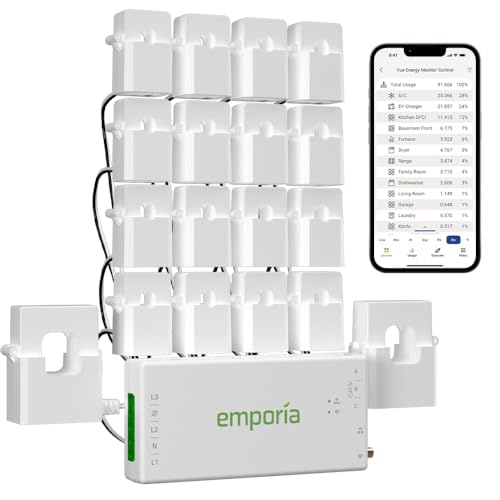
Emporia Vue 3 Home Energy Monitor – Smart Home Automation Module and Real Time Electricity Usage Monitor, Power Consumption Meter, Solar and Net Metering for UL Certified Safe Energy Monitoring
SAFETY YOU CAN TRUST WITH UL CERTIFICATION: With Emporia Energy, your home energy monitoring is safe, reliable, and…
As an affiliate, we earn on qualifying purchases.
As an affiliate, we earn on qualifying purchases.
Understanding the Importance of Home Energy Audits

Understanding the importance of home energy audits is essential for any homeowner looking to reduce costs and improve comfort. A home energy audit can help you identify areas where energy efficiency improvements are needed, potentially saving you up to 50% on your utility bills.
With the average residential energy bill at $2,060 annually, these audits are a smart financial move. Customized energy audits consider your home’s unique characteristics, ensuring targeted recommendations for energy savings. They pinpoint low-cost, high-return repairs, enhance insulation levels, and promote energy-efficient appliances, ultimately boosting your home’s energy performance. Additionally, incorporating solar energy solutions can significantly lower your carbon footprint and enhance sustainability. Regularly assessing your home’s energy efficiency ratings can lead to further enhancements and savings.
Plus, homes with energy-efficient features often see increased resale value, making an energy audit a wise investment for both your wallet and the environment. Additionally, understanding the refrigeration cycle can further enhance your energy efficiency by optimizing heat pump performance.

dalattin 24 Pack LED Bulbs Daylight White 5000K, 60 Watt Equivalent A19 Standard Bulbs, E26 Base, 800 LM, Efficient 9W Energy Saving, Non-Dimmable, 80+ CRI, 120V, UL Listed, for Living Room, Office
【Efficiency Meets Comfort】 Dalattin's A19 engergy saving LED bulbs replace 60W incandescents with just 9W while delivering full…
As an affiliate, we earn on qualifying purchases.
As an affiliate, we earn on qualifying purchases.
Key Steps to Prepare for an Energy Audit

To prepare for your energy audit, start by reviewing your utility bills from the past year to spot usage patterns.
Next, assess your home’s conditions, noting any cold spots or drafty areas. Understanding tax implications can help you budget for energy improvements and maximize savings. Additionally, consider that proper venting techniques are crucial for maintaining energy efficiency in heating systems, including wood stoves. Implementing appropriate pressure settings during home improvement projects can also enhance overall energy efficiency.
Finally, think about the number of people living in your home and their typical schedules, as this impacts your energy needs.
Additionally, consider scheduling a professional evaluation with certified energy auditors to identify specific areas for improvement in your home’s energy efficiency.
Review Utility Bills
Before scheduling your energy audit, take a moment to review your utility bills from the past 12 to 24 months. This will help you identify energy usage patterns and pinpoint peak consumption periods.
Look for fluctuations in energy costs that might indicate areas needing efficiency improvements. Pay attention to thermostat settings during winter and summer months, as they greatly impact energy consumption. Additionally, understanding IRA Investment Strategy can provide insights into funding potential energy-efficient upgrades.
Also, consider how frequently you use different rooms; this can highlight which areas require more focus during the audit. By understanding your energy waste, you’ll establish a solid baseline, enabling the auditor to provide tailored recommendations that could lead to significant savings on future bills. Additionally, understanding RMDs and tax implications can help you allocate funds for energy-efficient upgrades that may reduce long-term expenses.
Assess Home Conditions
As you prepare for your energy audit, evaluating your home conditions is essential for maximizing efficiency gains.
Start by reviewing your utility bills from the past 12-24 months to identify energy use patterns and peak consumption periods. This insight helps pinpoint areas for improvement.
Next, assess your thermostat settings for both winter and summer to understand your heating and cooling habits. Identify cold areas in your home and evaluate how frequently rooms are used, as this may highlight insulation issues.
Consider the number of occupants and their daily presence, which can tailor energy efficiency recommendations.
Finally, reflect on your long-term residence plans, as they can influence the cost-effectiveness of potential savings from recommended upgrades.
Evaluate Occupant Needs
Understanding occupant needs is essential for a successful energy audit. Start by reviewing your utility bills from the past 12-24 months to identify energy usage patterns and peak consumption periods.
Consider the number of people in your home and their daily habits, which influence overall energy consumption. Note the thermostat settings for winter and summer to assess the efficiency of your HVAC systems.
Pay attention to room usage and any cold areas, as these may indicate insulation issues or air leaks needing attention.
Finally, evaluate your long-term residence plans to guarantee any energy-efficient upgrades align with your future goals. Addressing these factors will help you optimize your home’s energy performance effectively.
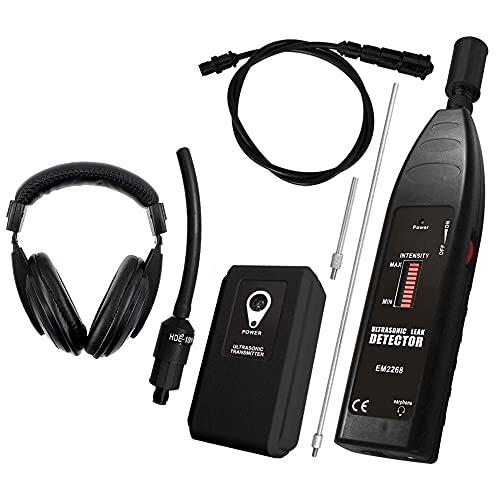
allsun Pro Ultrasonic Leaking Detector Transmitter Auto Noise Finder, Electronic Stethoscope HVAC Machine Noise Monitor 36-44KHz, Air Gas Water Leak Diagnosis Tool
【Professional-Grade Ultrasonic Detection】This leak detector is engineered for automotive and industrial applications. It accurately pinpoints leaks by sensing…
As an affiliate, we earn on qualifying purchases.
As an affiliate, we earn on qualifying purchases.
Common Issues Identified During an Energy Audit

During an energy audit, you’ll likely uncover common issues like air leaks and insulation quality.
Sealing gaps around windows and doors can greatly boost your home’s energy efficiency.
Additionally, evaluating your insulation can help maintain comfortable temperatures and lower your energy bills.
Air Leaks Detection
Identifying air leaks in your home is essential for enhancing energy efficiency and reducing energy costs. Air leaks can account for up to 30% of your energy usage, greatly impacting your heating and cooling bills.
Common culprits include doors, windows, baseboards, and electrical outlets, where inadequate sealing leads to energy loss. During an energy audit, utilizing a blower door test can effectively pinpoint these leaks, allowing you to address them promptly.
Sealing air leaks can improve your home’s energy efficiency and save money on energy bills by up to 20%. Not only will this home improvement enhance your indoor temperature comfort, but it will also contribute to creating energy-efficient homes that are better for the planet.
Insulation Quality Assessment
After addressing air leaks, the next step in your home energy audit involves evaluating the quality of insulation. Poor insulation greatly contributes to energy loss, often leading to higher heating and cooling demands.
During the audit, check for gaps in attics, walls, and basements, as these can cause drafts and fluctuating indoor temperatures. Use temperature checks and the touch test to identify cold interior walls and ceilings, which indicate under-insulation.
It’s crucial to compare insulation levels against local building codes since insufficient insulation can lead to up to 30% in unnecessary energy expenses. Upgrading insulation not only enhances energy efficiency but also increases your home value, making it a smart investment for the future.
Google Nest Thermostat – Smart Thermostat for Home – Programmable Wifi Thermostat – Charcoal
ENERGY STAR certified smart thermostat for home that helps you save energy and stay comfortable.Connectivity : Wi-Fi -…
As an affiliate, we earn on qualifying purchases.
As an affiliate, we earn on qualifying purchases.
Benefits of Professional Energy Audits
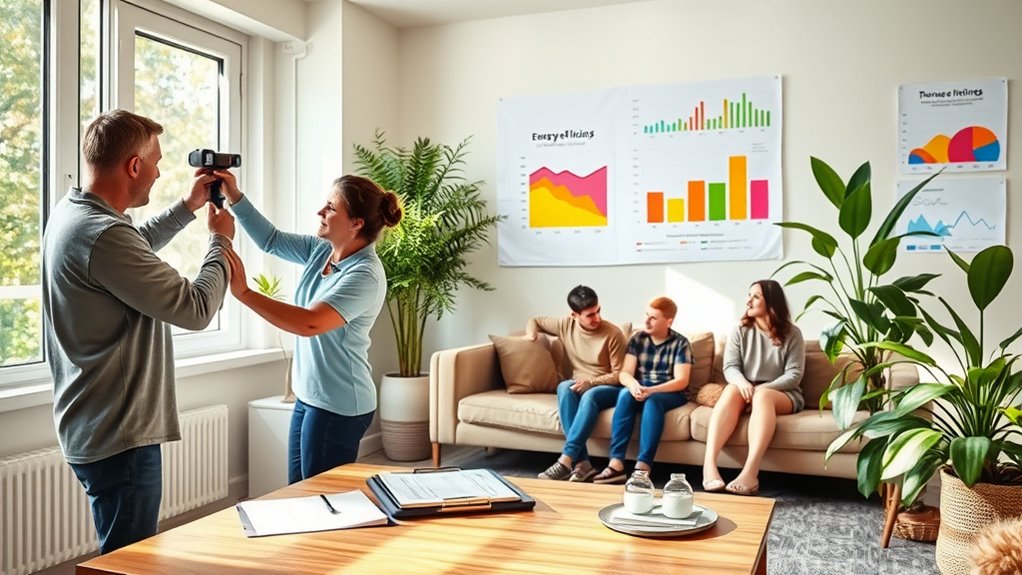
When you invest in a professional energy audit, you’re not just getting a report; you’re gaining valuable insights that can lead to significant savings on your energy bills.
Certified energy auditors conduct extensive home energy assessments, identifying air leaks and insulation issues that can drastically affect energy efficiency. By addressing these inefficiencies, you could save energy and potentially reduce your bills by up to 30%.
These audits often come with detailed reports, offering practical solutions for targeted upgrades. Additionally, many homeowners qualify for tax credits of up to $150 through certified auditor reports, making energy-efficient improvements even more appealing.
With expert analysis, you’ll guarantee thorough inspections that highlight the best ways to save energy and enhance your home’s overall performance.
Cost and Duration of Energy Audits
Understanding the cost and duration of energy audits can help you make an informed decision about whether to pursue one for your home. The average cost for a professional energy audit of a 1,200 square foot home is around $250, but prices can range from $100 to $1,300 based on size and services. Typically, audits take three to four hours to complete. Many utility companies and government organizations offer free energy audits or financial assistance, increasing accessibility for homeowners.
| Audit Type | Average Cost | Duration |
|---|---|---|
| Standard Audit | $250 | 3-4 hours |
| Detailed Audit | $500 | 4-6 hours |
| Free Energy Audit | $0 | Varies |
| Variable Rate Audit | $100 – $1,300 | 3-5 hours |
| Seasonal Audit | $300 | 3-4 hours |
DIY Energy Audit: Is It Worth It?

Is a DIY energy audit really worth your time and effort? Absolutely! A DIY audit can help you assess your home’s energy efficiency and identify leaks without the cost of a professional.
You can check for air leaks around windows and doors, evaluate insulation levels in attics and basements, and even swap out incandescent bulbs for energy-efficient LED options. Resources like the Energy Star guide can direct your efforts.
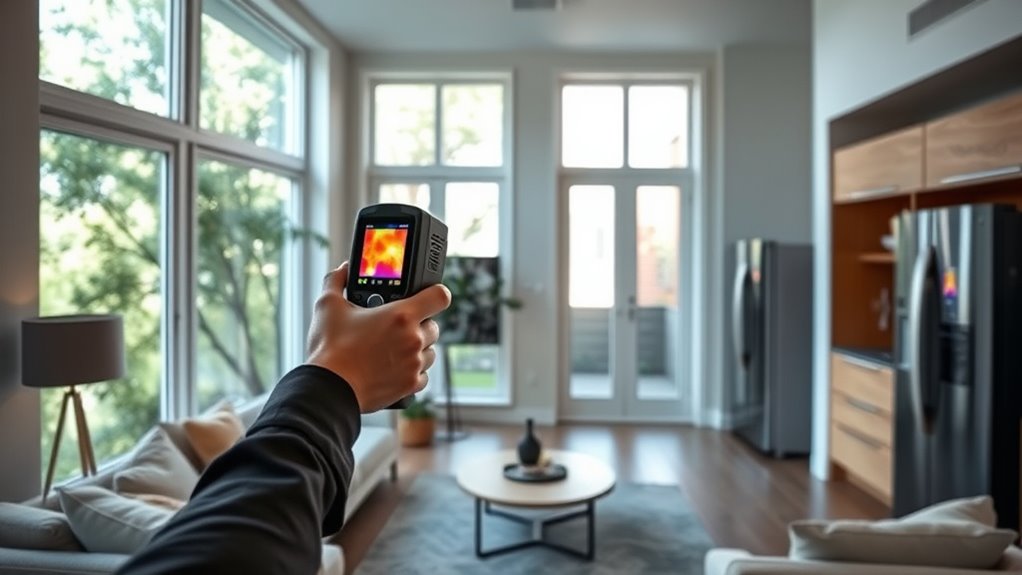
However, keep in mind that while a DIY audit can uncover minor issues, it might miss critical assessments, such as thermal imaging. For larger tasks like HVAC reviews or major insulation upgrades, it’s best to consult a pro to guarantee efficiency and safety.
Your future energy savings will thank you!
Frequently Asked Questions
How Does Home Energy Audit Help the Environment?
A home energy audit helps the environment by identifying areas where your home wastes energy.
When you address these inefficiencies, you reduce your overall energy consumption, which lowers greenhouse gas emissions.
By improving your home’s energy efficiency, you’re also decreasing reliance on fossil fuels, contributing to a more sustainable future.
Plus, the audit can guide you in making informed choices that benefit both your wallet and the planet, creating a positive impact on your community.
What Are 5 Energy Saving Tips?
To save energy and cut costs, start by upgrading to ENERGY STAR appliances—they can save you about 30% on energy bills.
Next, seal air leaks around windows and doors to reduce energy loss by 10-20%.
Insulate your attic and walls for up to 50% savings.
Switch to LED bulbs, which use 75% less energy, and maintain your HVAC system regularly for a 5-15% boost in efficiency.
You’ll notice a difference in your bills!
Are Home Energy Audit Worth It?
You might think spending money on a home energy audit is just throwing cash down the drain, right?
But hold on—it’s actually a smart investment! By identifying simple fixes, you can cut your energy bills considerably, often saving more than you spend.
Plus, these audits can boost your home’s resale value.
How Can Energy Audit Also Save You Significant Amount of Money?
An energy audit can save you a significant amount of money by pinpointing inefficiencies in your home.
When you identify issues like air leaks or poor insulation, you can fix them to reduce energy consumption. By upgrading outdated appliances and prioritizing low-cost repairs, you’ll notice lower energy bills.
Many homeowners save up to 30% on their bills, translating to over $1,000 annually. It’s a smart investment that pays off quickly!
Conclusion
In the end, a home energy audit isn’t just about saving money; it’s a chance to nurture our planet. By identifying inefficiencies, you can transform your home into a haven of comfort and sustainability. Whether you choose a professional or tackle a DIY audit, every step you take is a step toward a brighter, greener future. So, roll up your sleeves, embrace the challenge, and watch your energy bills drop like leaves in autumn.