
To stay efficient, you should memorize standard dimensions like chair heights (17-19 inches), table and counter heights (28-36 inches), and bed sizes (Twin: 38×75 inches, Queen: 60×80 inches). Also, remember common door widths (30-36 inches), font sizes for clarity (14-16 px for screens, 10-12 pt for print), and typical lighting fixture heights (8-10 feet). Knowing these key measurements helps you create functional, harmonious designs—keep exploring to master more essential dimensions.
Key Takeaways
- Standard furniture dimensions such as chair height (17-19 inches), table height (28-30 inches), and bed sizes (Twin, Queen, King) are essential.
- Key ergonomic measurements include seat depth, width, and overall proportions to ensure comfort and visual harmony.
- Typical door (30-36 inches wide, 80 inches tall) and window sizes (24×36, 36×48 inches) are critical for proper fit and design consistency.
- Common cabinetry and drawer widths (12-36 inches) facilitate seamless kitchen and storage layouts.
- Designers memorize lighting fixture heights (8-10 feet ceiling clearance) and standard shipping container dimensions for efficient planning.

Office Chair Ergonomic Desk Chair, Computer PU Leather Home Office Chair, Swivel Mesh Back Adjustable Lumbar Support Flip-up Arms Executive Task Chair
【Super Comfortable Office Chair】The thickened sponge seat cushion is quite soft and highly resilient, making it suitable for…
As an affiliate, we earn on qualifying purchases.
As an affiliate, we earn on qualifying purchases.
Standard Chair Heights and Seat Dimensions
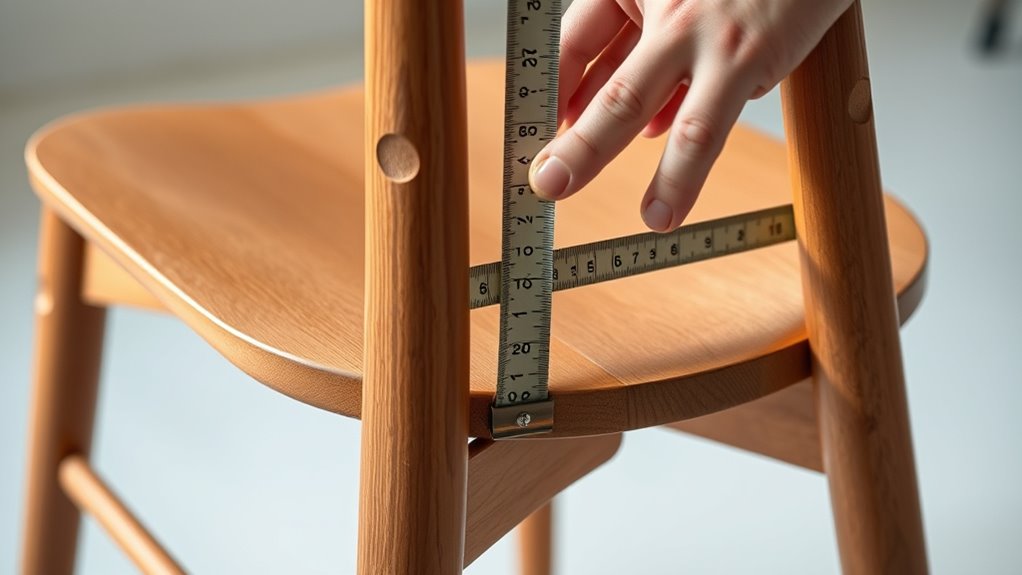
When designing chairs, understanding standard heights and seat dimensions is essential to guarantee comfort and usability. You want your chair to support ergonomic comfort, ensuring users sit without strain on their back or hips. Typically, the standard seat height ranges from 17 to 19 inches from the floor, fitting most people comfortably. Maintaining aesthetic proportions is equally important; the seat should harmonize with overall chair design, balancing seat depth and width for visual appeal and support. Proper dimensions help prevent discomfort during extended use, while proportionate features create a cohesive look. Additionally, considering ergonomics in design can significantly enhance user comfort and health. By focusing on these key measurements, you ensure your chair design is both functional and visually pleasing, meeting users’ needs and enhancing overall space aesthetics.

Giantex Square Dining Table with Solid Wood Frame, 220lbs Capacity, 30"x30"x36" Kitchen Table for 4-Person, Counter Height Bar Tables for Small Space, Dining Room, Living Room, Pub, Apartment, Grey
[Elegant Design Statement]: Transform your room with our dining room table that exudes style and charm. The sleek…
As an affiliate, we earn on qualifying purchases.
As an affiliate, we earn on qualifying purchases.
Typical Table and Counter Heights

Understanding standard table and counter heights helps you create functional and comfortable surfaces that suit various needs. Typically, tables for dining are around 28 to 30 inches high, providing ergonomic comfort during meals. Counter heights usually range from 34 to 36 inches, ideal for kitchen prep and casual seating. These dimensions ensure users can work or dine comfortably without strain. When designing, keep aesthetic proportions in mind; consistent heights contribute to visual harmony in a space. Standard heights also facilitate the selection of compatible furniture and accessories, streamlining the design process. By memorizing these typical measurements, you can quickly develop spaces that are both practical and visually appealing, ensuring your designs support ergonomic comfort and maintain balanced proportions. Additionally, understanding vacuum cleaner performance metrics can help you select appropriate cleaning equipment to maintain the longevity of your furniture and carpets.

EGOHOME 10 Inch Queen Mattress, Memory Foam Mattress in a Box with Cooling Green Tea Gel, Relieve Pressure with Medium Firm Support, CertiPUR-US Certified, 80''L x 60''W, White
Pressure Relief Memory Foam: This mattress uses patented premium memory foam material that provides balanced support while effectively…
As an affiliate, we earn on qualifying purchases.
As an affiliate, we earn on qualifying purchases.
Common Bed Sizes and Mattress Dimensions

Selecting the right bed size starts with knowing the common mattress dimensions, which vary to accommodate different preferences and space requirements. Twin mattresses typically measure 38 inches wide by 75 inches long, fitting well in small rooms and for single sleepers. Queen sizes, at 60 by 80 inches, are ideal for couples or those needing extra space, while King mattresses, at 76 by 80 inches, provide maximum comfort for shared beds. Mattress thickness varies from 8 to 14 inches, affecting overall bed height and comfort. When choosing a bed frame, ensure it supports the mattress dimensions and thickness for stability. Being familiar with these standard sizes helps you select appropriate furniture and optimize space, making your designs both functional and comfortable. Additionally, understanding bed size compatibility can prevent mismatched furniture and improve overall room layout.
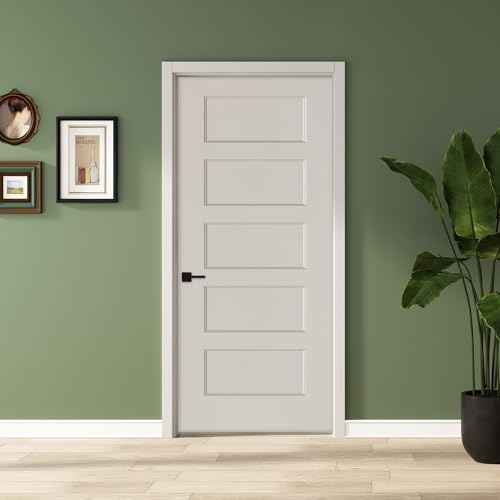
BARNSMITH 36×80 in 5-Panel White Primed Molded Door Slab, Shaker Style Paintable Hollow Core Interior Door Panel, for Swing, Pocket, Sliding Door, Durable and Lightweight, No Assembly Required
DIY Painting: The smooth surface of the door panel is primed and ready for DIY painting.
As an affiliate, we earn on qualifying purchases.
As an affiliate, we earn on qualifying purchases.
Standard Door and Window Measurements
Standard door and window measurements serve as essential guidelines for designing functional and harmonious spaces. Knowing these sizes helps you maintain architectural consistency across your project. Typical interior doors measure 30, 32, or 36 inches wide, with a standard height of 80 inches, ensuring accessibility and visual balance. Windows usually follow common dimensions like 24×36 or 36×48 inches, depending on their purpose and placement. It’s important to account for construction tolerances, which allow slight adjustments during installation, ensuring precision without compromising structural integrity. By memorizing these standard measurements, you can streamline your design process, avoid errors, and create spaces that feel cohesive and well-planned. Accurate door and window sizing ultimately enhance both functionality and aesthetic appeal. Additionally, understanding essential oils for interior health can contribute to creating a comfortable and healthy environment within your space.
Basic Cabinet and Drawer Widths

Knowing the typical widths of cabinets and drawers helps you design functional and efficient kitchen and storage spaces. Standard cabinet widths usually range from 12 to 36 inches, making it easy to customize your layout. Drawer sizes are often tailored to fit specific needs like utensils or pots, with common widths including 12, 15, and 24 inches. Here’s a quick reference:
| Cabinet Width | Typical Drawer Size |
|---|---|
| 12 inches | 12 inches |
| 15 inches | 12-15 inches |
| 18 inches | 15-18 inches |
| 24 inches | 18-24 inches |
| 36 inches | 24 inches or more |
Sticking to these standard widths streamlines your design process and ensures seamless functionality. Additionally, understanding Kia Tuning options can inspire creative modifications to enhance your vehicle’s performance and style.
Standard Clothing and Apparel Sizes
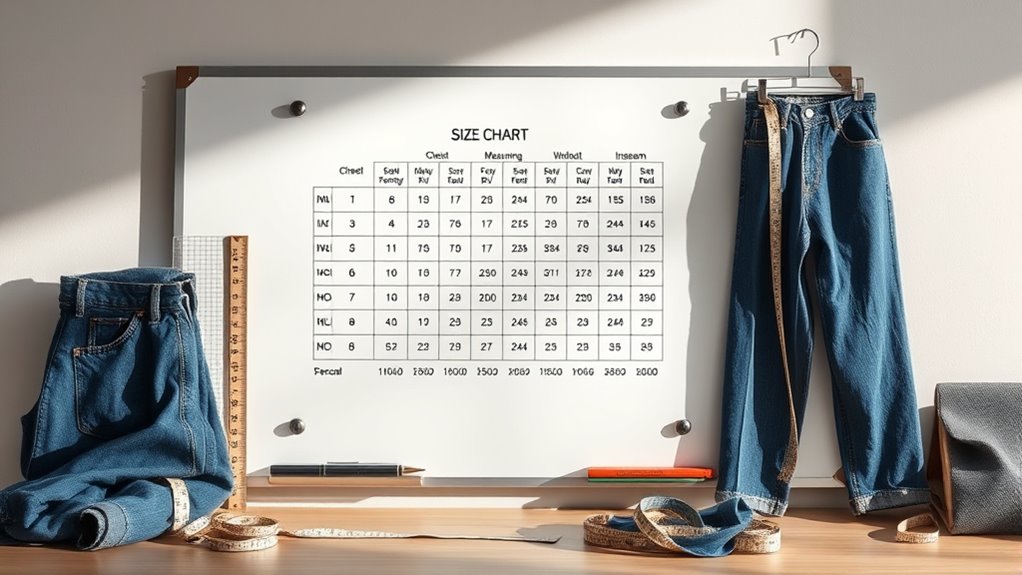
Understanding body measurement standards helps you create garments that fit a wide range of customers. You’ll find that size chart variations across brands can cause confusion, so consistency is crucial. Prioritizing fit and comfort ensures your designs meet customer expectations and encourage repeat business. Incorporating ethical hacking principles into your process can also help identify vulnerabilities in your sizing systems to prevent errors.
Body Measurement Standards
Have you ever wondered how clothing brands determine the sizes they produce? It all begins with standardized body measurements that guarantee ergonomic comfort and maintain aesthetic proportions. These standards serve as a blueprint, guiding pattern makers and designers. To visualize, consider this table:
| Measurement | Typical Range | Purpose |
|---|---|---|
| Chest | 34-44 inches | Ensures proper fit and comfort |
| Waist | 26-38 inches | Defines silhouette and style |
| Hip | 34-44 inches | Balances proportions |
These measurements help create clothing that fits well across diverse body types, emphasizing ergonomic comfort and aesthetic proportions. By adhering to body measurement standards, designers craft garments that are both functional and visually appealing, meeting the needs of a broad range of consumers. Standardized body measurements are essential for consistent sizing across different brands and manufacturers.
Size Chart Variations
Size chart variations reflect how different brands and regions interpret standard body measurements into specific sizing categories. You’ll notice that a medium in one brand might be a large elsewhere, often influenced by regional preferences or target audiences. Some brands use scale models to develop their size charts, ensuring consistent fit across collections. When accommodating custom size requests, it’s vital to understand these variations, as they impact how you design and grade patterns. Standard sizing may serve as a baseline, but regional differences and brand-specific standards can alter measurements markedly. Recognizing these nuances helps you create clothing that fits well across markets and satisfies customer expectations, even when dealing with unique sizing needs or custom orders. Additionally, understanding AI-driven sizing tools can further enhance accuracy and fit consistency in your designs.
Fit and Comfort
Achieving the right fit and comfort in clothing hinges on how well the standard sizes align with body measurements. You need to consider ergonomics considerations in order to ensure garments support natural movement and reduce strain. Proper fit isn’t just about size; it’s about balancing comfort with aesthetic proportions. When designing, pay attention to how clothing contours the body without restricting it, creating a harmonious silhouette. A well-fitting piece should feel seamless and supportive, enhancing confidence and ease of wear. Remember, even the most fashionable styles fail if they sacrifice comfort or ergonomic functionality. So, always prioritize measurements that reflect real body shapes, and adjust standard sizes as needed to optimize both fit and visual appeal. That’s the secret to creating clothing that feels as good as it looks. Incorporating multi-functional furniture and thoughtful organization can further enhance overall comfort and usability in a wardrobe or dressing space.
Key Font Sizes for Print and Digital Design

What are the ideal font sizes to guarantee readability and visual harmony in both print and digital designs? For body text, use 10-12 pt for print and 14-16 px for screens, ensuring clarity without strain. Headings should be markedly larger—around 18-24 pt or px—to establish a clear typography hierarchy that guides the reader’s eye. When choosing font sizes, consider font pairing techniques to create contrast and balance, such as pairing a bold headline font with a more subdued body font. Consistency is key: avoid overly small or large text that disrupts flow. Remember, proper font sizes help communicate your message effectively while maintaining visual harmony across mediums. These measurements serve as a foundation for designing accessible, engaging content. Additionally, understanding mammography guidelines can inform the creation of health-related content to ensure clarity and impact.
Common Screen Sizes and Resolutions

Understanding common screen sizes and resolutions is vital for creating designs that look great across devices. Mobile device screens vary widely, but many follow popular digital aspect ratios like 16:9, 18:9, or 19.5:9, influencing how content appears. Typical screen resolutions include 1920×1080 pixels for full HD displays, as well as 1280×720 for HD, and higher resolutions like 2560×1440 (QHD). Knowing these sizes helps you optimize layouts, images, and text for clarity and responsiveness. When designing, keep in mind that mobile device screens often have different aspect ratios compared to desktop monitors, which impacts how your design scales and adapts. Familiarity with these common screen sizes and resolutions ensures your work remains sharp and functional across all devices.
Typical Lighting Fixture Heights and Voltages

Understanding standard fixture heights helps you position lights effectively, ensuring ideal illumination and safety. Common voltage ranges vary depending on the application, so selecting the right voltage is essential for performance and compatibility. Let’s explore these typical heights and voltages to guide your lighting design choices.
Standard Fixture Heights
Standard fixture heights typically range between 8 and 10 feet above the floor, ensuring ideal illumination while maintaining aesthetic appeal. For decorative fixtures, this range provides a balanced look without overwhelming the space or creating glare. When designing custom dimensions, consider the fixture’s purpose and the room’s scale—higher ceilings may require longer suspension. Standard heights help maintain consistency and functionality, especially in commercial or residential settings. Wall sconces and pendants often hang at eye level, around 5 to 6 feet, while chandeliers are usually centered 7 to 8 feet above the floor. Adjustments can be made for specific design goals or lighting effects. Knowing these standard fixture heights allows you to plan effectively, ensuring both visual harmony and perfect lighting performance.
Common Voltage Ranges
Have you ever wondered what voltage ranges are typical for different lighting fixtures? Most residential lighting operates between 110V and 120V, offering good voltage stability and guaranteeing electrical safety. Commercial fixtures often run at 208V or 240V, providing higher power capacity while maintaining stability. For industrial settings, voltages can reach 277V or even 480V, but these require careful planning to guarantee safety and consistent performance. Knowing these common voltage ranges helps you select fixtures that match your project’s power supply, minimizing risks related to voltage fluctuations. Properly matched voltages promote voltage stability, which is vital for fixture longevity and electrical safety. Always verify your supply voltage before installation to prevent overloads or damage, guaranteeing both safety and excellent lighting performance.
Standard Dimensions for Packaging and Shipping

Choosing the right dimensions for packaging and shipping guarantees your products arrive safely and efficiently. You need to take into account standard packaging box dimensions that fit common product sizes and shipping container sizes that optimize space and cost. Knowing these dimensions helps you select the appropriate boxes and containers, reducing damage and delays. For example, common shipping container sizes like 20-foot and 40-foot containers are widely used for bulk shipments, while packaging box dimensions vary based on product shape and weight. By memorizing these standard sizes, you streamline your packaging process and improve logistics. Precise measurements ensure your products are packed securely, minimizing wasted space and lowering shipping costs. Staying familiar with these key dimensions keeps your supply chain smooth and reliable.
Frequently Asked Questions
How Do International Measurement Standards Differ From US Ones?
International measurement standards differ from US ones mainly due to conversion differences and cultural standards. You need to be aware that many countries use the metric system, which relies on units like meters and kilograms, whereas the US primarily uses inches, pounds, and feet. This means you’ll often have to convert measurements and consider regional standards to make certain of accuracy and compatibility in your design projects.
What Tools Are Best for Precise Dimension Measuring?
For precise dimension measuring, you should use digital measurement tools like digital calipers, micrometers, and laser distance meters. These tools offer high accuracy and quick readings. Make certain to incorporate proper calibration techniques regularly to maintain precision. Calibration ensures your tools provide consistent results, especially for critical measurements. Investing in quality digital measurement devices and routinely calibrating them helps you achieve reliable, exact dimensions in your design work.
How Do Material Properties Affect Size Measurements?
Material properties are like a wild card in size measurements. You need to account for elasticity, which causes materials to stretch or compress under stress, and thermal expansion, where heat makes materials grow or shrink. These factors can turn your measurements into a moving target, so always consider them during design. By understanding these properties, you guarantee your dimensions stay accurate despite environmental changes—keeping your project on solid ground.
How Often Should Designers Revisit Their Dimension Standards?
You should revisit your dimension standards regularly to guarantee measurement accuracy. Incorporate calibration techniques to verify your tools and maintain precision. Frequent reviews, especially after design updates or tool adjustments, help catch discrepancies early. Staying proactive ensures your measurements stay consistent, reducing errors in production. By regularly calibrating your equipment and revisiting standards, you keep your design process reliable and accurate, ultimately saving time and resources.
Are There Industry-Specific Dimension Variations I Should Know?
Yes, you should be cognizant of industry-specific tolerances and dimensional compatibility when designing. Different industries, like aerospace or consumer electronics, have unique standards to ensure parts fit and function correctly. By understanding these variations, you can avoid costly errors and ensure your designs meet industry requirements. Always stay updated on these standards, as they evolve with technological advances, to maintain accuracy and compatibility across your projects.
Conclusion
By memorizing these key dimensions, you build a mental blueprint that guides your designs like a steady compass through a vast landscape. When you understand standard sizes, you avoid costly mistakes and create spaces that feel just right. Think of these measurements as familiar landmarks — each one a beacon guiding your work with confidence and precision. Mastering them guarantees your designs stand tall and true, like a well-constructed bridge across the horizon.