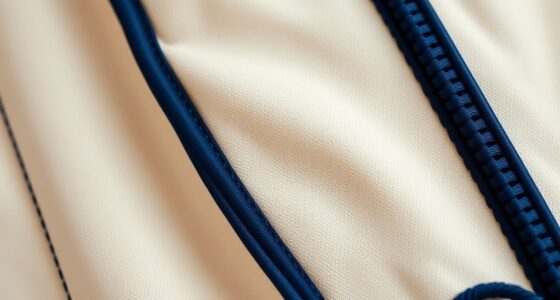

When choosing fabric for your DIY bench cushion, consider durability and style. Opt for heavy-duty or upholstery-grade fabrics like canvas or denim for frequent use, especially in high-traffic areas. Match or contrast the fabric with your decor to add visual interest, and choose moisture-resistant or UV-protected options for outdoor or spill-prone spots. Keep in mind care requirements to maintain its look over time. For a complete guide to make the best choice, you’ll find helpful tips as you continue.
Open a free Amazon Business account
Business pricing, bulk buying and tax-exempt orders.
As an affiliate, we earn on qualifying purchases.
Key Takeaways
- Choose durable, upholstery-grade fabrics like heavy-duty cotton, canvas, or polyester for frequent use.
- Match or contrast fabric with existing decor to enhance the room’s aesthetic.
- Consider outdoor or moisture-resistant fabrics if the cushion will be outside or in spill-prone areas.
- Select fabrics that are easy to clean and maintain, based on your lifestyle and cleaning preferences.
- Opt for eco-friendly or sustainable fabrics to support environmental sustainability goals.
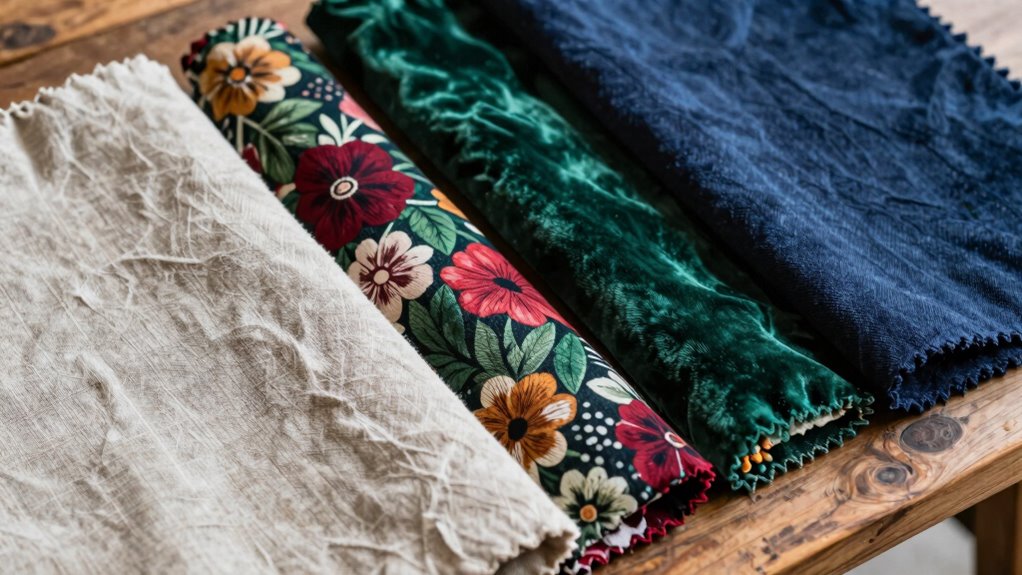
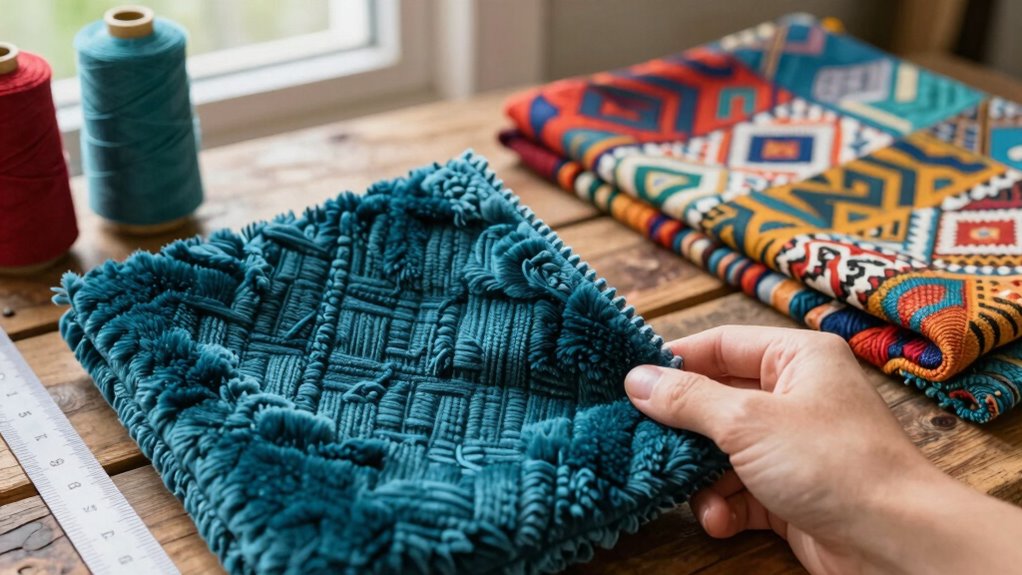
Choosing the right fabric for your DIY bench cushion is essential to guarantee it’s both durable and stylish. You want something that not only complements your space but can also withstand daily use. When contemplating fabric options, think about how the pattern and color will blend with your existing decor; this is where color coordination plays a key role. Select a fabric that matches or contrasts beautifully with your furniture, walls, or accessories to create a cohesive look. If your room features neutral tones, adding a vibrant fabric can make the cushion pop. Conversely, if your space is already colorful, opting for a more subdued or patterned fabric can tie everything together without overwhelming the room.
Beyond aesthetics, fabric durability is equally important. Since a bench cushion is often used frequently, you need a fabric that resists wear and tear. Look for materials labeled as heavy-duty or upholstery-grade, as these are designed to endure constant use. Natural fibers like canvas, denim, or tightly woven cotton are popular choices because they offer excellent durability and are easy to clean. Synthetic options, such as polyester or acrylic blends, also provide high resistance to stains and fading, making them suitable for high-traffic areas or outdoor benches. Whichever fabric you choose, check its maintenance requirements to ensure it fits your lifestyle—some fabrics may need professional cleaning, while others are machine washable. Additionally, understanding the fabric composition can help you better assess its suitability for your needs. Considering the environmental impact of your fabric choice can also contribute to more sustainable and eco-friendly living practices. Being aware of the fabric care instructions can help maintain the appearance and longevity of your cushion over time. It’s also helpful to consider moisture resistance if your cushion will be placed in an area prone to spills or outdoor elements. Choosing fabrics with UV protection can be beneficial for outdoor cushions exposed to sunlight, prolonging their lifespan.
upholstery grade fabric for cushions
As an affiliate, we earn on qualifying purchases.
As an affiliate, we earn on qualifying purchases.
Frequently Asked Questions
Can I Use Outdoor Fabric for My Indoor Bench Cushion?
Yes, you can use outdoor fabric for your indoor bench cushion. Outdoor fabrics are designed for outdoor durability, meaning they resist moisture, stains, and UV rays, making them very sturdy. However, they may not perfectly match your indoor aesthetic since they often have a more rugged look or vibrant patterns. If you prioritize durability and are okay with a slightly different style, outdoor fabric is a practical choice for indoor cushions.
What Is the Most Stain-Resistant Fabric for Cushions?
Honestly, the most stain-resistant fabric for cushions is one with built-in stain-resistant treatments or enhanced fabric water repellency. Ironically, these fabrics often make cleanup a breeze, unlike your favorite white or light-colored textiles that enthusiastically soak up spills. Look for options with advanced stain-resistant treatments—these act like a shield, preventing stains from setting in, and keep your cushions looking fresh even after your coffee or wine mishaps.
How Do I Choose Fabric Color to Match My Decor?
You should focus on color coordination by choosing fabric hues that complement your existing decor. Consider neutral tones for versatility or bold colors for a statement piece. Pattern selection also matters; match small patterns with larger decor elements, or go for subtle designs that blend seamlessly. Test fabric swatches in your space to see how they interact with your furniture and accessories, ensuring your cushion enhances your overall decor style.
Is Fabric Weight Important for Cushion Durability?
Yes, fabric weight is important for cushion durability. Heavier fabrics tend to be more robust, which enhances cushion longevity, especially in high-use areas. If you’re worried about comfort, opt for a medium weight fabric—strong enough for durability but soft enough to sit on comfortably. Choosing the right fabric weight guarantees your cushion withstands daily wear and tear, keeping it looking fresh and functional for years to come.
Can I Wash All Types of Fabric Easily?
Not all fabrics are equally easy to wash, so you need to think about fabric maintenance and cleaning techniques before choosing. Some fabrics, like cotton or polyester, are machine washable and simple to clean, while delicate materials like silk or velvet require gentle hand washing or dry cleaning. Always check the care label and follow recommended cleaning techniques to keep your cushion looking fresh and durable over time.
Conclusion
Choosing the right fabric for your DIY bench cushion makes all the difference in comfort and durability. Remember, about 70% of furniture damage comes from everyday wear and tear, so selecting a sturdy, washable fabric is smart. With the right choice, your cushion will last longer and stay looking great. Trust your instincts, and don’t be afraid to experiment with patterns and textures to match your style. Happy sewing!
Fall yard work Picks
leaf blowers
As an affiliate, we earn on qualifying purchases.