TL;DR
An Ideal Home article points to Cat Deeley’s loosely arranged, book-filled shelves as an example of “curated clutter,” a personal alternative to showroom-perfect interiors. Interior and furniture specialists quoted in the article say books and keepsakes can make a room feel individual, though no details are given about Deeley’s bookshelf or how it is arranged beyond the description and image.
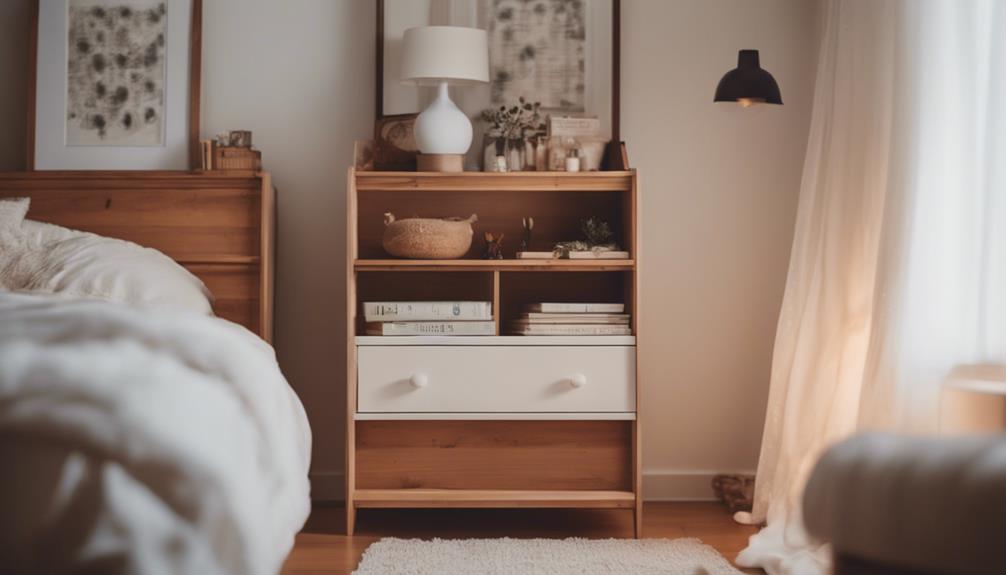
Cat Deeley’s book-filled bookshelf is being presented as an example of “curated clutter,” a relaxed approach to home styling that values personal collections over perfectly ordered shelves. An Ideal Home article uses the TV presenter’s display to make the case that books can be part of a room’s character rather than objects to hide or arrange for a showroom look.

Get furniture and decor delivered free with Prime
- Fast, free delivery on millions of items
- Prime Video, Amazon Music and more included
- Member-only deals all year
The article describes Deeley’s shelves as haphazardly stacked with novels, alongside decorative pieces, artwork and keepsakes. It argues that the display feels like a lived-in part of a home rather than a carefully staged interior. The piece does not give details about the books or objects shown, or explain where in Deeley’s home the shelves are located.
“Curated clutter” is used to describe a display that may look informal but is made up of items with personal meaning. The article connects that idea to the social-media trend known as “bookshelf wealth,” which it characterises as a counterpoint to highly polished interiors. Neither term is presented as a formal design standard; they describe a way of thinking about home styling.
Victoria Robinson, a style and trend expert at Hillarys, said Deeley’s bookshelf does not feel “overly styled or staged.” Robinson said the combination of books and decorative objects appears “collected and loved,” and described meaningful possessions as the basis of curated clutter. Jonathan Clark, creative director of British furniture brand Shelved, said that there is no single correct way to style a book collection, which can change as readers’ interests and collections grow.
Goodbye showroom shelves Make room for a lived-in look
Cat Deeley’s book-filled shelves illustrate “curated clutter”: a personal display of books and keepsakes instead of a perfectly polished interior.
What the look means
The article presents informal shelves as one way to let a home reflect its owner.
Keep meaningful things visible
Books, artwork and keepsakes can give a room character while remaining part of everyday life.
Let collections change
A shelf can evolve as reading interests and book collections grow.
Choose your own order
Neat, minimal displays remain a valid choice; no single shelf style suits everyone.
From polished to personal
“Bookshelf wealth” is described as a social-media trend favouring books and personal objects over sparse displays.
- Carefully ordered
- Sparse and coordinated
- Books and keepsakes on display
- Relaxed, personal arrangement
Try it at your scale
The idea can work across different spaces and collections.
Use the books and objects that matter to you.
Pair books with artwork or keepsakes.
A compact bookcase or single shelf can suit a smaller home.
A Case for Personal Bookshelves
The discussion speaks to readers who feel pressure to keep their homes looking tidy and carefully composed, particularly in images shared online. Deeley’s shelves offer the article’s example of an alternative: displaying books as part of everyday life, even when the collection does not fit into a perfectly uniform arrangement.
That does not mean every reader needs to adopt the look. The article acknowledges that people who prefer minimalism or orderly displays may not find curated clutter appealing. Its point is narrower: shelves can reflect their owners’ reading habits and tastes, and a full shelf is not automatically a styling failure. Books, Robinson and Clark suggest, can add colour and personality while remaining useful objects rather than decorative props.
For renters and people with limited space, the idea may also change how they approach a growing collection. Instead of treating every new book as a reason to declutter, readers can see the collection as part of a room’s visual identity. The article does not offer a specific storage plan or claim that every crowded shelf is safe or practical; it makes a design argument for keeping meaningful items visible.
Products Worth Considering

Philips Hue Play Floor Lamp, RGBWWIC LED, 53 Inch, Black

Levoit Core 400S-P Smart Air Purifier for Large Rooms

Philips Hue Amarant Outdoor Smart Light Bar, Black
As an affiliate, we earn on qualifying purchases.
From Polished Rooms to Bookshelf Wealth
The article places “curated clutter” alongside bookshelf wealth, a social-media styling trend that favours shelves filled with books and personal objects over sparse, highly coordinated displays. It contrasts that look with the ideal of a perfectly organised interior, but provides no data about how widespread either approach is or when the trend began.
In the article, the case for a less formal shelf is grounded in the idea that collections change over time. Clark says readers acquire new books and their preferred genres can shift, so bookshelf styling can remain flexible. The piece also notes that the approach can work at different scales, from a wall of shelves to a single shelf in a reading nook.
“What I really like about Cat Deeley’s bookshelf is that it doesn’t feel overly styled or staged.”
— Victoria Robinson, style and trend expert at Hillarys
What the Shelf Image Cannot Confirm
The article offers a styling interpretation of Deeley’s bookshelf, not a detailed account of her home or personal design choices. It does not identify the books on display, say whether the shelves were arranged by Deeley, or establish that she deliberately follows a “curated clutter” approach. The description of the display and the expert comments support the article’s argument, but they do not confirm Deeley’s own view of the look.
It is also unclear how the pictured arrangement works in everyday use, including how much storage it provides or whether the shelves are easy to maintain. The article gives no measurements, product details for Deeley’s shelving, or safety assessment. Its suggestions are about visual style, not a full guide to storage or installation.
How Readers Can Apply the Idea
The article does not announce a product launch, design project or further development involving Deeley. Its practical takeaway is that readers can decide whether they want a more relaxed shelf or a neat, ordered display, then style around their own collections and available space. It suggests pairing books with artwork and keepsakes to make a display feel personal, while recognising that a compact bookcase or a single shelf may suit smaller homes.
Any decision to change a shelf remains a matter of household preference; the article sets out no schedule or next milestone. Readers looking for a more polished look can choose orderly storage instead. The development here is the article’s use of a familiar public figure’s bookshelf to make a case for allowing personal collections to remain visible.
Source: rss
Key Questions
What does “curated clutter” mean in the article?
It describes an informal-looking display of meaningful books and objects, rather than a shelf arranged to look perfectly uniform. The term is used as a styling idea, not a formal design rule.
Why is Cat Deeley’s bookshelf being discussed?
An Ideal Home article describes Deeley’s shelves as book-filled and loosely arranged, and uses them as an example of a personal, lived-in display. It does not report a new statement or design project from Deeley.
Is “bookshelf wealth” the same as curated clutter?
The article links the ideas, describing bookshelf wealth as a social-media trend that favours books and personal objects over sparse displays. It uses curated clutter to explain the appeal of a relaxed arrangement, but does not define either as a strict style.
Does the article say bookshelves should always be messy?
No. It recognises that some people prefer neat, minimal shelves. Its argument is that an informal display can also look intentional and personal; it does not say one approach is right for every home.
Source: idealhome.co.uk