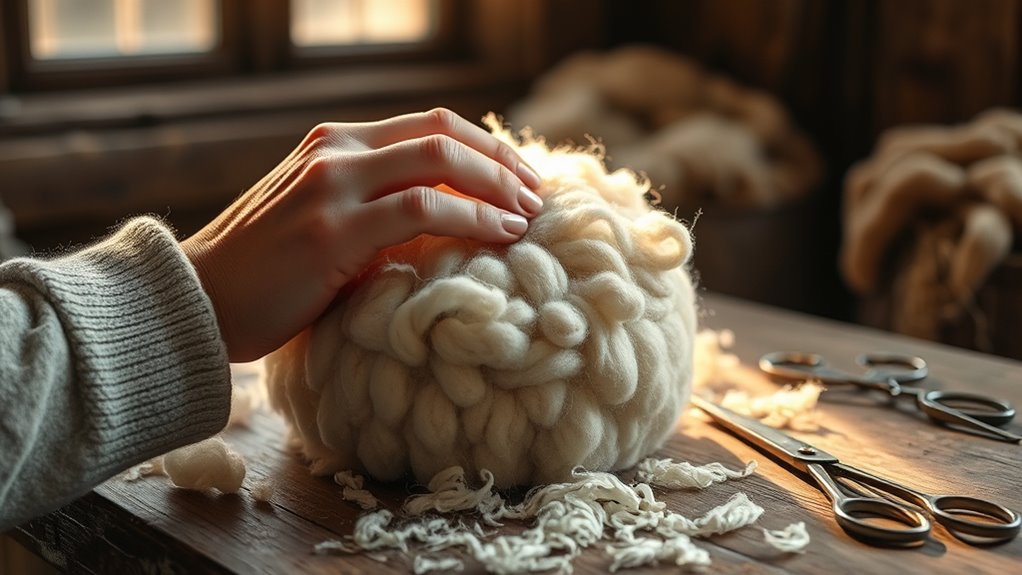

To care for wool at home, use gentle detergents and wash in cold or lukewarm water, preferably by hand or on a delicate setting. Avoid wringing or hot water to prevent shrinking and felting. Air dry flat in a shaded area, and store in breathable containers, adding natural moth repellents like cedar or lavender. Regularly freshen and inspect your wool items. Keep going to learn more tips for keeping your wool soft, fresh, and damage-free.
Key Takeaways
- Use gentle, wool-specific detergents and cold water to wash wool garments, avoiding hot water to prevent shrinkage.
- Air dry wool flat in a well-ventilated area away from direct sunlight to maintain shape and softness.
- Regularly air and store in breathable containers with natural moth repellents like cedar or lavender.
- Promptly treat stains gently and avoid wringing or twisting to protect fiber integrity.
- Repair damages early, and keep wool clean and properly stored to extend its lifespan and prevent pests.

Dirty Labs | Hand Wash and Delicates | Scent Free | 32 Loads (8.6 fl oz) | Bio Enzyme Liquid Laundry Detergent | For Fine Silks, Wools, Handwash Garments | Hyper-Concentrated | Non Toxic, Biodegradable | Stain & Odor Removal
GENTLE: Our Hand Wash & Delicates detergent was specifically formulated for fine silks, wools, and hand wash only…
As an affiliate, we earn on qualifying purchases.
As an affiliate, we earn on qualifying purchases.
Understanding Wool Fibers and Their Care Needs
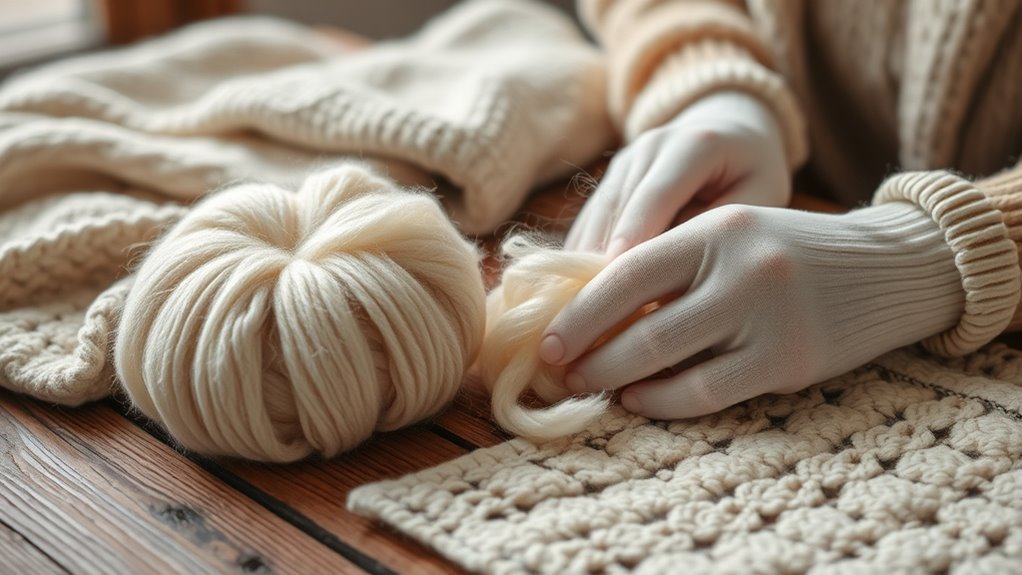
Wool fibers are unique because they have natural scales and crimp that give them their insulating and elastic properties. Understanding fiber properties helps you care for wool properly. Wool originates from sheep, and its fibers vary depending on the breed, climate, and environment. These differences influence how wool reacts to washing and wearing. The natural scales on wool fibers create a protective layer, making the fabric resistant to dirt and moisture. The crimp adds elasticity, allowing wool to stretch and recover without damage. Knowing where wool comes from and its inherent fiber properties enables you to handle it gently and avoid damage. Proper awareness of wool’s origin and fiber characteristics ensures you maintain its softness, warmth, and durability over time. Additionally, fiber properties play a crucial role in determining the best cleaning and maintenance methods for wool garments.
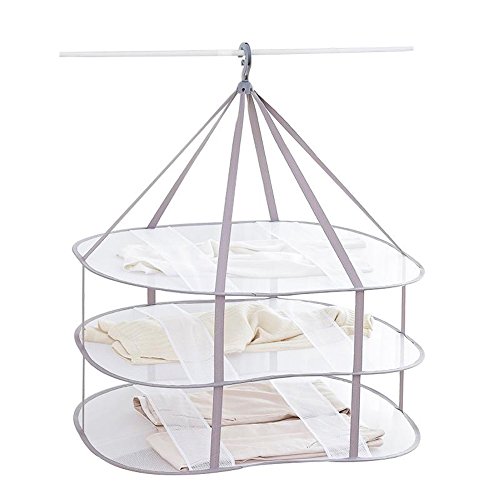
Looca 3-Tier Folded Mesh Clothes Hanging Dryer Sweater Drying Rack 30.3" L * 24.5" W*30.7" H
Open it flat can dry large size sweater or feather jacket. Fold it back into Φ11" flat circle…
As an affiliate, we earn on qualifying purchases.
As an affiliate, we earn on qualifying purchases.
Proper Washing Techniques for Wool Garments
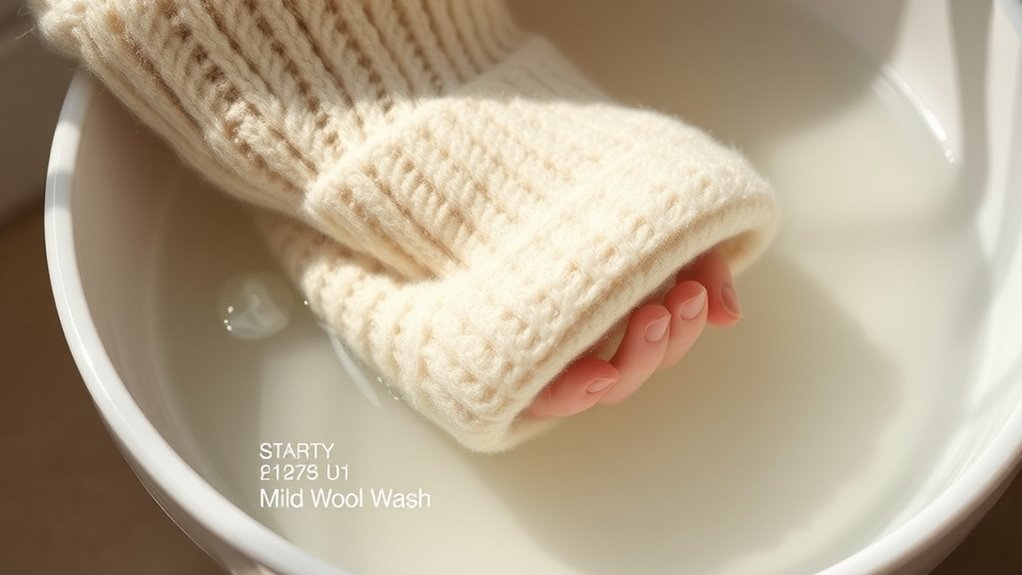
To keep wool garments looking and feeling their best, it’s essential to use proper washing techniques. Start by selecting a gentle detergent formulated for wool or delicate fabrics. Regular detergents with harsh chemicals can damage fibers and cause pilling. When washing, set your washing machine to a cold or lukewarm water cycle with a delicate or wool setting. Avoid hot water, as it can cause shrinkage and felting. Use a gentle spin, or better yet, opt for a hand wash if your garment is particularly delicate. Never wring or twist wool, as this can distort its shape. After washing, gently press out excess water without wringing. Following these steps ensures your wool stays soft, maintains its shape, and lasts longer.

Homode Cedar Blocks for Clothes Storage, Cedar Wood Chips and Balls for Closets and Drawers, Fresh Scented Sachets, 40 Pack
GREAT VALUE – Cedar closet pack with 6 cedar hang ups, 24 cedar balls, 2 cedar sachets, 8…
As an affiliate, we earn on qualifying purchases.
As an affiliate, we earn on qualifying purchases.
Drying Methods to Preserve Wool’s Shape and Softness

To keep your wool looking its best, always air dry it flat to maintain its shape and softness. Avoid exposing your wool to direct sunlight, which can fade and weaken the fibers. Using a towel roll helps absorb excess water and prevents stretching as it dries.
Air Dry Flat
Have you ever wondered how to keep your wool items looking their best after washing? The key is to air dry them properly by laying them flat. Flat drying prevents the wool from stretching or losing its shape, which can happen with hanging. After washing, gently squeeze out excess water without wringing, then lay your wool item on a clean, dry towel. Reshape it to its original form, smoothing out any wrinkles or distortions. Place it on a flat surface in a well-ventilated area, avoiding direct sunlight. Allow it to air dry naturally, flipping it occasionally to ensure even drying. This method preserves the softness and structure of your wool, keeping it looking fresh and new longer. Flat drying is simple but essential for gentle, effective wool care. Consistent messaging also reinforces your commitment to proper garment maintenance.
Avoid Direct Sunlight
Ever wondered why your wool items sometimes lose their softness or shape after drying? The culprit is often exposure to direct sunlight. UV damage from sunlight can weaken wool fibers, leading to a loss of elasticity and softness. Additionally, prolonged sun exposure accelerates color fading, making your wool look dull over time. To keep your wool in top condition, consider these tips:
- Always dry wool in a shaded area, avoiding direct sunlight.
- Use indoor drying racks or shaded outdoor spots with indirect light.
- Turn your wool item periodically to ensure even drying and prevent uneven fading.
- Proper drying techniques can also help maintain the fiber integrity and overall durability of wool fabrics.
Use Towel Roll
Using a towel roll is an effective way to dry wool while maintaining its shape and softness. It helps prevent stretching or distortion and promotes wool odor control by reducing moisture buildup. To use, gently roll the wet wool in a clean towel, then shape it around a towel roll, allowing air to circulate. This method evenly distributes pressure and absorbs excess water without damaging fibers. Towel roll uses include supporting delicate garments and preventing shrinkage. Keep in mind, proper drying preserves wool’s natural qualities and keeps it fresh. Remember, controlling moisture is essential for bacterial growth prevention and maintaining wool’s freshness. Follow the table below for quick tips:
| Technique | Benefits | Tips |
|---|---|---|
| Roll in towel | Maintains shape, absorbs water | Use a clean, dry towel |
| Air circulation | Promotes even drying | Place in well-ventilated area |
| Wool odor control | Keeps wool fresh | Ensure complete drying |
| Gentle handling | Prevents fiber damage | Avoid wringing |
| Shape retention | Preserves softness | Reshape while damp |
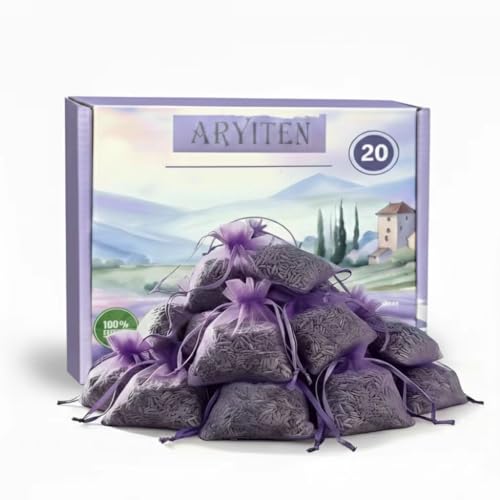
20 Pack Lavender Sachet Bags, 100% Natural French Dried Lavender Sachets for Drawers and Closets, Strong Smell Fragrance Fresh Scents Home
【𝙍𝙚𝙖𝙙𝙮 𝙩𝙤 𝙃𝙖𝙣𝙜 𝙖𝙣𝙙 𝙐𝙨𝙚】: This product includes 26 pre-filled lavender sachet bags that can be immediately hung…
As an affiliate, we earn on qualifying purchases.
As an affiliate, we earn on qualifying purchases.
Storing Wool Items Safely to Prevent Damage
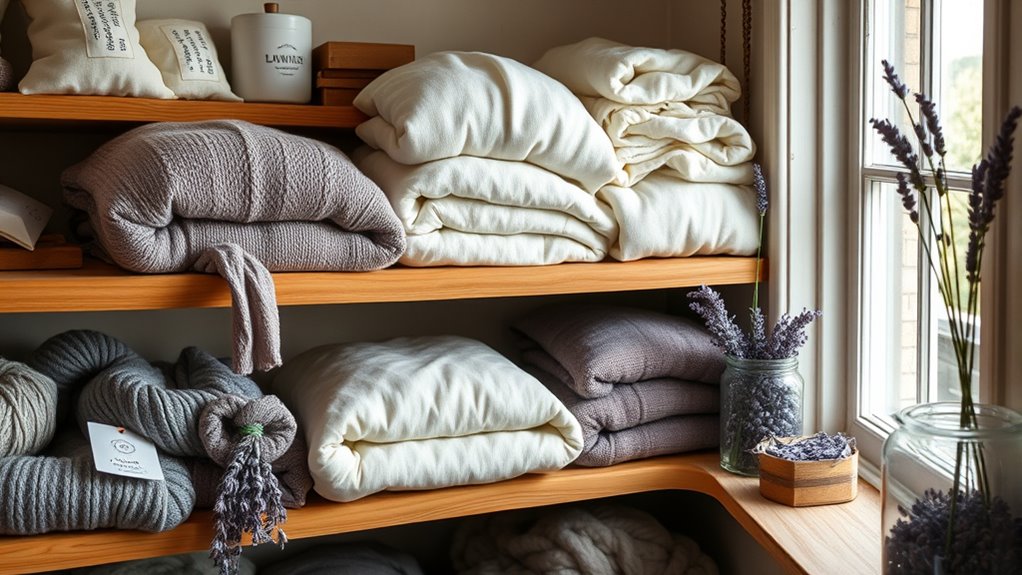
To keep your wool items in great condition, you need to store them in a proper environment. Avoid damp or direct sunlight, as these can damage the fibers. Using protective containers helps prevent pests and keeps your wool safe from dust and dirt. Incorporating proper storage solutions can further safeguard your wool and maintain its quality over time.
Proper Storage Environment
Proper storage environment is essential for keeping wool items in good condition and preventing damage over time. If you live in a humid climate, make certain your storage area is dry to prevent mold and mildew. Avoid areas exposed to direct sunlight, which can weaken fibers. Also, be cautious with chemical treatments; store wool away from substances that could cause discoloration or deterioration. Using low light conditions can help preserve the color and integrity of wool fibers. To maintain ideal conditions, consider these tips: 1. Keep wool in a cool, dry place with low humidity. 2. Use natural repellents like cedar or lavender to deter pests instead of chemical sprays. 3. Ensure good airflow around stored items to prevent mustiness and moisture buildup. A proper environment extends the life of your wool, keeping it soft and beautiful.
Use Protective Containers
Ever wonder how to protect your wool items from unexpected damage? Using airtight containers is one of the best ways to keep pests, moisture, and dust away. Make sure your wool pieces are clean and completely dry before storing them. Place each item in its own airtight container to prevent moths and other insects from causing harm. Label your storage containers clearly with the contents and the date to avoid confusion later. This helps you easily identify what’s stored and keeps everything organized. Keep these containers in a cool, dark place away from direct sunlight. Properly sealed and labeled storage not only safeguards your wool but also makes it simple to find and enjoy your favorite pieces whenever you want. Incorporating AI-driven inventory management can further optimize the organization process and ensure your wool collection remains well-preserved over time.
Removing Stains and Spot Cleaning Wool

When a stain appears on your wool, acting quickly can make all the difference. Immediate stain removal and spot treatment help prevent the stain from setting, making cleaning easier. To effectively tackle stains, follow these steps:
- Blot gently with a clean, damp cloth to lift excess residue without spreading the stain.
- Use a mild detergent or wool-safe stain remover for spot treatment, applying it softly to the affected area.
- Rinse with cold water and blot dry, avoiding rubbing that could damage the fibers.
Tips for Maintaining Wool’s Freshness Between Washes
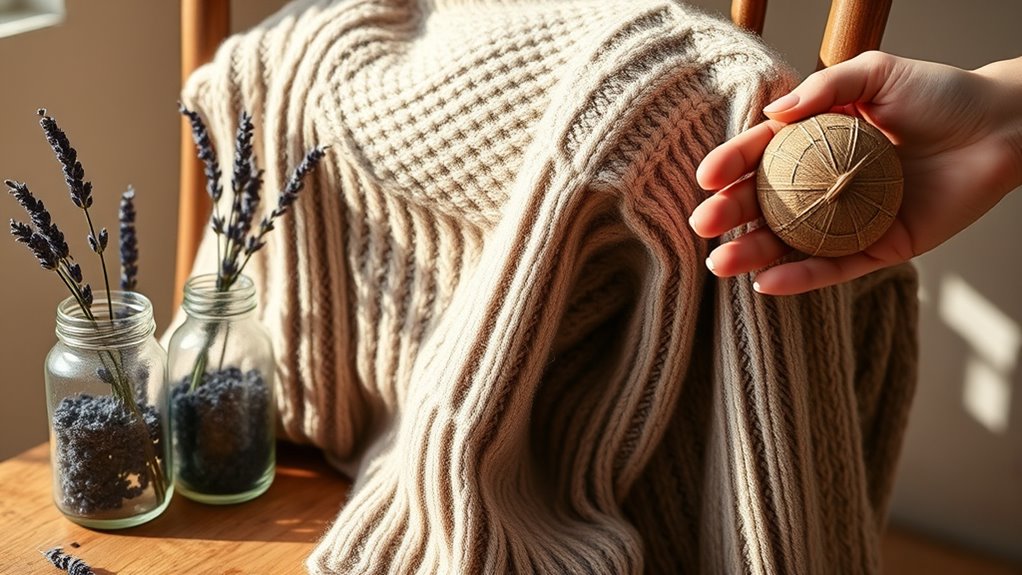
After removing stains and spot cleaning your wool, maintaining its freshness between washes can keep it looking and smelling its best. To preserve wool scent, air your garment regularly in a well-ventilated space, avoiding direct sunlight that may cause fading. Use odor control techniques like sprinkling baking soda lightly on the fabric, then letting it sit overnight before brushing off. You can also hang wool items in fresh air or use a fabric freshener spray designed for delicate fibers. Proper storage is essential; keep wool in breathable containers, and avoid plastic bags that trap moisture and odors. Regularly airing and using natural odor control methods will help your wool stay fresh, soft, and inviting between cleanings. Incorporating Proper storage practices can further extend the freshness and quality of your wool garments.
Repairing and Moth-Proofing Your Wool Collection
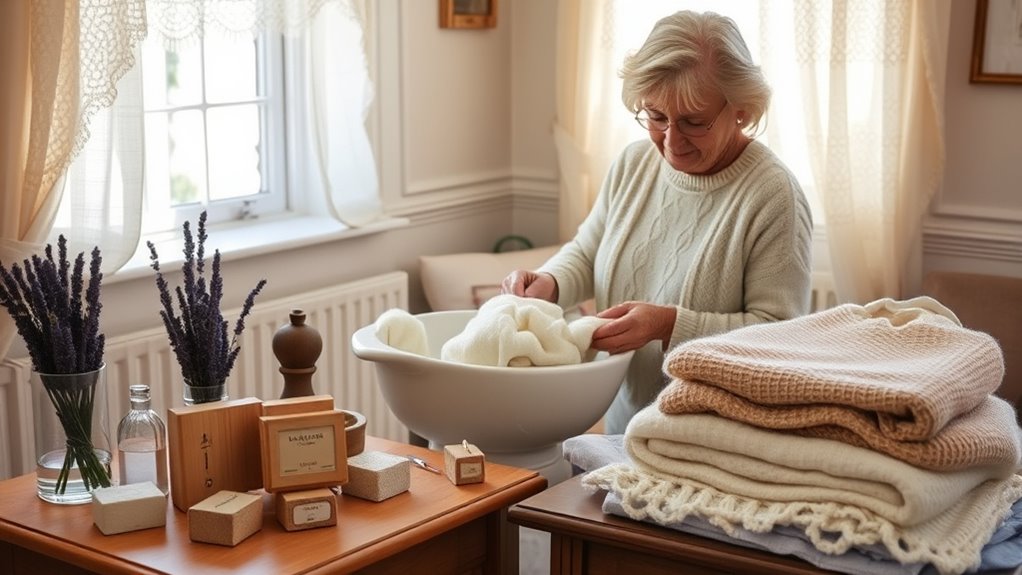
To keep your wool collection in top condition, it’s vital to repair any tears or loose stitches promptly, as small damages can worsen over time. Use wool repair techniques like darning or patching to fix holes without damaging the fabric. Proper moth-proof storage is essential; store wool in airtight containers or sealed bags with cedar blocks or lavender sachets to repel moths. Additionally, guarantee your wool is clean before storing, as residues attract pests. Regularly inspect your collection for signs of moth activity or damage. Here are three key steps:
- Repair tears immediately using gentle wool repair techniques.
- Store wool in moth-proof containers with natural repellents.
- Keep your collection clean and regularly check for signs of pests or damage.
Frequently Asked Questions
Can I Hand Wash Wool in Cold Water?
Yes, you can hand wash wool in cold water. Cold water helps preserve the wool fiber and prevents shrinkage or damage. Use gentle washing techniques, such as softly submerging the wool and avoiding vigorous scrubbing. Make sure to use a mild wool-friendly detergent, and gently squeeze out excess water without wringing. This careful approach maintains the wool’s softness and shape, ensuring your item stays beautiful and durable.
How Often Should I Wash Wool Garments?
You should wash wool garments only when they’re visibly dirty or smell, roughly after 3-4 wears. To keep them fresh, use gentle hand washing or dry cleaning tips, like spot cleaning and airing out. Proper wool storage ideas, such as folding in breathable containers and avoiding damp areas, help prevent frequent laundering. This way, your wool stays soft, clean, and in great shape longer.
What Are Natural Moth Repellents for Wool?
Think of natural moth repellents as your wool’s loyal guardians, like cedarwood warding off invaders. You can use cedar blocks, lavender sachets, or cloves for moth prevention, as these natural deterrents emit scents moths dislike. When you place them in your wool storage, you’re creating a fragrant barrier that protects your garments without chemicals, keeping moths at bay and preserving your wool’s softness and integrity.
Is It Safe to Use Fabric Softeners on Wool?
Using fabric softeners on wool isn’t safe because of fabric softener risks. They can damage wool fibers, making them less durable and causing pilling or weakening over time. Wool fiber safety is compromised when harsh chemicals are applied. Instead, opt for gentle, wool-safe conditioners or just wash with lukewarm water and dry flat. This approach preserves your wool’s softness and longevity without risking damage.
How Do I Prevent Wool From Pilling Over Time?
If you want to stop wool from pilling, you’ve gotta treat it like a treasure, not just any fabric. Regularly use a fabric softener, but beware of fabric softener risks—too much can weaken fibers. To prevent wool pilling, turn your garment inside out, wash on gentle, and avoid friction. These simple steps will keep your wool looking pristine, preventing pilling from ruining your favorite pieces forever.
Conclusion
By understanding how wool fibers work and following proper care techniques, you can keep your wool items looking their best for years. For instance, imagine treating a favorite wool sweater gently, avoiding harsh washes, and storing it properly. This simple care routine prevents damage, preserves softness, and keeps moths at bay. With consistent attention, your wool collection remains cozy, fresh, and beautiful, ready to enjoy whenever you need it.