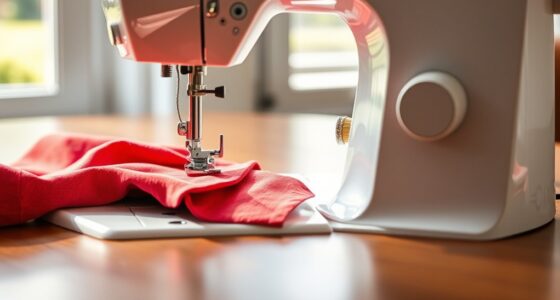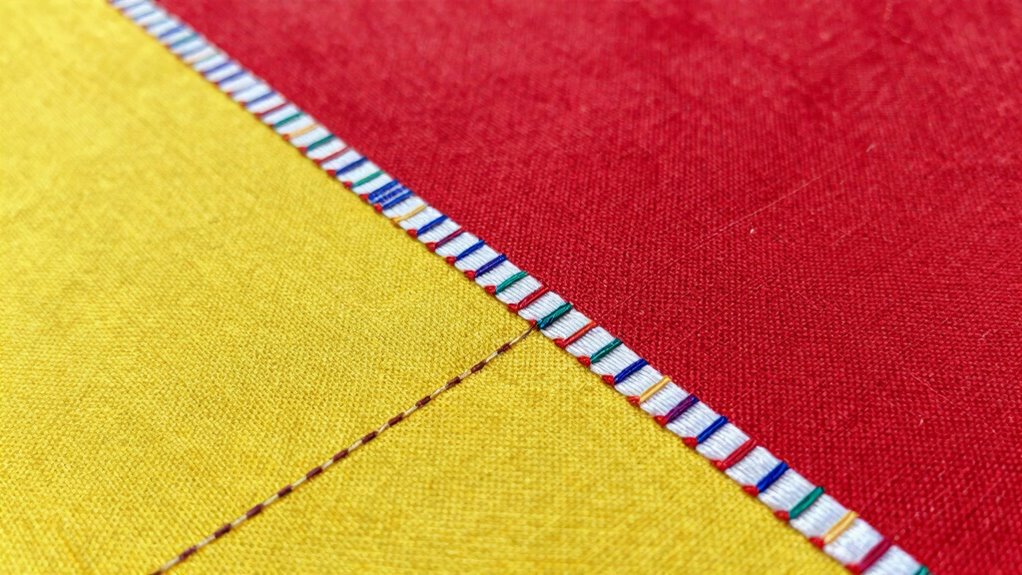

For a store-bought finish, a serger is your best bet because it trims, overlocks, and provides clean, professional-looking edges quickly and efficiently. It’s perfect for finishing raw edges and creating durable seams, especially with knit fabrics. A sewing machine offers more control for detailed work and decorative stitches. Combining both tools often results in the most polished, professional projects—if you want to learn how to maximize their potential, keep exploring.

Get furniture and decor delivered free with Prime
- Fast, free delivery on millions of items
- Prime Video, Amazon Music and more included
- Member-only deals all year
Key Takeaways
- Sergers produce overlock stitches that create clean, professional edges resembling store-bought finishes.
- Sewing machines offer decorative and topstitching options that mimic commercial garment details.
- Using both tools together ensures durable seams and polished edges for a high-quality, store-bought look.
- Proper tension control and fabric selection are essential for achieving a smooth, professional project finish.
- Combining serger and sewing machine techniques results in a polished, professional appearance that rivals store-bought products.
As an affiliate, we earn on qualifying purchases.
What Are Sergers and Sewing Machines? A Quick Overview
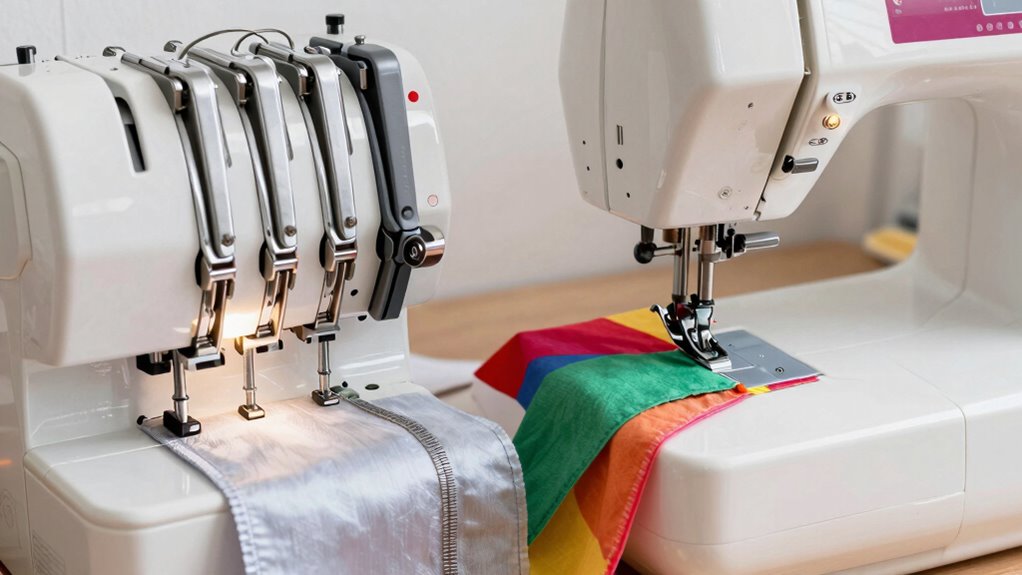
Have you ever wondered what distinguishes sergers from sewing machines? Both are essential tools for sewing, but they serve different purposes. A sewing machine is versatile, handling everything from simple repairs to complex projects, and it works well with various fabric selections. A serger, on the other hand, specializes in finishing raw edges with overlocking stitches, giving your projects a professional look. When choosing materials, consider fabric selection because sergers excel with knit fabrics and thicker textiles, while sewing machines can handle a wider range. Thread compatibility is also key; sergers typically use multiple spools of specialized overlock thread, ensuring strong, flexible seams. Understanding these distinctions helps you pick the right machine for your project needs. Additionally, modern sewing tools can integrate with smart home technology, offering features like automated routines and customized settings to enhance your crafting experience. Recognizing the differences in machine functions ensures you select the best tool for your specific sewing projects. Furthermore, learning about machine maintenance can extend the lifespan and performance of both types of machines, and staying informed about latest sewing innovations can help you keep your equipment up-to-date.
How Do Sergers and Sewing Machines Differ in Function and Results?
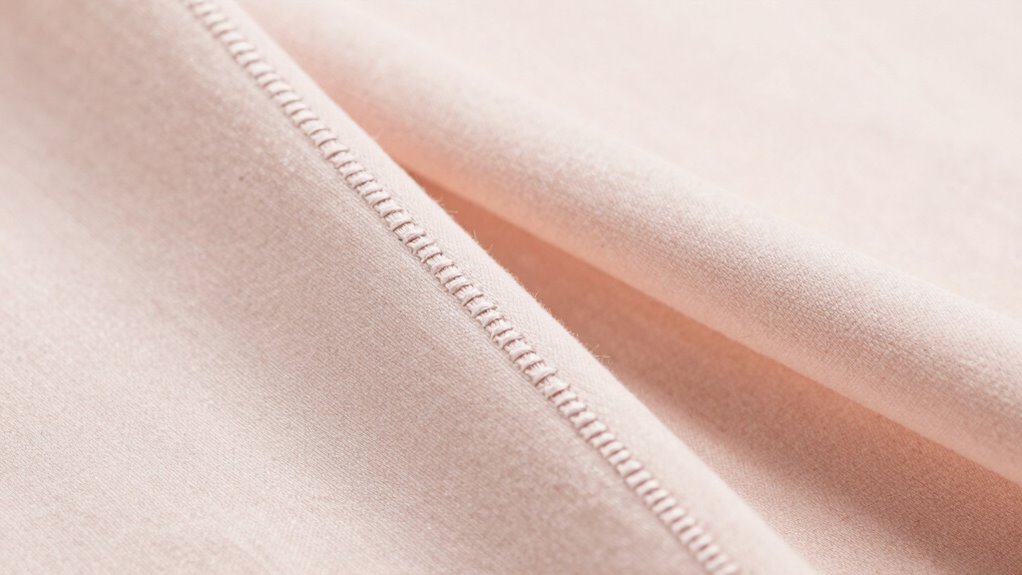
Sergers and sewing machines serve distinct functions that directly impact the final appearance and durability of your projects. A sewing machine stitches layers together with a straight or decorative stitch, suitable for a variety of fabric types like cotton, denim, or silk. In contrast, a serger trims excess fabric while overcasting edges in one step, creating a clean, professional finish. The key difference lies in thread tension: sewing machines allow you to manually adjust tension for different fabrics, ensuring strong, even stitches. Sergers automatically regulate thread tension to produce secure seams and neat edges at high speed. These differences mean sergers excel at finishing seams quickly and neatly, while sewing machines offer versatility for detailed stitching and fabric handling. Additionally, thread tension control plays a crucial role in achieving optimal stitch quality and project durability in both types of machines. Proper understanding of thread tension adjustment can help prevent puckering or loose stitches, ensuring a professional-looking result. Furthermore, mastering tension settings can significantly enhance the overall quality of your sewing projects.
Which Stitch Types and Seam Finishes Do They Offer?
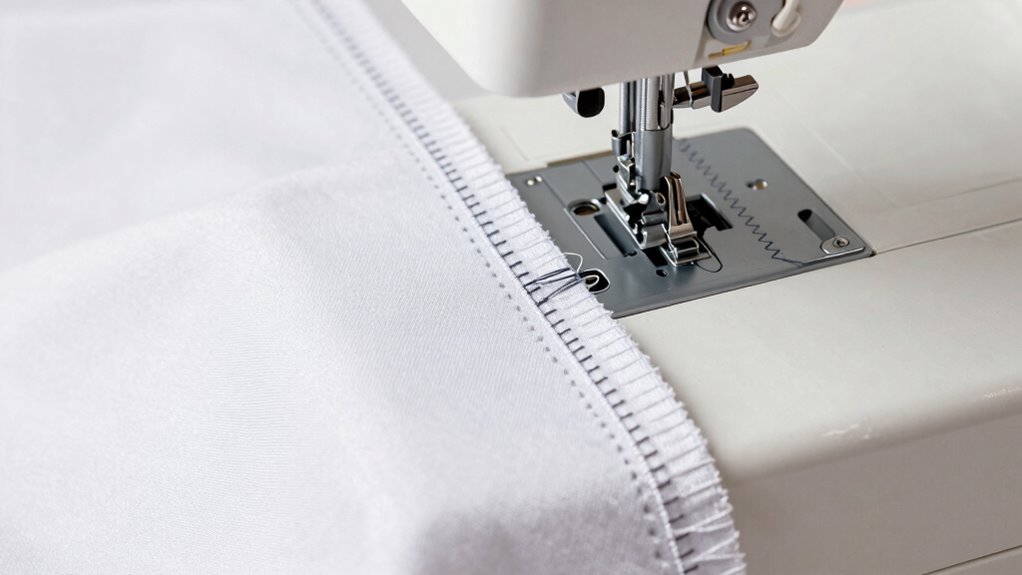
Both sergers and sewing machines offer a variety of stitch types and seam finishes to suit different projects. You’ll find overlock and coverstitch options on sergers, while sewing machines typically provide straight and zigzag stitches. Understanding these choices helps you choose the right tool for strong, polished seams. Additionally, safe and proper setup—such as correct installation practices—ensures optimal performance and durability of your stitches.
Overlock and Coverstitch Options
Overlock and coverstitch machines offer a variety of stitch types and seam finishes designed to enhance your sewing projects. These machines excel at creating professional-looking fabric embellishments, giving your garments a polished touch. With adjustable thread tension, you can fine-tune each stitch for perfect tension and durability. Overlock stitches trim, neaten, and secure raw edges in one step, preventing fraying. Coverstitch options mimic the look of topstitching, ideal for hems and decorative seams, while also providing stretchability for knit fabrics. Some machines combine both functions, offering versatile options to elevate your projects. By mastering these stitch types, you can achieve clean, durable finishes that rival store-bought quality, making your sewing projects look truly professional. Additionally, understanding the different stitch types available can help you select the right technique for each fabric and project requirement.
Straight and Zigzag Stitches
Straight and zigzag stitches are fundamental to sewing, offering a wide range of finishes and applications. With straight stitches, you can create strong seams and precise topstitching, while zigzag stitches are ideal for finishing raw edges and adding stretch to seams. Adjustting thread tension is essential for achieving balanced stitches; too tight or loose can lead to puckering or skipped stitches. Proper needle selection also plays a critical role—use a sharp needle for woven fabrics and a ballpoint for knits. Both stitches provide versatility, whether you’re sewing seams, hems, or decorative details. Mastering these basic stitches ensures your projects look professional and durable, whether you’re working with a sewing machine or serger.
Seam Finishing Techniques
Seam finishing techniques are essential for creating clean, durable edges that prevent fraying and guarantee a professional look. Your choice of fabric selection influences which seam finish works best; delicate fabrics benefit from narrow serging or pinking shears, while sturdier materials can handle overlocked seams. Thread types also matter: polyester thread offers strength and elasticity, ideal for finishes that need flexibility, whereas cotton thread provides a softer, natural finish. Common seam finishes include serging, zigzag stitching, pinking, and binding, each suited to different fabric types and project needs. Using the right seam finish ensures your project maintains its shape and durability over time, giving it that polished, store-bought appearance. Selecting appropriate stitch types and seam finishes elevates your sewing quality markedly.
When Should You Use a Sewing Machine Instead of a Serger?
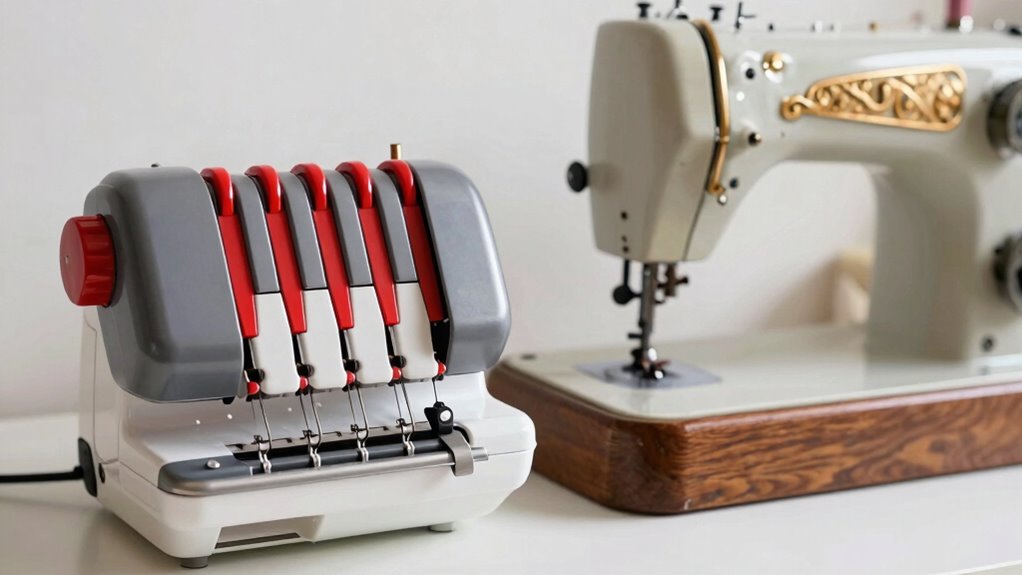
While a serger excels at finishing edges quickly and neatly, there are times when a traditional sewing machine is the better choice. You should opt for a sewing machine when working on projects that require precise control, such as topstitching or inserting zippers. It’s also ideal when you need to adjust thread tension for different fabrics or guarantee better fabric durability with reinforced seams. Use a sewing machine for detailed or decorative stitches that a serger can’t replicate. Additionally, when sewing lightweight or delicate fabrics, a sewing machine provides gentler handling. Consider a sewing machine when you need more versatility, control, or stronger seams, especially for areas where edge finishing isn’t the main focus.
Getting a Store-Bought Look: Which Tool Produces a More Professional Finish?
Getting a Store-Bought Look: Which Tool Produces a More Professional Finish?
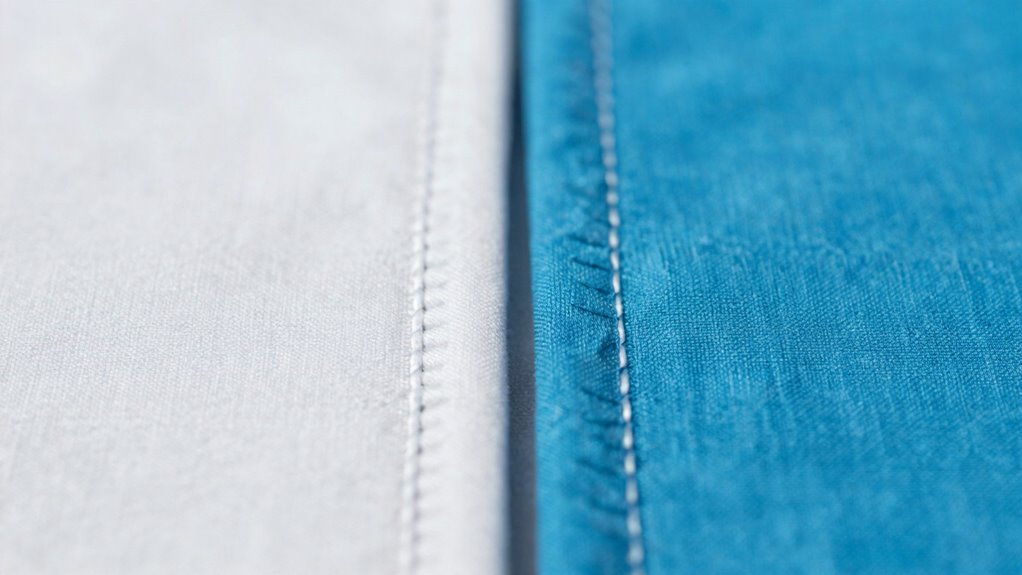
When aiming for a polished, store-bought appearance, the choice of finishing tool makes a significant difference. A serger often produces cleaner, more professional edges thanks to its overlock stitches, which help prevent fraying and give a sleek finish. Incorporating embellishing techniques, like decorative stitches or rolled hems, can enhance that high-quality look. Your fabric selection also plays a role—smooth, high-quality fabrics respond better to serging, creating a seamless, polished edge. Sewing machines can mimic this finish with specialized stitches, but they usually require more time and effort. Ultimately, for a true store-bought look, a serger combined with thoughtful fabric choices and strategic embellishing techniques delivers the most professional, refined result. Additionally, using appropriate ventilation considerations can help maintain optimal sewing conditions, ensuring consistent stitch quality and fabric handling. Proper machine maintenance also plays a crucial role in achieving a professional finish by preventing issues like skipped stitches or uneven tension. Regularly cleaning and servicing your sewing tools extends their lifespan and ensures they operate at peak performance, which is essential for top-quality results.
Pros and Cons of Sewing Machines for Finishing Touches
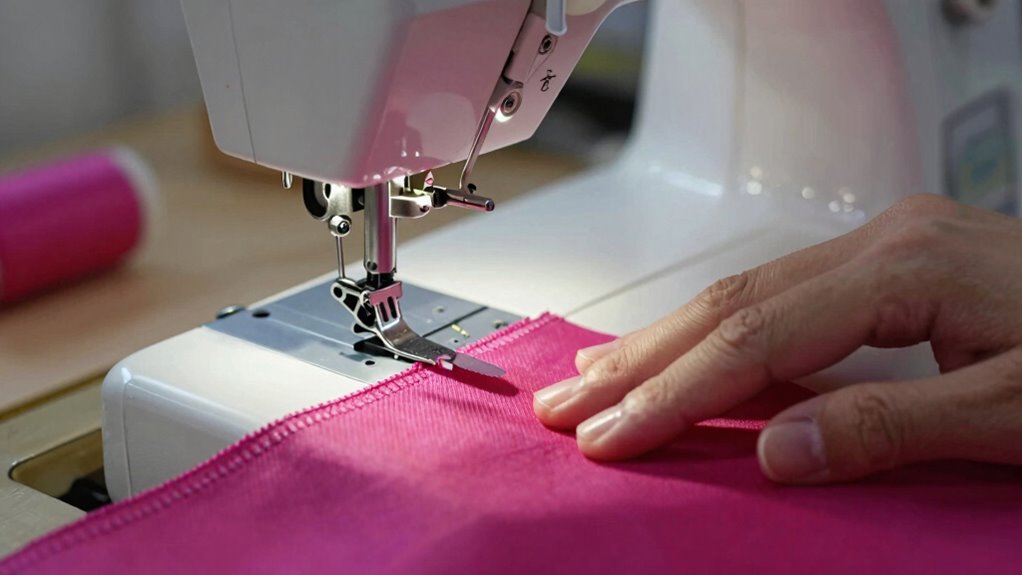
Sewing machines offer a versatile and accessible option for adding finishing touches to your projects, but they come with both advantages and limitations. They allow you to control thread tension and stitch selection, giving you flexibility for different fabrics and textures. However, adjusting thread tension can be tricky, especially for beginners, leading to uneven seams or puckering. Choosing the right stitch type can also be limiting if your machine doesn’t offer a broad range of options.
Sewing machines provide versatile finishing options but require careful tension control and stitch selection.
- Easy to switch between decorative and functional stitches
- Requires careful tension adjustments for neat results
- Ideal for hemming, topstitching, and decorative finishes
- Less efficient for complex or multiple layers
- Can be time-consuming compared to specialized finishing tools
Speed, Precision, and Ease: The Benefits and Drawbacks of Sergers

Sergers excel in providing fast, precise stitching that can substantially boost your sewing efficiency. Their multiple threads work together to create strong, durable seams with excellent stitch durability. You’ll notice how quickly you can finish edges and seams, saving time on larger projects. Additionally, understanding the importance of machine maintenance can help improve overall performance and reduce frustration. However, managing thread tension can be tricky at first, affecting stitch quality. If tension isn’t perfectly balanced, stitches may pucker or come apart. Ease of use varies: some find sergers intuitive, while others find threading and adjusting tension frustrating initially. Becoming familiar with thread tension adjustment can help ensure consistent stitch quality and a smoother sewing experience.
Are Sergers or Sewing Machines Better for Beginners and Home Crafters?

Choosing between a serger and a sewing machine depends on your experience level and crafting goals. If you’re just starting out, a basic sewing machine might be more user-friendly for fabric embellishments and pattern adjustments. It allows you to learn fundamental stitches and techniques without feeling overwhelmed. Sergers excel at finishing raw edges quickly, but they can be more complex to operate for beginners. Consider these points:
- Sewing machines are versatile for various projects
- Sergers are great for professional-looking seams
- Learning curve is gentler with sewing machines
- Sergers can speed up finish work
- Both can help improve your skills over time
- Understanding fine rug care can inform your choice of durable, neat stitching techniques for home projects, especially when working with delicate fabrics or materials requiring specialized seam finishes. Developing your skills with a sewing machine can also serve as a foundation for understanding machine maintenance, which is helpful if you decide to explore serging later. Additionally, gaining knowledge about thread types and tensions can optimize your sewing outcomes and enhance project durability.
What About Cost, Maintenance, and Space? Choosing the Right Equipment
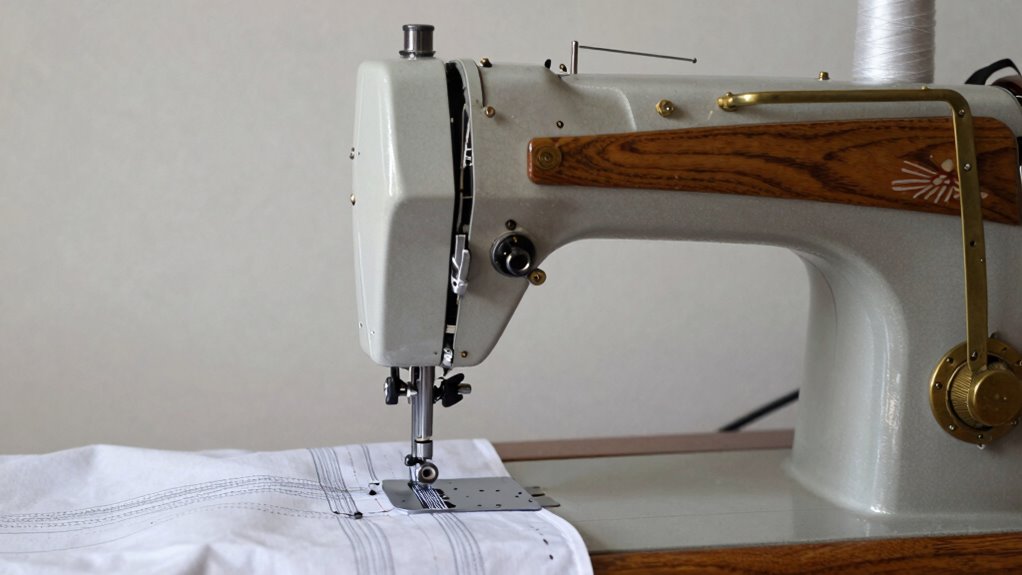
When choosing between a serger and a sewing machine, you need to contemplate your budget and the costs involved. Think about the space each machine requires and how much maintenance they need to stay in good shape. Balancing these factors will help you pick the right equipment for your craft room and your wallet. Additionally, consider the different types of sewing machines, as some models offer more versatility and features suited to various projects. It’s also helpful to evaluate the long-term costs of maintenance, since certain machines may incur higher expenses over time. Moreover, understanding the flushing mechanisms and efficiency of your equipment can influence the durability and performance of your sewing tools, especially when working with multiple layers or heavy fabrics. For instance, selecting machines with adjustable brightness settings can improve visibility during detailed work, enhancing both precision and ease. Incorporating an understanding of website performance metrics can also aid in researching and comparing various models and brands effectively.
Cost Comparison and Budgeting
Although serger prices range from budget-friendly to professional models, understanding their costs upfront helps you make an informed choice. When planning your budget, consider the initial purchase price, ongoing maintenance, and accessory costs. Proper expense tracking can save you surprises down the line. Keep in mind:
- Serger prices range from budget-friendly to professional models
- Sewing machines often have a wider price spectrum
- Maintenance costs include oil, parts, and occasional repairs
- Additional accessories or attachments can add to expenses
- Space requirements may influence your investment
- Cost management strategies can help you stay within budget and maximize your investment.
Balancing your budget planning with the features you need ensures you select equipment that fits your skill level and projects. Being aware of these costs helps you avoid overspending and makes your crafting experience more enjoyable and sustainable.
Space and Maintenance Needs
Considering the costs involved in purchasing a serger or sewing machine, it’s also important to evaluate their space requirements and maintenance needs. Sergers tend to be more compact but can require extra space for additional accessories and thread management. Sewing machines often need more room for fabric handling and accessory storage. Maintenance includes adjusting thread tension regularly to ensure smooth stitching and checking needle types for different fabrics. Sergers require frequent cleaning of lint and precise thread tension adjustments to keep stitches even. Sewing machines also need regular lubrication and needle replacements to prevent skipped stitches. Additionally, UST projectors and ALR screens offer innovative solutions for creating functional and stylish sewing or craft rooms with optimal space utilization adaptive home theater setups. Before choosing, assess your workspace to ensure your equipment fits comfortably and consider how much time you’re willing to dedicate to ongoing upkeep.
How to Combine Sewing Machines and Sergers to Elevate Your Projects
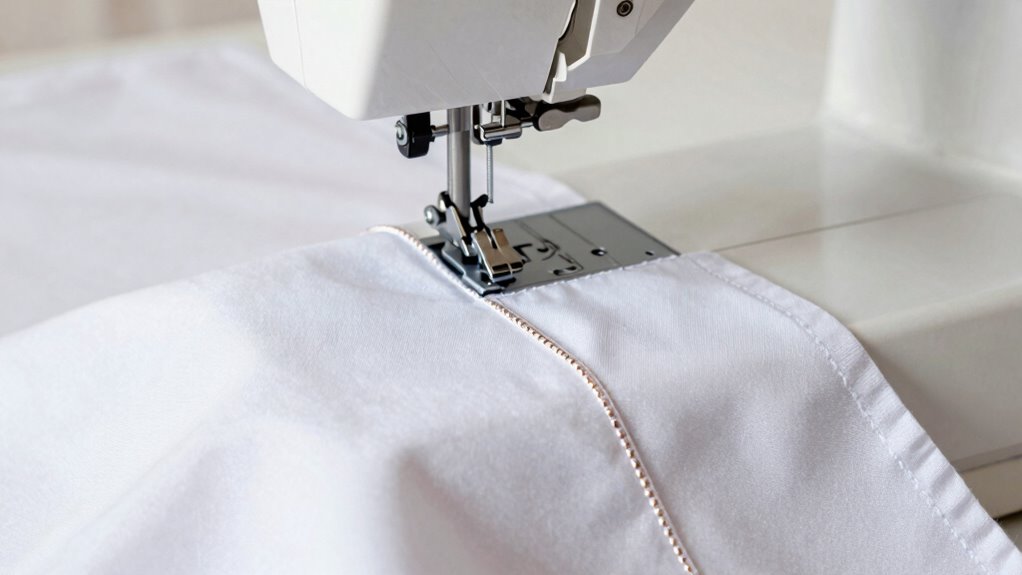
Combining sewing machines and sergers can considerably elevate your sewing projects by leveraging each tool’s strengths. Use your sewing machine for precise seams, topstitching, and detailed work. Then, switch to your serger for clean, professional edges and finishing touches. To get the best results, pay attention to thread tension, matching it to different fabric types to avoid puckering or uneven stitches. When working with delicate fabrics, lower tension; for thicker materials, increase it. Here are some tips to combine them effectively:
Maximize your sewing projects by combining machines—use your sewing machine for precision and your serger for professional finishes.
- Use your sewing machine for intricate seams and attaching zippers
- Switch to the serger for finishing raw edges quickly
- Adjust thread tension based on fabric types for smooth stitches
- Layer fabrics with confidence, knowing each tool complements the other
- Practice switching between tools to streamline your workflow
- Proper tension management is essential for achieving professional-quality stitches and a polished look.
Frequently Asked Questions
Can a Sewing Machine Replace a Serger Entirely?
A sewing machine can’t fully replace a serger, especially for finishing fabric edges like knits or delicate fabrics. While your sewing machine offers various stitch varieties, it doesn’t provide the clean, professional finish that a serger does. Sergers handle different fabric types efficiently, preventing fraying and ensuring durability. For a polished, store-bought look, combining both tools is ideal; a sewing machine alone won’t always achieve that finish.
Are Sergers Easier to Learn Than Sewing Machines?
You’ll find that sergers are generally easier to learn than sewing machines because they focus on specific stitch varieties like overlock and rolled hem, which streamline finishing edges on various fabric types. While sewing machines offer more stitch options, sergers simplify the process, making it quicker to master techniques for different fabrics. Once you get the hang of tension and threading, you’ll appreciate how straightforward sergers are for finishing projects efficiently.
Which Tool Is Better for Quilting Projects?
Choosing between a serger and a sewing machine for quilting is like picking the right brush for a masterpiece. A sewing machine offers versatility for quilt seam finishes and fabric layering techniques, giving you precise control. While a serger excels at creating professional, clean edges quickly, it’s less versatile for intricate quilting details. For detailed quilting projects, a sewing machine is your best bet, but a serger can enhance the finishing touches.
Do Sergers Require Special Needles or Threads?
Yes, sergers require special needles and threads. You should use thread compatibility designed for sergers to guarantee smooth stitching and avoid jams. Additionally, choosing the right needle types, like 90/14 or 100/16 for heavier fabrics, is essential for peak performance. Using the correct needles and thread types helps your serger sew neatly and last longer, making your projects look professional and polished.
How Do I Maintain and Troubleshoot Sergers and Sewing Machines?
Think of your serger or sewing machine like a car—regular maintenance keeps it running smoothly. You should check and adjust thread tension regularly, clean out lint, and oil moving parts as recommended. When trouble strikes, like uneven stitches, recheck thread tension and clear debris. I once fixed a machine by simply cleaning out dust, and it ran like new. Regular care guarantees your machine stays reliable and sewing feels effortless.
Conclusion
Choosing between a serger and a sewing machine depends on your project needs, your skill level, and your desired finish. Both tools offer unique benefits—sergers deliver speed and professional seams, while sewing machines provide versatility and precision. By understanding their differences, mastering their uses, and knowing when to combine them, you can elevate your sewing projects from simple to stunning, from homemade to store-bought, from basic to beautiful.
Fall Picks
fall essentials
As an affiliate, we earn on qualifying purchases.