TL;DR
The Good Trade has published a 2026 roundup of seven daybeds from brands it describes as sustainable, focusing on materials, emissions and chemical-safety criteria, comfort and price. The supplied source details the first two picks; product specifications and prices for the remaining five are not included in the available material.
The Good Trade has published a 2026 list of seven daybeds from brands it says it has researched, assessing the furniture for material sourcing, chemical-safety claims, comfort and durability. The available source names Thuma and Sundays and describes their models, but does not provide the other five selections or their specifications.

Get furniture and decor delivered free with Prime
- Fast, free delivery on millions of items
- Prime Video, Amazon Music and more included
- Member-only deals all year
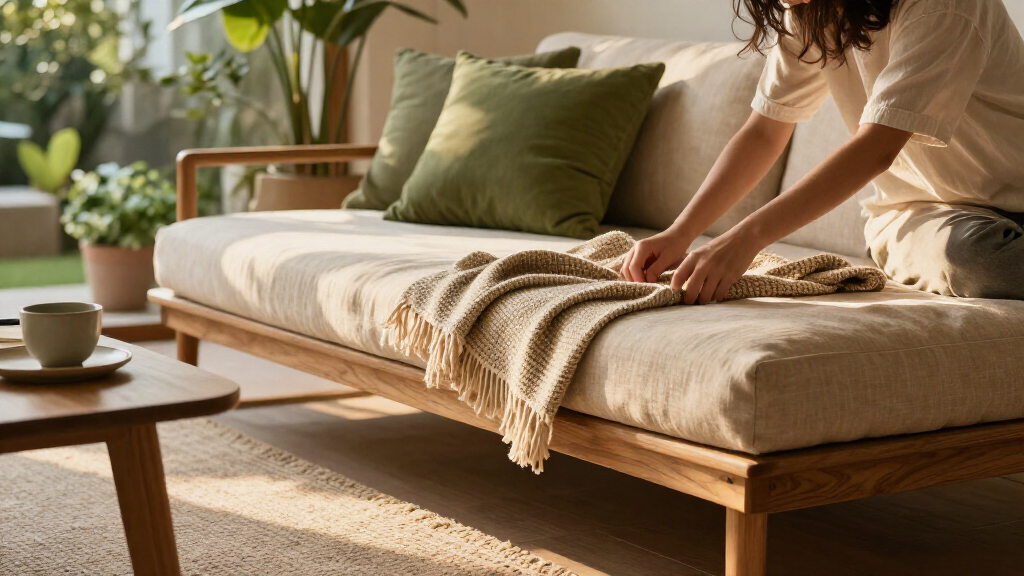
The guide frames daybeds as furniture that can serve as seating, a lounging spot and an occasional sleeping surface. The Good Trade says its editors selected products made with materials such as solid wood, natural fabrics and recycled or upcycled components. It also says its team has researched sustainable furniture brands for more than a decade and revisits the guide when new picks meet its criteria.
The first listed option is Thuma’s Classic and Essential Daybeds, with listed starting prices of $1,595. Thuma says both use upcycled wood and double-strength slats. The Classic has Japanese joinery and nine inches of under-bed storage; the Essential is described as a lower-profile frame, 11 inches high before the mattress. Both are sold without a twin mattress, and the guide says they are GREENGUARD Gold certified. Three optional pillowboards use CertiPUR-US-certified foam, according to the source.
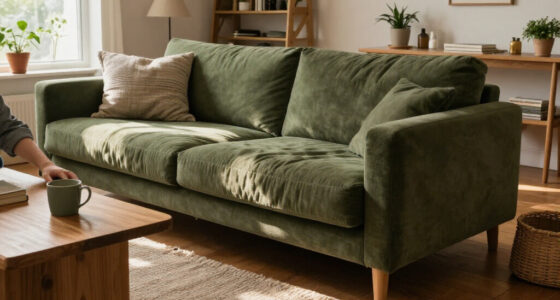
The second choice is Sundays’ Doze Off Daybed, listed from $1,290. The guide describes a solid-wood frame, high-density foam cushion, removable bolster and stain-resistant linen-blend fabric, with a 75-inch length. It characterizes the design as compact and space-saving. The source excerpt ends before completing the product’s color details and does not include the remaining five products.
The Good Trade · 2026 Buying Guide
7 Best Daybeds From Sustainable Brands
A practical look at materials, safety claims, comfort and price. The available source names two models; details for the other five picks are not included.
Thuma and Sundays are identified in the supplied guide excerpt.
Frame configurations and added costs may affect the total.
Two named daybeds
These details reflect the supplied excerpt. Listed prices are starting prices; confirm current options and total setup costs with the retailer.
Classic & Essential Daybeds
Both use upcycled wood and double-strength slats, according to the source. The Classic features Japanese joinery and nine inches of under-bed storage. The Essential is a lower-profile frame, 11 inches high before the mattress.
Doze Off Daybed
Described with a solid-wood frame, high-density foam cushion, removable bolster and stain-resistant linen-blend fabric. The listed length is 75 inches; the guide characterizes it as a compact, space-saving design.
What the guide says it weighs
These are The Good Trade’s stated selection standards. The supplied material does not independently verify every product claim.
Source & lifecycle
Natural, organic, recycled or responsibly sourced materials; durable construction; FSC certification as a wood-sourcing signal.
Claims & certifications
Attention to emissions and chemical disclosures, including GREENGUARD Gold, PFAS, VOCs, flame retardants and fiberglass.
Comfort & value
Comfort for seating and overnight guests, durability, affordability, and the practical costs of a complete setup.
The guide reports that its editors have researched sustainable furniture brands for more than a decade and revisit picks when products meet their criteria. Its article also discloses that some links may earn a commission.
From shortlist to a sound purchase
Use the guide as a starting point, then check the details that affect fit, safety and the full cost.
Check room dimensions, mattress size and intended use.
Ask what each certification covers and which components it applies to.
Add mattress, delivery, assembly and selected options.
Compare warranty terms, care instructions and availability.
“Our editors have lived with and researched the top sustainable furniture brands for over a decade.”The Good Trade · Editorial approach
Five picks remain unidentified
The available excerpt is incomplete, so several useful comparisons cannot be made from it alone.
Brands, models, prices, materials and certifications for five of the seven selections.
Current configurations, mattress compatibility, delivery, assembly, warranty and certification scope.
The excerpt does not say whether the listed starting prices include delivery or other options. Thuma’s listing excludes a twin mattress.
No exact publication date beyond the 2026 guide year is given. Sundays’ color details are cut off in the excerpt.
What Buyers Can Compare
A daybed can be a substantial purchase because it may need to function as both everyday seating and a place for guests to sleep. The guide gives readers a starting point for comparing frame materials, certifications, dimensions and listed prices, rather than treating appearance as the sole consideration. Its two available entries also show how designs differ: Thuma emphasizes a mattress-based wooden frame and storage on one model, while Sundays highlights a cushioned, compact form.
The sustainability and health-related criteria deserve careful reading. The Good Trade says it prioritizes responsibly sourced or recycled materials, third-party certifications and products without certain chemicals. Those are the guide’s selection standards and product descriptions, not an independent finding in the provided material that every claim has been separately verified. Shoppers can use the claims to identify questions for manufacturers, including what a certification covers and whether it applies to the complete product or particular components.
Price is another practical part of the comparison. The two listed starting prices are $1,595 for Thuma and $1,290 for Sundays, but the source does not specify whether those prices include mattresses, delivery or other options. As both listings exclude a mattress in at least the Thuma case, buyers should compare the full setup cost and intended use before deciding.
Products Worth Considering

Ring Alarm 14-Piece Kit

LEVOIT Vital 200S-P Smart Air Purifier for Large Rooms, White

TCL 85-Inch QM64L QD-Mini LED 4K Smart Fire TV
As an affiliate, we earn on qualifying purchases.
How the Guide Sets Its Criteria
The Good Trade says furniture production can involve waste, greenhouse-gas emissions and unsustainable forestry. In response, its stated criteria favor natural, organic, recycled and responsibly sourced materials, as well as durability. It names FSC certification as one way to assess wood sourcing and GREENGUARD Gold as a certification related to emissions. The guide also says it looks for products made in the United States and for claims concerning PFAS, sometimes used in stain-resistant treatments.
For products used for sleeping, the publication says it gives particular attention to materials and chemical disclosures. Its stated screening criteria include the absence of flame retardants, PFAS, VOCs and fiberglass. These are criteria the editors say they applied to the list; the supplied excerpt does not include documentation for each product or explain the testing behind every claim. The guide also weighs comfort and affordability, recognizing that a daybed may be used by overnight guests and that sustainably made furniture can cost more.
The article includes an affiliate disclosure: The Good Trade says it may earn a commission when readers buy through some links. It also says its editors research, test and personally like products. That disclosure gives readers relevant information about the publication’s commercial relationship with some recommendations.
““Our editors have lived with and researched the top sustainable furniture brands for over a decade.””
— The Good Trade, describing its editorial approach
Missing Picks and Product Details
The available source material does not identify five of the seven daybeds, so their brands, prices, materials and certifications cannot be reported here. It also provides no publication date beyond identifying the guide as a 2026 list. Sundays’ product description is cut off before all details are given.
The excerpt does not state how the listed starting prices vary by configuration, whether shipping or assembly is included, or what mattress sizes and weight limits apply to each product. It also does not provide certification documents or explain which components each certification covers. Those details should be checked with the brands and in the complete guide before purchase. The article’s affiliate disclosure means some linked purchases may generate commission for The Good Trade.
Check Full Listings Before Buying
Readers considering either model can consult the complete Good Trade guide for the full set of seven selections and any details omitted from the supplied excerpt. Before ordering, they can confirm current price, dimensions, mattress compatibility, materials and certification scope directly with the retailer. Availability and product specifications may change, and the source does not provide a timeline for future updates to the list.
For a practical comparison, buyers can also calculate the total cost of the frame, mattress and delivery, then check warranty terms and care instructions. The Good Trade says it revisits the guide to add new products that meet its criteria, but it does not announce a specific next update.
Key Questions
Which daybeds are named in the available 2026 guide?
The provided source names Thuma’s Classic and Essential Daybeds and Sundays’ Doze Off Daybed. It says the full list has seven picks, but the other five are not included in the supplied excerpt.
What are the listed starting prices?
The guide lists Thuma daybeds from $1,595 and the Sundays Doze Off Daybed from $1,290. The source does not explain all configuration differences or whether delivery and other costs are included.
What sustainability and safety criteria does The Good Trade say it uses?
The publication says it looks for natural, organic, recycled or responsibly sourced materials, durable construction and relevant third-party certifications. It also says its selections meet criteria concerning flame retardants, PFAS, VOCs and fiberglass; the supplied excerpt does not include supporting documentation for each product.
Does the Thuma daybed include a mattress?
No. The source says Thuma’s daybeds are sold without a twin-sized mattress. Buyers should confirm mattress dimensions and the full cost of a setup with the retailer.
Source: rss