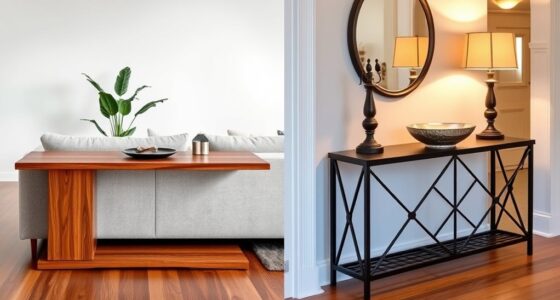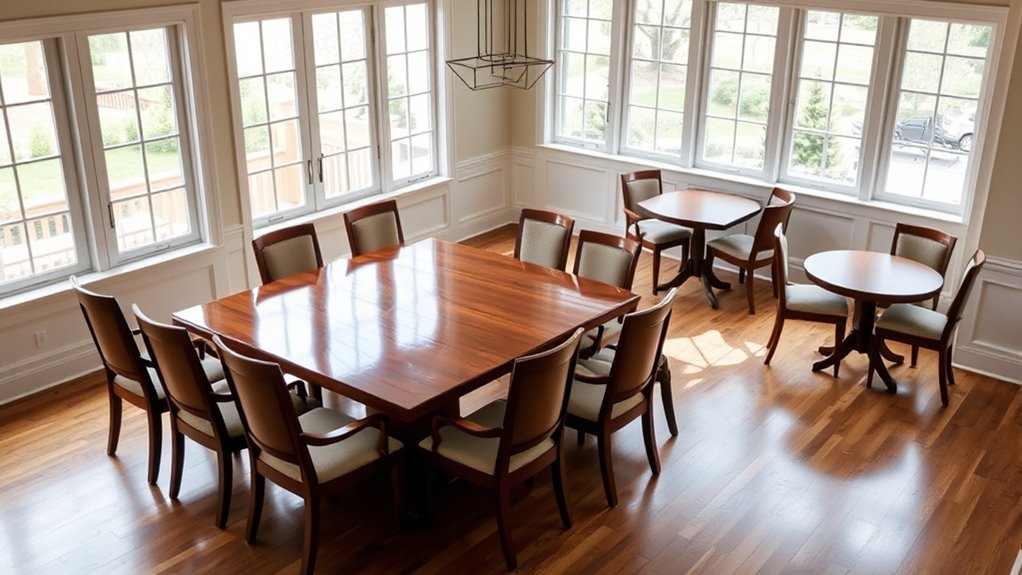

Choosing the right dining table size depends on your room’s dimensions and how many guests you plan to seat. In small spaces, opt for compact, round, or extendable tables that maximize seating without crowding. Medium rooms work well with tables around 60 inches, fitting 4-6 people comfortably. For larger rooms, consider oversized or extendable tables to accommodate more guests and create a balanced look. Keep exploring for tips on measuring and customizing your perfect table.
Key Takeaways
- Select small, round or extendable tables for small dining rooms to maximize space and seating flexibility.
- For medium-sized rooms (80-120 sq ft), use tables around 60-72 inches long to comfortably seat 4-8 guests.
- In large or open spaces, choose oversized or extendable tables with flexible leaves to accommodate more guests.
- Allow at least 24 inches of clearance around the table for comfortable movement and proper room circulation.
- Customize or choose non-traditional sizes to perfectly fit unique room dimensions and personal style preferences.

VASAGLE MAEZO Collection – Extendable Dining Table for 4/6/8, Kitchen Table with Tapered Legs, Curved Transitions, for Dining Room, Kitchen, Home Office, Honey Brown UKDT090K01V1
Style Reigns: Discover the MAEZO Collection—a furniture line featuring streamlined designs, tapered legs, and smooth, curved transitions. Each…
As an affiliate, we earn on qualifying purchases.
As an affiliate, we earn on qualifying purchases.
Small Dining Rooms: Compact Tables for Intimate Spaces
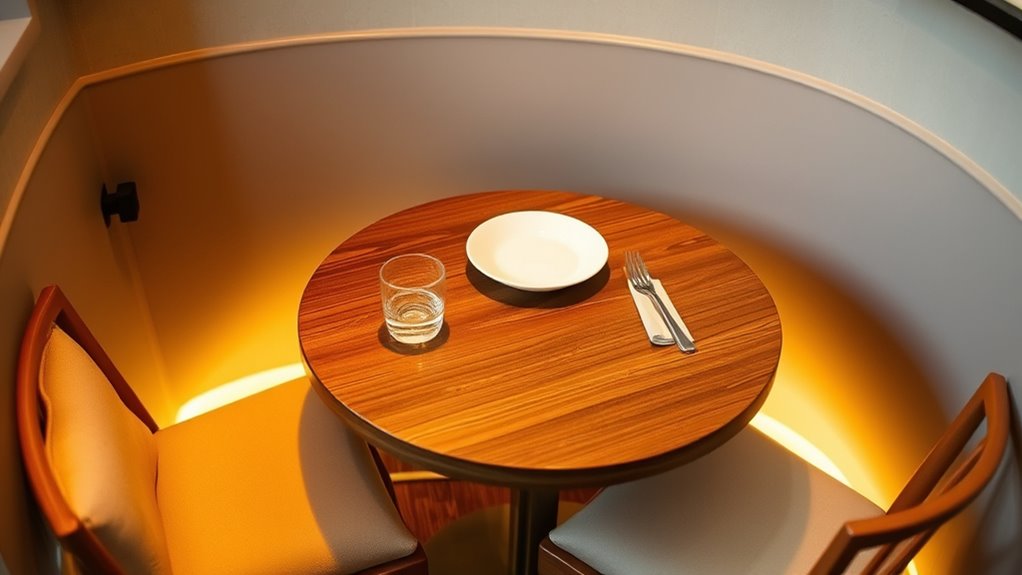
When you have a small dining room, choosing the right table size is essential to make the space feel inviting without feeling cramped. Your decor style influences your table choice—sleek, modern designs work well in minimalist spaces, while rustic or vintage styles add warmth. Material choices also matter; lightweight wood or glass tables can make the room seem more open, while darker, heavier materials might feel overwhelming. Opt for a compact table that suits your decor and complements your room’s proportions. Round tables often maximize seating without overcrowding, and extendable designs provide flexibility for guests. Keep proportions balanced to maintain a cozy yet functional atmosphere, ensuring your small dining area feels welcoming rather than cluttered. Additionally, considering the size and layout of your room can help determine the most suitable table shape and placement for optimal comfort.
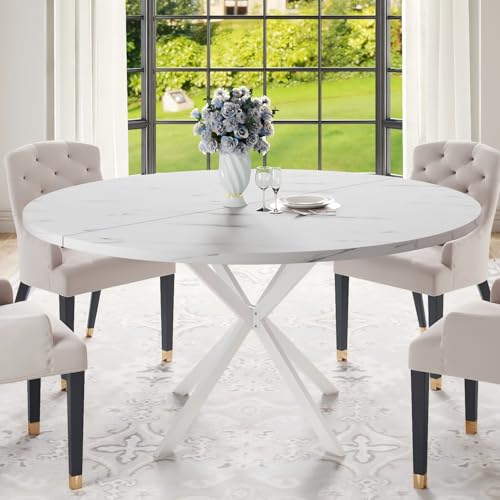
RLRO 47.24" Round Dining Table for 4-6 Person, Round Kitchen Table with Wood Top, Circle Dinner Pedestal Tables with Metal Legs for Dining Room Kitchen (White Marble)
【Ideal Size for Group Gatherings】The large round dining table has a diameter of 47.24", providing ample space to…
As an affiliate, we earn on qualifying purchases.
As an affiliate, we earn on qualifying purchases.
Medium-Sized Dining Areas: Balancing Comfort and Functionality
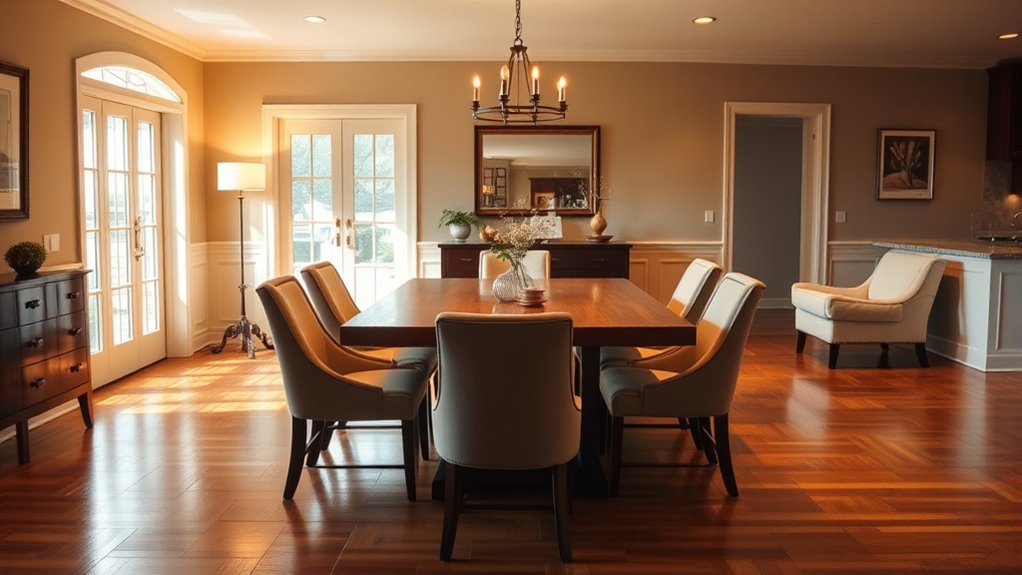
Are you struggling to find a dining table that strikes the right balance between space and usability in a medium-sized room? A table around 60 inches long offers enough room for comfortable seating without crowding the space. To enhance your setting, add decorative centerpieces that bring personality without clutter. Keep table maintenance simple by choosing materials like wood or glass, which are easy to clean and durable. Here’s a quick guide:
| Table Size | Seating Capacity | Ideal Room Size |
|---|---|---|
| 60 inches | Up to 6 people | 80-120 sq ft |
| 72 inches | Up to 8 people | 100-140 sq ft |
| 48 inches | 4 people | 70-100 sq ft |
This balance ensures comfort, style, and functionality in your medium-sized dining area.

Zevemomo 62.99"-78.74" Expandable Dining Table with Storage, Extendable Dining Table for 6-10 People, Extra Hidden Storage for Tableware & Wine, Modern Farmhouse Table for Kitchen Living Room-Brown
【Adjustable from 63" to 78.7" 】Our extendable table offers a versatile design. Starting at 62.99", it provides ample…
As an affiliate, we earn on qualifying purchases.
As an affiliate, we earn on qualifying purchases.
Large and Spacious Rooms: Choosing Oversized and Extendable Tables

When you have a large, open room, choosing the right table can enhance your space without disrupting the flow. Opt for oversized or extendable tables that can adapt to different gatherings and needs. Considering flexible extensions helps you maximize your room’s potential while maintaining a comfortable, open atmosphere. Additionally, selecting a table that aligns with the room’s layout ensures better functionality and aesthetic harmony.
Maximizing Room Flow
In large, spacious rooms, selecting an oversized or extendable dining table can considerably enhance room flow by providing ample surface area without overcrowding the space. An oversized table creates a natural focal point, encouraging movement around it and maintaining openness. When choosing, consider tables made from artificial materials like glass or composite, which add a modern touch while keeping the room feeling airy. Vintage styles with distressed wood or ornate details can also complement spacious rooms, adding character without sacrificing flow. Extendable tables are especially versatile, allowing you to maximize space for everyday use and expand for gatherings. Additionally, selecting appropriate table proportions ensures that the furniture enhances rather than hinders circulation within the room. By balancing size and style, you ensure your room remains functional, inviting, and free of clutter, making every inch work for you.
Selecting Flexible Extensions
Choosing the right extensions for your dining table can considerably enhance your space’s functionality and flow. Flexible extensions, like folding options, allow you to easily expand or reduce your table size based on your needs. When selecting these extensions, consider material choices that match or complement your existing table—wood, glass, or metal—so they blend seamlessly. Folding options are especially practical in large, spacious rooms, providing quick adaptability for family meals or entertaining guests. Extendable tables with built-in leaves or drop-in extensions save space when not in use. By choosing the right material and folding options, you guarantee your table remains versatile, durable, and aesthetically pleasing, making your large room both functional and inviting. Additionally, Vetted electric bike conversion kits demonstrate how well-designed features can enhance usability and versatility in different contexts.

LITTLE TREE 31.5" Small Dining Table for 4, Farmhouse Kitchen Table with Walnut Finish, Square Compact Dinner Table for Home Dining Room, Apartments, Office, Living Room & Restaurants, Walnut
Farmhouse Style: Featuring a neutral walnut finish, this dining table blends rustic farmhouse charm with versatile elegance, Complements…
As an affiliate, we earn on qualifying purchases.
As an affiliate, we earn on qualifying purchases.
Seating Capacity: Determining the Perfect Table Size for Your Guests
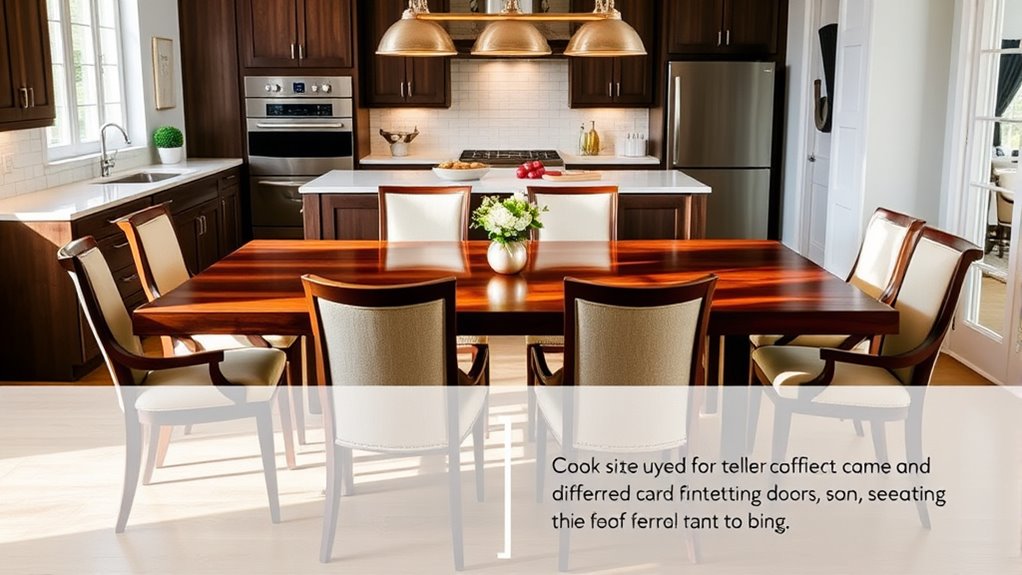
To make certain everyone has enough space to dine comfortably, you need to select a table size that matches your guest list. Think about how many people you’ll host regularly and occasionally. A larger table offers more room for movement and can enhance your decor styles, creating a welcoming atmosphere. When choosing, consider material options like wood, glass, or metal to match your decor. Also, think about the shape—rectangular, round, or oval—to optimize seating.
Choose a table size and shape that comfortably fits your guest list and complements your decor style.
- Ensure there’s at least 24 inches of space per guest for comfort
- Match table size to your typical guest count
- Combine your decor styles with suitable material options
- Opt for versatile shapes to maximize seating and style
Standard Table Dimensions for Different Room Types

Your living room and dining area sizes directly influence the table dimensions you should choose. Smaller spaces require compact tables to avoid clutter, while larger rooms can accommodate bigger setups. Understanding these room dimensions helps you select the most functional and comfortable table for your space. Additionally, considering creative practice can inspire innovative ways to optimize your dining area layout for both aesthetics and functionality.
Living Room Dimensions
Ever wondered what size dining table fits best in your living room? The key is choosing a table that complements your space without overwhelming it. For a standard living room, aim for tables around 48-72 inches long and 30-36 inches wide, enough for seating 4-6 people comfortably. If your style is art deco, opt for sleek, geometric designs that add elegance without cluttering. Outdoor furniture can inspire versatile options, like extendable tables suitable for both indoor and outdoor use. Consider leaving at least 36 inches of clearance around the table for easy movement. Remember, the size should match your room’s dimensions and your seating needs, ensuring a functional and stylish centerpiece for your living space. Additionally, vegetable juices can be a healthy beverage option to enjoy while gathering around your new dining setup.
Dining Area Sizes
Are you wondering what the standard dimensions are for dining tables across different room types? Sizes vary based on the space available and your decor style, like garden decor or modern kitchen appliances. For smaller kitchens, a 30×48-inch table fits comfortably, while larger dining rooms can accommodate a 36×72-inch table. In open-concept spaces, consider extending tables for versatile seating. Here’s a quick guide:
| Room Type | Typical Table Size |
|---|---|
| Small kitchen | 30″ x 48″ |
| Standard dining | 36″ x 60″ |
| Large dining room | 36″ x 72″ |
Matching your table size to your room guarantees proper flow and comfort, whether you’re entertaining or enjoying everyday meals. Additionally, understanding projector sizes can help create a seamless visual experience in your dining area or entertainment space.
Custom and Non-Traditional Table Sizes

When standard table sizes don’t fit your space or needs, opting for custom or non-traditional table dimensions becomes an excellent solution. You can create a statement piece with artisanal craftsmanship or embrace vintage styles for a unique look. Custom tables allow you to tailor size, shape, and material to match your decor and functional demands. Non-traditional options like asymmetrical or round tables can maximize space and foster conversation. Choosing custom sizes also lets you incorporate personal touches and innovative designs that reflect your personality. Whether you want a reclaimed wood farmhouse table or a sleek modern piece, custom and non-traditional options give you flexibility. Exploring table size variations can help you find the perfect fit for your dining area and ensure it complements your overall design aesthetic.
Tips for Measuring Your Space and Selecting the Right Table
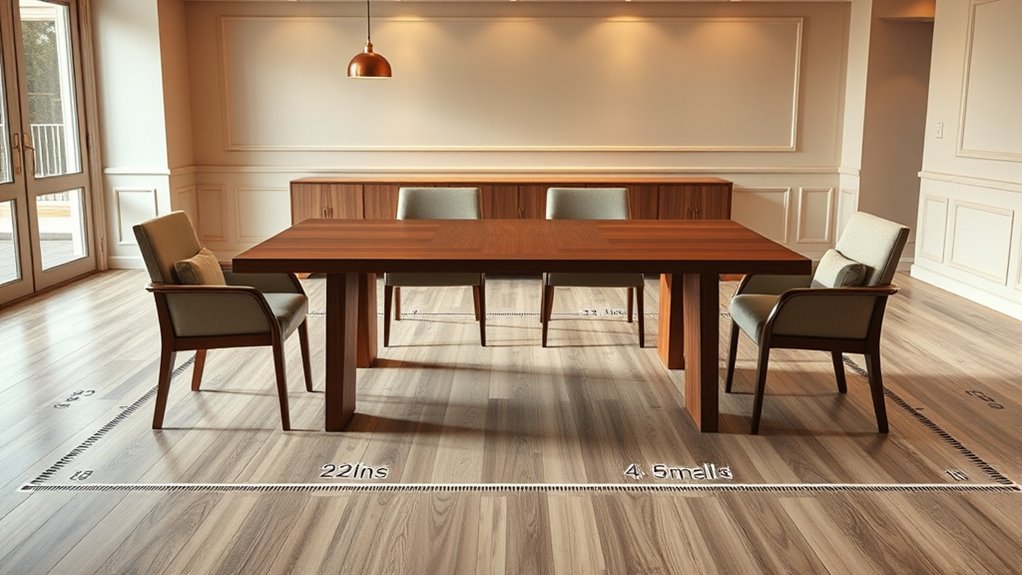
To make certain your dining table fits perfectly in your space, start by measuring the area carefully. Consider the room’s dimensions and leave enough space for comfortable movement, ideally 36-48 inches around the table. Take note of existing decorative accents and lighting arrangements, ensuring they won’t interfere with the table’s placement or function. When selecting a table size, account for the room’s layout and your seating needs, whether it’s for family dinners or entertaining guests. Use painter’s tape or chalk to outline the desired table size on the floor, helping you visualize its footprint. This step prevents buying a table that’s too big or small for your space. Proper measurement guarantees harmony between your furniture and room, creating a balanced, inviting dining area. Additionally, understanding space optimization techniques can help maximize your room’s functionality and aesthetic appeal.
Multi-Functional Tables for Versatile Dining and Living Areas
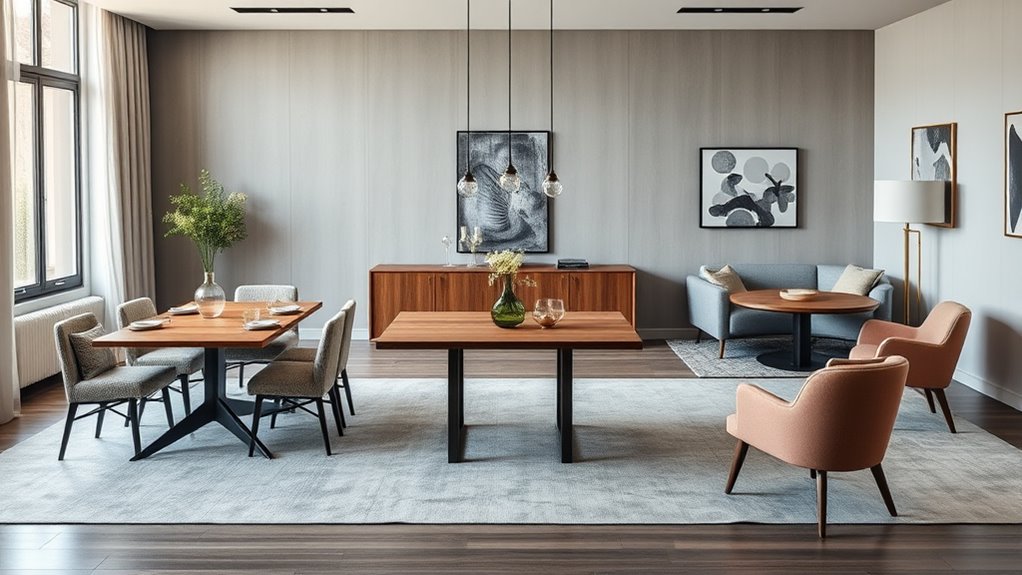
Multi-functional tables have become essential in maximizing space and functionality in modern homes. They seamlessly blend dining and living needs, making your space more versatile. You can choose from decorative table styles that complement your interior design, adding aesthetic appeal. Material choices like wood, glass, or metal influence durability and look, so pick what suits your lifestyle. Multi-purpose tables often feature extendable leaves, storage compartments, or foldable designs, perfect for small spaces. These options allow you to switch from a cozy dinner setup to a casual workspace effortlessly. Discover how versatile furniture can transform your home, providing style and practicality in one. Whether for hosting guests or daily use, multi-functional tables adapt to your needs while enhancing your room’s overall decor. Discovering your perfect table style can help you optimize both function and aesthetics in your space.
Frequently Asked Questions
How Do I Choose a Table Size for Irregular-Shaped Rooms?
When choosing a table size for irregular-shaped rooms, consider room shape considerations and furniture placement strategies. Measure available space carefully, leaving enough clearance for movement around the table. Opt for a table that fits comfortably within the room’s unique layout, possibly using a custom or extendable piece. You’ll want to balance functionality and aesthetics, ensuring the table complements the room’s shape while allowing easy access and maintaining a harmonious flow.
What Are the Best Materials for Small Dining Tables?
Choosing a small dining table is like picking the right tool for a job—your material matters. Opt for wood for timeless durability, metal for a sleek, modern look, or glass to make space feel open. Consider durability, as some materials withstand spills and scratches better. Light woods like oak or pine suit everyday use, while tempered glass offers elegance but needs careful maintenance. Pick what fits your style and lifestyle best.
How Do I Ensure Enough Clearance Around the Table?
To guarantee enough clearance around your dining table, follow clearance standards for comfortable movement, typically 36 to 48 inches between the table edge and walls or furniture. Focus on ergonomic spacing, so guests can sit and move easily without feeling cramped. Measure your space carefully before choosing a table size, and leave enough room for chairs to pull out comfortably, creating a welcoming and functional dining area.
Can a Table Be Resized After Purchase?
Yes, your table can often be resized after purchase if it features a table extension or is adjustable height. You can add leaves to extend the length, creating more seating, or lower and raise the height for versatile use. Just guarantee you follow the manufacturer’s instructions for safe adjustments, and check if your table’s design accommodates these modifications. This flexibility lets you adapt your space as needed.
What Are Space-Saving Options for Tiny Dining Areas?
In tiny dining areas, maximizing space can feel like a puzzle. Folding tables offer a sleek solution, easily stowing away when not in use. Extendable options let you adapt your table size for both everyday meals and gatherings, saving space while maintaining functionality. These versatile choices ensure you make the most of limited room, blending practicality with style, and transforming small spaces into cozy, efficient dining spots.
Conclusion
So, after all this talk about perfect sizes, remember that no table can truly save you from awkward family dinners or clumsy gatherings. Sometimes, no matter how carefully you measure or choose, the real challenge is fitting personalities—and leftovers—around the table. So go ahead, pick what feels right, and enjoy the chaos. After all, the best memories often happen when space is just a little too tight.