To remove red wine stains from table linens, act quickly by blotting the spill with a clean cloth and sprinkling salt to absorb the liquid. Rinse with cold water and apply a mixture of hydrogen peroxide and dish soap for stubborn stains. For dried stains, test treatments on hidden areas first, and consider using homemade solutions like lemon juice. If you’d like more detailed steps, you’ll find plenty of effective tips to restore your linens with care.

Get furniture and decor delivered free — and shop member deals
- Fast, free delivery on millions of items
- Access to Prime Big Deal Days deals on October 6–7
- Prime Video, Amazon Music and more included
Key Takeaways
- Blot fresh red wine stains immediately with a clean cloth, avoiding rubbing to prevent setting the stain.
- Sprinkle salt or apply a salt solution promptly to absorb excess wine and inhibit stain setting.
- Use cold water and gentle blotting for initial cleaning; test stain removers on hidden areas first.
- Apply a mixture of hydrogen peroxide and dish soap for stubborn or dried stains, then rinse thoroughly.
- For delicate linens, opt for natural remedies like lemon juice or white vinegar, and avoid harsh chemicals that may damage fibers.
red wine stain remover for fabrics
As an affiliate, we earn on qualifying purchases.
As an affiliate, we earn on qualifying purchases.
Understanding Red Wine Stains and Why They Set
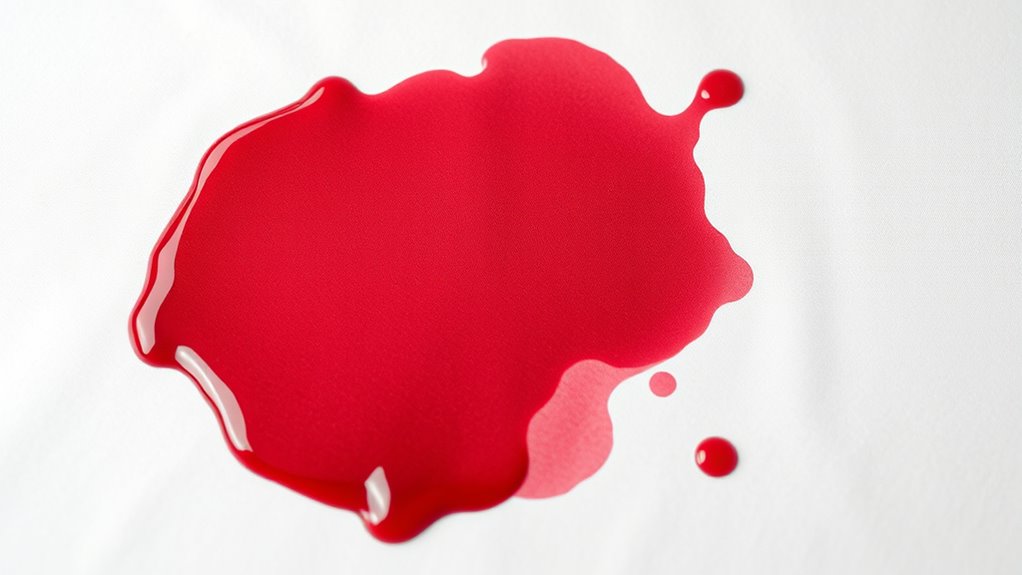
Red wine stains are particularly tricky because they contain tannins and pigments that easily bind to fabric fibers. Understanding wine chemistry helps explain why stains set so quickly. When wine hits fabric, the pigments—called anthocyanins—combine with tannins, creating a deep, stubborn stain. If not addressed promptly, the stain sets as the wine’s molecules bond tightly with fibers, making removal harder over time. The moment wine interacts with fabric, it begins to penetrate and bind, especially if exposed to heat or left untreated. Recognizing that a stain has set is *essential* because once the wine’s molecules are firmly attached, conventional cleaning becomes less effective. Acting swiftly prevents the stain from becoming permanent, but knowing why it sets guides you in choosing the right removal approach later. Additionally, the contrast ratio of the fabric and lighting conditions can influence how noticeable the stain appears once it has set, underscoring the importance of prompt action.
Immediate Steps to Take When Spilling Red Wine

As soon as you spill red wine, act quickly to prevent staining. Blot the spill gently with a clean cloth to lift as much liquid as possible. Then, sprinkle salt or apply a salt solution to absorb the remaining wine before it sets. Using an eye patch can also help soothe and hydrate the skin after cleaning to reduce any irritation.
Blotting the Spill Quickly
What’s the first step when you spill red wine on your table linen? You need to act fast and blot the stain immediately. Use a clean, absorbent cloth or paper towel to gently press on the spill, avoiding rubbing, which can push the wine deeper into the fabric. Different fabric textures react differently; delicate linens may require extra care, while sturdier textiles can handle more direct blotting. Quick action helps prevent the stain from setting, reducing the risk of stain longevity. The key is to remove as much liquid as possible without spreading it further. Cultural Impact of technology on artistic expression can influence the types of stains and fabrics used in modern table linens. By blotting promptly, you give yourself the best chance of minimizing damage and making subsequent stain removal easier. Time is your best ally in this initial step.
Applying Salt or Salt Solution
After blotting the spill to remove excess liquid, the next step is to apply salt or a salt solution directly onto the stain. Salt absorption helps prevent the stain from setting deeper into the fabric. As it soaks up the wine, it acts quickly to keep the stain from becoming permanent. Make sure to cover the entire red wine stain generously with salt. Allow it to sit for a few minutes to maximize absorption. This simple step can turn the tide in your favor, giving you precious time to treat the stain properly later. Remember, the sooner you act, the better your chances of saving your table linen from lasting damage. Don’t let stain setting defeat your efforts—take control with salt. Additionally, acting promptly with immediate treatments like salt can significantly improve your chances of successful stain removal by preventing stain fixation.
Using Salt to Absorb Fresh Red Wine Spills
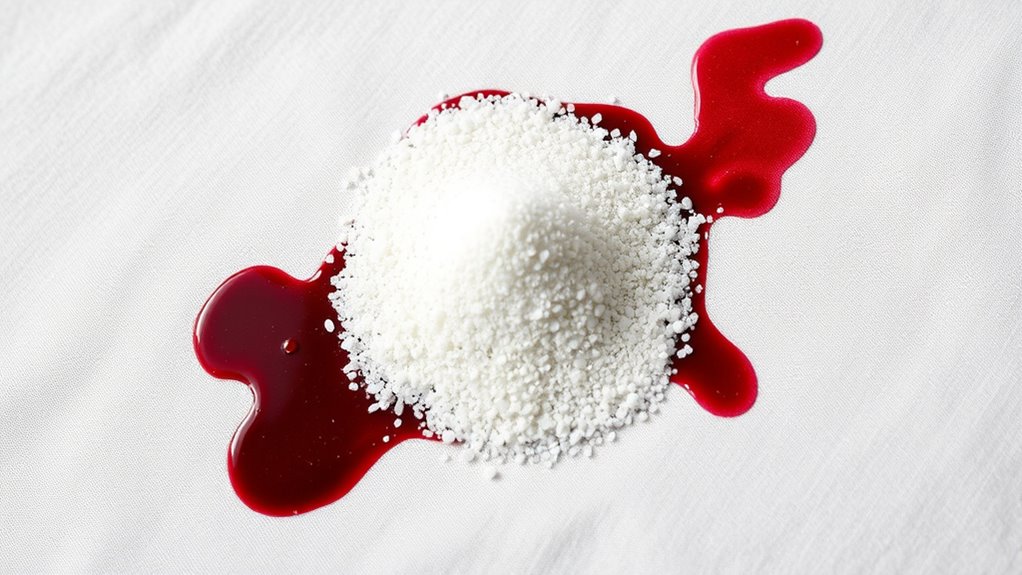
When red wine spills onto your table linen, acting quickly can make all the difference. Salt absorption is a simple yet effective method for fresh stain treatment. Immediately sprinkle a generous amount of salt directly onto the spill. The salt will start to absorb the wine, pulling the liquid away from the fabric. As the salt interacts with the wine, it forms a paste-like substance that lifts the stain. Let the salt sit for a few minutes to maximize absorption. Do not rub or scrub, as this can push the stain deeper. Once the salt has absorbed as much wine as possible, carefully brush it off or gently shake the linen. This quick action helps prevent the stain from setting and makes subsequent cleaning easier. Monitoring the process and applying robust safety measures can further ensure effective stain removal.
Applying Cold Water and Blotting for Initial Treatment

When a stain occurs, start by applying cold water immediately to prevent it from setting. Use a gentle blotting motion to lift the stain without spreading it or damaging the fabric. This quick, careful step can make a significant difference in the stain removal process. For tougher stains, consider using a stain remover designed for fabric testing the solution first to avoid any damage.
Immediate Cold Water Use
Have you ever noticed how quickly cold water can stop a stain from setting? When you treat a fresh stain immediately, cold water prevents it from sinking deeper into the fibers, reducing stain longevity. This step is vital for different fiber types, as some materials absorb stains faster and hold them longer. By applying cold water promptly, you give yourself a better chance of removing the stain completely. Additionally, understanding trust issues in relationships highlights the importance of quick, honest action to prevent further damage or misunderstandings.
- Feel the rush of relief knowing you’re taking control before it worsens
- Experience the confidence of acting fast and saving your linens
- Avoid the frustration of stubborn, set-in stains
- Protect delicate fibers that are sensitive to heat or harsh chemicals
- Keep your table linens vibrant and spotless for longer
Gentle Blotting Technique
To effectively begin stain removal, gently blot the affected area with a clean cloth or paper towel soaked in cold water. This gentle approach helps lift the stain without damaging fabric compatibility or reducing stain resistance. Avoid rubbing, which can push the stain deeper or cause fibers to fray. Use light pressure to absorb excess liquid and prevent spreading. If your linen is delicate, test the method on an inconspicuous spot first. For more durable fabrics, this initial blotting preserves the fabric’s integrity while loosening the stain. Cold water is essential because it prevents the stain from setting further. Additionally, understanding content ownership rights can be important if you plan to share or reproduce your stained linen images for tutorials or sales. By applying gentle blotting, you set a solid foundation for more targeted stain removal steps, ensuring your table linens stay in good condition.
Homemade Solutions for Stain Removal
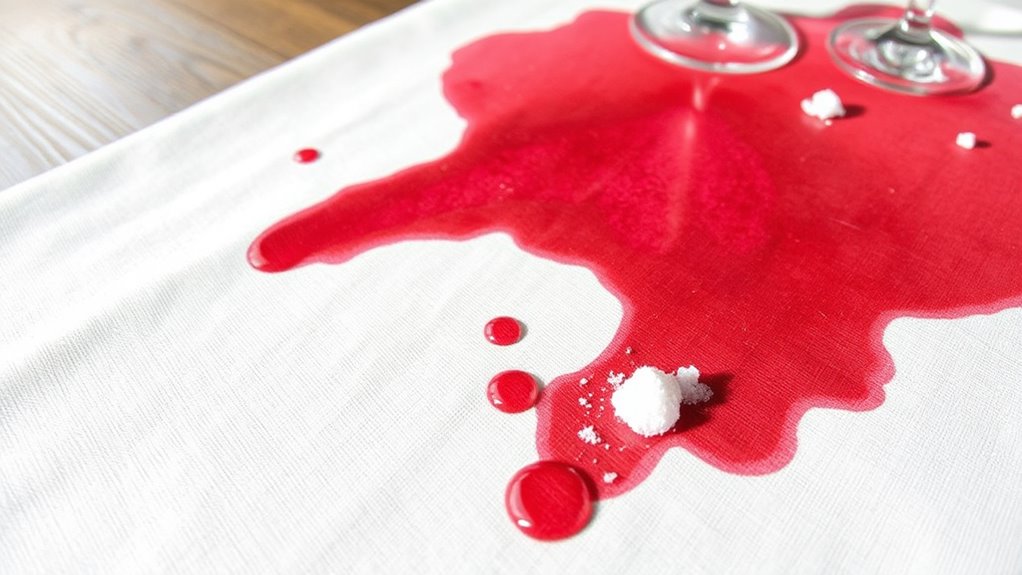
Homemade stain removers offer a practical and cost-effective way to tackle common spills on your table linens. By understanding fabric fibers and stain chemistry, you can choose effective solutions that preserve your linens’ quality. These natural remedies can break down stains before they set, saving you time and money. Incorporating ingredients like lemon juice or white vinegar can enhance stain removal effectiveness natural ingredients.
- Feel the satisfaction of rescuing a cherished tablecloth from stubborn wine or sauce stains
- Experience confidence in your ability to care for delicate fabrics at home
- Avoid harsh chemicals and their potential damage to fibers and the environment
- Enjoy the comforting scent of natural ingredients working together
- Gain peace of mind knowing you’re using safe, effective stain-fighting solutions
Homemade remedies empower you to keep your linens looking pristine, one stain at a time.
Commercial Stain Removers and How to Use Them Effectively

Choosing the right commercial stain remover is key to protecting your table linens, so consider the stain type and fabric. Applying the product correctly guarantees better results and prevents damage. Always follow safety precautions to keep yourself and your linens safe during the process. Proper application techniques can also help prevent fabric damage and ensure the stain is effectively removed.
Choosing the Right Product
Selecting the right commercial stain remover is essential for effectively treating different types of stains on your table linens. Consider your fabric textures and stain resistance to choose a product tailored to your needs. For delicate fabrics, opt for gentle solutions that won’t cause damage, while sturdier textiles can handle stronger treatments. Knowing the stain type helps you select the most effective remover, whether it’s for red wine or oily spots. Always read labels carefully to ensure compatibility with your linens. Using the wrong product can set stains or harm delicate fibers, making cleaning more difficult.
Here are some key tips to guide your choice:
- Feel confident in your ability to fight stubborn stains
- Protect your textiles from damage with the right product
- Preserve the beauty and texture of your linens
- Achieve spotless results every time
- Enjoy a cleaner, more vibrant table setting
Application Techniques
Once you’ve picked the right stain remover for your linens, applying it correctly is key to maximizing its effectiveness. Start by testing the product on a hidden area, considering fabric texture and stain color. Gently blot, don’t rub, to prevent damage. For best results, guarantee the stain remover penetrates deep into the fibers, especially with textured fabrics. Use the following table as a guide:
| Fabric Texture | Stain Color | Application Tip |
|---|---|---|
| Smooth | Light | Apply directly, blot lightly |
| Textured | Dark | Use a soft brush or cloth |
| Delicate | Bright | Dab carefully, avoid overuse |
Proper application preserves fabric integrity and ensures the stain is effectively lifted.
Safety Precautions
Although commercial stain removers are highly effective, you must handle them with care to prevent accidents or damage to your linens, skin, and eyes. Always follow the manufacturer’s instructions and use handling precautions to ensure chemical safety. Wear gloves and eye protection to avoid skin irritation or eye injury. Work in a well-ventilated area to prevent inhaling fumes. Store stain removers out of children’s reach and away from food. Remember, these chemicals can cause burns or allergic reactions if mishandled.
Stay alert and respectful of their potency. Your safety is just as important as restoring your linens.
- Feel the rush of relief when stains vanish, knowing you avoided harm
- Protect your loved ones from accidental exposure
- Gain confidence with proper handling techniques
- Keep your linens pristine without risking your health
- Master stain removal safely and effectively
The Role of Hydrogen Peroxide and Dish Soap Mixtures

Hydrogen peroxide combined with dish soap creates a powerful stain-fighting mixture that can effectively lift tough stains from table linens. The hydrogen peroxide acts as a mild bleaching agent, breaking down stubborn pigments like red wine. When mixed with dish soap, it enhances cleaning power by breaking down grease and organic residues that often accompany wine stains. To use this remedy, mix equal parts hydrogen peroxide and dish soap in a small container. Apply the mixture directly onto the stain, gently working it in with a soft cloth or sponge. Let it sit for a few minutes before rinsing thoroughly with cold water. This combination is especially effective on fresh stains and can help restore your linens without causing damage when used properly.
How to Treat Dried Red Wine Stains on Different Fabrics
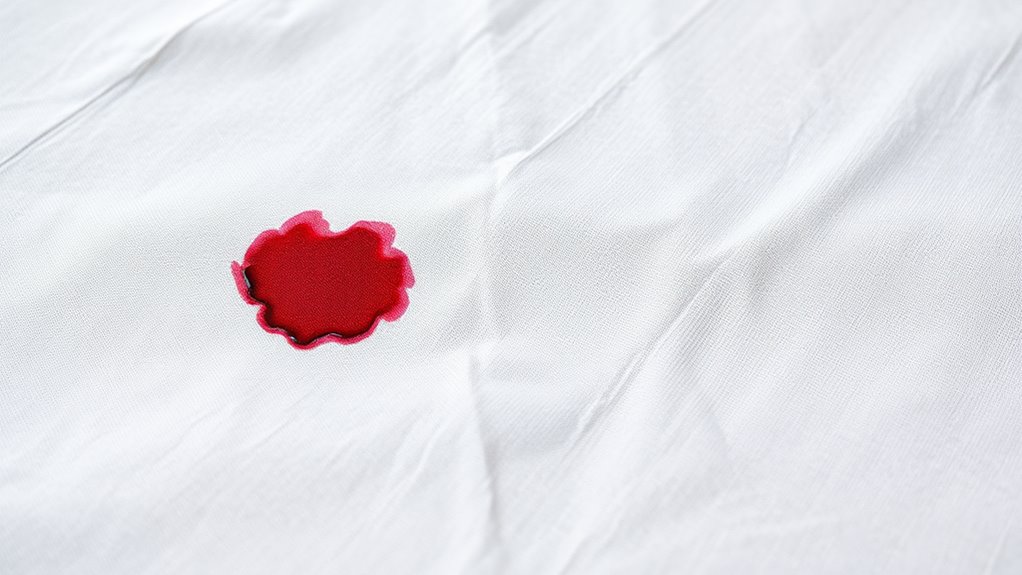
Dried red wine stains can be challenging to remove, especially since they set into fabrics over time. Different fabric blends and stain colors require tailored approaches to avoid damage or discoloration. To tackle dried stains effectively:
- Act quickly to prevent deep setting.
- Test stain removers on hidden fabric areas first.
- Use cold water for delicate or synthetic blends.
- For stubborn stains, try a mixture of salt or baking soda.
- Always check the stain color and fabric type before applying harsh chemicals.
Preventative Tips to Minimize Future Stain Damage

Taking proactive steps can considerably reduce the chances of staining your table linens in the first place. One effective method is selecting fabrics with dyeing properties that resist stains, making stain prevention easier over time. When shopping, look for linens with tight weaves and treated finishes that repel liquids and spills. Applying a fabric protector spray can add an extra barrier against stains, especially for high-risk items like white or light-colored linens. Additionally, prompt action during spills minimizes the chance of permanent damage. Teaching everyone at your table to be cautious with red wine and other stain-prone foods helps, too. By understanding fabric dyeing qualities and practicing prevention, you can keep your linens looking pristine longer, reducing the need for intensive stain removal later.
Tips for Washing and Caring for Your Linen After Treatment
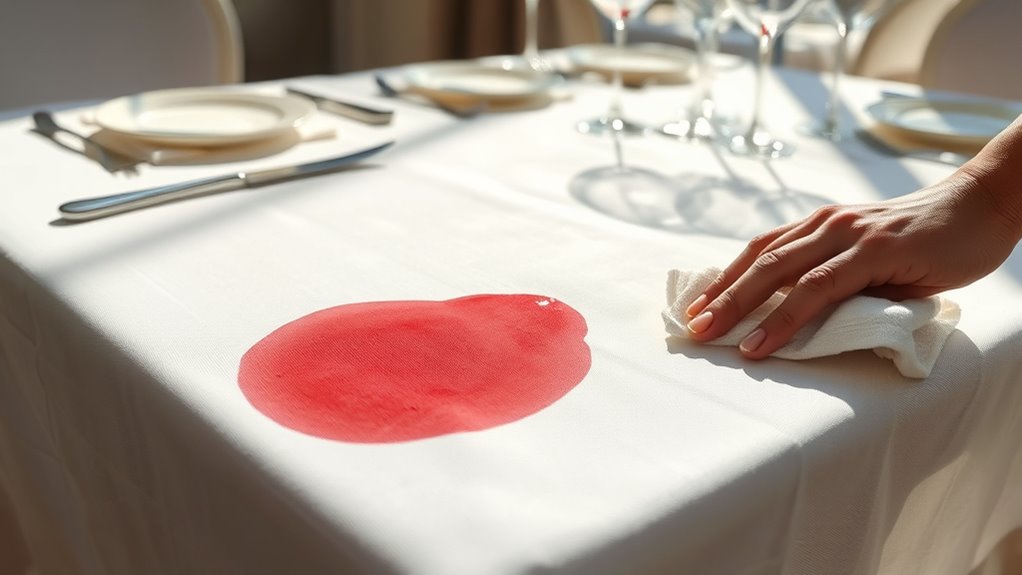
After treating your linens for stains, proper washing and care are essential to preserve their appearance and longevity. Use gentle detergents and avoid overloading the machine to prevent damage. Consider adding fabric softeners to keep linens soft and comfortable, but skip them if stain prevention was your priority, as they can sometimes hinder stain removal. Always wash stained areas separately to avoid spreading stains. Rinse thoroughly to remove any residual cleaning agents that could cause discoloration. Air-dry linens whenever possible to prevent fabric weakening from high heat. Regularly inspect your linens for signs of wear, and handle delicate fabrics with extra care. Proper care guarantees your linens stay vibrant, fresh, and ready for your next special occasion.
Frequently Asked Questions
Can Red Wine Stains Be Completely Removed From Delicate Linens?
Red wine stains can often be completely removed from delicate fabric if you act quickly. You should blot the stain gently and avoid rubbing, which can worsen stain persistence. Use cold water and a gentle stain remover suitable for delicate linens. While some stains may linger, prompt and careful treatment considerably increases your chances of restoring your linens to their original condition. Persistence and proper care are key.
Are There Natural Alternatives to Commercial Stain Removers?
Think of stain removal as a gentle gardener tending to delicate flowers. You can easily use homemade solutions like baking soda and white vinegar, which act as eco-friendly options to lift red wine stains from linens. These natural remedies are safe for your fabrics and the environment, making your cleaning routine more sustainable. By trying these alternatives, you nurture both your linens and the planet, creating a win-win situation for all.
How Long Should I Wait Before Washing a Treated Red Wine Stain?
You should wait at least 15 to 30 minutes before washing a treated red wine stain to allow the stain remover to work effectively. This drying time helps prevent the stain from setting further, making it easier to remove. Avoid drying the linen with heat, as it can cause the stain to set permanently. Be patient and check the stain before washing to make sure it’s fully lifted.
Will Using Hot Water Set the Red Wine Stain Further?
Using hot water on a red wine stain risks setting the stain further, making it much harder to remove. Hot water can cause proteins and pigments to bond with the fabric, increasing stain setting. To avoid this, always use cold or lukewarm water when treating red wine stains. This gentle approach helps lift the stain without reinforcing it, giving you a better chance of full removal.
Can Repeated Stain Treatments Damage or Weaken the Fabric?
Repeated stain treatments can weaken your fabric over time, making it more prone to tearing or fraying. If you don’t address stain persistence early, you might have to scrub harder or use harsher chemicals, which can cause additional damage. To protect your table linens, treat stains promptly with gentle methods and avoid excessive rubbing. This approach helps prevent fabric weakening and keeps your linens looking fresh and intact.
Conclusion
Remember, a stitch in time saves nine—address red wine stains promptly to prevent them from setting permanently. With quick action and the right homemade solutions, you can keep your table linens looking pristine. Always treat stains as soon as possible, and don’t forget to protect your fabrics in the future. As the saying goes, “An ounce of prevention is worth a pound of cure,” so handle spills with care and confidence.
Fall Picks
fall essentials
As an affiliate, we earn on qualifying purchases.