TL;DR

Get furniture and decor delivered free with Prime
- Fast, free delivery on millions of items
- Prime Video, Amazon Music and more included
- Member-only deals all year
House Beautiful published a guide to 33 plants suited to bedroom settings, from low-light choices such as cast iron and ZZ plants to sun-loving lavender and pilea. The guide describes care needs and appearance; it does not establish that bedroom plants or live lavender improve sleep.
House Beautiful has published a guide to 33 bedroom plants, grouping indoor varieties by qualities such as light tolerance, watering needs and growth habit. The list offers readers options for different bedroom conditions, but its description of plants as calming is an editorial framing, not evidence that the plants improve sleep or health.
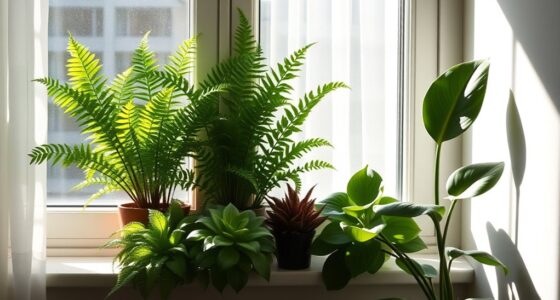
The recommendations range from plants that tolerate low light to varieties that need a bright window. The cast iron plant, aglaonema, snake plant, pothos and ZZ plant are among those described as able to cope with dimmer rooms. For brighter spaces, the guide names pilea, lavender, monstera and bird of paradise, while noting that lavender needs strong light to grow indoors.
The guide also emphasizes differences in care routines. Succulents such as snake plant and ponytail palm can go longer between watering, while the prayer plant is described through the movement of its leaves, which fold upward at night. Pothos and heartleaf philodendron offer trailing foliage; the parlor palm, peace lily and bird of paradise provide upright or fuller shapes.
Several entries include practical caveats. Wax plants prefer higher humidity, and the guide says a live lavender plant should be placed on a sunny windowsill or grown under a light. It describes the nerve plant as safe for pets and the cast iron plant as non-toxic to people, cats and dogs; those safety statements apply to the named plants, not necessarily to every variety on the list.
Matching Plants to Bedroom Conditions
The list’s practical value is that it connects plant choice with conditions readers can check at home: available light, humidity and willingness to water. A low-light room may suit a ZZ plant or aglaonema better than lavender, while a sunny sill can support choices that need brighter conditions. This can help readers avoid selecting a plant based only on appearance.
The calming description should be read as a design cue rather than a medical promise. Greenery can change the look and feel of a room, but the supplied guide does not present clinical evidence that keeping these plants in a bedroom leads to better sleep. Readers with pets should also verify the safety of a specific plant before bringing it home.
Products Worth Considering

Philips Hue Smart Light Starter Kit with Bridge and 4 White and Color A19 Bulbs

Philips Hue Festavia Globe Outdoor String Lights, 8 Bulbs, 22 ft

eufy Security Essential Alarm System, 7-Piece
As an affiliate, we earn on qualifying purchases.
Care Depends on Light and Water
House Beautiful’s source article presents 33 options, though the supplied material includes detailed descriptions for the first 20. Its recommendations include familiar houseplants alongside less common choices, such as ric rac cactus and bird’s nest fern. The descriptions focus on general indoor care rather than a single planting method or room design.
Care instructions are not identical across species. Some entries suggest waiting until the top inch or several inches of soil feel dry; others call for soil to remain slightly moist or for water to be changed weekly when lucky bamboo is grown in water. The source also notes that indoor flowering is limited for bird of paradise, even though it can flower outdoors.
Sleep Benefits Are Not Established
The source material does not provide a publication date, research citations for the full list, or evidence that bedroom plants as a group produce a calming or sleep-improving effect. Its lavender entry specifically distinguishes research on essential oils from the uncertain effect of keeping a live plant nearby. The article also does not give detailed care instructions for all 33 plants in the material supplied here.
Plant toxicity can vary by species and cultivar, and the source gives explicit safety notes for only some entries. Readers should check reliable, plant-specific guidance before placing a plant where children or pets can reach it. The source does not compare costs, air-quality effects or the suitability of the plants for people with allergies.
Check Conditions Before Buying
The source offers no announced follow-up or later milestone. For readers using the list, the next step is to compare a bedroom’s light and humidity with the needs of a particular plant, then follow care guidance for that species. Pet owners can confirm toxicity information before purchase, and anyone choosing lavender should have a suitably bright location.
Key Questions
Does the guide show that bedroom plants improve sleep?
No. The supplied source describes plants as calming but does not establish a sleep benefit. It says research on lavender has focused on essential oils, and that the effect of a live lavender plant in a bedroom is uncertain.
Which plants in the list tolerate low light?
The guide names cast iron plant, aglaonema, snake plant, pothos and ZZ plant among options that can handle lower light. Exact results depend on the room and the plant’s conditions.
Which plants need a bright bedroom window?
The source says lavender needs bright light and recommends a sunny windowsill or a grow light. Pilea is also described as suited to a sunny bedroom with bright, indirect light.
Are all 33 plants safe around pets?
No such claim is made. The source specifically calls the nerve plant pet-safe and says the cast iron plant is non-toxic to cats and dogs, but it does not provide the same assurance for every listed plant.
Source: housebeautiful.com