TL;DR
Interior designers say a guest bedroom can feel more luxurious through thoughtful details, not just expensive furniture. Their suggestions include accessible lighting, layered textures, quality linens, storage and amenities that help visitors settle in.
Interior designers are recommending eight ways to make a guest bedroom feel more polished and welcoming, including layered patterns, adjustable bedside lights, quality bedding and space for visitors to unpack. The advice, compiled from designers including Caroline Walker, Roger Higgins and CeCe Barfield Thompson, frames luxury as a combination of comfort, useful amenities and considered design, rather than a matter of furnishing cost alone.

Get furniture and decor delivered free with Prime
- Fast, free delivery on millions of items
- Prime Video, Amazon Music and more included
- Member-only deals all year
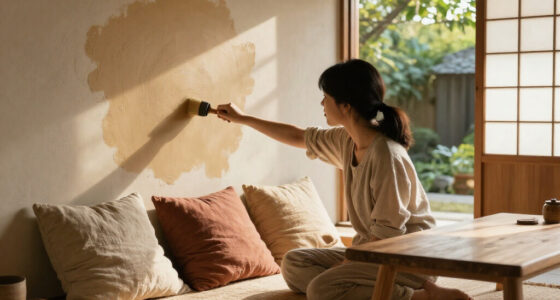
Walker recommends combining wallpaper and textiles across different parts of a room to introduce pattern and texture. For her own guest room, she drew on nostalgic references and used Spoonflower wallpaper and fabrics in butter yellow and green. Her advice is to make a distinctive space without letting the pattern overwhelm it. “Guest bedrooms provide an opportunity to step outside your comfort zone with bolder choices and create spaces that feel special for loved ones,” Walker says.
Lighting and layout can make a small room more usable, according to the examples in the source. Designer Miles Redd used adjustable sconces beside a bed, giving guests a reachable light for reading. Alan and Jess Weeth of Weeth Home suggest treating the room as more than a place to sleep: when space permits, an armchair or small desk can provide a spot to read, take a call or get ready.
Other recommendations focus on the guest’s practical needs. Higgins suggests fresh flowers, current magazines, a luggage rack, pillows with different levels of firmness, and easy-to-find Wi-Fi details and phone chargers. Ashton Taylor Oberhauser advises investing in comfortable linens and storage with drawers or shelving, so visitors have somewhere to put their belongings. Barfield Thompson adds matching hangers, hanging space, an extra blanket, a foam pillow option, a water carafe and reading material. These are designers’ recommendations, not a tested ranking of products or a guarantee that a room will feel luxurious to every guest.
Make guests feel at home with thoughtful details
Designers say a more luxurious guest room comes from comfort, useful amenities and considered design—not just expensive furniture.
Set the mood
Make the room feel special while keeping it restful.
Layer with care
Pair wallpaper and textiles for texture, balancing bold choices with calm.
Keep light within reach
Adjustable bedside sconces give guests an easy reading light.
Add another purpose
When space allows, an armchair or small desk creates a place to read, take a call or get ready.
Make settling in easy
Small practical touches help visitors feel prepared and comfortable.
Set out Wi-Fi details, a phone charger, water and reading material.
Clear drawer or shelf space, add hangers and provide a luggage rack when useful.
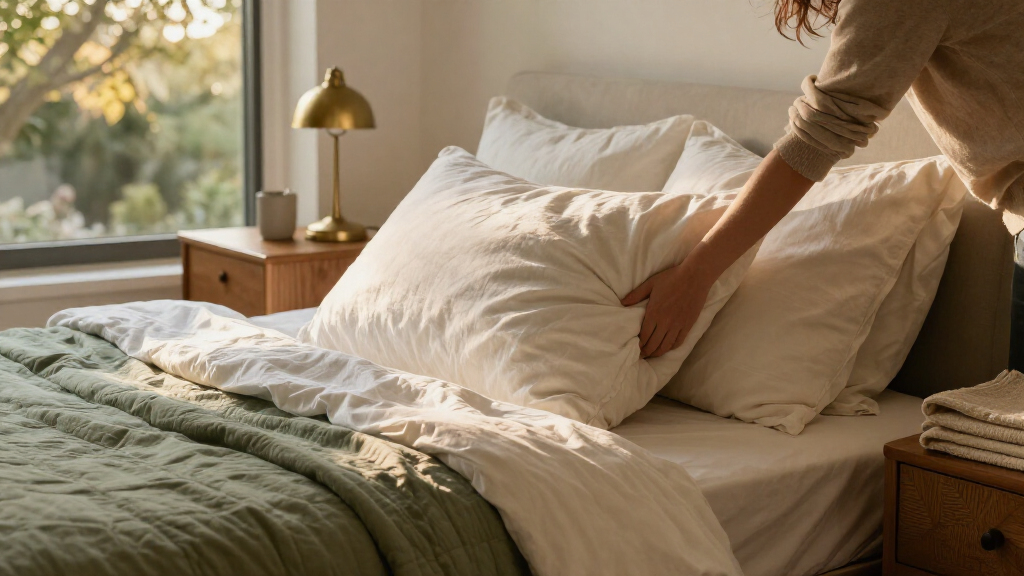
Use quality linens and provide pillows with different firmness, plus an extra blanket.
Adapt to the room
Choose additions that fit the layout and the people staying there.
- Prioritize clear access around the bed
- Consider a luggage rack or wall-mounted light
- Add a desk or chair only when the layout allows
- Make storage easy to find and use
- Keep patterns and textures restful
- Prepare practical amenities before arrival
A design guide, not a guarantee
These are designers’ recommendations, not a tested ranking; the right choices depend on the room, budget and guests.
Hospitality Beyond the Decor
The advice shifts attention from showpiece furniture to the details that determine whether a visitor can sleep comfortably and settle in. A reading light within reach, a place for luggage and a charger that does not need to be requested can make a room easier to use, while bedding choices can accommodate different preferences.
That approach may also help homeowners working with a small room or limited budget. The designers do not prescribe a renovation or a specific price point; several of their suggestions are about access, organization and preparation. Their central point is that a welcoming stay depends on function as well as appearance.
Products Worth Considering

Roborock Q7 M5+ Robot Vacuum and Mop with Self-Emptying Dock

Dyson V15 Detect Cordless Vacuum

Dyson V9 Motorbar Cordless Vacuum
As an affiliate, we earn on qualifying purchases.
Eight Ideas for Guest Rooms
The source presents eight design approaches: use nostalgic patterns; plan a layered lighting scheme; create a multipurpose layout; add hospitality amenities; use texture thoughtfully; invest in linens and storage; and attend to practical details such as hangers, blankets and water. It also emphasizes balancing visual interest with calm. Elizabeth Bennett and Mallory Robins of KOBEL + CO describe an effective guest room as having enough detail to feel considered while remaining restful.
The examples include Walker’s patterned room and Redd’s bedside sconces, but the source does not give measurements, product prices or a full account of each project. The guidance is best understood as expert design advice, with choices to adapt to the size and needs of a particular home and its visitors.
“Guest bedrooms provide an opportunity to step outside your comfort zone with bolder choices and create spaces that feel special for loved ones.”
— Caroline Walker, interior designer
Advice, Not a Design Test
The source offers individual designers’ opinions and project examples; it does not report consumer research, compare the cost of the ideas or establish that any one change will make a room feel more expensive to all visitors. It also does not specify the dimensions or budgets of the rooms shown, so readers cannot tell from the article alone which suggestions will fit a particular space.
There is no single prescribed combination. The appropriate amount of pattern, storage or furniture depends on the room and its intended use. The source’s advice on texture also cautions against adding so much visual detail that a sleeping space becomes less restful.
Adapting the Ideas at Home
The designers’ guidance leaves the next steps to homeowners: assess what guests need first, then choose changes that fit the room. That could mean improving bedside lighting, clearing a drawer or closet section, upgrading sheets, or setting out Wi-Fi details and a charger before a visit. For smaller rooms, a luggage rack or wall-mounted light may be more practical than adding furniture.
The source does not announce a product launch, renovation plan or follow-up study. Its recommendations are a general design guide; how they work in an individual home will depend on its layout, budget and the preferences of the people staying there.
Key Questions
What makes a guest bedroom feel more luxurious, according to the designers?
The designers emphasize comfortable linens, useful storage, accessible lighting and thoughtful amenities. They also recommend combining textures and patterns without making the room feel visually busy.
Can a small guest room include a seating or work area?
The Weeths suggest adding an armchair or small desk when the layout allows. The source does not say every small room should include one; available space and clear access around the bed matter.
Which practical items do designers recommend leaving for guests?
Suggestions include a luggage rack, phone charger, Wi-Fi information, water carafe, extra blanket and pillows with different firmness options. Higgins also recommends fresh flowers and reading material.
Do the recommendations require expensive furniture?
No price comparison is provided. Several suggestions focus on preparation and function, such as providing hangers, clearing storage space and making lighting easy to reach, rather than buying costly furnishings.
Source: veranda.com