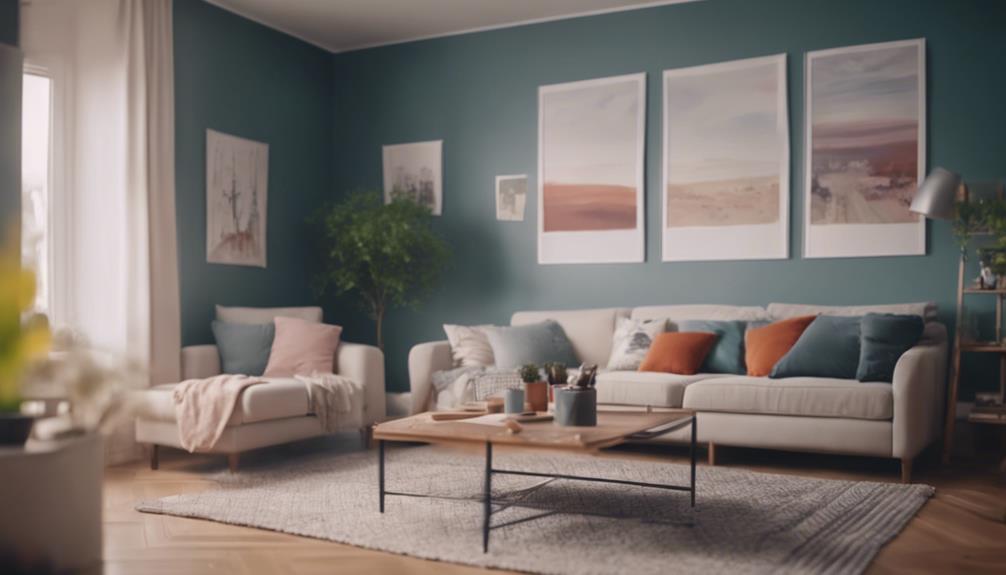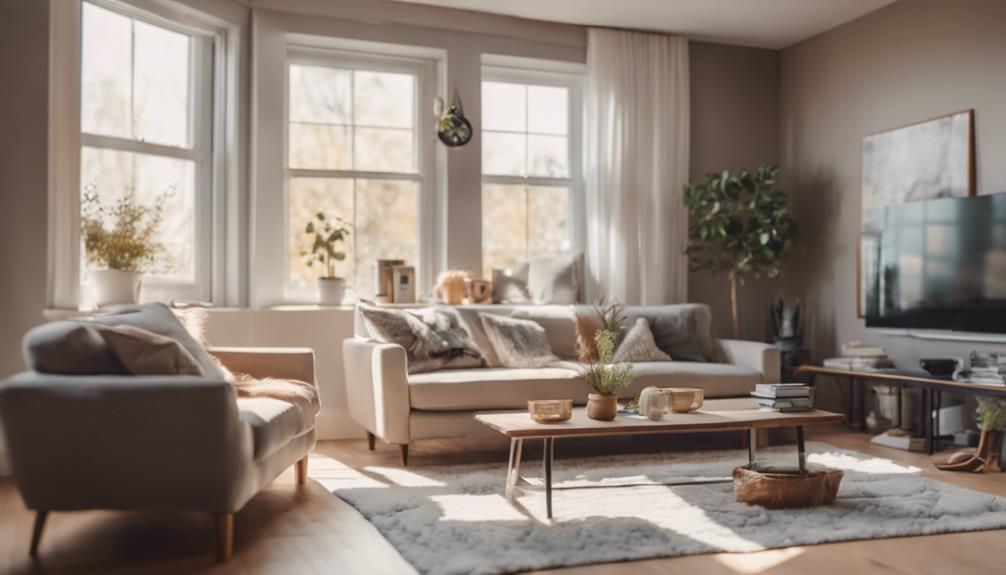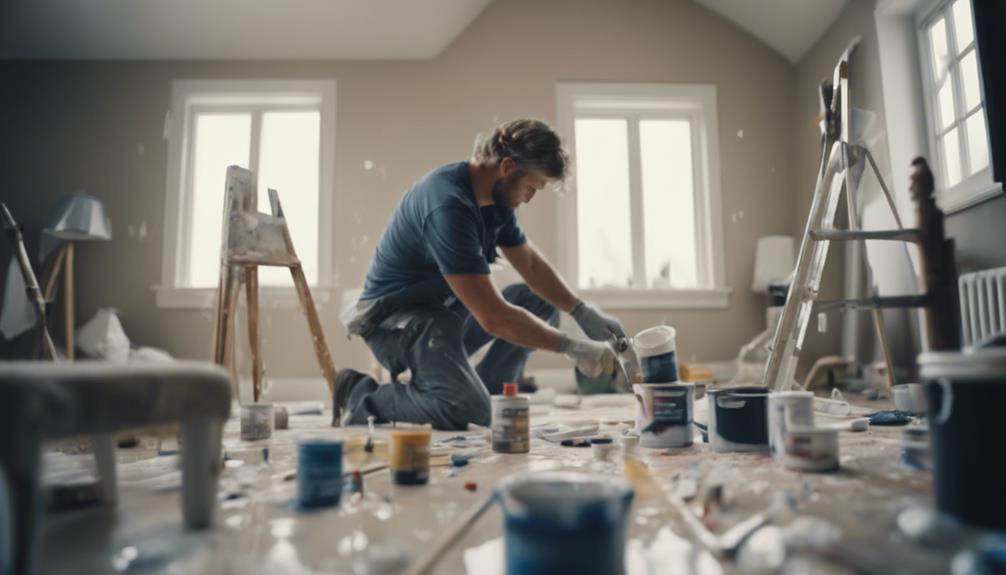
To estimate the cost of painting the inside of your home, anticipate spending between $2.75 and $4.69 per square foot. Factors such as walls, trim, ceilings, and the size of the room all play a role in determining the overall costs. Higher ceilings or detailed trim work can lead to higher expenses. The quality of the paint used and any necessary wall repairs will also impact the final price. Prices for painting bedrooms typically range from $375 to $1,200, while living rooms can vary from $600 to $2,000. Ceilings generally cost between $1 and $2 per square foot, while trim work can range from $1 to $3 per square foot. Taking into account labor costs, paint quality, and the size of the room will help in providing accurate cost estimates. For a more thorough breakdown, consider exploring the various factors that can affect the cost of interior painting.
Key Takeaways
- Interior painting costs vary based on room size, paint quality, and labor rates.
- Factors like wall, trim, and ceiling painting influence overall expenses.
- Professional painters can cost $20 to $50 per hour, potentially saving money.
- DIY painting typically costs $200 to $300 for supplies.
- Quality paint and proper preparation are essential for a durable and aesthetically pleasing finish.

TIMELESS PIECES Metal Wardrobe Cabinets,Armoire Wardrobe Closet with Hanging Rod,Clothes Storage Cabinet with Adjustable Shelves and Doors,Clothing Cabinet for Bedroom,Office, Laundry Room
Oversized Storage Space:The inside of the wardrobe closet is really roomy. There's a dedicated area for the hanging...
As an affiliate, we earn on qualifying purchases.
Average Interior Painting Cost Breakdown
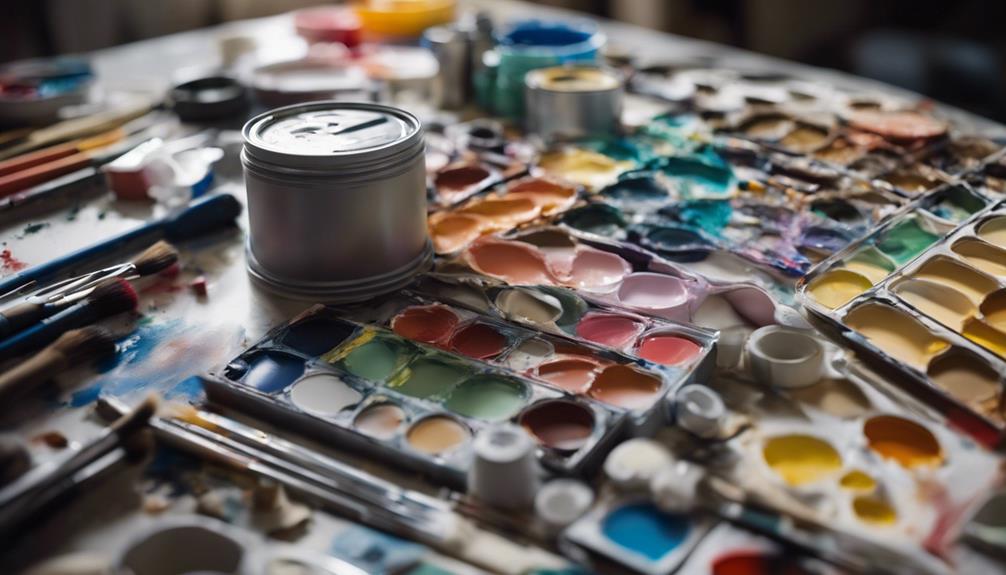
When considering the average cost breakdown of interior painting, it's crucial to factor in various elements such as walls, trim, and ceilings. The cost of painting per square foot for interiors typically ranges around $2.75. However, when including walls, trim, and ceilings, this cost can increase to approximately $4.69 per square foot.
Factors like ceiling height, the intricacy of trim work, and the condition of the surfaces can all influence the final cost of interior painting. Additionally, labor rates, the size of your home, and regional pricing disparities play a significant role in determining the overall expense.
For instance, if your ceilings are higher than standard, expect the cost to be higher due to the additional work required. Furthermore, labor rates can vary, impacting the total cost. Consider these factors when planning for interior painting to establish an accurate budget that reflects the specific needs of your project.
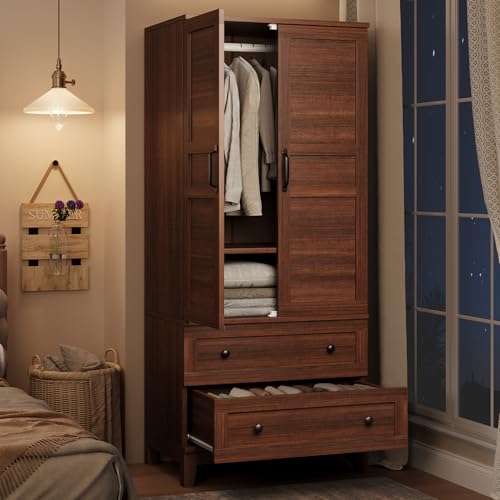
GarveeHome Armoire Wardrobe Closet with 2 Drawers,72 in Wooden Wardrobe Cabinet with Hanging Rod, Tall Clothing Armoire Cabinet with Doors and 18 Adjustable Shelves for Bedroom, Clothes,Walunt Brown
Armoire Wardrobe with DIY Adjustable Shelf: This wooden armoire cabinet offers 2 sturdy doors and 1 adjustable shelf...
As an affiliate, we earn on qualifying purchases.
Calculating Interior Painting Expenses
To calculate your interior painting expenses accurately, consider various factors that influence the overall cost. When estimating costs, take into account labor rates, room height, and the extent of wall repairs needed. Additionally, the quality of paint you choose and the ease of access to the painting area will impact your total expenses greatly.
Here are three key points to help you calculate your interior painting costs effectively:
- Labor Rates: Labor costs can vary based on location and the complexity of the job. Get quotes from multiple painters to compare prices.
- Quality Paint: Investing in high-quality paint may seem pricier initially but can save you money in the long run due to better coverage and durability.
- Wall Repair and Priming: Properly preparing your walls by repairing any damages and applying primer can ensure a smoother finish and help the paint last longer. Remember to include these costs in your calculations.

ANCTOR 3 Door Armoire Wardrobe Closet with Mirror, Large Wardrobe Closet with Doors, White Armoire for Bedroom with Hanging Rods & Shelves for Long Clothing, Short Clothing and Stacking, Modern
White Wardrobe Closet Size: 67.1"H x 47.2"W x 22.5"D
As an affiliate, we earn on qualifying purchases.
Interior Painting Cost Factors
When contemplating the cost to paint your interior house, several key factors can influence the overall expenses.
The type of paint chosen for the project, the size of the rooms being painted, and the varying labor rates are all crucial elements to take into account.
These factors can greatly impact the total cost of your interior painting project, so it's vital to factor them in when planning your budget.
Paint Type Impact
Premium paint types can greatly impact the cost of painting the interior of your house, potentially increasing expenses by $2 to $6 per gallon. When considering paint types for your project, keep in mind the following factors:
- Low-VOC or No-VOC paints can add $20 to $80 per gallon to the overall cost.
- High-quality paint brands like Sherwin-Williams or Benjamin Moore can raise costs by $30 to $70 per gallon.
- Opting for specialty finishes like metallic or textured paints might increase the project cost by $2 to $8 per square foot.
Choosing eco-friendly paints can also lead to a 10% to 20% increase in total painting expenses. Be mindful of these paint type variations as you plan your interior painting budget.
Room Size Factor
Considering room size is important when determining the cost of painting the interior of your house, as it directly impacts the amount of paint and labor required for the project. Costs per square foot may vary based on the size of the room, with larger rooms generally costing more to paint. Larger rooms with higher ceilings can lead to additional expenses due to the increased surface area that needs to be covered.
The dimensions of the room, such as length, width, and height, play an important role in estimating the required paint and labor. Room size plays a key role in influencing the overall cost estimate for interior painting projects, with square footage being a key factor in pricing calculations.
Labor Costs Vary
Labor costs for interior painting projects can vary greatly based on factors such as project complexity, wall height, and prep work involved. When considering labor costs for your interior painting project, keep in mind the following factors:
- Project Complexity: The intricacy of the design or the number of walls to be painted can affect labor costs.
- Wall Height: High ceilings may require special equipment and more time, leading to higher labor costs.
- Prep Work: Extensive prep work, such as filling holes or sanding surfaces, can increase the hours needed for the project, impacting labor costs.

Aheaplus Closet Drawers System, 21.3" Wood Closet Organizer System with 4 Drawers, Modular Walk-in Closet System Storage Unit, Small Closets Wardrobe Rack, Tall Storage Cabinet Unit, White
【Closet System with 4 Drawers】This wooden closet system includes 4 durable wooden drawers for maximizing private storage. Unlike...
As an affiliate, we earn on qualifying purchases.
Interior Painting Costs by Room
When considering interior painting costs by room, two key points to remember are:
- The impact of room size on the final cost. Larger rooms typically require more paint and labor.
- The quality of paint chosen. It can affect both the price and the longevity of the paint job.
Room Size Impact
To evaluate the impact of room size on interior painting costs, you must take into account the dimensions and intricacies of each space. When it comes to painting different rooms in your house, the size and features play a significant role in determining the overall cost.
Here's how room size impacts painting costs:
- Bedroom: Costs range from $375 to $1,200, influenced by the room's size and complexity.
- Living Room: Prices vary between $600 and $2,000, with factors like trim and ceiling height affecting the total cost.
- Bathroom: Smaller spaces cost around $150 to $400 to paint, but intricate features may increase the expenses.
Consider these factors when planning your interior painting project to guarantee an accurate budget estimation.
Quality of Paint
Investing in high-quality paint for your interior painting project can greatly impact the overall cost, ensuring better coverage and durability. High-quality paint, though pricier initially, can result in long-lasting results. Premium paints often require fewer coats, potentially cutting down on labor costs.
The paint quality you choose can affect the paint coverage, with better paints offering a smoother finish. Additionally, selecting the right paint sheen and type for each room is important, as it can influence both the final appearance of the project and the overall cost.
Cost of Painting Interior Surfaces
The cost of painting interior surfaces can vary depending on the type of surface and the desired finish. Here are some average costs per square foot for different interior surfaces:
- Walls: Typically, painting walls costs between $1 to $2 per square foot.
- Ceilings: Painting ceilings generally falls in the range of $1 to $2 per square foot.
- Trim: Painting trim ranges from $1 to $3 per square foot.
Additionally, unique features like accent walls can increase your budget by 20% to 30%. If you have textured walls that need to be smoothed out before painting, this process can lead to a 50% increase in painting costs. Consider these factors when planning your interior painting project to make sure you budget accordingly and achieve the desired results within your financial means.
Savings Tips for Interior Painting
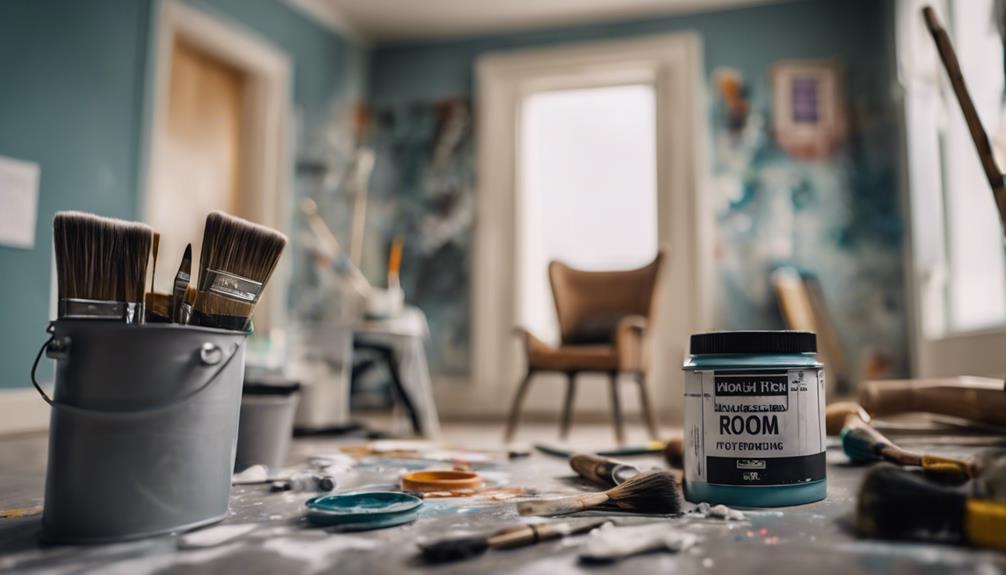
Considering the cost-saving benefits of off-season painting and eco-friendly paint options, explore these practical tips to save on your interior painting project.
Opting for low-VOC paint not only reduces harmful fumes but also lessens the environmental impact. During winter projects, guarantee proper ventilation to minimize fumes and maintain air quality.
Hiring local professional painters ensures quality workmanship and fair pricing. To save on costs, get multiple quotes from different painters and negotiate prices to find the best deal.
Off-season painting, typically from November to February, can help lower expenses due to decreased demand. By implementing these strategies, you can achieve savings while still obtaining high-quality results for your interior painting project.
Hiring a Professional Vs. DIY

For deciding between hiring a professional painter or tackling the job yourself, evaluate your budget and expertise level before making a choice.
When it comes to painting your interior house, consider the following:
- Costs: Hiring a professional can range from $20 to $50 per hour for labor, while a DIY approach typically costs between $200 and $300 for supplies, potentially saving you money.
- Expertise and Efficiency: Professional painters bring expertise and efficiency to the job, ensuring a high-quality finish that may be challenging to achieve on your own.
- Time and Skill Level: DIY painting requires purchasing materials and investing your time. Consider your skill level and the desired quality of the outcome when deciding whether to hire a professional or do it yourself.
Frequently Asked Questions
What Is the Average Cost to Paint the Inside of a 1500 Square Foot Home?
The average cost to paint the inside of a 1500 square foot home can range from $7,500 to $22,500. Factors like high ceilings, wall repairs, and desired paint quality influence costs. Specific rooms like bedrooms, living rooms, kitchens, dining rooms, and bathrooms can impact prices.
Labor rates, materials, and home size are key cost determinants. Hiring professionals for a 1500 square foot home could cost you between $15,000 to $45,000 depending on various factors.
How Much Paint to Paint the Interior of a 2000 Square Foot House?
To paint the interior of a 2000 square foot house, you may need around 8-10 gallons of paint for just the walls. If you include ceilings and trim, you might require 15-20 gallons. High-quality paint can cost between $25 to $50 per gallon, impacting your total paint expenses.
Labor costs for painting a 2000 square foot house typically range from $2,000 to $6,000. Total costs for painting this size house can vary from $3,000 to $10,000.
What Is the Labor Cost to Paint the Interior of a House?
Labor costs to paint the interior of a house range from $20 to $50 per hour, influenced by project size and complexity. Professional painters may charge hourly or per square foot. Rates vary by region, with cities usually higher.
Skilled painters deliver quality work but increase costs. For a clear estimate, consider factors like room size and desired finish. Hiring professionals guarantees a well-done job, though at a higher price point.
How Much Does It Cost to Paint a 12X12 Room?
To paint a 12×12 room, you can expect to pay between $350 to $850 on average. Factors like room height, wall condition, and paint quality influence the cost. High-end jobs may range from $1,000 to $3,000.
If you opt for a DIY project, materials could cost around $200 to $300. Hiring a professional painter might run $25 to $50 per hour for labor.
Conclusion
To sum up, when it comes to painting the interior of your house, remember the wise saying: 'Measure twice, cut once.'
By carefully calculating costs, considering various factors, and exploring DIY options, you can save money while still achieving the desired results.
Whether you choose to hire a professional or tackle the project yourself, being informed and prepared is key to a successful and cost-effective interior painting experience.