If your electric blanket isn’t heating, start by checking the power supply and making sure it’s plugged into a working outlet. Inspect the cord for damage and reset any tripped circuit breakers. Ensure the control unit is turned on and the settings are correct. Look for visible damage or frayed wires on the blanket itself. If these steps don’t solve the issue, there might be internal wiring problems or safety features tripped. You’ll find useful tips below if you want to troubleshoot further.
Key Takeaways
- Verify the blanket is properly plugged into a functioning power outlet.
- Check the control unit for proper settings and responsiveness.
- Inspect the power cord and plug for damage or wear.
- Examine the wiring and seams for tears, fraying, or exposed wires.
- Ensure safety features, reset buttons, and fuses are intact and functioning correctly.

Outdoor Heater for Patio, 32" Infrared Electric Heaters Indoor w/Remote, 1500W, 60° Oscillation, 9H Timer, 9 Heat Level, Tip-Over/Overheating Protection, Safety Lock, for Garage Porch Office Inky
🔥𝙁𝙖𝙨𝙩 & 𝙒𝙞𝙙𝙚 𝙃𝙚𝙖𝙩𝙞𝙣𝙜: This patio heater uses high-efficiency carbon fiber and infrared technology to deliver heat directly...
As an affiliate, we earn on qualifying purchases.
Checking the Power Source and Cord Connections

Before troubleshooting other issues, you should first verify that your electric blanket is properly connected to a power source. Check that the cord is securely plugged into an outlet and that the connection isn’t loose. If your blanket has a fabric material cover, ensure it isn’t interfering with the connection or blocking airflow around the cord. Refer to your user manual for specific instructions on plugging in and any safety precautions. Sometimes, the outlet itself might be the problem—try plugging in a different device to test it. Make sure the cord isn’t damaged or frayed, as this can cause power issues. Proper connection is essential before moving on to other troubleshooting steps.
DR. INFRARED HEATER Portable Infrared Indoor and Outdoor Space Heater for Patio, Garage, Commercial & Residential With Remote Control, Without Thermostat, Black
INDOOR and OUTDOOR HEATER - Heater is IP55 approved for both indoor and outdoor use - perfect for...
As an affiliate, we earn on qualifying purchases.
Inspecting the Control Unit and Settings

First, make sure the control unit is properly plugged in and turned on. Then, check that the temperature settings are adjusted correctly for comfort and safety. Finally, test the control’s functions to see if it responds properly or if it might be faulty. Additionally, inspecting the electrical connections can help identify any wiring issues that may prevent proper heating.
Check Power Connection
To guarantee your electric blanket heats properly, start by inspecting the power connection, focusing on the control unit and its settings. Check that the control unit is securely plugged into the power outlet and that the outlet itself is functioning correctly. A recent power surge might have disrupted electrical compatibility, causing the control unit to malfunction. Confirm that the cord isn’t damaged or frayed, as this can prevent proper power flow. If your outlet has a circuit breaker or surge protector, ensure it hasn’t tripped or been triggered by a power surge. Sometimes, resetting the circuit breaker or plugging the blanket into a different outlet can restore power. Proper connection and compatibility are essential for your blanket to heat effectively. Additionally, ensure that the electrical components of the blanket are free from dust or debris that could interfere with proper functioning.
Adjust Temperature Settings
If your electric blanket isn’t heating, the issue might be as simple as the temperature settings. Check that you’ve properly adjusted the heat level control and set the temperature adjustment to your desired comfort level. Sometimes, the control unit may be on a low setting or accidentally turned off. Ensuring proper evidence collection can also help identify if the issue is related to the control unit or wiring. Use the following guide to ensure correct settings:
| Heat Level | Description | Recommended Use |
|---|---|---|
| Low | Gentle warmth | Mild evenings |
| Medium | Moderate heat | Regular use |
| High | Maximum warmth | Cold nights |
Make sure the control unit is properly connected and the settings are correctly configured. Adjust the heat level control accordingly for ideal comfort and function.
Examine Control Function
Have you checked whether the control unit is functioning properly? Start by inspecting the control panel for any visible damage or loose connections. Confirm the buttons respond when pressed and that the display shows the correct settings. If the control panel isn’t responding or the display is blank, it may not be sending power to the heating elements. Verify that the control unit is plugged in securely and that any power indicators are lit. Sometimes, the issue lies with a faulty control switch or a broken connection within the control unit. If everything looks fine but the blanket still doesn’t heat, the problem might be with the control module itself or the wiring to the heating elements. Proper inspection helps determine if the control unit needs repair or replacement. Additionally, understanding industry trends can help in choosing the right replacement parts or upgrades.

EAST OAK Electric Patio Heater | 1500W Wall Mounted Infrared Heater for Outdoor, Garage, Backyard, Restaurant | 24H Timer, IP65 Waterproof | 3 Heat Levels & Overheating Protection | Black
INSTANT WARMTH, MAXIMUM COMFORT – Enjoy fast, even heat with 1-second startup, 120° wide-angle coverage, and a 70°...
As an affiliate, we earn on qualifying purchases.
Examining the Blanket for Visible Damage

Start by carefully inspecting the blanket for any tears or holes that could disrupt its heating. Next, look closely at the wiring for any frayed or exposed areas that might be damaged. Addressing these visible issues can often resolve why your blanket isn’t heating properly. Additionally, verifying that the user-friendly interfaces of your electric blanket are functioning correctly can help ensure proper operation.
Inspect for Tears
Inspecting your electric blanket for tears is a crucial step in troubleshooting why it isn’t heating. Look closely for fabric tears or seam damage that could disrupt the internal wiring. Small tears may be hidden beneath the fabric, so gently run your fingers over the surface. Damaged seams can expose wiring, leading to malfunction. To help identify issues, review the table below:
| Damage Type | What to Look For | Possible Cause |
|---|---|---|
| Fabric tears | Visible rips or holes | Wear and tear over time |
| Seam damage | Frayed or open seams | Poor stitching |
| Small tears | Slight fabric splits | Sharp objects or stress |
| Exposed wiring | Wire showing through tears | Severe damage |
If you find any tears or damage, stop using the blanket until repaired to prevent electrical hazards. Additionally, regularly inspecting electrical components can help maintain safety and functionality.
Check for Frayed Wires
Since frayed wires can cause the blanket to stop heating or pose safety risks, it’s essential to examine the internal wiring closely. Look for visible damage such as exposed or broken wires, cracks, or frayed insulation. Frayed wires increase electrical hazards and could lead to short circuits or fires. When inspecting, keep these points in mind:
- Check seams and edges for wear
- Look for discoloration or burn marks
- Feel for any rough or frayed spots
- Ensure connectors are intact and secure
- Watch for exposed wiring near plugs or controls
Additionally, be aware that automation technologies are increasingly integrated into safety features in modern appliances, which can influence how issues like wiring problems are detected and addressed. If you spot frayed wires or any damage, avoid using the blanket until repairs are made. Addressing these issues promptly helps prevent electrical hazards and keeps you safe.

Outdoor Patio Heaters - 1500W Portable Electric Garage Heater with 2S Fast Heating, Overheat Protection, Heaters Heat Up in 3 Modes, Patio Heaters for Outdoors, Tents and Indoors, Red
Rapid Heating: The powerful 1500W outdoor heater PTC ceramic heating technology and a 2600 RPM high-speed fan, producing...
As an affiliate, we earn on qualifying purchases.
Testing the Power Outlet and Circuit Breaker
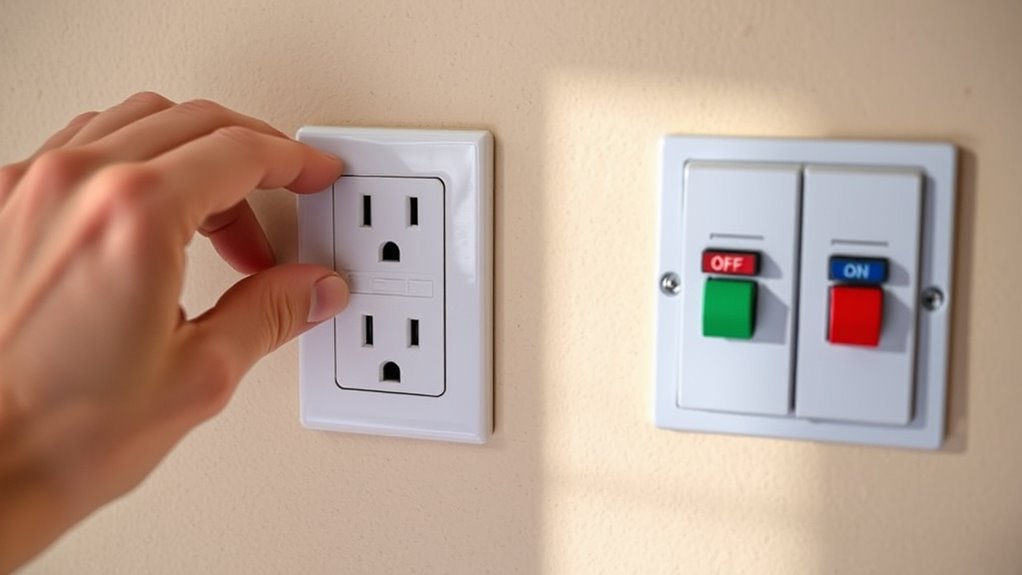
Before assuming your electric blanket is faulty, you should verify that the power source is working correctly. Start by checking the outlet with another device to guarantee it’s providing power. If the outlet is connected to a circuit breaker, confirm that the breaker hasn’t tripped; reset it if necessary. Watch out for electrical noise or a power surge, which can cause fluctuations and disrupt proper power flow. If you notice flickering or inconsistent power, it might indicate issues with the outlet or wiring. Also, consider testing a different outlet to rule out problems. Ensuring a stable power supply is essential before moving on to other troubleshooting steps. Addressing these issues can often resolve heating problems caused by power interruptions. Incorporating power analysis techniques can further help identify underlying electrical issues.
Evaluating the Safety Features and Reset Options
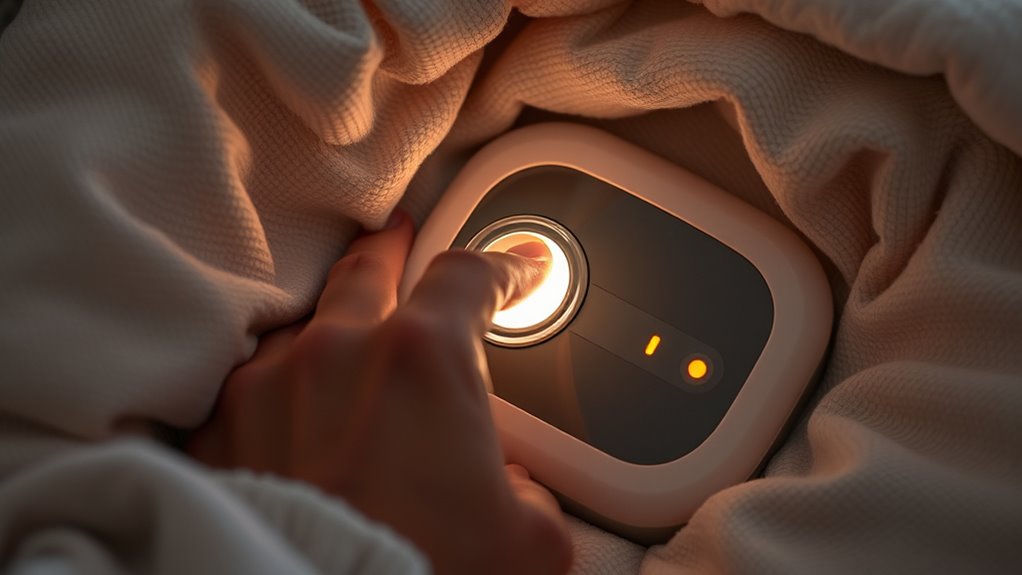
Start by inspecting the safety features on your electric blanket to guarantee nothing is tripped or activated. Next, check if the reset button needs to be pressed—sometimes it automatically resets after a fault. If these safety elements aren’t functioning properly, your blanket may not heat, even if power is available. Additionally, reviewing the best electric blankets can help ensure your model has reliable safety features and proper heating functionality.
Safety Feature Inspection
Modern electric blankets come equipped with safety features that help prevent overheating and guarantee safe operation. When inspecting these systems, check for built-in safety mechanisms like automatic shut-off or temperature sensors. Verify the blanket has proper electrical certifications, confirming it meets safety standards. Also, consider battery safety if your blanket is battery-operated, confirming secure connections and battery integrity. To effectively evaluate safety features:
- Confirm the blanket has recent electrical certifications
- Test the reset button to see if it functions correctly
- Inspect for signs of overheating or damage
- Check for any warning labels or safety indicators
- Ensure the power cord and plug are undamaged
Performing these checks helps guarantee your blanket’s safety and proper operation, reducing risks related to battery safety and electrical faults.
Reset Button Functionality
The reset button on your electric blanket plays a vital role in ensuring safe operation by acting as a safeguard against overheating or electrical faults. When the blanket detects a problem, the reset button trips, cutting off power to prevent damage or injury. To restore functionality, you need to press the reset button firmly after the issue is resolved. Check the user manual for specific instructions related to your blanket’s model, as some may have different reset procedures. Be aware that blanket material can influence heat regulation, and some fabrics may trigger the safety features more frequently. If the reset button doesn’t stay engaged or your blanket still won’t heat, it may indicate a deeper electrical issue that requires professional repair. Additionally, understanding the safety features of your electric blanket can help you troubleshoot effectively and prevent future problems.
Verifying the Temperature Control Functionality
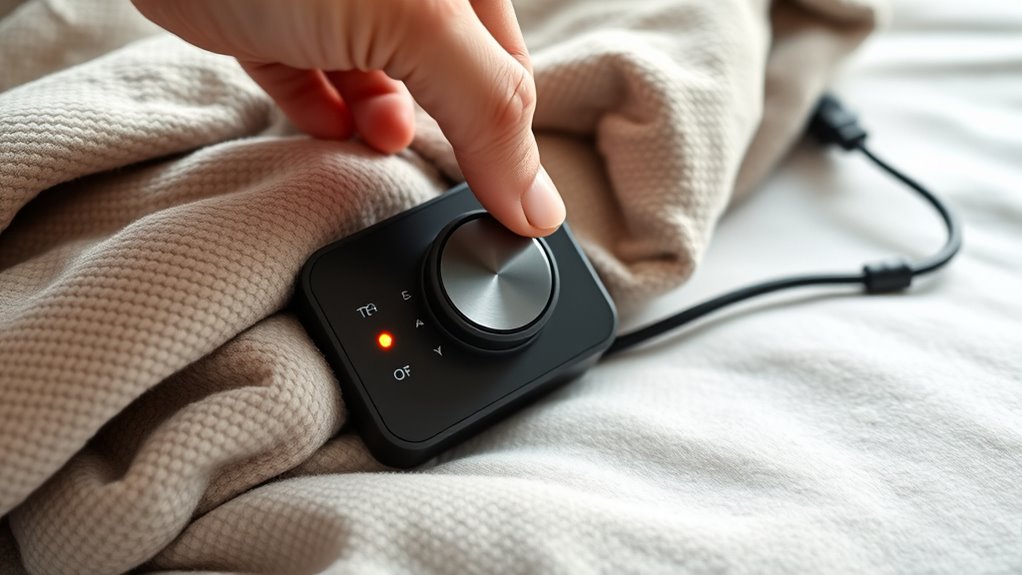
To guarantee your electric blanket’s temperature control is working properly, you should first test its responsiveness by adjusting the settings. Start by turning the control panel up and down to see if the blanket responds immediately. Check for proper control panel calibration to ensure the settings match the actual temperature. To verify the temperature sensor testing, feel the blanket at different settings—if it doesn’t heat appropriately, the sensor might be faulty. Confirm that the control panel displays the correct settings and reacts when changed. Keep in mind:
- The control panel responds promptly to adjustments
- Temperature sensor accurately detects heat levels
- Settings match the warmth of the blanket
- No unusual delays in heating response
- Calibration aligns with actual temperature
These checks help make certain your control system functions correctly.
Looking for Loose or Damaged Wires

Since loose or damaged wires can disrupt the electrical flow, it’s important to inspect your blanket’s wiring carefully. Check the wire insulation for any cracks, tears, or signs of wear that could expose the wiring inside. Damaged insulation can cause short circuits, preventing the blanket from heating properly. Also, examine the connector integrity — ensure all connections are secure and not loose or corroded. Loose or broken connectors can interrupt power transfer, leading to uneven or no heating. Gently tug on visible wires to see if any come loose or feel fragile. Address any issues you find by replacing damaged wires or reconnecting loose ones. Proper wiring integrity is essential to ensure your electric blanket heats safely and effectively.
Replacing Blown Fuses or Tripped Breakers
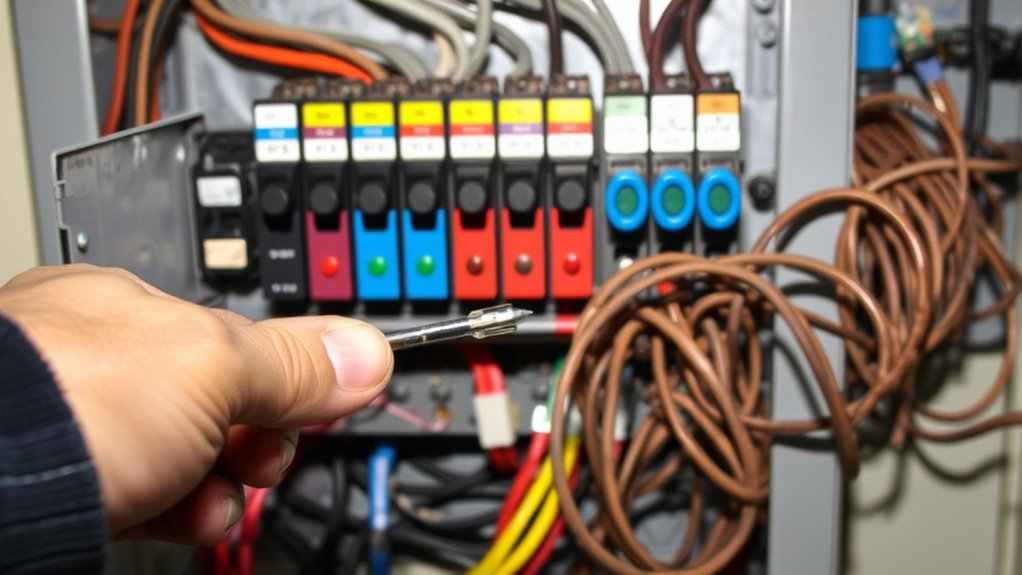
Inspecting your electric blanket for blown fuses or tripped breakers is a straightforward step if it’s not heating. First, check your home’s main circuit breaker panel. If a breaker has tripped, reset it by switching it off and on again. For fuse replacement, locate the fuse box or panel that supplies power to the blanket. Look for a blown fuse—usually dark or broken—and replace it with a fuse of the same rating. Remember, a tripped circuit breaker or blown fuse interrupts power, preventing the blanket from heating.
Key points to contemplate:
- Always turn off power before inspecting.
- Use the correct fuse rating for replacement.
- Avoid using a fuse with higher amperage.
- Reset circuit breakers carefully.
- If issues persist, consult an electrician.
Cleaning and Maintaining Your Electric Blanket

Regular cleaning and proper maintenance are essential to keep your electric blanket functioning safely and efficiently. Regular washing helps preserve fabric softness, making your blanket comfortable to use. Use gentle, mild detergents and follow the manufacturer’s instructions to prevent damage to the heating elements. Avoid harsh chemicals or bleach, which can compromise the wiring and reduce temperature consistency. Keep the control unit and cords clean and free of dust or dirt, ensuring reliable operation. Periodic inspections for frayed wires or worn fabric help identify issues early. Proper maintenance not only extends the lifespan of your blanket but also guarantees it heats evenly and safely. By caring for your electric blanket regularly, you maintain ideal performance and safety during use.
When to Seek Professional Repair or Replacement

If your electric blanket isn’t heating despite troubleshooting efforts, it’s time to contemplate professional repair or replacement. Ignoring persistent issues can compromise electric blanket safety and increase the risk of hazards. Check your warranty coverage to see if repairs or replacements are included, saving you money. Consider seeking professional help if:
- The blanket shows signs of damage or frayed wires
- It repeatedly fails to heat properly despite adjustments
- You notice unusual smells or sparks
- The control unit is unresponsive or damaged
- The warranty period is still valid
Addressing these issues promptly ensures your safety and maintains the blanket’s effectiveness. If repairs aren’t feasible, replacing the unit may be the safest option, especially if safety concerns outweigh repair costs.
Frequently Asked Questions
Can a Faulty Thermostat Cause My Electric Blanket Not to Heat?
Yes, a faulty thermostat can prevent your electric blanket from heating. If the thermostat isn’t calibrated correctly or has malfunctioned, it may not signal the heating elements to turn on. Check your circuit breaker reset to guarantee power is flowing properly. If resetting the breaker doesn’t help, consider testing or replacing the thermostat, as it could be the root cause of your heating issue.
How Do I Reset a Tripped Circuit Breaker Affecting My Blanket?
Your circuit breaker might be the superhero villain causing your blanket to stay cold. To reset it, locate your main panel and find the tripped breaker—usually off or in the middle position. Firmly flip it to the “Off” position, then back to “On.” Follow any specific reset instructions if your breaker has a test button. This quick action should restore power and get your blanket warm again.
Why Does My Blanket Heat Unevenly or Have Cold Spots?
If your electric blanket heats unevenly or has cold spots, the issue often lies with heating element issues. You might need electric blanket repair to fix damaged or broken heating wires. Check for visible signs of damage, and make certain the control unit works correctly. Sometimes, repositioning the blanket or replacing faulty components can restore even heating. Avoid using the blanket until the problem is resolved to prevent further damage or safety risks.
Is It Safe to Use My Electric Blanket After Noticing Minor Damage?
You should avoid using your electric blanket after noticing minor damage concerns, as electric blanket safety is vital. Even small tears or frayed wires can pose risks like shocks or fires. It’s best to inspect the damage thoroughly and consult the manufacturer’s guidelines. If you’re unsure, replacing the blanket is the safest choice. Prioritizing safety guarantees you enjoy warmth without risking injury or damage.
How Often Should I Replace My Electric Blanket for Optimal Safety?
Think of your electric blanket like a trusty car—eventually, it needs replacing for safety. Experts recommend following the recommended electric blanket lifespan and sticking to a regular replacement schedule, usually every 5-10 years. If you notice frayed cords, scorch marks, or inconsistent heating, it’s time to replace it sooner. Regular checks help guarantee your blanket stays safe and warm, preventing potential hazards.
Conclusion
If your electric blanket isn’t heating, don’t ignore the signs. For example, Sarah’s blanket stopped working after a power surge, but a simple fuse replacement fixed it. Regular inspections and maintenance can prevent issues and extend its lifespan. If troubleshooting doesn’t solve the problem, it’s best to seek professional help or consider replacing the blanket. Staying proactive guarantees you stay warm and safe during colder nights.