
If your pool cleaner is missing spots, making strange noises, or struggling to move, it’s time to consider a replacement. Signs like worn brushes, weak suction, or persistent malfunctions indicate repair may no longer be worth it. When repairs start costing as much as a new unit, or performance declines despite maintenance, replacement becomes the better choice. Keep going, and you’ll discover more tips to help you make the best decision.
Key Takeaways
- The cleaner shows persistent performance issues despite repairs or maintenance efforts.
- Signs of extensive wear, such as damaged brushes, worn wheels, or broken parts, indicate replacement.
- It no longer effectively cleans the entire pool or leaves debris behind.
- Frequent breakdowns or increasing energy costs suggest the unit is no longer efficient.
- The model is outdated, and newer, more durable options offer better cleaning and features.

Are you noticing your automatic pool cleaner isn’t performing as well as it used to? If so, it’s time to evaluate whether it’s still the right tool for your pool. Different types of pool cleaners—such as suction-side, pressure-side, and robotic models—each have their own lifespan and common issues. Recognizing the signs of malfunction can help you determine if a replacement is necessary.
Noticing reduced performance? Identify signs of malfunction to decide if your pool cleaner needs replacing.
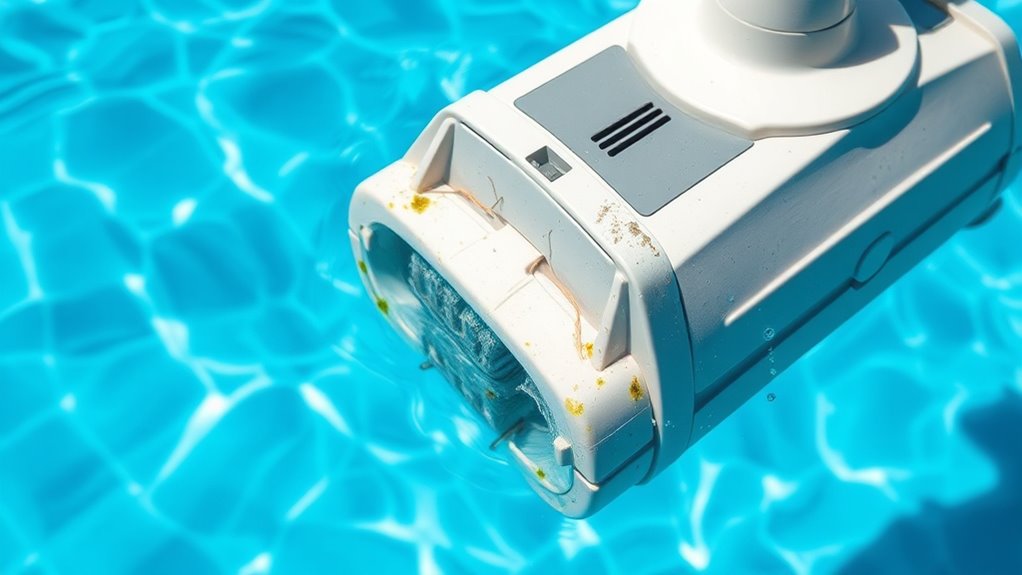
Suction-side cleaners, which connect to your pool’s skimmer or dedicated suction line, are generally affordable and simple to operate. However, over time, they may develop issues like clogged hoses, worn brushes, or weak suction power. If your cleaner is dragging or missing spots, it could be a sign of a worn-out seal or a damaged hose. Regular inspection and maintenance can help prolong their lifespan and prevent premature failure. Additionally, using high-quality replacement parts can improve the longevity of these cleaners. Proper maintenance practices ensure your cleaner functions efficiently and lasts longer. Routine checks can also prevent unexpected breakdowns and extend the device’s lifespan. Pressure-side cleaners, powered by a booster pump, tend to be more robust but can also suffer from worn wheels, broken tracks, or pump malfunctions. When these cleaners stop moving or leave debris untouched, it’s often due to a motor failure or damaged parts. Robotic cleaners, which operate independently of your pool’s filtration system, are usually more durable but aren’t immune to problems. Signs of malfunction here include erratic movement, failure to charge, or inability to navigate the pool properly.
In addition to mechanical issues, you should watch for signs that your cleaner is no longer cleaning effectively. If your pool’s surface isn’t as spotless as it used to be, or if debris remains after running the cleaner, it suggests that the device’s brushes or scrubbing mechanisms might be worn out. Unusual noises, excessive energy consumption, or frequent overheating are also indicators that your cleaner might be on its last legs. Regularly inspecting your cleaner’s wear and tear and understanding its common failure points can help you make timely decisions about maintenance or replacement. Being aware of the expected lifespan of your model can also guide your decision-making process.
Once you notice these signs, it’s important to assess whether repair or replacement makes more sense. Small issues like clogged filters or minor part replacements might extend your cleaner’s life, but persistent problems often point toward the need for a new device. Keep in mind that older models or those with extensive wear may no longer operate efficiently, leading to increased energy costs and reduced pool cleanliness. Checking the manufacturer’s recommendations can provide guidance on when to replace your cleaner.
Ultimately, replacing your automatic pool cleaner should be based on its performance and condition. If it’s consistently underperforming despite repairs, or if it’s showing multiple signs of malfunction, investing in a new cleaner can save you time and effort. Modern models often come with improved features and greater reliability, making them a worthwhile upgrade. Regularly inspecting your cleaner and recognizing when it’s time for replacement ensures your pool stays clean and inviting without unnecessary hassle.

LEVOIT Air Purifier for Home Allergens Pet Hair in Bedroom, Covers Up to 1073 ft² by 56W High Torque Motor, AHAM VERIFIDE, 3-in-1 Filter with HEPA Sleep Mode, Remove Dust Smoke Odor, Core300-P, White
WHY CHOOSE AHAM VERIFIDE AIR PURIFIERS: AHAM (Association of Home Appliance Manufacturers) is an ANSI-accredited organization that sets...
As an affiliate, we earn on qualifying purchases.
Frequently Asked Questions
How Long Should an Automatic Pool Cleaner Typically Last?
Your automatic pool cleaner typically lasts about 3 to 5 years, depending on usage and maintenance. Proper pool maintenance helps extend the equipment lifespan, preventing premature wear and tear. Keep the brushes, belts, and filters in good condition, and regularly check for issues. If you notice it’s less effective or frequently breaking down, it might be time to contemplate replacing it to keep your pool clean and running smoothly.
Can I Repair My Automatic Pool Cleaner Instead of Replacing It?
Think of your pool cleaner as a trusted friend needing a quick fix. Yes, you can try a DIY repair to keep it running, saving on replacement costs. Inspect for broken parts or clogs, and replace simple components yourself. However, if it’s beyond repair or keeps breaking, it might be more cost-effective to replace it. Trust your judgment—sometimes, a new cleaner offers peace of mind and better performance.
What Are Signs of Internal Component Failure in My Cleaner?
If you’re wondering about signs of internal component failure, pay attention to internal leaks and unusual motor noise. Internal leaks often cause the cleaner to lose suction or float improperly, while strange motor sounds may indicate worn-out parts or motor issues. You should inspect these signs early, as they can signal that your cleaner needs repairs before more serious damage occurs. Ignoring them might lead to complete failure and the need for replacement.
Does Replacing the Cleaner Improve Overall Pool Water Quality?
Think of your pool cleaner as the heart of your pool’s health. Replacing it can boost pool water clarity by enhancing cleaner efficiency, removing debris more effectively. I once saw a pool with murky water turn crystal clear after swapping out an old cleaner. Upgrading guarantees your system runs smoothly, preventing buildup and maintaining sparkling water. So, yes, replacing your cleaner can considerably improve your pool’s overall water quality.
Are There Maintenance Tips to Extend My Pool Cleaner’s Lifespan?
To extend your pool cleaner’s lifespan, focus on regular maintenance. Keep your pool’s chemical balance in check to prevent buildup that can damage the cleaner. Clean filters and brushes often, and inspect for wear and tear. Also, maintain your pool cover properly to reduce debris. These steps help your cleaner work efficiently longer, saving you money and ensuring your pool stays sparkling clean.

KNKA Air Purifier for Home Bedroom Large Room Up to 3,500 Ft², HEPA Air Cleaner with Washable Pre-Filter, AHAM VERIFIDE, AQI Display, ECO Mode, Pet Mode for Pets, Dust, Pollen, APH4000
𝐀𝐇𝐀𝐌 𝐕𝐞𝐫𝐢𝐟𝐢𝐞𝐝 & 𝐇𝐢𝐠𝐡 𝐂𝐀𝐃𝐑 𝐕𝐚𝐥𝐮𝐞: Certified by the Association of Home Appliance Manufacturers, this air purifier provides...
As an affiliate, we earn on qualifying purchases.
Conclusion
Think of your automatic pool cleaner as a trusted steed that keeps your pool pristine. When it starts to stumble, miss spots, or require frequent repairs, it’s like a horse growling tired and sluggish. Replacing it restores your pool’s guardian to full strength, ready to gallop through dirt and debris. Don’t wait until it’s broken down completely—know when to replace it, and keep your backyard oasis shining bright, just like a well-kept castle.

YARIKI Air Purifiers for Home Large Room Up to 2000 Ft²,H13 HEPA Air Purifiers for Pet Hair Smoke Odor,24dB Ultra-Quiet Operation Suitable for Bedrooms,Living Rooms,Offices
Suitable for large rooms: This air purifier can cover an area of up to 2000 square feet,Whether it...
As an affiliate, we earn on qualifying purchases.

LEVOIT Air Purifiers for Home Large Room Up to 1875 Ft² with Washable Pre-Filter, AHAM VERIFIDE, Air Quality Monitor, HEPA Sleep Mode for Allergies, Pet Hair in Bedroom, Vital 200S-P, White
𝐖𝐇𝐘 𝐂𝐇𝐎𝐎𝐒𝐄 𝐀𝐇𝐀𝐌 𝐕𝐄𝐑𝐈𝐅𝐈𝐃𝐄 𝐏𝐑𝐎𝐃𝐔𝐂𝐓𝐒: AHAM (Association of Home Appliance Manufacturers) is an ANSI-accredited organization that sets strict...
As an affiliate, we earn on qualifying purchases.