
To make your bookcases more useful, start with a shelf height formula based on what you’ll store. For books, aim for shelves around 12-15 inches high to fit most sizes comfortably. For larger items or art, go up to 18-24 inches. Use adjustable shelves for flexibility. Thinking about your space, style, and items helps balance form and function. Keep exploring for more tips on customizing your shelves for maximum usability and aesthetic appeal.

Get furniture and decor delivered free with Prime
- Fast, free delivery on millions of items
- Prime Video, Amazon Music and more included
- Member-only deals all year
Key Takeaways
- Use the standard shelf height of 12-15 inches for most books to optimize storage capacity and accessibility.
- Adjust shelf height based on item size, like 18-24 inches for larger coffee table books or art.
- Consider material strength; heavier materials support taller shelves, allowing for greater height flexibility.
- Incorporate adjustable shelving to adapt to changing storage needs and item sizes over time.
- Balance shelf height with room proportions for visual harmony and functional ease of access.
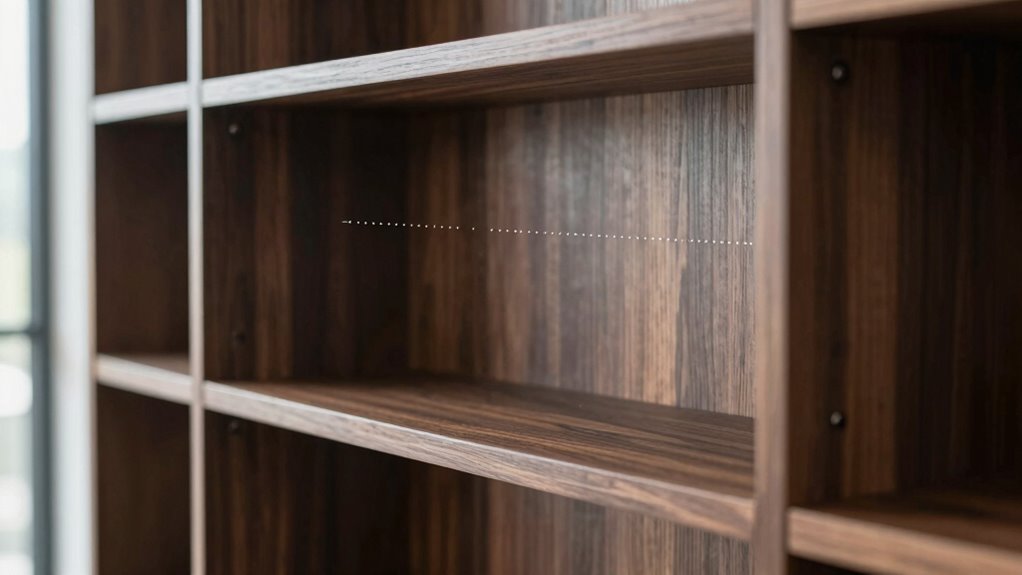
Have you ever wondered how to determine the ideal height for your shelves? Getting this right can dramatically improve both the functionality and aesthetic of your space. When you follow a straightforward shelf height formula, your bookcases become more useful because they’re tailored to your needs, making it easier to access items and organize your belongings efficiently. This approach isn’t just about aesthetics; it’s about creating a practical solution that works for your daily routines. Additionally, considering biodiversity and sustainable living principles can inspire eco-friendly choices in your shelving materials and design. To start, consider what you plan to store on your shelves. If you’re mainly placing books, you’ll want to account for the average height of your collection. For most books, a shelf height of about 12 to 15 inches works well, but if you have larger coffee table books or art pieces, you might need more space—say 18 to 24 inches. For decorative items or smaller accessories, lower shelves of 8 to 12 inches may suffice. By evaluating your storage needs first, you create a foundation for your shelf height decisions that’s both functional and visually balanced. Material considerations play a key role in determining the ideal height. Heavier materials like solid wood or metal can support more weight, allowing you to build taller or more robust shelves without worry. Conversely, lighter materials such as particleboard or MDF might limit your shelf height, especially if you plan to load them heavily. When designing your shelves, keep in mind that thicker shelves offer greater support and durability, which can influence your spacing choices. If your shelves are thinner or made from delicate materials, keeping them shorter reduces the risk of sagging or damage over time. Furthermore, proper ventilation and airflow can help preserve certain items and prevent moisture buildup, especially in humid environments. Incorporating ergonomic design principles can also enhance the usability of your shelves, making them more comfortable to access and organize. In addition, considering room proportions can help you select shelf heights that complement your space and create a harmonious environment. When choosing your shelving units, it’s helpful to think about visual weight to ensure your shelves blend seamlessly with the overall room design. In terms of decorating tips, aligning your shelf heights with your room’s proportions can make the space feel more cohesive. Taller shelves can provide a dramatic, eye-catching look, especially if you’re displaying large or statement pieces. Shorter shelves, when grouped thoughtfully, create a cozy, approachable vibe. When applying the shelf height formula, think about the overall height of your wall and furniture to maintain harmony. Leave some space above the highest item on each shelf to avoid cluttered or cramped appearances. Additionally, consider adjustable shelving options if your needs might change over time; this flexibility allows you to adapt the shelf heights as your collection or preferences evolve. Ultimately, using a simple shelf height formula—based on your storage needs, material strength, and decorating tips—makes your bookcases more useful and visually appealing. It’s about combining practicality with style, ensuring each shelf serves its purpose without sacrificing the harmony of your space. When you plan thoughtfully, your shelves will not only hold your belongings but also elevate the entire room’s design.
As an affiliate, we earn on qualifying purchases.
Frequently Asked Questions
How Do I Measure for Uneven Floor Surfaces?
To measure for uneven floor surfaces, start by identifying the highest and lowest points of the floor where your bookcase will sit. Use a level or a long straightedge to check the floor’s surface at multiple spots, noting the differences. Adjust your measurements accordingly, ensuring the base of your bookcase is level. This way, your shelves will sit evenly regardless of uneven surfaces, providing stability and a polished look.
Can Adjustable Shelves Improve Shelf Height Flexibility?
Did you know adjustable shelves can dramatically increase your storage options? Yes, they improve shelf height flexibility by allowing you to easily modify space between shelves. With adjustable shelves, you gain better shelf customization, making it easier to accommodate items of varying sizes. This flexibility helps you optimize your bookcase’s functionality, ensuring every inch is utilized efficiently and your storage remains adaptable to your changing needs.
What Materials Best Support Specific Shelf Heights?
You should opt for sturdy materials like solid wood, metal, or plywood, as they offer better material durability and support specific shelf heights. These materials can handle increased shelf weight capacity without sagging or breaking, especially when you choose thicker boards. Avoid lightweight or flimsy materials that compromise strength. By selecting durable options, you guarantee your shelves maintain their shape and safety, regardless of the height or load.
How Does Shelf Height Affect Room Aesthetics?
You might think shelf height only impacts storage, but it also influences room aesthetics. When you choose the right height, you create better visual balance, making your space feel more harmonious. Adjusting shelf height allows you to highlight your favorite decor or coordinate colors effectively. This balance enhances the overall look, making your room feel more inviting and thoughtfully designed without overwhelming the space.
Are There Safety Considerations for Tall Bookcases?
Yes, there are safety considerations for tall bookcases. You should guarantee they have a sufficient weight capacity so they don’t tip over when loaded. Maintain a safety clearance from the ceiling or wall to prevent instability. Securing the bookcase to the wall adds extra safety, especially for taller units. Always follow manufacturer guidelines for weight limits and installation instructions to keep your space safe and secure.
Conclusion
Now that you know the shelf height formula, your bookcase will become the most efficient and organized piece in your home—it’s practically a superpower! With perfectly spaced shelves, you’ll maximize storage and never struggle to find your favorite book again. Remember, applying this simple formula transforms your cluttered chaos into an oasis of order. Get ready to impress everyone with a bookcase so well-designed, it’s as if it was crafted by the universe itself!
Halloween Picks
halloween
As an affiliate, we earn on qualifying purchases.