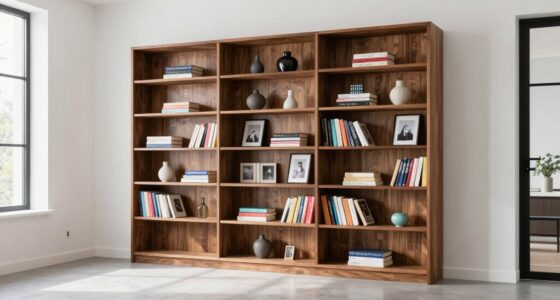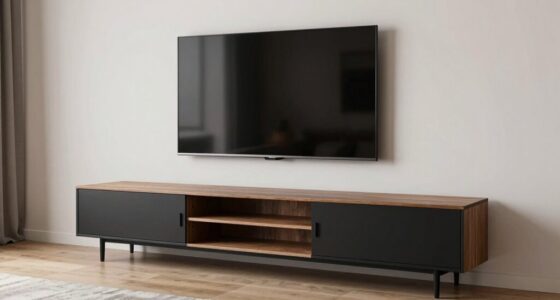

To keep large furniture feeling light, focus on strategic color choices, like using similar hues or dark sofas against light walls to create visual separation. Opt for sleek, streamlined designs with legs that lift the furniture off the ground, and balance big pieces with appropriately scaled surrounding items. Maintain open sightlines and avoid clutter for a spacious feel. If you continue, you’ll discover more clever tricks to seamlessly integrate large furniture into your space.

Get furniture and decor delivered free with Prime
- Fast, free delivery on millions of items
- Prime Video, Amazon Music and more included
- Member-only deals all year
Key Takeaways
- Use subtle color contrast between furniture and walls to create visual separation without overwhelming the space.
- Incorporate sleek, streamlined furniture designs with legs to elevate pieces and reduce visual bulk.
- Balance large furniture with appropriately scaled surrounding pieces to maintain harmony and prevent overcrowding.
- Arrange furniture to maintain open sightlines and adequate breathing space, enhancing a feeling of openness.
- Choose similar hues to walls or neutral tones to help large pieces blend seamlessly into the room.
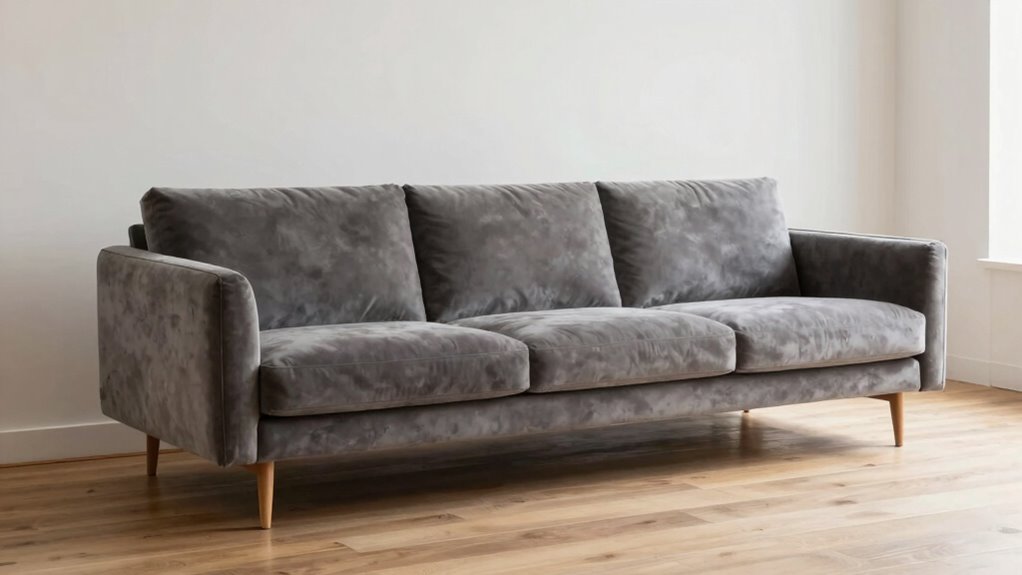
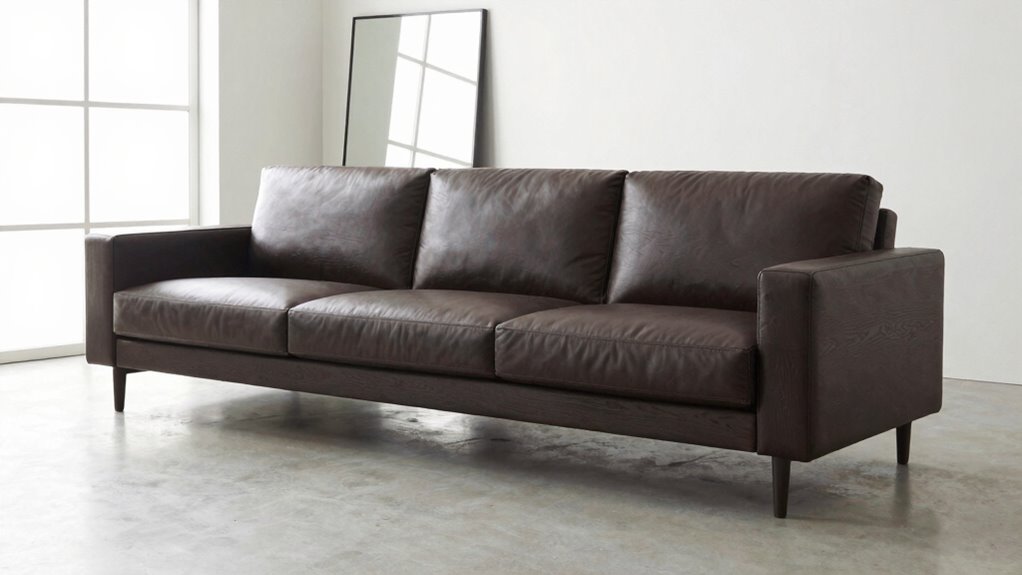
When it comes to making large furniture feel less overwhelming in a room, the right visual tricks can make all the difference. One of the most effective is understanding how to manipulate color contrast and furniture proportions. These tools help balance hefty pieces so they don’t dominate the space or create a feeling of heaviness. By carefully choosing colors and sizes, you can create an inviting, harmonious environment where large furniture feels natural rather than imposing. Additionally, paying attention to visual perception can help you better understand how the arrangement influences the overall feel of the room. Color contrast plays a crucial role in how furniture is perceived. If you want to avoid a bulky look, opt for colors that contrast subtly with the walls and surrounding decor. For instance, a dark sofa against a light wall creates a striking visual separation, making the piece feel more integrated and less massive. Conversely, if you prefer a softer, more unified look, selecting a similar hue to the wall color can help the furniture blend seamlessly into the room, reducing the perception of weight. Bright or bold colors tend to draw attention, making furniture appear larger or more prominent, so use them sparingly if you want to keep things feeling light and airy.
Furniture proportions are equally important. Large furniture pieces should be balanced with other elements in the room. If your sofa or armchair is substantial in size, ensure that the surrounding pieces are scaled appropriately. Avoid overcrowding the space with too many small pieces, which can make the furniture seem even larger by comparison. Instead, give your large furniture room to breathe by maintaining open sightlines and avoiding clutter. This creates a sense of proportion that makes the furniture feel grounded rather than overwhelming. Understanding spatial awareness can also help you visualize how different pieces fit together and influence the overall ambiance of the room. Incorporating design principles such as symmetry and balance can further enhance the harmony of your space and make large furniture feel less imposing. Additionally, consider the shape and design of your furniture. Sleek, streamlined silhouettes tend to appear less bulky than bulky, ornate styles. Legs that elevate furniture off the ground can also contribute to a lighter visual weight, making the piece seem less heavy. Using proper scale when choosing furniture helps ensure that each piece complements the room’s size and layout, preventing the space from feeling cramped or cluttered. When combined with contrasting colors and proportional balance, these design choices help large furniture integrate seamlessly into your room, rather than overpowering it.
In the end, creating an inviting, well-balanced space hinges on your ability to use visual tricks strategically. By paying attention to color contrast and furniture proportions, you can make even the largest pieces feel appropriate and welcoming. The goal isn’t to hide large furniture but to incorporate it thoughtfully so it enhances your space without feeling oppressive. With these tips, you’ll find that your room feels more spacious, harmonious, and comfortable.
visual trick large furniture light room
As an affiliate, we earn on qualifying purchases.
As an affiliate, we earn on qualifying purchases.
Frequently Asked Questions
Can These Visual Tricks Work in Small Rooms?
Yes, these visual tricks can work in small rooms. By using space optimization, you make the room feel more open and less cramped. Incorporate texture contrast to add depth and interest without overwhelming the space. Carefully selecting and positioning furniture helps maintain a balanced look, making large pieces seem less heavy. These techniques create an illusion of spaciousness, helping your small room feel airy and inviting.
Do Color Choices Affect Furniture Perceived Weight?
Yes, your color choices considerably affect how furniture feels in a room. Using color contrast and understanding hue perception can make large pieces seem lighter or more integrated. Bright, light colors tend to minimize perceived weight, while dark, intense hues can make furniture feel heavier. By thoughtfully selecting colors, you can create a balanced space where even substantial furniture feels inviting and proportionate, enhancing overall room harmony.
How Do Lighting Conditions Impact the Illusion?
Lighting conditions considerably influence the illusion of heavy furniture feeling lighter. Ambient lighting softly illuminates the piece, reducing harsh shadows and making it appear less imposing. Shadow play, created by strategic lighting, can make furniture seem more dimensional and less bulky, tricking your eye into perceiving it as lighter. Adjusting these elements enhances the visual trick, helping large furniture pieces blend seamlessly into your space without feeling overwhelming.
Are There Specific Furniture Styles That Work Best?
You should choose furniture with balanced proportions to maintain visual harmony and avoid overwhelming a space. Opt for pieces with sleek, streamlined designs or those with elevated legs to create a sense of openness. Incorporate decorative accents like mirrors or light-colored accessories to enhance the illusion of lightness. By carefully selecting furniture with appropriate proportions and adding well-placed decorative accents, you keep large pieces feeling airy and inviting rather than heavy and bulky.
Can These Tricks Be Used for Outdoor Furniture?
Yes, you can definitely use these visual tricks for outdoor furniture. Remarkably, 60% of homeowners prioritize outdoor durability and weather resistance when choosing furniture. By using lighter colors or strategic placement, you can make bulky outdoor pieces seem less imposing. Weather-resistant finishes and materials enhance durability, while visual tricks help create an inviting, less overwhelming space. Just ensure your outdoor furniture incorporates these elements to maintain both style and resilience.
Conclusion
By understanding and applying these visual tricks, you can make large furniture feel lighter and more inviting. Did you know that rooms with well-balanced furniture and strategic placement can appear up to 30% more spacious? So, next time you’re arranging your space, remember that clever positioning and color choices aren’t just aesthetic—they’re powerful tools to transform heavy-looking furniture into a seamless part of your home’s flow. Your space will feel bigger, brighter, and more welcoming.
Halloween Picks
halloween
As an affiliate, we earn on qualifying purchases.