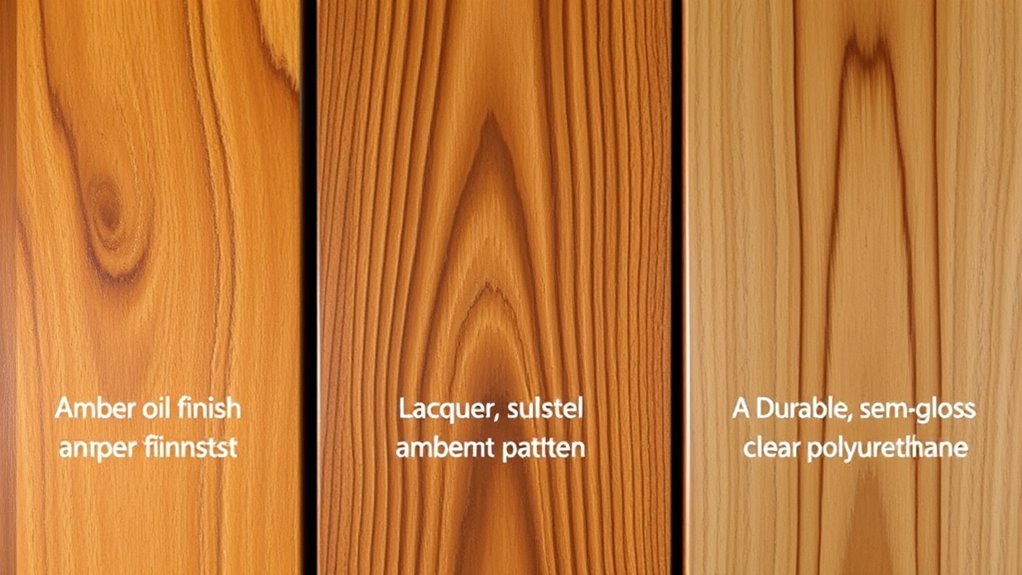

Understanding wood finishes like oil, lacquer, and polyurethane helps you choose the best protection and look for your project. Oil penetrates deeply, highlighting grain and warmth, while lacquer dries quickly for a smooth, glossy surface. Polyurethane offers durability and can be matte or shiny, ideal for high-traffic areas. Each finish has unique application techniques and environmental aspects. Exploring these options further can help you achieve a perfect, lasting result.
Key Takeaways
- Oil finishes penetrate deeply, highlighting wood texture and warmth, while lacquer dries quickly for a smooth, glossy surface.
- Polyurethane provides durable protection with shiny or matte options, enhancing natural grain and resisting wear.
- Proper surface prep, including sanding and cleaning, is essential for an even, long-lasting finish.
- Choose finishes based on environment, durability needs, and desired appearance; oils are affordable, lacquers are faster, polyurethanes are highly durable.
- Consider environmental impact and safety by selecting low-VOC options and working in well-ventilated areas.
Characteristics and Appearance of Different Finishes
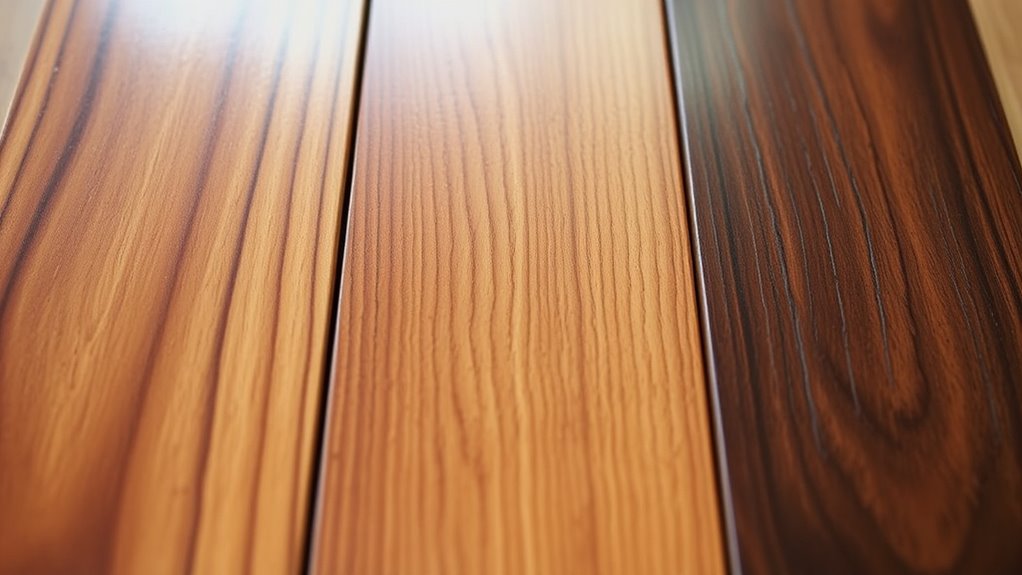
When choosing a wood finish, understanding its characteristics and appearance is essential. Different finishes emphasize the grain in unique ways, affecting how the wood’s natural patterns stand out. Oil finishes, for example, penetrate deeply and highlight the grain, creating a warm, rich look that emphasizes texture. Lacquers dry quickly, providing a smooth, glossy surface that subtly enhances the grain without overpowering it. Polyurethane offers durability and a shiny or matte finish, which can also accentuate the wood’s natural patterns. Color enhancement varies; oil finishes often deepen the wood’s hue, giving it a more vibrant look. Lacquers and polyurethanes may slightly alter the color, either adding warmth or preserving the wood’s original tone. Choosing the right finish depends on the look you want to achieve and the level of grain emphasis you prefer. Additionally, considering the suitability for different environments can help ensure the longevity and appearance of the finish over time.
Application Processes and Techniques
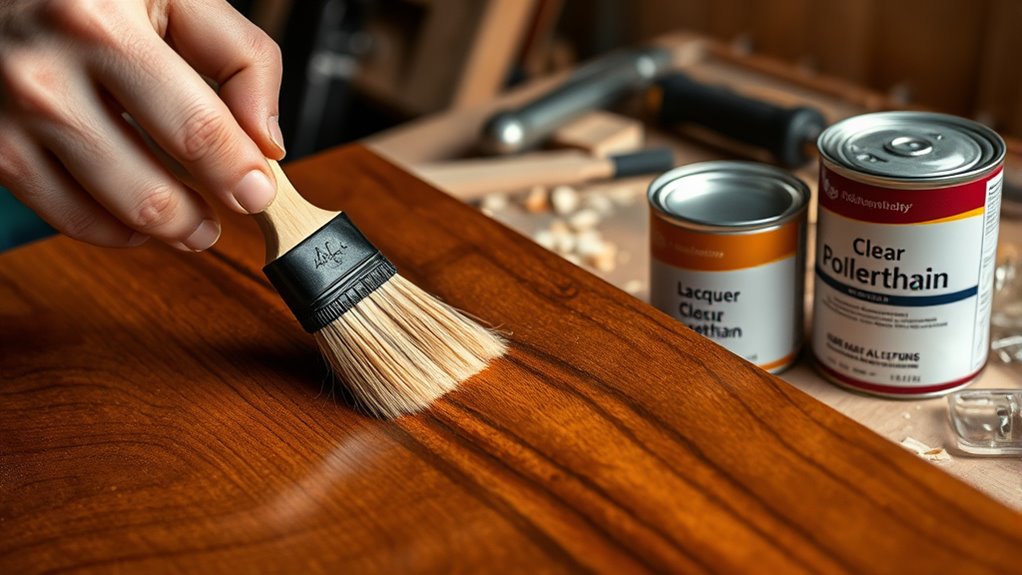
Getting a smooth, durable finish starts with proper surface preparation; you’ll want to sand and clean your wood thoroughly. When applying your finish, use the right techniques—like brushing, wiping, or spraying—and pay attention to tips that guarantee even coverage. Mastering these steps will help you achieve professional-looking results every time. Additionally, selecting the appropriate finish type—such as oil, lacquer, or polyurethane—can significantly influence the final appearance and durability of your project.
Surface Preparation Methods
Proper surface preparation is essential to achieving a smooth, durable finish on wood. Start by inspecting the surface for imperfections, then use appropriate sanding techniques to create an even base. Sand along the grain to enhance grain enhancement, which helps finishes adhere better and highlights natural patterns. Begin with coarse grit to remove rough spots, gradually move to finer grits for a smooth finish. Always clean off dust thoroughly after sanding, using a tack cloth or a damp rag. If the wood has any existing finishes or stains, ensure they are fully removed or sanded down to bare wood before proceeding. Proper preparation reduces the risk of blotches, uneven color, or peeling, ensuring your finish looks professional and lasts longer. Additionally, paying attention to the celebrity lifestyle insights can inspire you to create a beautiful and functional space for your woodworking projects.
Application Techniques and Tips
To achieve a smooth and even finish on your wood project, it’s essential to apply your chosen finish with the right technique. Use controlled brush techniques, keeping a steady hand and working in the direction of the grain to prevent streaks and brush marks. Thin coats are better than heavy ones, allowing for more even drying times and reducing drips or runs. When applying oil, lacquer, or poly, ensure you maintain a wet edge to avoid lap marks. Pay close attention to drying times between coats; rushing can cause defects or uneven texture. Clean your brush thoroughly after each coat to avoid contamination. Patience is key—allow each layer to dry fully before applying the next, resulting in a professional, smooth finish. Also, be aware of the retail hours when purchasing supplies to ensure you have enough time to complete your project without rushing.
Durability and Protective Qualities
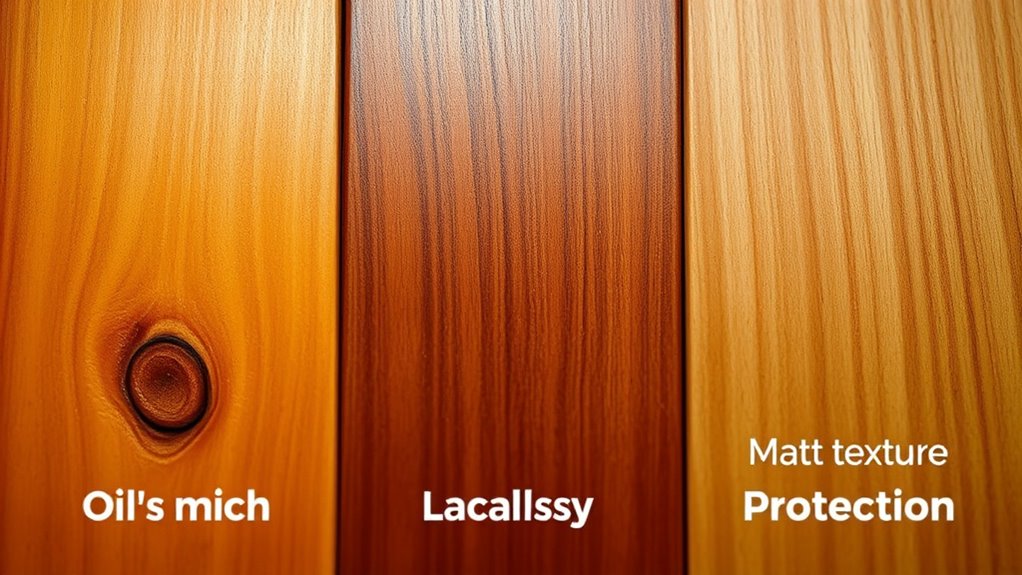
Wood finishes vary markedly in their ability to protect the surface from damage. Some provide excellent abrasion resistance, making them suitable for high-traffic areas, while others excel in UV protection, preventing sun damage. Your choice depends on the use and exposure of the wood piece. For example, poly finishes often offer superior durability and scratch resistance, while oil finishes may require reapplication but enhance natural beauty. Here’s a quick comparison:
| Finish Type | Abrasion Resistance | UV Protection |
|---|---|---|
| Oil | Moderate | Limited |
| Lacquer | Good | Moderate |
| Poly | Excellent | Good to Very Good |
Understanding these qualities helps you select a finish that withstands daily wear and environmental exposure.
Environmental Impact and Safety Considerations
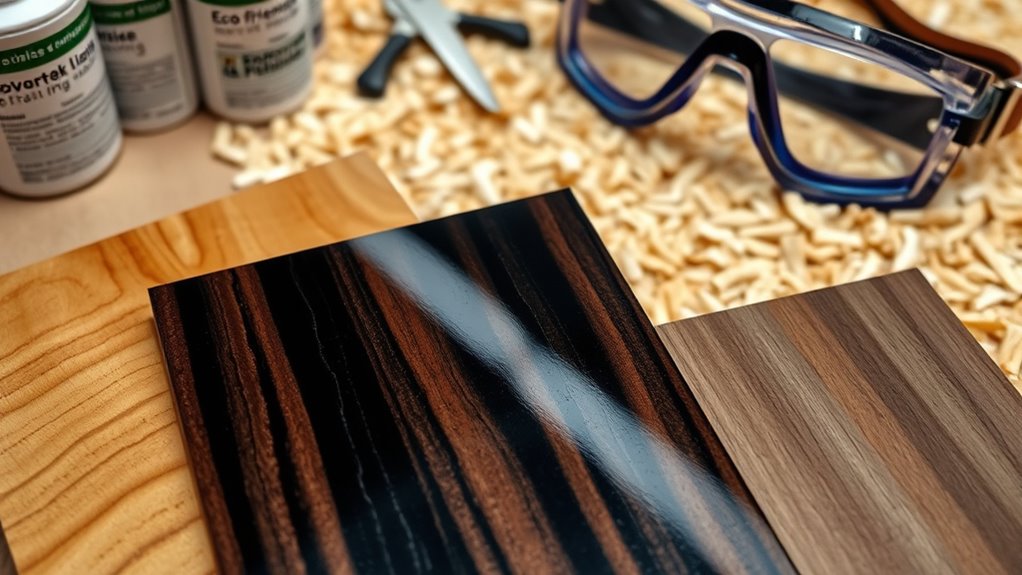
When choosing a wood finish, it’s important to think about its environmental impact and safety, as some products contain chemicals that can pose health risks during application and over time. Traditional finishes like oil, lacquer, and poly often include toxic chemical concerns, such as volatile organic compounds (VOCs), which can affect indoor air quality. To reduce these risks, look for eco-friendly alternatives made with natural or low-VOC ingredients. These options help minimize environmental harm and improve safety for you and your family. Always work in well-ventilated areas and wear protective gear when applying finishes. By selecting environmentally conscious products, you can enjoy beautiful wood surfaces without compromising health or the planet. Using keto-friendly ingredients can also be a good analogy for choosing safer, healthier finishing options that prioritize safety and environmental impact.
Cost and Accessibility of Finishing Options
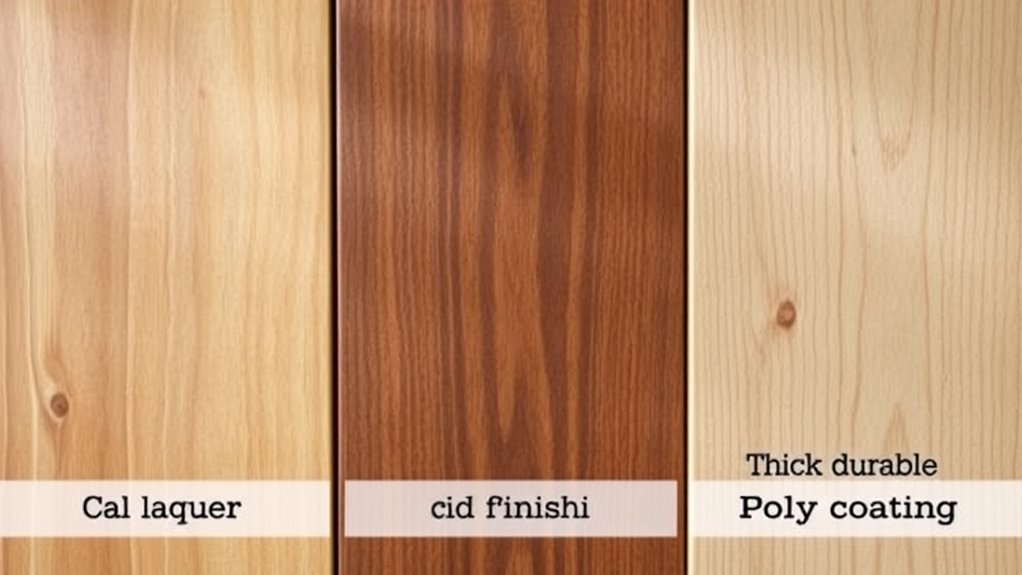
Choosing a wood finish involves considering not only safety but also how much it costs and how easily you can find it. Different finishes vary in price and availability, affecting your project budget and timeline. For example, oils tend to be affordable and widely accessible, while high-quality lacquers may be pricier and harder to find locally. To help you compare, here’s a quick overview:
| Finish Type | Cost Comparison | Accessibility Considerations |
|---|---|---|
| Oil | Low | Easy to find at hardware stores |
| Lacquer | Moderate to High | Available online, some local stores |
| Polyurethane | Low to Moderate | Widely accessible, DIY-friendly |
| Shellac | Moderate | Available at most craft stores |
| Epoxy | High | Specialized, may need ordering |
Understanding these factors helps you choose a finish suited to your budget and availability. Additionally, considering environmentally friendly options can contribute to sustainable projects.
Tips for Choosing the Right Finish for Your Project
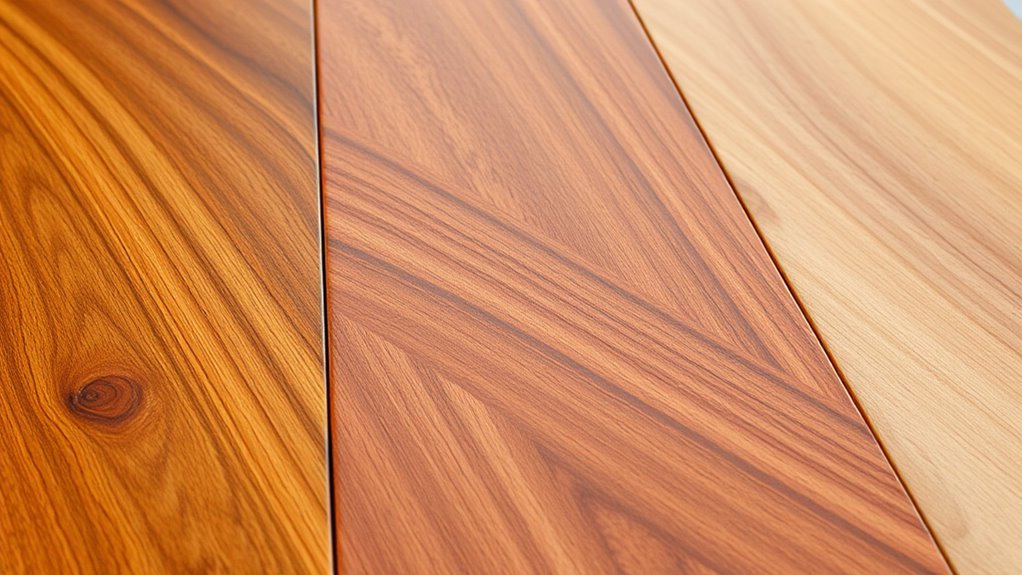
Selecting the right finish for your project depends on understanding your specific needs and goals. If you want to highlight the natural beauty of the wood grain, choose a finish that enhances color and provides clarity, like lacquer or oil. For projects where durability matters most, a polyurethane finish offers strong protection but may slightly mute the wood’s appearance. Consider how you want the wood to look over time—if you prefer a warm, rich tone, oil finishes penetrate deeply and deepen the color. For a sleek, glossy look, lacquer provides quick drying and a smooth surface. Ultimately, balance your desired aesthetic with functional needs to pick a finish that complements your project’s purpose and enhances its overall appearance. Being aware of resources and tools available can also help you make an informed decision.
Frequently Asked Questions
How Do Finishes Affect the Natural Look of Wood?
Finishes substantially impact the natural look of wood by enhancing its grain and altering its color. Oil finishes bring out the wood’s depth and warmth, highlighting grain details without a glossy shine. Lacquer offers a smooth, glossy surface that emphasizes the wood’s natural beauty while providing a sleek appearance. Poly finishes create a durable layer that can slightly mute or brighten the wood’s color, balancing protection with maintaining its authentic, natural appeal.
Can Finishes Be Reapplied or Touched up After Initial Application?
Just as a painter touches up a masterwork, you can reapply or touch up your wood finish. With proper touch-up techniques, you can restore areas that have worn or been damaged, making the finish look seamless. Whether it’s oil, lacquer, or poly, finish reapplication is possible and often straightforward. Just guarantee you clean the surface well and match your new coat to the original for a smooth, refreshed look.
What Are the Best Finishes for Outdoor Wood Furniture?
For outdoor wood furniture, you should choose a finish with strong weather resistance and UV protection. Polyurethane and exterior-grade spar varnish are excellent options because they create a durable barrier against moisture, sunlight, and temperature changes. These finishes help prevent cracking, fading, and warping. Make certain to reapply them periodically to maintain ideal protection. Proper preparation and cleaning before reapplication ensure your furniture stays beautiful and lasts longer outdoors.
How Long Does Each Finish Typically Last Before Reapplication?
Oil finishes usually last 6 months to a year before needing reapplication, depending on exposure and maintenance. Lacquer typically lasts around 1 to 2 years before reapplication, as it can chip or wear over time. Polyurethane offers the highest durability lifespan, often 3 to 5 years, making it suitable for outdoor furniture, but it may need reapplication sooner if exposed to harsh weather. Regular maintenance extends each finish’s lifespan.
Are There Finishes Suitable for Food-Contact Surfaces Like Cutting Boards?
Think of your cutting board as a trusty kitchen soldier—it’s essential to keep it safe. Food safe finishes, like mineral oil, beeswax, and certain commercial finishes, are perfect for food-contact surfaces. Finishing methods such as oiling or applying food-grade sealants ensure your board stays protected without risking health. Always choose finishes labeled food safe, and reapply as needed to maintain that safe barrier. Your board will thank you!
Conclusion
Choosing the right wood finish is like planting a seed—you’ll see your project grow beautifully with the right care. Whether you prefer the warm glow of oil, the sleek shine of lacquer, or the tough armor of polyurethane, each option offers unique benefits. Consider your environment, budget, and desired look. With the right finish, your woodwork becomes a lasting masterpiece, ready to weather life’s storms and shine bright for years to come.