
To choose better ventilation for damp rooms, start by evaluating the room size and selecting an exhaust fan with the right airflow capacity (CFM). Opt for energy-efficient models with features like humidity sensors or timers for automatic control. Install vents near moisture sources and make sure they vent directly outside to prevent indoor humidity build-up. Consider advanced options like heat recovery ventilators (HRVs) for better energy efficiency. Keep exploring to discover more tips for maintaining a dry, mold-free space.

Get furniture and decor delivered free with Prime
- Fast, free delivery on millions of items
- Prime Video, Amazon Music and more included
- Member-only deals all year
Key Takeaways
- Assess room size and moisture sources to select appropriately powered ventilation equipment.
- Opt for energy-efficient fans with automatic features like humidity sensors or timers.
- Install vents directly outside, targeting moisture-prone areas like showers and laundry.
- Consider advanced options like heat recovery ventilation (HRV) systems for energy efficiency.
- Ensure proper placement and installation to maximize airflow and prevent indoor moisture buildup.
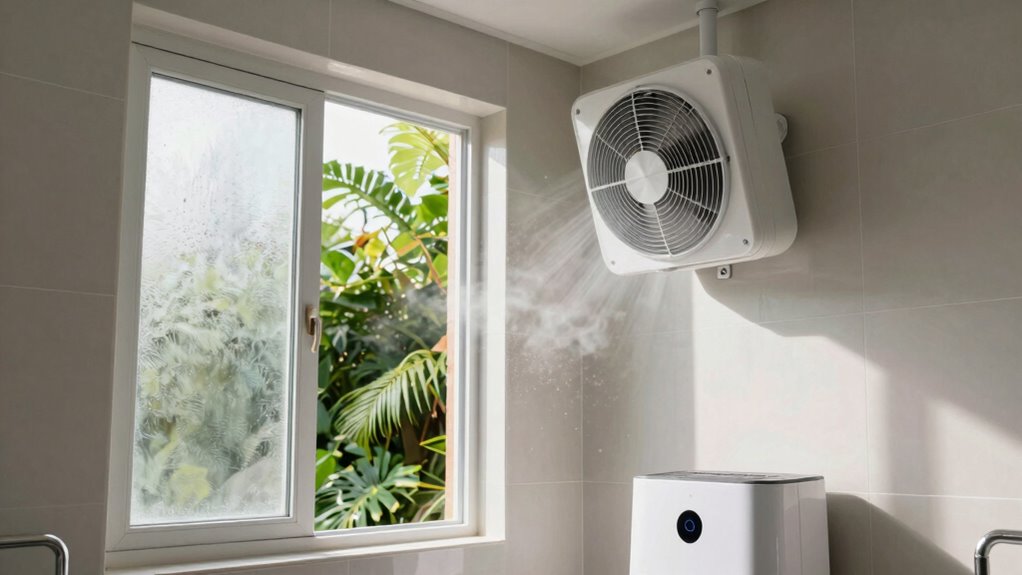
Have you ever wondered how much better your indoor air quality could be with the right ventilation? When dealing with damp rooms, this question becomes even more vital. Poor ventilation in areas like bathrooms, basements, or laundry rooms can lead to excessive moisture buildup, which fosters mold growth and damages your walls and furniture. Choosing the right ventilation system not only improves indoor air quality but also enhances energy efficiency, helping you save on heating and cooling costs.
Effective ventilation enhances indoor air quality and prevents mold in damp rooms.
To start, you need to assess your space carefully. Damp rooms typically require a ventilation method that effectively removes excess moisture while maintaining a comfortable indoor environment. An exhaust fan is a common choice, but you must guarantee it’s powerful enough for the size of the room. Look for models with a high airflow rate—measured in cubic feet per minute (CFM)—that matches the room’s square footage. This way, you can confirm rapid removal of humid air, preventing mold and condensation.
Energy efficiency should also be a key consideration. Select exhaust fans with energy-efficient motors that consume less power but still deliver strong airflow. Many modern fans come with built-in humidity sensors or timers, allowing automatic operation only when needed. This not only maintains ideal indoor air quality but also minimizes energy waste. Installing a timer or a humidity-sensing switch helps prevent fans from running unnecessarily, saving you money on electricity and reducing your carbon footprint. Additionally, choosing a ventilation system that integrates with your existing home setup can streamline installation and maintenance. Incorporating proper ventilation placement can further improve efficiency by targeting moisture sources directly. For optimal performance, it’s important to understand how indoor air quality impacts your overall health and comfort, especially in damp environments.
Another option to think about is a heat recovery ventilation (HRV) system, especially if you’re looking for a long-term, energy-efficient solution. HRVs transfer heat between outgoing and incoming air, helping to maintain indoor temperature while ventilating damp spaces. This system can greatly improve indoor air quality without sacrificing energy efficiency, making it ideal for cooler climates or energy-conscious households. Proper sizing and installation are crucial to ensure these systems operate effectively and provide optimal air exchange.
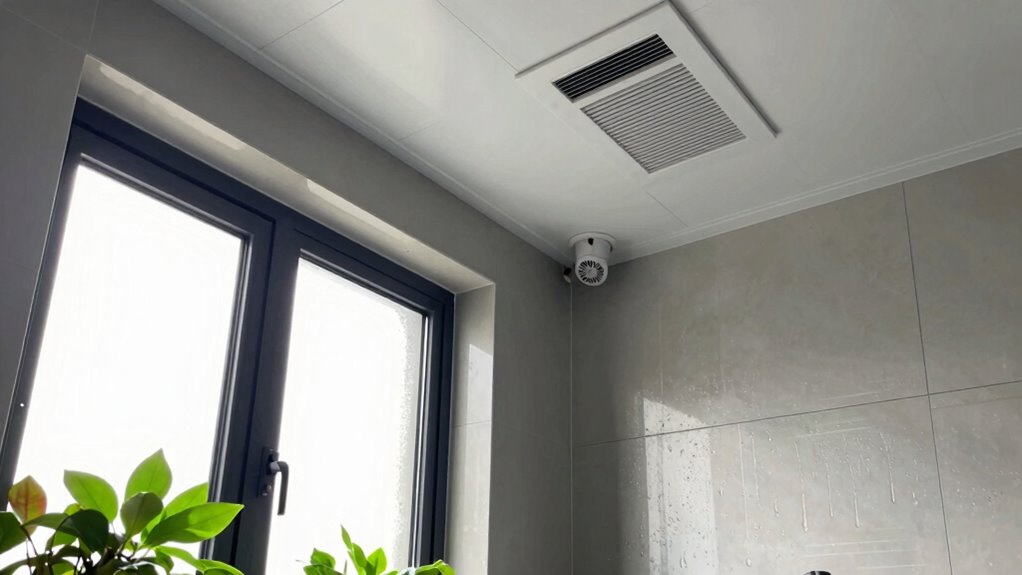
When selecting your ventilation method, don’t forget to factor in proper placement. Install exhaust fans near sources of moisture, such as showers or laundry machines, to ensure targeted removal of humid air. Also, ensure vents are vented directly outside, not into the attic or crawl space, to avoid spreading moisture and mold throughout your home.
bathroom exhaust fan with humidity sensor
As an affiliate, we earn on qualifying purchases.
As an affiliate, we earn on qualifying purchases.
Frequently Asked Questions
How Often Should I Ventilate Damp Rooms?
You should ventilate damp rooms at least several times a day, especially when humidity levels are high. Regular air circulation helps control humidity and prevents mold growth. Open windows or use exhaust fans to improve airflow, ideally for 10-15 minutes each time. If the room remains damp, increase ventilation frequency. Consistent air circulation is key to maintaining a dry, healthy environment and reducing moisture buildup.
Can Natural Ventilation Be Enough for Damp Spaces?
Natural ventilation can be enough for damp spaces if you open windows regularly, creating a revitalizing breeze that sweeps away indoor air moisture. Picture the gentle flow of fresh air, helping with humidity control and replacing stale indoor air. However, in consistently damp rooms, relying solely on natural methods might not be enough. Combine it with other ventilation options to guarantee your indoor air stays dry and healthy.
What Are the Signs of Inadequate Ventilation?
You’ll notice signs of inadequate ventilation when air quality drops, and moisture control becomes difficult. Look for persistent mold, a musty smell, condensation on windows, or damp patches on walls and ceilings. These issues indicate poor airflow, which traps moisture and worsens dampness. If you see these signs, it’s essential to improve ventilation to enhance air quality and prevent further damage caused by excess moisture.
How Do I Prevent Mold With Ventilation?
Like a refreshing gust clearing fog, proper ventilation keeps mold prevention on track. To prevent mold, guarantee good air quality by regularly airing out damp spaces and using exhaust fans. Keep humidity levels below 60%, and consider installing an air purifier if needed. Proper airflow dries out excess moisture, which is essential in stopping mold growth and maintaining a healthier, mold-free environment.
Are Energy-Efficient Ventilation Options Available?
Yes, energy-efficient ventilation options are available to improve air quality in damp rooms. Look for systems with high energy ratings, such as heat recovery ventilators (HRVs) or energy recovery ventilators (ERVs), which reduce energy use while maintaining good airflow. These systems help prevent mold and keep your home healthy by providing consistent, fresh air without wasting power. Selecting efficient ventilation systems guarantees better air quality and lower energy bills.
Conclusion
Just as the phoenix rises from its ashes, your damp room can be reborn into a healthier space with the right ventilation. By choosing the best system, you’re not just fighting mold and moisture—you’re reclaiming comfort and freshness. Remember, a well-ventilated room isn’t just about avoiding damage; it’s about creating a sanctuary where air circulates freely, nurturing your well-being. Take charge now, and let your space breathe easy, just like a new dawn.
Halloween Picks
halloween
As an affiliate, we earn on qualifying purchases.