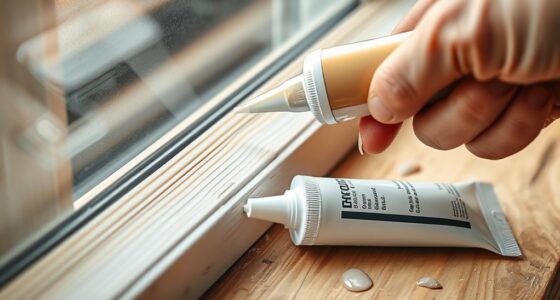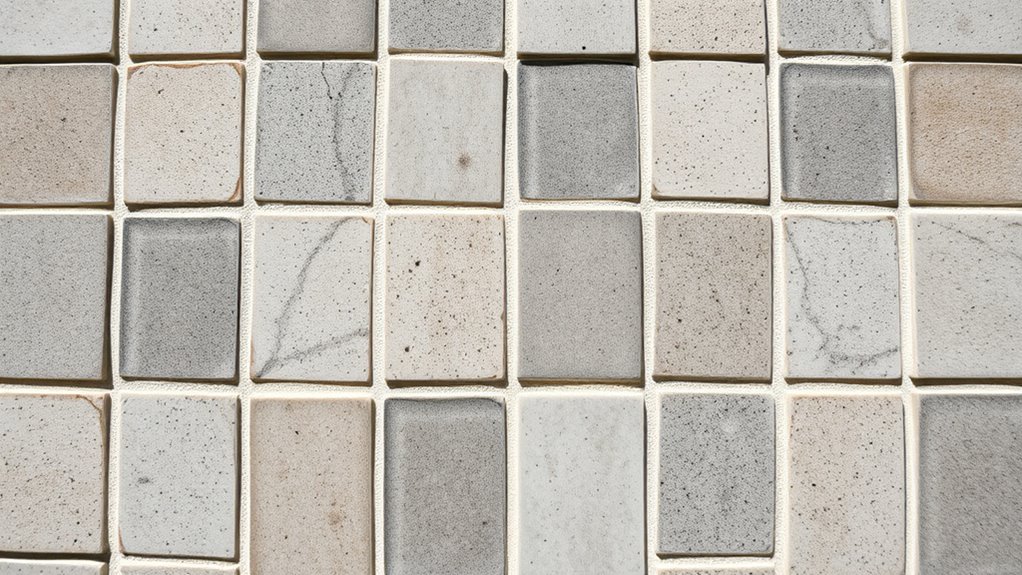

Choosing the right grout type and sealing method depends on your space and needs. Cement-based grout is affordable and easy to work with but may require sealing to prevent stains. Epoxy grout offers superior stain resistance and durability but needs careful application. Urethane grout is flexible and user-friendly. Proper sealing extends grout life and keeps it looking fresh. Keep exploring to discover tips on applying and maintaining your grout for best results.
Key Takeaways
- Different grout types (cement, epoxy, urethane) offer varied durability, flexibility, and aesthetic options suited for specific applications.
- Sealing grout prevents moisture, stains, and mold, extending its lifespan and maintaining appearance.
- Proper sealing involves choosing compatible sealants and applying evenly for a seamless, long-lasting finish.
- Regular maintenance and re-sealing every 1-2 years help preserve grout color, strength, and stain resistance.
- Selecting the right grout and sealant combination ensures optimal performance and enhanced tile surface longevity.

Miracle Sealants 511 Impregnator Advanced Penetrating Sealer for Countertops, Stone, Tile & Grout, Pint
For use inside or out on a variety of surfaces including sanded grout, ceramic tile, porcelain tile, glazed…
As an affiliate, we earn on qualifying purchases.
As an affiliate, we earn on qualifying purchases.
Cement-Based Grout: The Classic Choice
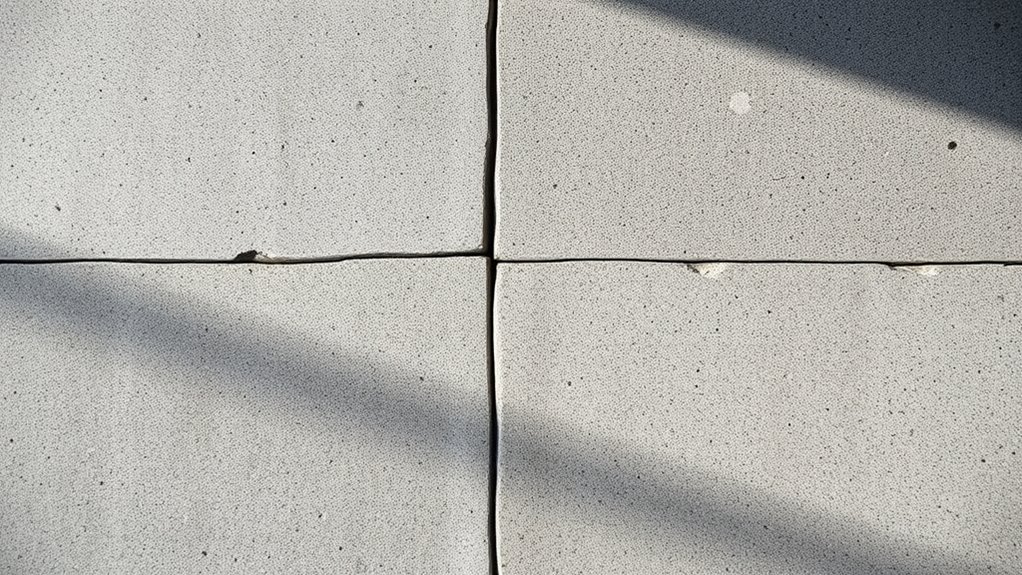
Cement-based grout remains a popular and reliable choice for many tiling projects because of its durability and affordability. Historically, it’s been used in a variety of construction settings, from ancient mosaics to modern bathrooms, demonstrating its long-standing versatility. Its aesthetic options are diverse, offering a range of colors and textures that can complement different tile styles. You can choose a classic, matte finish or a more polished look, depending on your design preferences. Cement grout is easy to work with and readily available, making it a go-to for DIY enthusiasts and professionals alike. While it may require sealing for added stain resistance, its proven track record and customizable appearance continue to make it a top choice in tiling projects. Additionally, understanding the importance of proper sealing can enhance its longevity and appearance over time.
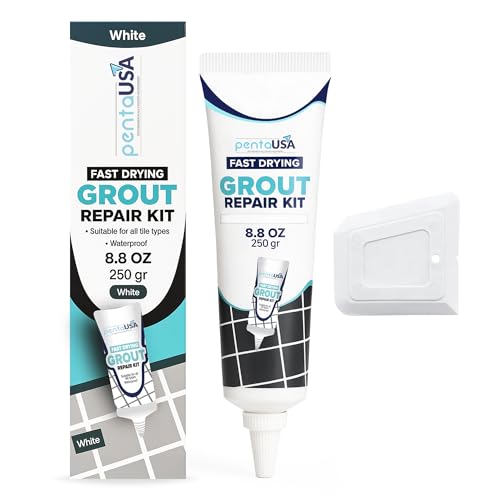
PentaUSA Tile Grout Repair Kit – White Grout Filler, Triple Protection, Fast Drying Formula Restores and Renews Grout Lines with Scraper (White, 8.8oz / 250gr)
UNIQUE FORMULA – Premixed grout is squeezable like caulk, after it dries, it becomes a REAL SANDED GROUT….
As an affiliate, we earn on qualifying purchases.
As an affiliate, we earn on qualifying purchases.
Epoxy Grout: Durable and Stain-Resistant

Have you considered how epoxy grout offers superior durability and stain resistance compared to traditional options? Its toughness makes it ideal for high-traffic areas and wet environments. Epoxy grout comes in a variety of color options, giving you flexibility in design. While installation techniques are more complex, proper preparation guarantees a strong, long-lasting bond. This type resists stains, mold, and moisture better than cement-based grouts. Keep in mind, it’s less forgiving during mixing and application, so precision is key. Use the table below to compare epoxy’s features:
| Feature | Benefits |
|---|---|
| Color options | Wide range for customization |
| Installation | Demands careful mixing and application techniques |
| Durability & stain resistance | Long-lasting, easy to clean, resistant to stains |
Additionally, understanding the different grout types can help you select the best option for your specific needs.

TruBlue Urethane Grout Float for Tile, Soft and Flexible Tile Grout Float Tool with Comfort Grip Handle, 3-1/2" x 9"
SOFT & FLEXIBLE URETHANE DESIGN – Pure urethane construction with a soft body and firm edges flexes to…
As an affiliate, we earn on qualifying purchases.
As an affiliate, we earn on qualifying purchases.
Urethane Grout: Flexible and Easy to Work With

Urethane grout stands out for its exceptional flexibility, making it an ideal choice for surfaces that experience movement or slight shifts. Its flexible installation allows it to adapt without cracking, which is especially beneficial in areas prone to expansion or contraction. You’ll find urethane grout easy to work with, thanks to its smooth, user-friendly application process. Unlike traditional grouts, it doesn’t require special mixing or extensive tools, allowing for quick and clean installation. Its forgiving nature makes it perfect for projects where ease of application is a priority. Plus, its flexibility helps maintain a durable, long-lasting seal even when the substrate moves. Overall, urethane grout combines ease of use with the ability to handle surface dynamics, ensuring a professional finish with less effort.

LATICRETE PERMACOLOR Grout Mushroom 25LB
Laticrete Globally Proven Construction Solutions
As an affiliate, we earn on qualifying purchases.
As an affiliate, we earn on qualifying purchases.
Sanded vs. Unsanded Grout: Which One Is Right?
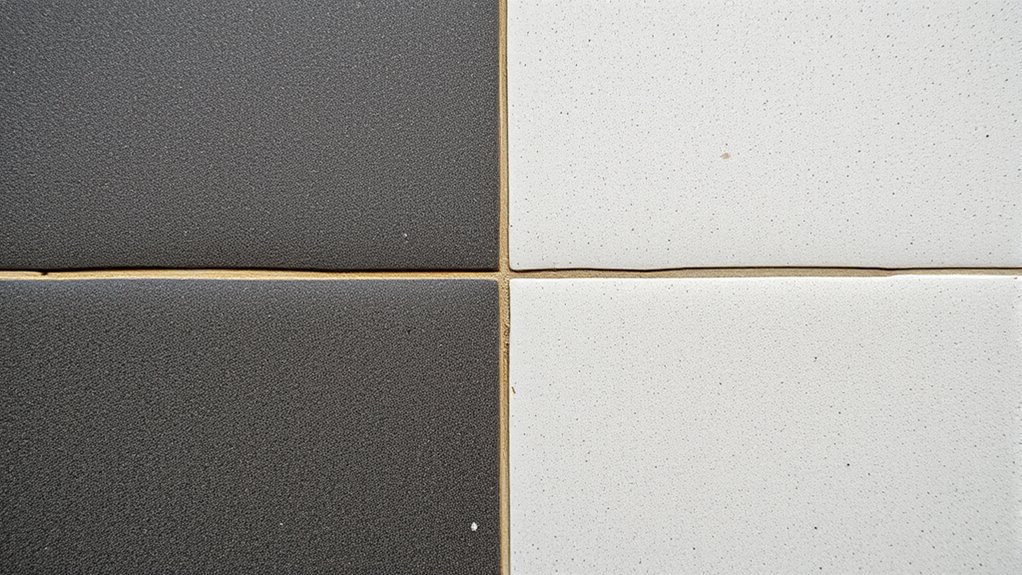
Choosing the right grout often depends on the specific application and the type of tiles you’re working with. Sanded grout is best for wider joints (over 1/8 inch), providing durability and preventing cracking. Unsanded grout suits narrower joints, offering smoother finishes and better color matching. Your installation techniques influence the choice, as proper cleaning and sealing enhance longevity. Additionally, considering color consistency can help achieve a uniform appearance across your tiled surface.
Unsanded Grout: Ideal for Fine Joints
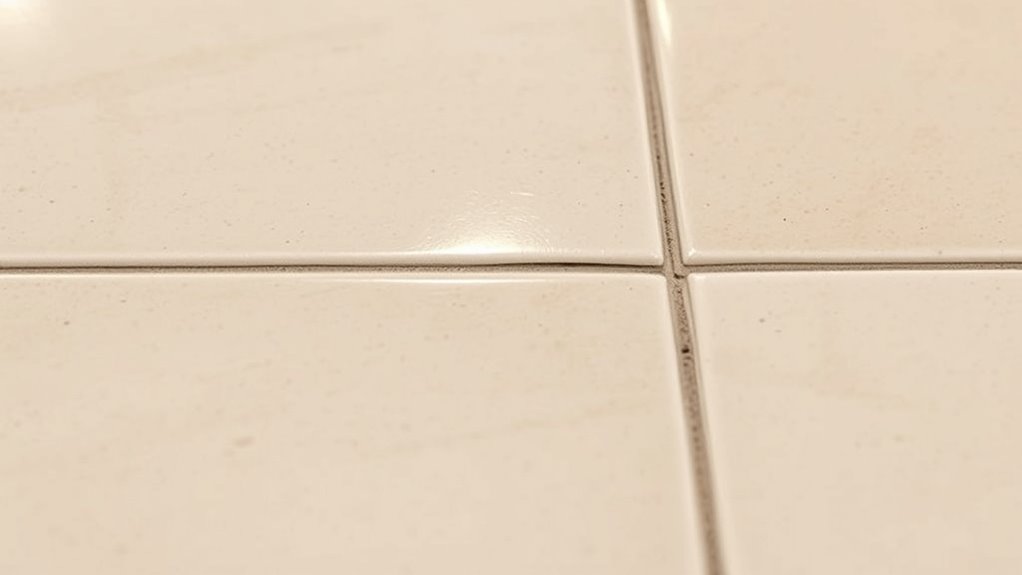
Unsanded grout is the ideal choice for fine joints, typically less than 1/8 inch wide, because it provides a smooth, uniform finish that enhances the appearance of delicate tiles. Its fine texture easily fills narrow spaces without scratching or damaging delicate tiles. You’ll find that unsanded grout adheres well to smooth surfaces, making it perfect for areas like backsplashes, countertops, or wall tiles. It’s easier to work with when applying between delicate tiles, ensuring a clean and seamless look. Unlike sanded grout, it won’t leave gaps or rough edges that could compromise the tile’s aesthetic or integrity. For fine joints, unsanded grout offers a sleek, professional finish that highlights the beauty of delicate tiles while maintaining durability. Additionally, since unsanded grout is less abrasive, it reduces the risk of damaging delicate tiles during application.
Grout Sealing: Why It Matters for Longevity
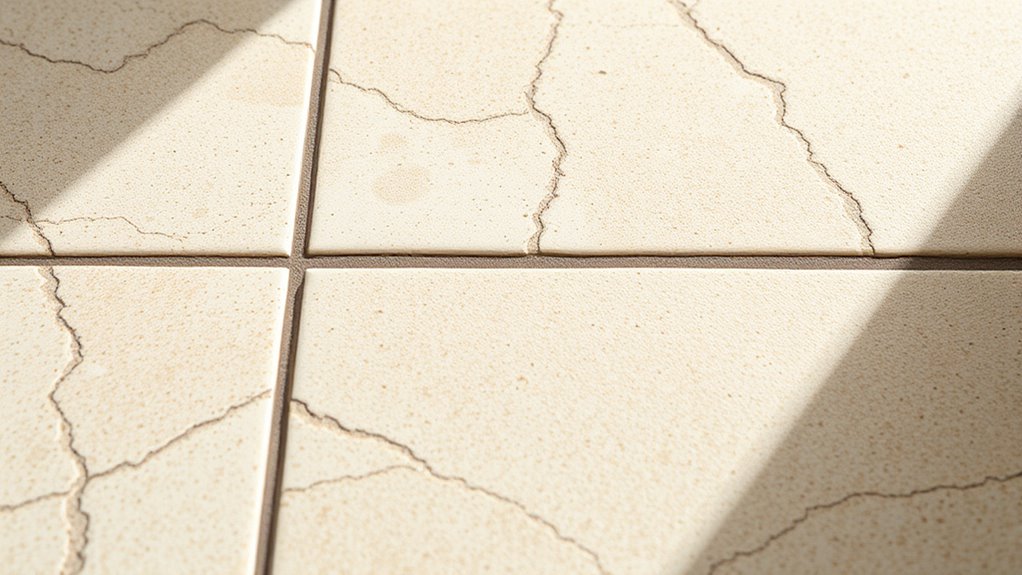
Properly sealing grout is essential for protecting your tile installation and ensuring it lasts over time. Sealing helps prevent moisture and stains from seeping into the porous grout, which can weaken its structure. Regular cleaning routines become more effective when grout is sealed, making it easier to remove dirt and grime without damaging the surface. Additionally, sealing preserves your chosen grout color options by preventing discoloration or staining that can occur with exposure to spills or cleaning agents. Without proper sealing, grout is more vulnerable to cracking, efflorescence, and mold growth, all of which compromise your tile’s durability. Investing in a good sealant prolongs the life of your grout, keeps it looking fresh, and saves you time and effort in maintenance. Incorporating sealing into your home improvement routine can also prevent the buildup of mold and mildew, which are common issues in damp areas.
When to Seal Your Grout and How Often
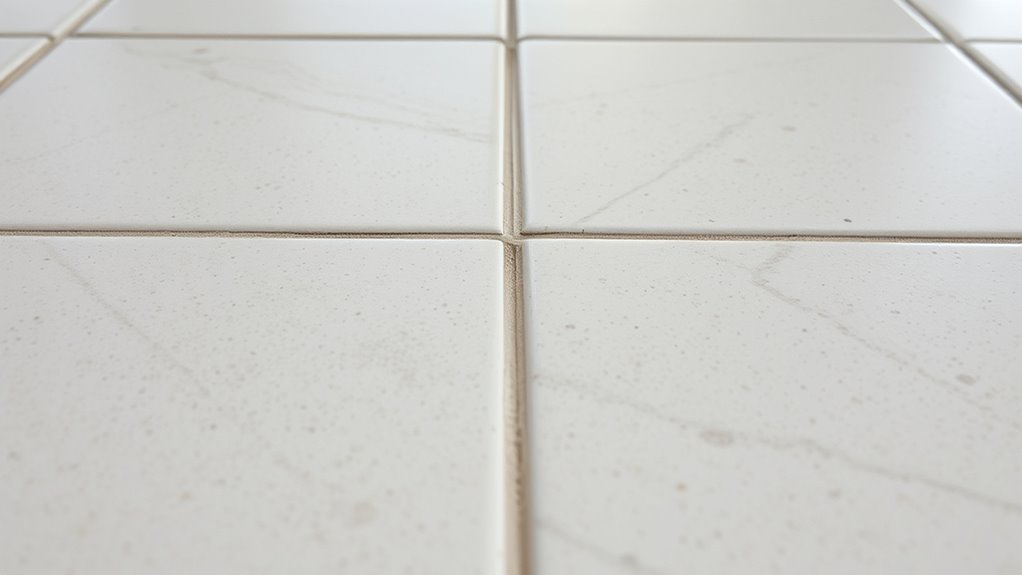
Knowing the right time to seal your grout is key to maintaining its durability and appearance. You should seal new grout after it has fully cured, usually within 48-72 hours, and then reseal every 1-2 years depending on traffic and cleaning techniques. Regularly inspect for stains or discoloration; if the grout begins to look dull or stained, it’s time to reseal. Proper sealing helps preserve color matching and protects against moisture. Use a damp cloth or gentle cleaning methods to keep grout clean between sealings. For added protection, consider using a reliable backup power system to ensure your home remains safe during maintenance or outages.
Choosing the Best Sealant for Different Grout Types
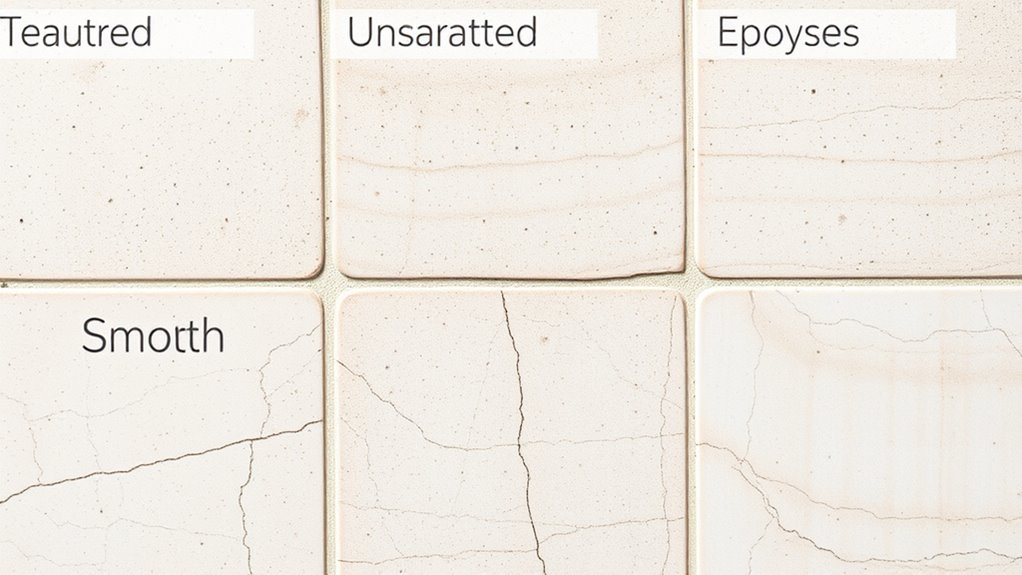
Choosing the right sealant depends on the type of grout you’ve used and its specific needs. For ideal results, consider sealants that match or complement your grout color to maintain a seamless look through color matching. Different grout types, like sanded or unsanded, may require specific sealants for maximum adhesion and durability. When selecting a sealant, evaluate the application techniques to ensure even coverage and penetration, especially in tight joints or textured surfaces. Proper application techniques help prevent gaps or uneven sealing, which can compromise protection. Always follow manufacturer instructions for the best results. Additionally, understanding the different grout sealing options available can help you select the most effective product for your project. By choosing a sealant suited to your grout type and applying it carefully, you’ll enhance the longevity and appearance of your tiled surface.
Tips for Applying and Maintaining Sealed Grout

Applying sealed grout correctly is crucial to guarantee long-lasting protection and a uniform appearance. To do so, ensure surfaces are clean and dry before application. Use proper cleaning techniques to remove dirt and residue, which helps the sealant adhere evenly. When sealing, select a product that matches your grout color for seamless results. After application, maintain your grout by regularly cleaning with gentle techniques, avoiding harsh abrasives that can damage the sealant. To visualize, consider this table:
| Step | Action | Tip |
|---|---|---|
| Cleaning | Use a neutral cleaner | Prevent residue buildup |
| Sealing | Apply with a brush or sponge | Follow manufacturer’s instructions |
| Color matching | Choose sealant that blends seamlessly | For a uniform look |
| Maintenance | Regularly clean and reseal as needed | Extend lifespan of grout |
Consistent care preserves your grout’s appearance and durability. Additionally, understanding sealant compatibility can help prevent issues like peeling or discoloration over time.
Frequently Asked Questions
Can Grout Colors Be Customized Beyond Standard Options?
Yes, you can customize grout colors beyond standard options through custom color options and grout dyeing. You choose specific shades or create unique hues by applying grout dyes, which allow you to match or enhance your tile design perfectly. Grout dyeing is a simple, effective way to update or personalize your space, giving you more flexibility than limited factory colors and helping you achieve the exact look you envision.
Which Grout Type Is Best for Outdoor or High-Moisture Areas?
For outdoor or high-moisture areas, you should choose epoxy grout. It offers superior exterior durability and moisture resistance, making it ideal for harsh conditions. Unlike traditional cement-based grouts, epoxy resists stains, cracking, and mold growth, ensuring your surfaces stay clean and intact longer. You’ll appreciate its durability and low maintenance, especially in environments exposed to constant moisture or weather changes.
How Does Grout Absorption Affect Sealing Requirements?
Grout absorption considerably impacts sealing requirements because porosity issues determine how much moisture the grout can absorb. Higher absorption impact means the grout is more porous, making it essential to seal thoroughly to prevent water penetration, staining, and mold growth. You should choose a high-quality sealer for highly porous grout, ensuring long-lasting protection. Proper sealing minimizes porosity issues, preserves grout integrity, and keeps your surfaces looking clean and durable.
Are There Eco-Friendly Grout and Sealant Options Available?
Did you know that over 80% of homeowners now prefer eco-friendly products? Yes, eco-friendly grout and sealant options are available. You can choose biodegradable solutions and environmentally safe chemicals that reduce harmful impacts without sacrificing quality. These options are perfect if you want to protect the planet while maintaining beautiful, durable surfaces. Switching to eco-conscious products is a smart choice for your home and the environment.
What Are Common Mistakes to Avoid When Sealing Grout?
You should prevent sealing mistakes caused by improper application, which can lead to ineffective sealing or damage. Make sure you clean and dry the grout thoroughly before applying sealant. Don’t rush the process or skip the curing time. Using too much sealant or applying it unevenly can cause pooling or uneven finish. Always follow the manufacturer’s instructions carefully to ensure proper sealing and long-lasting results.
Conclusion
So, next time you see your grout looking tired and unloved, remember—skipping sealing is like leaving your favorite tiles exposed to a monsoon without an umbrella. Without proper care, that once pristine surface could turn into a muddy mess faster than you can say “grout disaster.” Keep your tiles happy, your grout sealed, and your home looking sharp—because nobody wants their bathroom to resemble a swamp. Stay vigilant, and your grout will thank you!