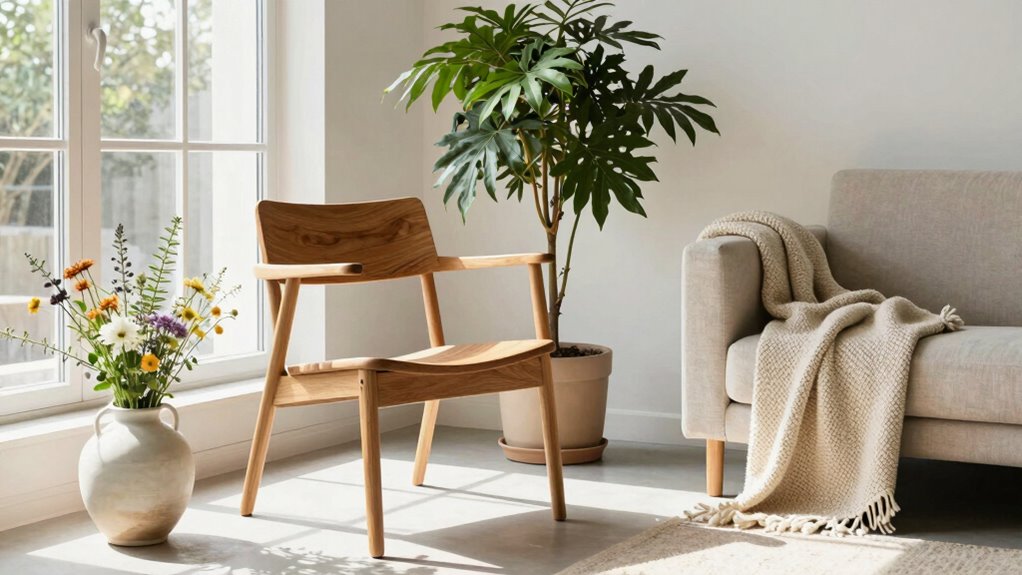

To follow the sustainable decor rule—buy fewer, buy better—you focus on choosing high-quality, timeless pieces that last longer. Prioritize eco-friendly materials like bamboo, reclaimed wood, and organic cotton, which support a more sustainable environment. Avoid trendy items and consider repurposing or upcycling what you already have for a personal touch. This mindful approach creates a stylish, eco-conscious home and helps reduce waste. Keep exploring to discover how to make your space even more sustainable.

Get furniture and decor delivered free — and shop member deals
- Fast, free delivery on millions of items
- Access to Prime Big Deal Days deals on October 6–7
- Prime Video, Amazon Music and more included
Key Takeaways
- Prioritize high-quality, timeless items that last longer to reduce the need for frequent replacements.
- Choose eco-friendly materials like reclaimed wood and organic cotton to support sustainability.
- Upcycle and creatively repurpose existing objects to add unique decor without new purchases.
- Support brands committed to ethical production and sustainable sourcing to ensure responsible consumption.
- Focus on creating a mindful, clutter-free space that reflects your values and promotes environmental wellness.
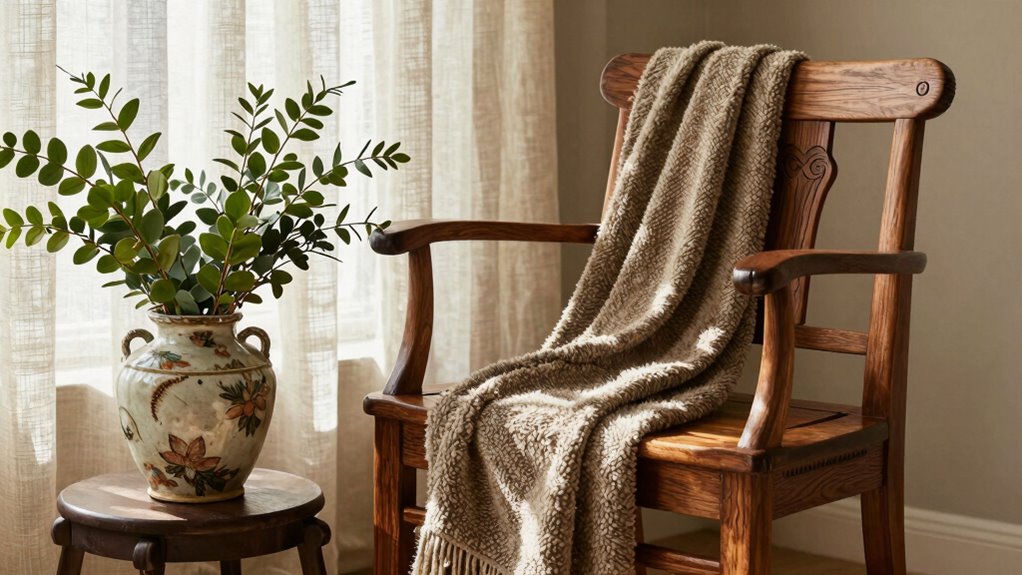
Creating a sustainable home decor style doesn’t have to be complicated or expensive. In fact, focusing on quality over quantity is one of the simplest and most impactful ways to embrace the sustainable decor rule: buy fewer, buy better. Instead of constantly chasing after every trendy piece, you can invest in timeless, well-made items that serve you well for years. This approach not only reduces waste but also encourages a more mindful relationship with your home environment. When you choose to buy fewer items, you’re naturally inclined to select pieces crafted from eco friendly materials, which minimizes your ecological footprint. Think bamboo, reclaimed wood, organic cotton, and other sustainable resources that are less harmful to the planet.
Choose quality over quantity with timeless, eco-friendly decor that reduces waste and nurtures a mindful, sustainable home.
To truly embrace this philosophy, consider upcycling ideas—transforming old or discarded objects into stylish decor pieces. An old wooden ladder can become a charming bookshelf, while glass jars can serve as planters or storage containers. Upcycling allows you to give new life to items you already own, reducing waste and adding a personal touch to your decor. It’s a creative way to incorporate eco friendly materials into your space without buying new, mass-produced objects. Plus, upcycled decor often carries a unique charm that mass-market items can’t match, making your home feel more authentic and personalized. Incorporating sustainable materials into your decor choices can also enhance the overall eco-consciousness of your space. Being aware of the environmental impact of your purchases helps you make more informed decisions aligned with sustainability goals.
When you buy better, you’re making a conscious choice to support brands that prioritize sustainability. Look for companies committed to ethical production, fair labor practices, and eco friendly materials. These investments tend to last longer, saving you money over time and decreasing the need for frequent replacements. The idea is to create a curated collection of quality pieces that will stand the test of time, rather than filling your space with cheap, disposable items. This way, you’re cultivating a more intentional home, one that reflects your values and promotes environmental wellness. Additionally, educating yourself on sustainable sourcing can help you identify truly eco-friendly brands and products. Researching a brand’s supply chain ensures that their ethical and sustainable practices align with your values. Furthermore, choosing items with a minimalist aesthetic can help you maintain a clutter-free, sustainable space that emphasizes quality over quantity.
Ultimately, the key to sustainable decor is shifting your mindset from quantity to quality. Focus on selecting fewer, better pieces that are crafted with care and designed for longevity. Use upcycling ideas to breathe new life into existing items and choose eco friendly materials whenever possible. This not only benefits the environment but also results in a home that feels more meaningful, stylish, and uniquely yours. By buying fewer, buying better, you create a space that’s both beautiful and sustainable—proof that good design and eco-consciousness can go hand in hand.
eco-friendly reclaimed wood furniture
As an affiliate, we earn on qualifying purchases.
As an affiliate, we earn on qualifying purchases.
Frequently Asked Questions
How Do I Identify Truly Sustainable Decor Brands?
To identify truly sustainable decor brands, look for transparency about their sourcing and production. Check if they use eco-friendly materials and prioritize fair labor practices. Research their certifications, such as Fair Trade or FSC, which indicate responsible practices. Trust brands that openly share their sustainability efforts and avoid those with vague claims. By choosing brands committed to environmental and ethical standards, you guarantee your decor aligns with your values.
Are Secondhand Items Always More Eco-Friendly?
Secondhand items often are more eco-friendly because they leverage upcycling innovations and reduce waste, but they aren’t always perfect. Vintage authenticity can sometimes mean higher environmental impact if items require extensive restoration or have hidden hidden issues. You should consider the item’s condition, origin, and how it was made. If you prioritize durability and history, secondhand pieces can be a sustainable choice, but weigh these factors carefully.
How Can I Tell if Furniture Is Ethically Sourced?
You can spot ethically sourced furniture by looking for clear ethical certification labels like FSC or Fair Trade, which guarantee responsible practices. Always ask about fair labor conditions and where the materials come from. Trust your instincts—if something feels off, it probably is. Remember, furniture isn’t just an item; it’s a statement of your values. Choosing ethically sourced pieces guarantees you support fair wages and sustainable practices.
What Are Common Greenwashing Tactics in Decor?
You should watch out for eco label claims that seem too good to be true, as these can be forms of greenwashing. Some companies use misleading certifications or vague language to appear eco-friendly without meeting genuine standards. Always research certifications, check for transparency, and verify claims independently. If a product’s eco credentials seem exaggerated or unclear, it’s likely a tactic to attract eco-conscious buyers without truly prioritizing sustainability.
How Often Should I Replace or Upgrade My Decor?
You should consider upgrading your decor when its longevity begins to fade or no longer aligns with your style. Typically, this means every 5 to 10 years, but it varies based on quality and use. Regularly assess your decor’s condition and environmental impact. Prioritize durable, timeless pieces that last longer, reducing waste. This approach balances your aesthetic desires with sustainability, ensuring your space remains fresh without unnecessary replacements.
Conclusion
By choosing quality over quantity, you craft a home that’s not just beautiful but also kind to the Earth. Think of your space as a garden—you nurture it with mindful choices, allowing each piece to bloom with purpose. When you buy fewer, better items, you’re planting seeds of sustainability that grow into a lush, timeless sanctuary. So, embrace this rule—let your decor tell a story of conscious elegance that lasts through seasons and trends.
Fall Picks
fall essentials
As an affiliate, we earn on qualifying purchases.