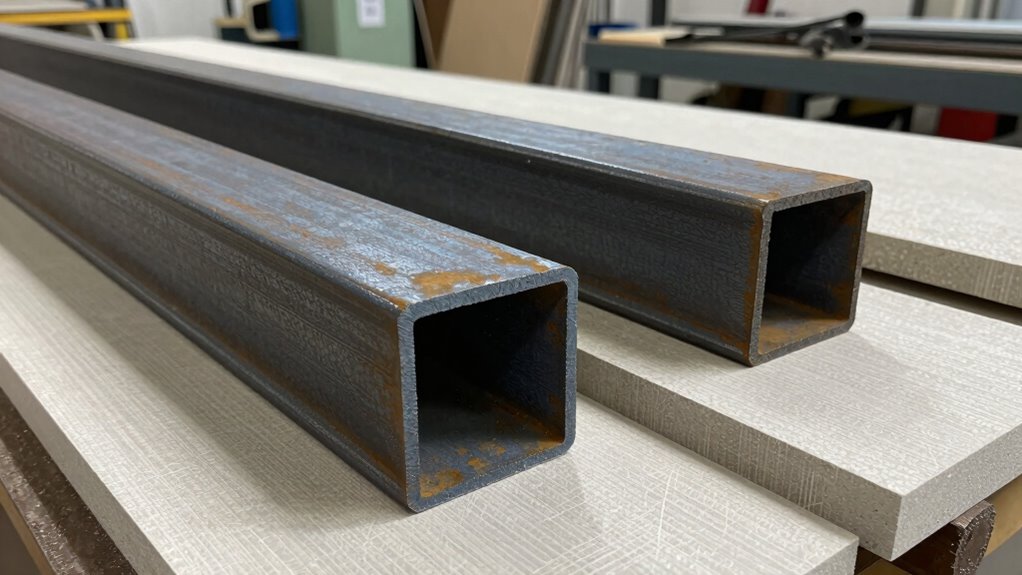

To choose durable materials that reduce replacement cycles, focus on options resistant to harsh conditions like moisture, UV rays, and temperature fluctuations. Prioritize materials with proven resilience and certifications, ensuring proper installation and quality craftsmanship. Consider eco-friendly options like recycled metals or reclaimed wood that support sustainability without sacrificing strength. Weigh initial costs against long-term savings from fewer repairs and replacements. Keep these principles in mind, and you’ll find effective ways to create long-lasting projects and more.

Get furniture and decor delivered free with Prime
- Fast, free delivery on millions of items
- Prime Video, Amazon Music and more included
- Member-only deals all year
Key Takeaways
- Assess environmental conditions to select materials resistant to moisture, UV, and temperature fluctuations.
- Prioritize materials with proven durability certifications and long-term performance data.
- Balance initial costs with anticipated savings from reduced maintenance and replacement needs.
- Opt for eco-friendly, recyclable, or renewable materials that support sustainability and longevity.
- Ensure proper installation and craftsmanship to maximize material lifespan and prevent premature failure.

Have you ever wondered how to guarantee your projects stand the test of time? Choosing durable materials is the key. When you select materials that last longer, you not only reduce the frequency of replacements but also save money in the long run. To do this effectively, you need to deliberate a blend of eco-friendly alternatives and thorough cost benefit analysis. Eco-friendly options are increasingly available, offering sustainability without sacrificing strength and longevity. These materials often come from renewable sources or are designed to be recyclable, which helps minimize environmental impact while providing durability. For instance, bamboo, recycled metals, or reclaimed wood can serve as eco-friendly alternatives that withstand wear and tear over time.
A vital step in your decision-making process is conducting a cost benefit analysis. This involves weighing the initial costs against the long-term savings gained through fewer replacements and lower maintenance needs. Sometimes, more expensive materials may have higher upfront costs, but they tend to be more durable and require less upkeep, ultimately saving you money. Other times, opting for cheaper, less durable options may lead to frequent repairs or replacements, increasing overall costs and effort. By evaluating these factors, you make smarter choices that align with your project’s sustainability goals and budget constraints. Incorporating sustainable sourcing practices can further enhance the environmental benefits of your material choices.
Moreover, it’s essential to understand the specific conditions your materials will face. For example, if your project is exposed to harsh weather, choose materials proven to withstand moisture, UV rays, or temperature fluctuations. When durability is your priority, look for materials with established track records or certifications indicating their resilience. Proper installation is also crucial, as even the best materials can fail prematurely if not installed correctly. Quality craftsmanship enhances the lifespan of your chosen materials, ensuring you get the maximum benefit from your investment. Additionally, understanding the role of biodiversity in material sourcing can guide you to more sustainable options that support ecological balance. Recognizing how durability standards influence material selection can also help ensure your projects meet safety and longevity criteria.
Finally, weigh the future implications of your choices. Eco-friendly alternatives not only help the environment but often comply with evolving regulations and standards. Selecting sustainable, durable materials today positions your project as forward-thinking, reducing the need for early replacements and contributing positively to your reputation. When you approach material selection with an emphasis on longevity, environmental impact, and economic efficiency, you set yourself up for success—creating projects that truly stand the test of time and minimize unnecessary cycles of replacement. Incorporating material longevity as a core criterion ensures your investments remain resilient over time. Moreover, understanding the importance of eco-friendly materials can guide you toward choices that benefit both the environment and your project’s durability.
Products Worth Considering

Philips Hue Festavia Globe Outdoor String Lights, 32 Bulbs, 91 ft

LG C2 Series 65-Inch OLED evo 4K Smart TV (OLED65C2PUA, 2022)

Ring Battery Doorbell Plus, Satin Nickel
As an affiliate, we earn on qualifying purchases.
Frequently Asked Questions
How Do Climate Conditions Affect Material Durability?
Climate conditions directly impact material durability by testing their resilience, so climate adaptation is essential. In hot, humid areas, materials must handle moisture and temperature fluctuations, while cold climates demand resistance to freezing and thawing cycles. To guarantee long-lasting use, choose materials with high resilience tailored to your environment. This way, you reduce replacement cycles, save costs, and maintain structural integrity despite changing climate conditions.
What Are the Environmental Impacts of Durable Materials?
Durable materials can positively impact the environment by enhancing recycling potential, allowing you to reuse more and reduce waste. They also streamline your supply chain, as fewer replacements mean less resource consumption and lower transportation emissions. By choosing materials with high durability, you help minimize environmental footprints, conserve natural resources, and promote sustainability, making your projects more eco-friendly and efficient in the long run.
Can Cost Influence the Selection of Durable Materials?
Yes, cost considerations considerably influence your choice of durable materials, especially when working within budget constraints. While investing in high-quality, long-lasting materials might seem costly upfront, they can reduce replacement cycles and save money over time. You need to weigh the initial investment against long-term benefits, ensuring you select materials that fit your budget while offering durability and sustainability. Prioritizing cost-effective options can help you balance quality and affordability.
How Do Maintenance Practices Extend Material Lifespan?
Imagine you’re a knight maintaining your armor in a medieval tapestry—this is how proper maintenance practices extend material lifespan today. You should follow strict maintenance schedules and apply surface treatments like sealants or coatings regularly. These actions protect materials from wear, corrosion, and damage, ensuring they last longer. Consistent upkeep reduces the need for replacements, saving costs and time, and keeps everything functioning smoothly for the long haul.
Are There Industry Standards for Measuring Material Durability?
Yes, industry standards for measuring material durability exist. You should look for material testing results that align with established durability standards, such as ASTM or ISO certifications. These standards specify testing methods and performance criteria, helping you assess how well a material can withstand environmental conditions and usage over time. By comparing these standards, you can select materials that offer proven longevity, reducing replacement cycles and maintenance costs.
Conclusion
By selecting durable materials, you not only extend the lifespan of your projects but also save time and money in the long run. Don’t you want to invest in quality that truly lasts? Remember, making informed choices about material durability is key to reducing replacement cycles and ensuring your work stands the test of time. So next time you’re planning a project, ask yourself: are you choosing materials that will stand the test of time, or just the test of today?