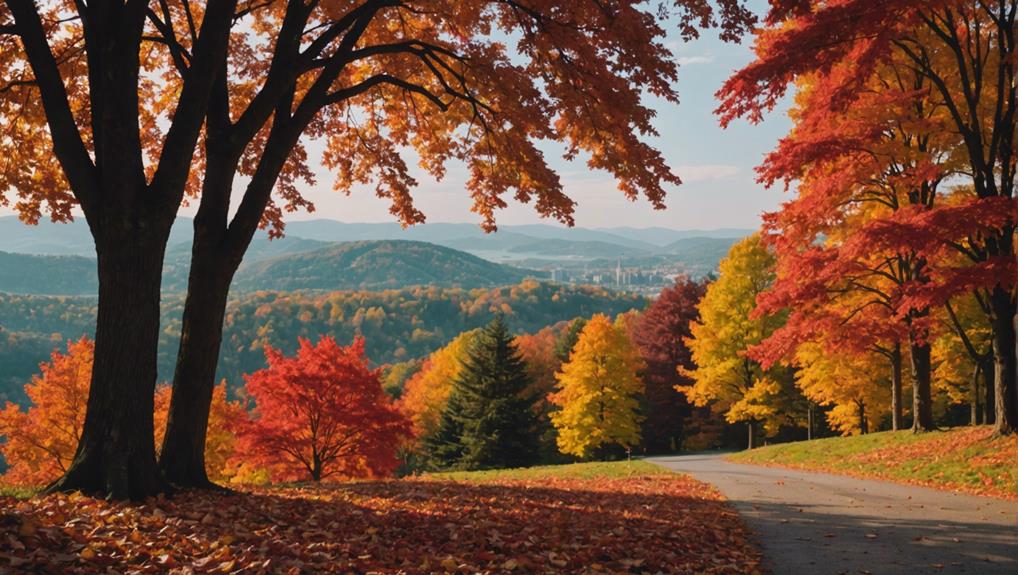
If you’re looking for a red maple tree, the American Red Maple, 2–3 Feet Tall is my best overall pick for buyers who want an established Acer rubrum without starting from seed. The Autumn Blaze Maple suits those seeking a named landscape cultivar, while the SVI seed pack is a lower-commitment option for patient growers. The main tradeoffs are time to establishment, cultivar certainty, and how many trees you need. Japanese maple and multi-tree packs serve different goals, from compact ornamental color to broader planting. Read on for how I rank the six options and which one fits your plans.

Get furniture and decor delivered free with Prime
- Fast, free delivery on millions of items
- Prime Video, Amazon Music and more included
- Member-only deals all year
Complete the kit


Key Takeaways
- The American Red Maple earns my overall spot because its 2–3-foot size offers a head start over seeds while remaining a straightforward single-tree choice.
- Autumn Blaze is the cultivar-focused pick; buyers should confirm its mature size and site fit rather than assume every red maple grows alike.
- SVI seeds require the most patience and growing skill, making them a better fit for raising several seedlings than for quickly adding shade.
- The 10-pack and Brandywine pair suit multi-tree plans, but buying several young trees only pays off when the planting site can accommodate them.
- Bloodgood Japanese maple is the compact ornamental alternative, not a direct substitute for a full-sized native red maple.
| Autumn Blaze Maple Tree, 1-Gallon Nursery Pot |  | Best for Fast Landscape Impact | Plant type: Deciduous tree | Mature height: 35–50 feet | Mature spread: 30–40 feet | VIEW ON AMAZON | See Our Full Breakdown |
| SVI Red Maple Tree Seeds, 50 Heirloom Acer rubrum Seeds |  | Best for Patient Growers | Quantity: 50 seeds | Botanical name: Acer rubrum | Expected height: Up to 80 feet | VIEW ON AMAZON | See Our Full Breakdown |
| American Red Maple Tree, 2–3 Feet Tall |  | Best Ready-to-Plant Red Maple | Brand: DAS Farms | Plant type: Red maple tree | Height when shipped: 2–3 feet | VIEW ON AMAZON | See Our Full Breakdown |
| Red Maple Live Trees (10 Pack), Acer rubrum |  | Best for Multi-Tree Planting | Quantity: 10 live trees | Botanical name: Acer rubrum | Brand: Florida Foliage | VIEW ON AMAZON | See Our Full Breakdown |
| Bloodgood Japanese Maple Live Tree, 2-Year-Old |  | Best Compact Red Foliage | Plant: Acer palmatum ‘Bloodgood’ | Age: 2 years | Foliage: Deep red | VIEW ON AMAZON | See Our Full Breakdown |
| Two Brandywine Red Maple Trees, Live Plants, 2–3 Feet Tall |  | Best for Planting a Matched Pair | Brand: DAS Farms | Plant type: Brandywine Red Maple | Quantity: 2 trees | VIEW ON AMAZON | See Our Full Breakdown |
| looking red maple tree | USDA hardiness zones | Plant type | Sunlight exposure | Moisture needs |
|---|---|---|---|---|
| Autumn Blaze Maple Tree | 3–8 | Deciduous tree | Full sun | — |
| SVI Red Maple Tree Seeds | 3–9 | — | — | — |
| American Red Maple Tree | 3–9 | Red maple tree | Full sun | Regular watering |
| Red Maple Live Trees | — | Shrub and hedge, as listed | Full sun | Drought tolerant once established |
| Bloodgood Japanese Maple Live | 5–8 | — | — | Moderate watering |
| Two Brandywine Red Maple Trees | 3–9 | Brandywine Red Maple | Full sun | Regular watering |
More Details on Our Top Picks
Autumn Blaze Maple Tree, 1-Gallon Nursery Pot
Fast growth and a broad, rounded canopy make this the strongest choice here for buyers who want shade and seasonal color from a planted tree. Its leaves shift from green to orange and red in fall, giving it a different look from the Bloodgood Japanese Maple, which keeps its deep red foliage and stays much smaller. The tradeoff is space: at 35–50 feet tall and 30–40 feet wide, this maple needs room to mature. It also ships as a one-gallon nursery plant, so it will not provide the immediate scale of a larger specimen, and regular watering matters while it establishes. Compared with growing the SVI seeds, it skips the germination and stratification steps, though buyers still need to tend a young tree.
Pros:- Fast-growing habit can bring shade sooner than seed-grown options
- Rounded canopy offers broad shade as the tree matures
- Orange and red fall color adds seasonal variety
- Hardy across USDA Zones 3–8
Cons:- Mature size requires a large planting area
- Needs regular watering while establishing
- Cannot ship to California, Arizona, Alaska, or Hawaii
Best for: Homeowners with a sunny, open yard who want a fast-growing shade tree with orange-red fall color
Not ideal for: Gardeners with small yards or restricted shipping destinations; it needs substantial room and cannot ship to California, Arizona, Alaska, or Hawaii
- Plant type:Deciduous tree
- Mature height:35–50 feet
- Mature spread:30–40 feet
- USDA hardiness zones:3–8
- Sunlight exposure:Full sun
- Soil:Moist, well-drained
- Container size:1-gallon nursery pot
- Shipping restrictions:Cannot ship to California, Arizona, Alaska, or Hawaii
Our verdict“Choose this maple for a sunny, spacious yard where quicker shade and orange-red fall foliage matter more than compact size.”
SVI Red Maple Tree Seeds, 50 Heirloom Acer rubrum Seeds
Fifty Acer rubrum seeds suit gardeners who want to raise red maples from the start and can wait through the preparation and growth stages. They’re described as adaptable to full sun or partial shade and sandy to clay soil, while the included guidance gives a clear sowing depth and spring planting period. The main cost is time and uncertainty: seeds need a 24-hour soak and 30 days of cold stratification before sowing, and they won’t deliver a ready-to-plant tree like the 2–3-foot DAS Farms American Red Maple. Mature trees can reach 80 feet, so this packet is a poor fit for tight spaces; the suggested 60-foot specimen spacing makes that scale hard to ignore. Compared with the ten-tree live pack, this is a slower route that gives the grower more of the raising process to manage.
Pros:- Includes 50 heirloom, non-GMO seeds
- Acer rubrum offers the scarlet fall color associated with red maples
- Listed for full sun to partial shade and sandy to clay soils
- Planting directions specify preparation, depth, and spacing
Cons:- Requires soaking and 30 days of cold stratification before sowing
- Seed growth takes substantially longer than planting a live tree
- Mature size and recommended specimen spacing call for considerable land
Best for: Gardeners who enjoy starting trees from seed, have room for large maples, and can plan a season ahead
Not ideal for: Buyers seeking an immediate landscape tree or those without space for mature trees and seedling care
- Quantity:50 seeds
- Botanical name:Acer rubrum
- Expected height:Up to 80 feet
- USDA hardiness zones:3–9
- Sun exposure:Full sun to partial shade
- Soil type:Sandy to clay
- Seed preparation:Soak 24 hours and cold stratify 30 days
- Expected planting period:Spring
- Recommended specimen spacing:60 feet
Our verdict“Pick these seeds if you want the hands-on, slower route to red maples and have the space to grow them on.”
American Red Maple Tree, 2–3 Feet Tall
A 2–3-foot live tree with planting instructions makes this a practical middle ground between seed starting and buying a multi-tree pack. The DAS Farms American red maple is ready for planting in the ground, with a listed 30-day transplant guarantee when buyers follow the instructions. That gives it a more direct path to a single established landscape planting than the SVI Red Maple seeds, which require pretreatment and time to grow. Its expected 60-foot height means it still calls for a long-term site plan, while the Bloodgood Japanese Maple is better suited to compact gardens and containers. This tree needs full sun and regular watering, and it must go into the ground rather than another container. As a deciduous tree, it may arrive without leaves in winter.
Pros:- Ships as a 2–3-foot live tree ready for ground planting
- Planting instructions are included
- Suitable for USDA Zones 3–9
- 30-day transplant guarantee applies when instructions are followed
Cons:- Must be planted in the ground rather than moved into another container
- Requires regular watering
- May arrive without leaves during winter
Best for: Buyers who want one live native red maple to plant directly in a sunny yard and can keep it watered
Not ideal for: Container gardeners or anyone who wants a compact maple, a leafy appearance year-round, or minimal establishment care
- Brand:DAS Farms
- Plant type:Red maple tree
- Height when shipped:2–3 feet
- Expected mature height:60 feet
- USDA hardiness zones:3–9
- Sunlight exposure:Full sun
- Soil type:Adaptable
- Moisture needs:Regular watering
- Special feature:30-day transplant guarantee when planting instructions are followed
Our verdict“Choose this for a straightforward, single-tree planting if you have a sunny site and can provide regular water during establishment.”
Red Maple Live Trees (10 Pack), Acer rubrum
Ten live Acer rubrum trees give this pack a distinct role for buyers planning a broad planting, such as a naturalized area or wildlife-friendly landscape. The trees are described as fast-growing, adaptable to various soil types, and drought tolerant once established; red and orange fall foliage connects them directly to the roundup’s seasonal-color focus. Compared with the single DAS Farms American Red Maple, this pack can cover more ground, but the listing provides fewer planting details, including no shipped height, mature dimensions, or hardiness zones. That makes it harder to judge spacing and suitability before ordering. The drought tolerance applies once established, so these trees still need care as they take root. Buyers wanting one carefully specified specimen may find the Bloodgood’s compact dimensions and growing conditions easier to plan around.
Pros:- Pack includes 10 live red maple trees
- Fast-growing habit can support broad shade coverage over time
- Red and orange fall foliage provides seasonal color
- Described as drought tolerant once established and useful for wildlife habitat
Cons:- Listing does not provide shipped height or mature dimensions
- No USDA hardiness zones are specified in the supplied product details
- Ten trees require substantial planting space and establishment care
Best for: Landowners planning a multi-tree native planting for fall color, shade, and wildlife habitat
Not ideal for: Small-yard gardeners or buyers who need shipped size, mature dimensions, and hardiness details before choosing a planting site
- Quantity:10 live trees
- Botanical name:Acer rubrum
- Brand:Florida Foliage
- Sunlight exposure:Full sun
- Planting period:Year-round
- Moisture needs:Drought tolerant once established
- Foliage colors:Green leaves that turn red and orange in fall
- Plant type:Shrub and hedge, as listed
Our verdict“This pack fits buyers planning a spacious, multi-tree Acer rubrum planting who can work with limited size and zone details.”
Bloodgood Japanese Maple Live Tree, 2-Year-Old
Deep red foliage and a 15–20-foot mature height make Bloodgood the compact color specialist in this group. Unlike the Autumn Blaze Maple, which grows into a broad shade tree with orange and red fall color, this Japanese maple is a better match for a smaller garden, a container, or bonsai training. Its full sun to partial shade range offers some flexibility, though the product notes that filtered sun or partial shade may help its foliage color. That smaller footprint limits the shade it can provide, and its Zone 5–8 range is narrower than the American red maples listed here. It also needs moderate watering, particularly while establishing. Buyers focused on a large native shade tree should look to the DAS Farms American Red Maple instead.
Pros:- Deep red foliage provides a different look from the red-orange fall color of larger maples
- 15–20-foot mature height fits more confined landscapes
- Can be grown in landscapes, containers, or trained as bonsai
- Tolerates full sun to partial shade
Cons:- Hardiness range is narrower than the listed American red maples
- Smaller mature size provides less shade
- Needs moderate watering, especially while establishing
Best for: Gardeners with a small yard, patio, or bonsai interest who want a Japanese maple with deep red foliage
Not ideal for: Buyers seeking a large shade tree or gardening in climates outside USDA Zones 5–8
- Plant:Acer palmatum ‘Bloodgood’
- Age:2 years
- Foliage:Deep red
- USDA hardiness zones:5–8
- Mature height:15–20 feet
- Sunlight:Full sun to partial shade
- Soil types:Loam, sandy, clay, acidic
- Moisture needs:Moderate watering
- Unit count:1
Our verdict“Choose Bloodgood for compact gardens or containers where deep red foliage matters more than broad shade or wide climate coverage.”
Two Brandywine Red Maple Trees, Live Plants, 2–3 Feet Tall
For a buyer looking for red maple trees to plant as a pair, this set offers two Brandywine trees at a manageable 2–3 feet tall. Their burgundy spring foliage, dark red summer leaves, and scarlet fall color give the planting seasonal interest; the single American Red Maple listing may suit someone who wants just one tree, while the SVI seed pack requires growing trees from seed. Brandywine is listed for USDA zones 3–9 and full sun, with an expected mature height of 60 feet, so the pair needs a sunny site with room to grow. The tradeoff is a commitment to in-ground planting and regular watering. The 30-day transplant guarantee is conditional on following the seller’s planting and care instructions, and dormant trees may arrive without leaves.
Pros:- Includes two live trees ready for planting
- Seasonal foliage shifts from burgundy spring to dark red summer and scarlet fall
- Listed for USDA hardiness zones 3–9
- Includes a conditional 30-day successful-transplant guarantee
Cons:- Requires direct in-ground planting rather than container growing
- Needs regular watering and a full-sun planting site
- Deciduous trees may arrive without leaves during winter
Best for: Buyers with a sunny, spacious yard who want two young red maples for a paired landscape planting.
Not ideal for: Container gardeners or buyers seeking one tree, since this set is intended for direct ground planting and includes two.
- Brand:DAS Farms
- Plant type:Brandywine Red Maple
- Quantity:2 trees
- Shipped height:2–3 feet
- Container:Gallon pots
- Sunlight exposure:Full sun
- USDA hardiness zones:3–9
- Expected plant height:60 feet
- Moisture needs:Regular watering
Our verdict“Choose this pair if you have room for two full-sun trees and want Brandywine foliage color across the growing seasons.”

How We Picked
I ranked these options by how well their stated form and quantity match common reasons for searching for a red maple: establishing a landscape tree, choosing a particular cultivar, growing from seed, or planting more than one tree. I weighed starting size, species or cultivar clarity, quantity, and the likely time and effort before the tree can serve its intended role. Since the listings provide limited details, I avoid treating unlisted traits such as root condition, hardiness, or exact mature dimensions as confirmed.
The American Red Maple leads as a single young Acer rubrum with a useful size advantage over seeds. Autumn Blaze follows for shoppers who want a named cultivar; the Brandywine pair and 10-pack rank for buyers with room and a multi-tree plan. Bloodgood fills a distinct ornamental niche, while seeds sit last for anyone seeking quick landscape impact because they ask for the longest growing commitment. These rankings reflect fit and available product details, so checking the seller’s specifications and local planting guidance matters before ordering.
| looking red maple tree | Plant type | Brand | Moisture needs |
|---|---|---|---|
| Autumn Blaze Maple Tree | Deciduous tree | — | — |
| SVI Red Maple Tree Seeds | — | — | — |
| American Red Maple Tree | Red maple tree | DAS Farms | Regular watering |
| Red Maple Live Trees | Shrub and hedge, as listed | Florida Foliage | Drought tolerant once established |
| Bloodgood Japanese Maple Live | — | — | Moderate watering |
| Two Brandywine Red Maple Trees | Brandywine Red Maple | DAS Farms | Regular watering |
Factors to Consider When Choosing Looking Red Maple Tree
Choosing a red maple starts with the job you want the tree to do and the space it will occupy over time. I’d use these factors to distinguish a ready-to-plant sapling from seeds, a cultivar, or a multi-tree package.
Decide How Soon You Need Landscape Impact
A seedling and a seed packet are very different starting points, even when both may ultimately grow into maples. Seeds call for germination, early care, and patience before you have a plant ready for a permanent location. A young live tree skips those early stages, though it still needs time to establish and grow. A common mistake is to buy seeds while expecting the effect of a nursery tree within a season or two. If shade or a visible focal point is your immediate goal, favor a live tree and check its actual height and container details. If the growing process is part of the appeal, seeds can suit a longer project.
Match the Tree to Its Mature Space
Plan around the tree’s expected mature height and canopy, not its size when it arrives. Red maples can become substantial landscape trees, so consider overhead wires, buildings, driveways, and the distance to neighboring plants. A compact Japanese maple serves a different spatial role and should not be chosen as though it were simply a smaller red maple. Ask the seller for mature dimensions when they are missing, and compare those figures with local extension or nursery guidance. Planting too close to structures can turn a promising young tree into a costly relocation problem. The available product names alone do not settle whether a site is large enough.
Check Species and Cultivar Details
“Red maple” may refer to Acer rubrum or to a named cultivar, while Japanese maple belongs to a different group with its own growth habits. Cultivar identity can matter when you want a particular form or seasonal display, but a name by itself does not tell you how a plant will perform in your yard. Confirm the botanical name, whether the tree is grafted or seed-grown if that matters to you, and what traits the seller specifically documents. Avoid assuming that all red maple listings will produce identical growth or fall color. A clearly described single tree can be easier to evaluate than a seed mix or a listing with sparse details.
Treat Multi-Tree Packs as a Site Plan
A pair or 10-pack can make sense for a boundary, restoration project, or coordinated planting, but quantity should follow a layout rather than drive one. Work out mature spacing first, then account for paths, utilities, sightlines, and maintenance access. Young plants may look small enough to cluster, yet their future canopies can compete for light and room. Confirm whether a pack contains distinct plants, their size, and how they are shipped; the listing title may not answer every logistics question. If you only need one focal tree, a larger bundle can leave you with extra plants and no suitable places to put them. For group planting, check local recommendations on spacing and species suitability.
Verify Site Conditions Before Ordering
Sun exposure, soil drainage, available moisture, and regional climate all affect whether a maple is a practical choice. Product titles rarely provide enough information to confirm those needs, so consult the seller’s care details and a local planting resource. Note whether your site has compacted soil, standing water, drought exposure, or reflected heat near paving. Those conditions may change which species or cultivar is appropriate and how much establishment care you can provide. Don’t assume a listing’s geographic shipping availability means the tree will thrive at your address. Resolve site fit before choosing between a single sapling, a cultivar, and a larger quantity.
Choose What You Can Maintain
Every live tree needs attention while its roots establish, and seeds require a different kind of ongoing care during germination and early growth. Before ordering, decide whether you can water consistently, protect a young trunk, and monitor the plant through its first growing seasons. Ask how the tree is packed, what condition it should arrive in, and whether the seller provides planting and care directions. A larger starting plant can reduce the wait, but it may also need careful handling during planting. The best fit is the option whose care demands match your routine, not simply the one with the most appealing name.
Frequently Asked Questions
Should I buy red maple seeds or a young live tree?
Choose seeds if you want to raise plants from an early stage and can accept a longer wait before landscape use. A young live tree is the more direct route when you want a plant ready for a permanent site sooner. Seeds also leave more uncertainty about the size and traits of the resulting seedlings than a clearly identified cultivar listing. Before buying either, check germination or planting instructions and confirm the product’s botanical identity. For a single landscape focal point, I’d generally favor a live tree with clearly stated dimensions.
Is Autumn Blaze the same kind of choice as a standard red maple?
Autumn Blaze is presented as a named maple selection, while the American Red Maple listing identifies Acer rubrum more broadly. That distinction can matter if you are shopping for a particular growth habit or seasonal display, but the product title alone does not establish all of those traits. Check the seller’s botanical identification, mature dimensions, and site recommendations before deciding. If those details are absent, ask the seller rather than assuming the cultivar will behave like every other red maple. A standard species listing may be a simpler fit when cultivar-specific traits are not your priority.
Can I plant several trees from a 10-pack in a small yard?
A 10-pack is usually difficult to justify in a small yard unless you have a defined planting plan with adequate spacing. Young trees can be deceptively compact, and their future canopies and roots need room. Map the intended locations and compare them with mature-size guidance before ordering. Also consider whether you can water and care for every plant during establishment. If the site only has room for one tree, a single live maple is the more manageable choice.
Is Bloodgood Japanese maple a substitute for red maple?
It is better viewed as an ornamental alternative than a direct substitute for a landscape red maple. The listing names a Japanese maple, which serves a different role from Acer rubrum and may fit a smaller focal planting. Compare its mature size, light needs, and local climate suitability with your site before choosing it. If your goal is a full-sized shade tree, verify that the selected species and cultivar can fill that role. If you want a more compact accent, the Japanese maple listing may be the better direction.
What should I confirm before ordering a live maple online?
Confirm the botanical name, plant height, container or root form, shipping condition, and care instructions. Ask about mature dimensions and site requirements if the listing leaves them out. For a multi-tree package, check the number of individual plants and whether all are the same species or cultivar. Read the seller’s arrival and damage policies so you know what to do if a plant arrives in poor condition. These checks help distinguish a useful listing from one whose title leaves key planting decisions unanswered.
Conclusion
For most buyers seeking one established red maple, I’d choose the American Red Maple, 2–3 Feet Tall as the best overall fit. The SVI seed pack is my value pick for patient growers who want to raise multiple seedlings, while Autumn Blaze is the premium direction for shoppers prioritizing a named cultivar and willing to verify its specifications. Beginners are better served by a clearly described live sapling than by seeds, which add an early growing stage. Choose the Brandywine pair or 10-pack only when you have room and a multi-tree plan; pick Bloodgood Japanese maple for a distinct ornamental role in a smaller landscape. Match the listing to your site, timeline, and care capacity before placing an order.
Columbus Day / Indigenous Peoples' Day Picks
long weekend sales
As an affiliate, we earn on qualifying purchases.