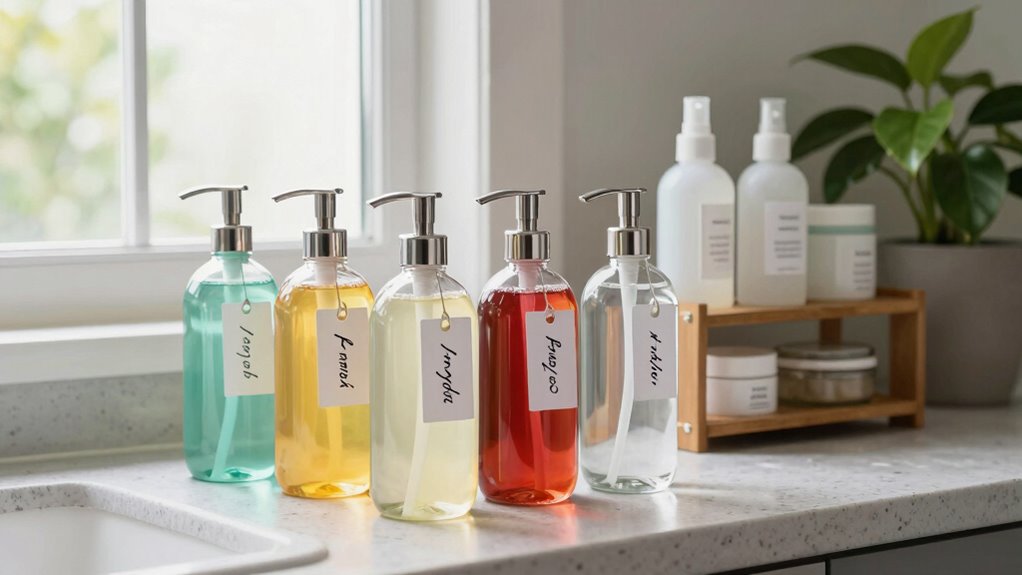

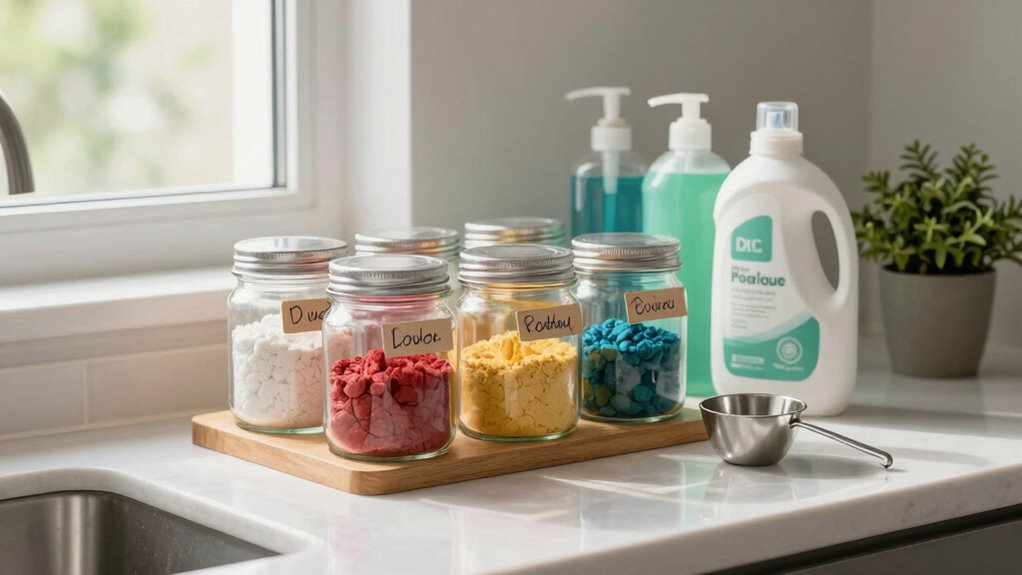
To create a refill station at home, choose a dedicated, accessible spot in your kitchen or pantry. Use clear, eco-friendly containers with labels for easy identification and freshness. Stock it with essentials like bulk cleaning supplies, toiletries, and dry goods. Keep everything organized on shelves or bins, and use scoops or funnels for tidy refilling. Regularly check your supplies, replenish as needed, and adopt sustainable habits to reduce waste. If you want to discover more tips, keep exploring how to make your station effective and eco-friendly.

Get furniture and decor delivered free — and shop member deals
- Fast, free delivery on millions of items
- Access to Prime Big Deal Days deals on October 6–7
- Prime Video, Amazon Music and more included
Key Takeaways
- Choose a dedicated, visible space in your kitchen or pantry for easy access and organization.
- Use clear, eco-friendly containers with labels for storing bulk supplies like oils, cleaning products, and dry goods.
- Stock the station with essential items, refilling from bulk sources to minimize packaging waste.
- Implement simple transfer tools such as scoops or funnels and regularly monitor stock levels.
- Promote sustainable habits by choosing recyclable containers and encouraging household participation.
Setting up a refill station at home is a simple way to reduce plastic waste and save money. By creating a dedicated space for your everyday essentials, you can minimize the use of single-use bottles and containers. The key is choosing eco friendly alternatives and organizing your storage efficiently. Start by selecting a designated area in your kitchen, laundry room, or pantry that’s easily accessible. This will encourage regular refilling and help you stay committed to your sustainability goals.
Create a dedicated, accessible space at home to reduce waste and support your sustainability goals.
Next, gather your containers. Use glass jars, stainless steel bottles, or durable, reusable plastic containers that you already own or purchase specifically for this purpose. These containers should be easy to fill, pour from, and clean. Label each one clearly—think of it as creating a mini, eco-conscious grocery store right at home. This not only helps with storage organization but also makes it simple to find what you need quickly. When choosing containers, prioritize eco friendly alternatives that are BPA-free, recyclable, or made from sustainable materials.
Once your containers are ready, stock your refill station with the basics: bulk cleaning supplies, shampoo, conditioner, lotions, cooking oils, or even dry goods like rice, beans, and pasta if you have the space. Filling these containers with bulk products reduces packaging waste and often saves you money over time. To keep everything organized, use shelves, stacking bins, or drawer dividers—whatever best fits your space. Clear containers are ideal because you can easily see your supplies, reducing waste caused by forgotten items or expired products.
Having a well-organized storage system makes refilling quick and hassle-free. Keep your eco friendly alternatives stocked and within reach, so you’re more likely to use them regularly. Consider adding a small funnel or scoop to make transferring products cleaner and easier, reducing spills and messes. Label your containers with contents and refill dates to maintain freshness and ensure you’re always aware of what needs replenishing. An organized refill station not only supports your eco-conscious lifestyle but also simplifies daily routines, saving you time and effort. Additionally, understanding the importance of reducing plastic waste can motivate you to stick with your refill station long-term. Incorporating knowledge about biodiversity and sustainable living practices can further inspire you to make eco-friendly choices that benefit the planet. Developing a sustainable mindset is crucial for maintaining these eco-friendly habits and encouraging others in your household to participate. Furthermore, choosing containers made from recyclable and sustainable materials helps reinforce your commitment to environmental responsibility.
In the end, creating a refill station at home is about making sustainable choices simple and accessible. When you prioritize eco friendly alternatives and focus on smart storage organization, you turn a small change into a powerful way to cut down on waste. Over time, this setup encourages a mindful approach to consumption, helping you live more sustainably while keeping your home tidy and well-stocked.
As an affiliate, we earn on qualifying purchases.
Frequently Asked Questions
What Materials Are Safest for Homemade Refill Containers?
You should choose eco-friendly materials like stainless steel, glass, or BPA-free plastics for your homemade refill containers. These options are safe, durable, and don’t leach harmful chemicals into your products. Glass is excellent for liquids, while stainless steel is sturdy and eco-friendly. BPA-free plastics are lightweight and safe for various substances. Always guarantee your containers are clean, sealed well, and free from any harmful residues before refilling.
How Often Should I Sanitize My Refill Station?
You should sanitize your refill station at least once a week to guarantee DIY safety and prevent contamination. Regular cleaning removes bacteria, mold, and residue that could compromise your supplies. Use a food-safe disinfectant or a mixture of vinegar and water, and thoroughly scrub all surfaces and containers. Consistent sanitation helps maintain a safe, hygienic environment, protecting you and your household from potential health risks associated with contaminated refill stations.
Can I Refill All Types of Household Liquids?
You can’t refill all household liquids safely, so check labels first. For storage tips, keep liquids in their original containers or use clearly labeled, reusable bottles made from eco-friendly materials. Avoid mixing different chemicals to prevent dangerous reactions. Focus on eco-friendly solutions by choosing biodegradable or reusable containers. Always follow manufacturer instructions, and when in doubt, buy new. This approach keeps your refill station safe, sustainable, and organized.
What Are the Best Labels for Refill Bottles?
You’ll want labels that blend eco-consciousness with durability. Opt for eco-friendly ink, which’s gentle on the planet yet clear enough for easy reading. Waterproof options are essential, especially for liquids that might spill or get splashed. Consider using laminated paper or silicone labels, as they resist moisture and wear. Clear, bold fonts and simple icons also help keep your refill station organized and visually appealing, making your eco-friendly efforts even more effective.
How Do I Prevent Cross-Contamination?
To prevent cross-contamination at your refill station, focus on proper storage organization and leak prevention. Keep different cleaning supplies in clearly labeled, separate containers, and avoid mixing products. Use secure, leak-proof bottles and caps, and regularly check for spills or leaks. Clean your station frequently to eliminate residue. By maintaining organized storage and ensuring bottles are sealed tightly, you create a safe, efficient refill area that minimizes contamination risks.
Conclusion
Creating a refill station at home isn’t just about saving money or reducing waste; it’s about taking control of your environmental impact. Once you’ve set up your station, you’ll wonder how you ever managed without it. Isn’t it satisfying to know you’re making a difference with such a simple change? So go ahead, embrace this eco-friendly habit—your planet and your wallet will thank you for it. Ready to make a positive change today?
Fall Picks
fall essentials
As an affiliate, we earn on qualifying purchases.