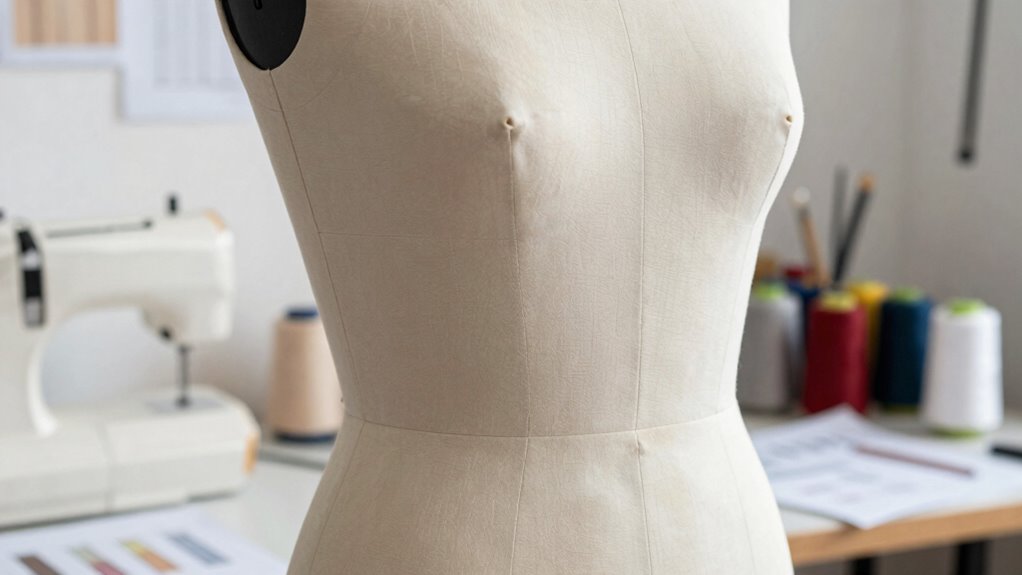

Using a dress form helps you visualize and adjust your garments for a better fit by mimicking body shape and allowing you to experiment with fabric draping and seam placement. It guides you in making sewing decisions, such as fabric choice and dart placement, while providing real-time feedback on proportions and silhouette. This tool turns guesswork into precise craftsmanship. Keep exploring to discover how dress forms can elevate your sewing and design skills further.

Get furniture and decor delivered free with Prime
- Fast, free delivery on millions of items
- Prime Video, Amazon Music and more included
- Member-only deals all year
Key Takeaways
- Dress forms provide a realistic 3D model for accurate fitting and visualizing garment proportions during the design process.
- They enable precise pinning, draping, and fabric adjustments to improve fit and fabric behavior understanding.
- Using dress forms helps identify and correct fitting issues like pulling, sagging, or misaligned seams early on.
- Customizable forms reflect individual body measurements, ensuring tailored and more accurate fitting outcomes.
- They enhance decision-making on fabric choice and sewing techniques by showcasing fabric drape and flow on a realistic surface.
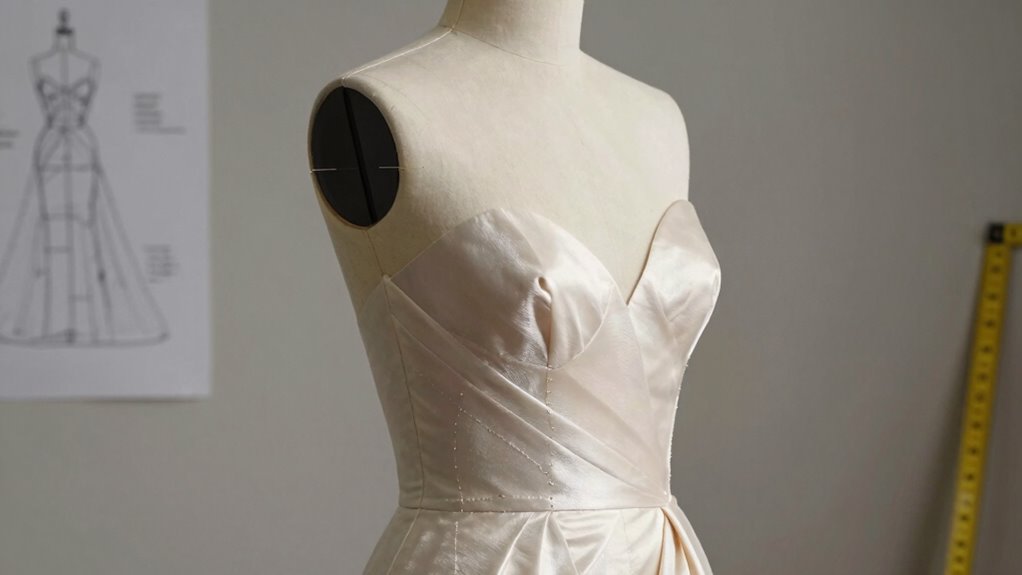
A well-fitting garment starts with a quality dress form, making it an essential tool for anyone serious about tailoring or designing clothing. When you use a dress form that closely mimics your body shape, you gain a clear, three-dimensional perspective on how your fabric choices and sewing techniques will come together. This tangible representation helps you visualize the final fit, allowing you to make informed decisions early in the process rather than after completing the garment. With the right dress form, you can experiment with different fabrics—stretchy knits, heavy wools, delicate silks—and see firsthand how they drape and behave on a realistic form. This insight guides you to select the best fabric for your design, avoiding costly mistakes and ensuring your finished piece looks and fits perfectly. Using a dress form streamlines your sewing techniques as well. Instead of relying solely on flat patterns and two-dimensional sketches, you can pin, drape, and adjust fabric directly on the form. This hands-on approach reveals how seams should align, where darts should be placed, and how gathers or pleats will flow naturally. It’s especially useful when working with complex designs or fabrics that are difficult to manipulate flat, such as bias-cut or heavily textured textiles. As you refine your sewing techniques on the dress form, you develop a more intuitive understanding of fabric behavior and the necessary construction steps to achieve a flawless fit. Additionally, a dress form encourages you to focus on the overall silhouette, which is critical for tailoring. You can check the balance of your garment, ensure that darts shape the bust correctly, and that the waistline sits comfortably without pulling or sagging. This real-time feedback helps you adjust your sewing techniques, like seam allowances or dart placements, to improve fit and comfort. Over time, working with a well-chosen dress form sharpens your eye for proportion and fit, making your sewing more precise and professional. Furthermore, understanding body proportions and how they influence fit can help you select or customize a dress form that best represents your unique shape, leading to more accurate fittings. Incorporating body measurements into your choice of a dress form ensures better alignment with your personal anatomy, which enhances the overall fitting process. In addition, a dress form can serve as a motivational tool to inspire your creativity and push you to try new styles and techniques. Recognizing the importance of body shape in tailoring allows you to choose a dress form that provides a more realistic fit, ultimately saving time and effort during the sewing process. In essence, a quality dress form becomes your best partner in making smarter fabric choices and mastering sewing techniques. It transforms the often abstract process of designing clothing into a tactile, visual experience. By giving you a clear understanding of how fabrics behave and how to manipulate them for the best fit, it elevates your sewing from guesswork to craftsmanship. This investment ultimately helps you create garments that fit better, look polished, and reflect your skill and attention to detail.
adjustable dress form for sewing
As an affiliate, we earn on qualifying purchases.
As an affiliate, we earn on qualifying purchases.
Frequently Asked Questions
Can Dress Forms Be Customized to My Exact Measurements?
Yes, dress forms can be customized to your exact measurements, which is essential for fashion design and sewing practice. You can adjust features like bust, waist, hips, and height to match your body or your target audience. This customization guarantees better fitting garments and helps you develop your sewing skills more accurately. By tailoring a dress form to your measurements, you improve your design process and achieve professional results every time.
How Do I Choose the Right Dress Form Size?
Choosing the right dress form size is like finding your perfect fabric match—it sets the stage for successful sewing. Focus on your measurements, especially bust, waist, and hips, and compare them to the form’s sizing chart. Consider your preferred fabric selection and sewing techniques, as these influence fit adjustments. Opt for a form that closely mirrors your measurements for easier fitting, and remember, slight tweaks can always refine your final project.
Are Adjustable Dress Forms Suitable for All Body Types?
Adjustable dress forms are versatile, making them suitable for many body types, especially if you frequently sew for different sizes or follow changing fashion trends. They allow you to adapt to various measurements, ensuring a good fit. When choosing one, consider fabric compatibility and how well it replicates your body shape. This flexibility helps you experiment with fabric types and stay current with evolving fashion trends.
How Often Should I Update My Dress Form?
You should update your dress form whenever your measurements change or after significant fabric selections and sewing projects. Regularly updating guarantees your fit remains accurate, helping you refine sewing techniques and choose the right fabric. If you notice fit issues or try new styles, it’s time for an update. Keeping your dress form current allows you to make better fabric choices and improve your sewing results consistently.
What Materials Are Best for Durable Dress Forms?
Imagine your dress form as a sturdy oak tree—solid and resilient. For durability, choose materials like high-density foam or fiberglass, which withstand wear and tear over time. These materials also offer excellent customization options, allowing you to modify or add features as needed. Investing in a dress form with superior material durability guarantees it remains a reliable tool, supporting your sewing projects for years to come.
Conclusion
Using a dress form can transform your sewing experience, helping you achieve a more precise fit and confident decisions. With the right form, you’ll see a 30% reduction in fitting errors, saving you time and frustration. Whether you’re a beginner or a seasoned seamstress, this tool empowers you to create garments that truly flatter. Embrace dress forms, and watch your sewing skills and confidence grow—making every stitch count for a perfect, professional look.
Fall Picks
fall essentials
As an affiliate, we earn on qualifying purchases.