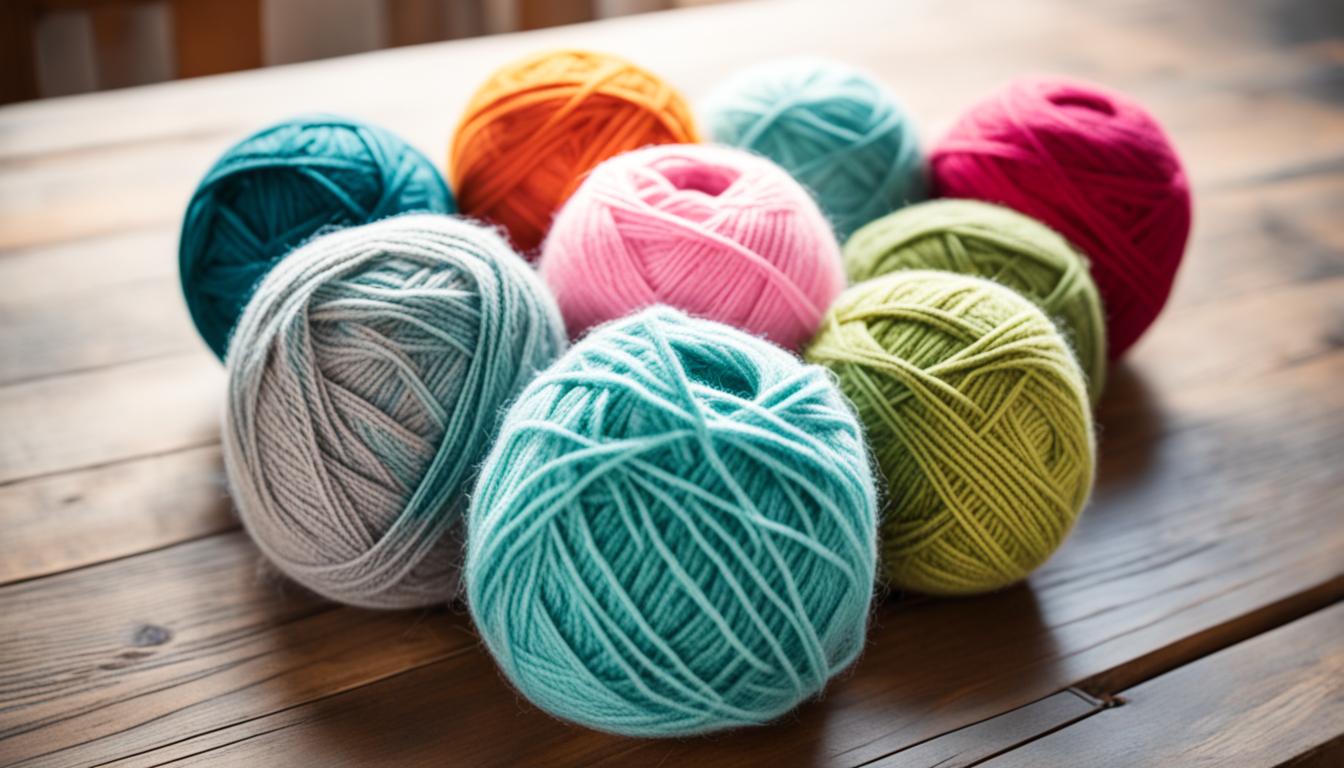
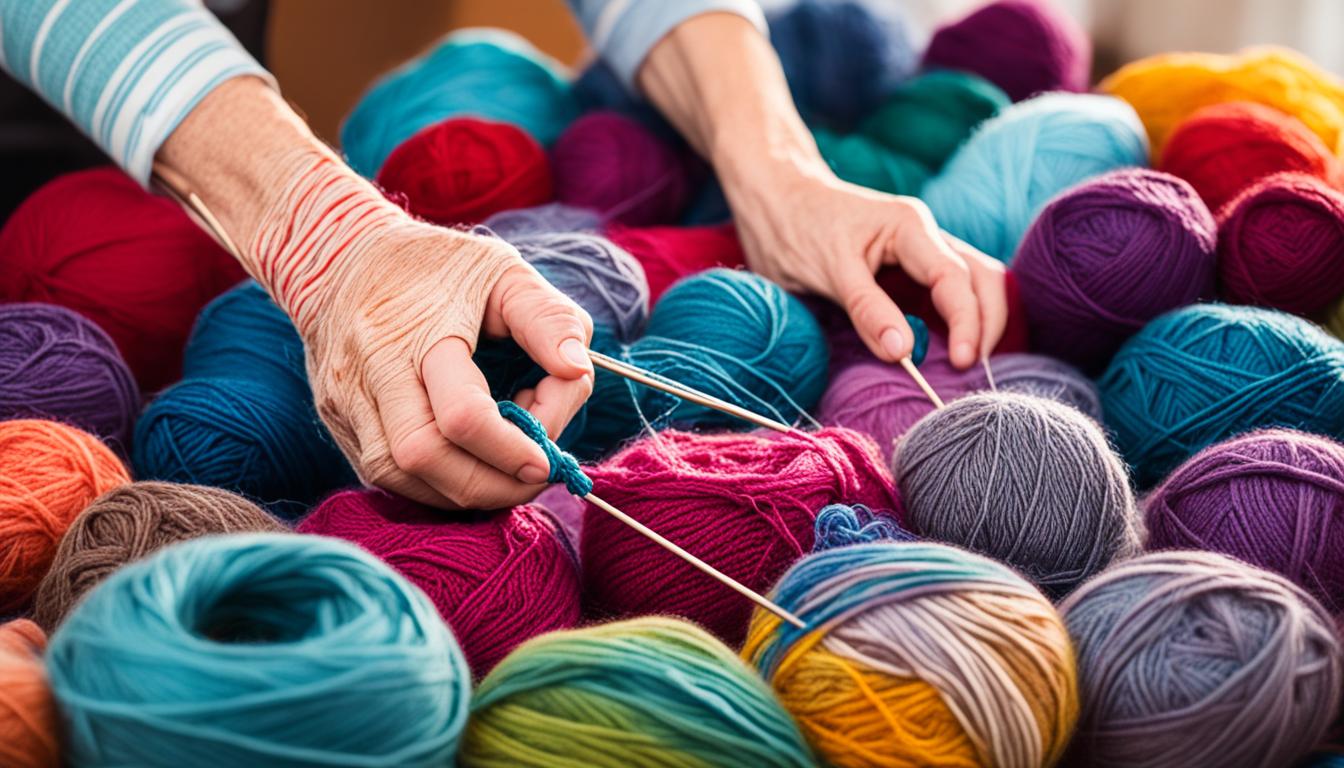
Yarn weights range from delicate lace to chunky jumbo, affecting your project’s texture, drape, and use. Light options like lace and fingering are great for intricate, airy designs, while DK, Worsted, and Chunky yarns suit everyday and cozy projects. Super bulky and jumbo yarns create bold statement pieces quickly. Understanding these classifications helps you pick the perfect yarn for your project’s look and feel. Explore further to discover tips for choosing the right weight every time.

Get furniture and decor delivered free with Prime
- Fast, free delivery on millions of items
- Prime Video, Amazon Music and more included
- Member-only deals all year
Key Takeaways
- Yarn weights range from delicate lace to bulky jumbo, affecting project texture, drape, and suitability for specific techniques.
- Lighter yarns (lace, fingering) are ideal for intricate, airy designs, while heavier yarns (chunky, jumbo) create bold, cozy items.
- Properly matching yarn weight with patterns ensures the desired appearance, durability, and ease of handling.
- Heavier yarns require more dye and energy, impacting environmental footprint, whereas lighter yarns are more sustainable.
- Understanding yarn classifications helps select appropriate tools, techniques, and fiber content for professional results.
As an affiliate, we earn on qualifying purchases.
Understanding Yarn Weight Classifications

Understanding yarn weight classifications is essential because they guide you in choosing the right yarn for your project. Different yarn weights influence not only the texture and drape but also how yarn dyeing techniques will turn out. Heavier yarns, like jumbo, often require more dye and energy, increasing the environmental impacts of yarn production. Conversely, lighter weights, such as lace, use less material and dye, making them more sustainable options. Recognizing these classifications helps you select yarns that align with your project’s needs and your environmental values. Knowing the weight also ensures you pick compatible needles or hooks, leading to better results. Additionally, fiber composition plays a crucial role in both the environmental footprint and the dyeing process of yarns. Ultimately, understanding how yarn weight relates to dyeing and environmental impact helps you make smarter, more eco-conscious choices in your crafting.
Exploring Lace Weight and Its Uses

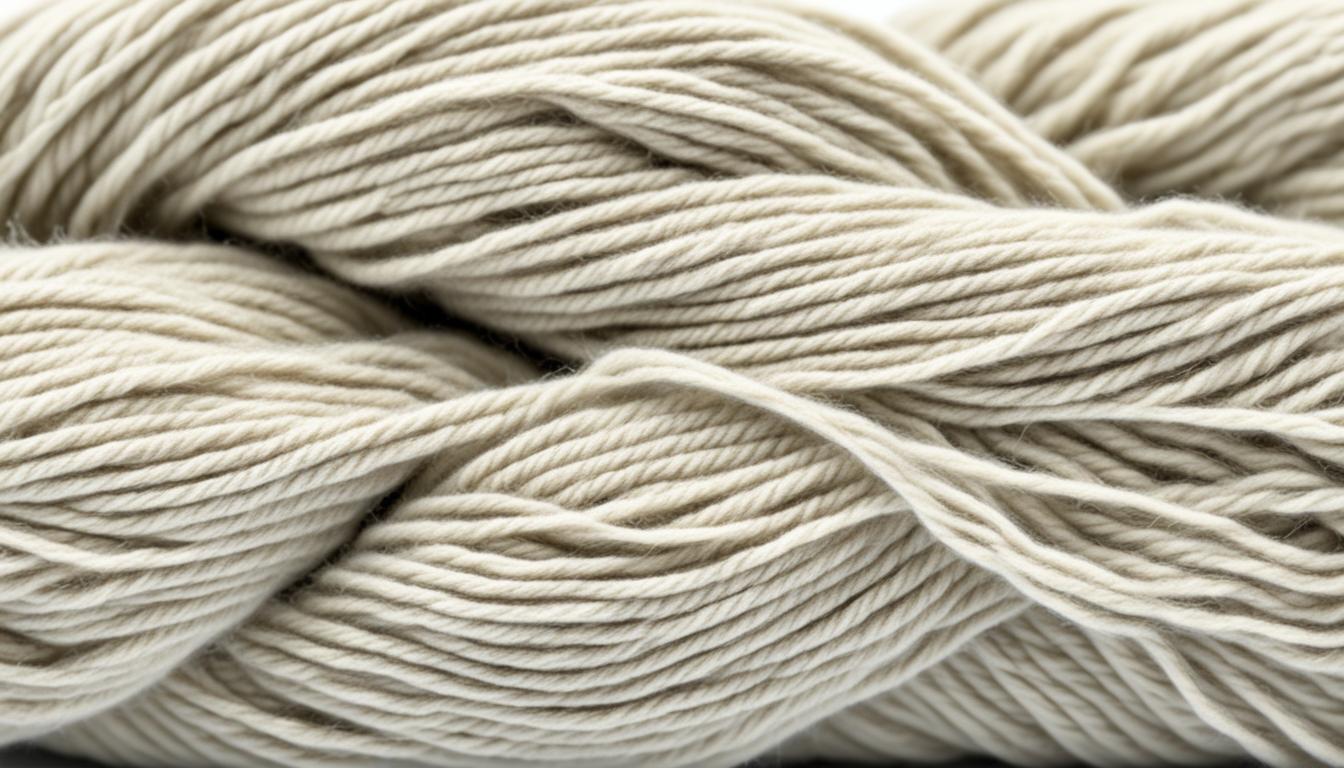
Lace weight yarn allows you to create delicate fabrics perfect for lightweight garments and accessories. With this fine yarn, you can achieve intricate, detailed techniques that add elegance to your projects. Exploring lace weight opens up a world of subtle beauty and intricate craftsmanship. Additionally, practicing mindful decluttering when organizing your supplies can help foster a more sustainable and enjoyable crafting experience.
Delicate Fabric Creations
When working with lace weight yarn, you open the potential to create incredibly delicate and intricate fabrics that exude elegance. This lightweight yarn is perfect for airy shawls, scarves, and intricate lace patterns. To keep your yarn in pristine condition, proper yarn storage is essential—store it in breathable containers away from direct sunlight to prevent damage. If you’re interested in fiber dyeing, lace weight yarn offers a wonderful canvas for achieving subtle, nuanced color variations. Its fine texture absorbs dye evenly, resulting in vibrant, detailed hues. Because lace weight is so delicate, handle it gently to avoid snags or pulls. With careful fiber dyeing and thoughtful yarn storage, you’ll reveal the full beauty and versatility of lace weight yarn for your delicate fabric creations. Additionally, understanding the various yarn weights can help you select the perfect yarn for your project’s desired level of delicacy and durability.
Fine Detail Techniques
Exploring fine detail techniques with lace weight yarn opens up a world of intricate design possibilities. With its delicate nature, you can achieve stunning color blending effects that enhance your patterns. When choosing lace weight, consider these key aspects:
- Fiber Content: Different fibers, like silk or merino, influence drape and sheen, affecting your project’s overall look.
- Color Blending: Light yarns allow subtle transitions and variegation, perfect for detailed motifs.
- Stitch Definition: Fine yarn shows off complex stitches, highlighting your craftsmanship.
- Yardage Needs: Because lace weight yarn is lightweight, plan for more yardage depending on your project size.
- Fraud Prevention: Properly managing transaction security ensures your purchasing experience remains safe and protected, especially when sourcing specialty yarns online.
Mastering these details helps you maximize the beauty and versatility of lace weight yarn in your fine detail techniques.
Fingering and Sport Weights: Light and Versatile

Have you ever noticed how fingering and sport weights strike the perfect equilibrium between lightweight feel and versatility? These thin yarns are ideal for projects like shawls, sweaters, and socks. Their fine texture allows for beautiful color blending, showcasing subtle shifts in shades. Plus, their yarn durability guarantees your finished piece withstands regular wear and washing. The key is selecting fibers that maintain strength without sacrificing softness. Here’s a quick comparison:
| Feature | Fingering Weight | Sport Weight | Ideal Use |
|---|---|---|---|
| Weight | Light | Slightly heavier than fingering | Lightweight garments |
| Color Blending | Excellent for subtle transitions | Good for vibrant, bold hues | Shawls, accessories |
| Yarn Durability | High, suitable for frequent use | Very durable for everyday wear | Socks, baby items |
This weight offers both versatility and longevity. Additionally, understanding fiber strength helps in choosing yarns that will hold up over time without losing their softness or color vibrancy.
DK and Worsted Weights for Everyday Projects

DK and Worsted weights are perfect for everyday projects because they strike a balance between lightweight and bulky yarns, making them versatile for a wide range of garments and accessories. Their medium thickness allows for easy handling during yarn dyeing, ensuring vibrant and consistent colors. Plus, fiber blending in these weights adds durability and softness, ideal for daily wear. Here are some key benefits:
DK and Worsted weights are versatile, easy to handle, and perfect for everyday garments and accessories.
- Suitable for a variety of patterns and skill levels
- Ideal for quick projects like hats, scarves, and sweaters
- Excellent for experimenting with fiber blending techniques
- Widely available in different fiber types and dyeing options
Whether you prefer natural fibers or synthetic blends, DK and Worsted weights provide the flexibility to create functional, colorful pieces that stand up to everyday use.
Chunky and Bulky Yarns for Cozy Creations

Chunky and bulky yarns create projects that feel warm and inviting. Their thick texture provides excellent insulation, making your creations perfect for chilly days. With these yarns, you get cozy results that are both stylish and functional. Additionally, their substantial weight can help speed up your knitting or crochet projects, making them ideal for quick, satisfying craft sessions. Creative techniques can be easily applied to enhance the texture and appearance of your finished piece.
Warmth and Insulation
When choosing yarns for warmth and insulation, chunky and bulky weights stand out for their ability to create cozy, insulating fabrics quickly. These yarns trap air effectively, providing superior thermal retention. To maximize insulation, consider:
- Fiber blending—combining wool with synthetic fibers enhances warmth and durability.
- Selecting natural fibers, like alpaca or merino, for superior insulation.
- Using dyeing techniques that add depth and richness to the yarn, increasing visual warmth.
- Opting for textured or thick-and-thin yarns that create layered, insulating surfaces.
- The contrast ratio of the yarn’s color can also influence the perception of warmth and richness in the finished project.
Thick Texture Benefits
Thick textures created by chunky and bulky yarns offer distinct advantages for cozy, inviting projects. They provide immediate textural variation, making your creations stand out with a rich, tactile feel. Using these yarns enhances the visual impact, giving your items a bold, substantial look that’s perfect for blankets, scarves, and sweaters. The dense, plush surface invites touch, adding warmth and comfort. Plus, bulky yarns work up quickly, allowing you to complete projects faster without sacrificing style. Their substantial weight creates a sense of coziness and luxury, making your finished piece feel extra special. Whether you want a statement piece or a snug accessory, thick yarns deliver both visual appeal and textural depth. They’re the ideal choice for adding warmth and character to your handmade creations. Incorporating these yarns can also contribute to aesthetic home decor, creating inviting and textured accents in your living space.
Super Bulky and Jumbo Yarns for Statement Pieces

Super bulky and jumbo yarns are perfect for creating bold, eye-catching statement pieces that instantly elevate any project. These thick yarns work well with fiber dyeing techniques, allowing you to customize colors and create unique, vibrant designs. When choosing eco-friendly materials, you contribute to sustainability while making stunning, statement-making items. Here are key points to contemplate: 1. They create quick projects—perfect for instant gratification. 2. Their size makes them ideal for textured, sculptural designs. 3. They lend themselves well to fiber dyeing, offering rich, personalized colors. 4. Using eco-friendly yarns reduces environmental impact and supports sustainable practices. Incorporating tea brewing techniques can also inspire innovative dyeing methods for your yarns, adding another layer of creativity to your projects. With these yarns, your statement pieces will turn heads while promoting eco-conscious crafting.
Choosing the Right Yarn Weight for Your Project

Choosing the right yarn weight is key to achieving the look and feel you want for your project. Consider how fiber dyeing might influence your yarn choice, as some weights absorb dye differently, impacting color vibrancy. Thinner yarns, like lace weight, create delicate, airy fabrics, perfect for lightweight garments, while thicker yarns offer warmth and structure for cozy pieces. Think about your yarn storage; bulky yarns take more space but can be more efficient for larger projects. Matching your yarn weight with your pattern’s recommended gauge ensures your finished piece turns out as intended. Additionally, understanding vetted products can help you select safe and effective yarns suitable for your project needs. By selecting the appropriate weight, you’ll ensure your project’s texture, drape, and overall appearance align with your vision. Careful choice ultimately leads to a satisfying, professional-looking result.
Frequently Asked Questions
How Does Yarn Weight Affect the Final Fabric Texture?
Yarn weight considerably influences your fabric’s texture. Thicker yarns, like jumbo, create chunky, plush fabrics, while finer yarns, like lace, produce delicate, airy textures. Fiber composition and dyeing techniques further enhance this effect, adding depth and richness. Heavier yarns add warmth and structure, whereas lighter ones offer softness and drape. By choosing the right yarn weight, you control your project’s final feel, look, and overall quality.
Can Yarn Weight Change During a Project?
Yes, yarn weight can change during your project, especially if you switch fiber blends or dye lots. You might start with one weight and find it shifts due to fiber blending variations or dye lot differences, affecting texture and consistency. To minimize this, always check dye lots and consider blending fibers intentionally. This helps keep your project uniform, ensuring your final fabric looks cohesive and professional.
Are There Specific Tools for Working With Different Yarn Weights?
Think of your tools as a tailor’s wardrobe, each designed for a specific fabric. Yes, there are tools for different yarn weights, like specialized needles for fine lace or chunky yarns. When yarn storage or color blending, using the right tools guarantees smooth work, preventing snags and uneven stitches. Picking the correct needles and accessories helps you craft with precision, matching your yarn’s weight for flawless results every time.
How Do I Adjust Patterns for Different Yarn Weights?
To adjust patterns for different yarn weights, you should first check your gauge and modify your needle size or hook accordingly. Consider fiber blending to achieve the desired texture and look, and experiment with dyeing techniques to enhance color vibrancy. Swatch your adjustments before starting your project, ensuring the new yarn weight produces the same size and drape as the original pattern. This way, your finished piece will fit perfectly and look professional.
What Are Common Mistakes When Choosing Yarn Weights?
About 60% of crafters mistakenly choose the wrong yarn weight, leading to project issues. When selecting yarn, avoid common mistakes like poor yarn storage, which can cause color fading or damage, and neglecting dye lot matching, resulting in color inconsistencies. Always check labels carefully, store yarn properly, and match dye lots to guarantee your project looks polished and consistent from start to finish.
Conclusion
Now that you’ve unraveled the mystery of yarn weights, you’re ready to pick the perfect fiber for your project. Think of yarn weights as musical notes—each one creates a different melody in your craft. Whether you’re knitting delicate lace or cozy jumbo blankets, choosing the right weight sets the tone for beautiful results. So, trust your instincts, pick your yarn, and let your creativity sing!
Fall Picks
fall essentials
As an affiliate, we earn on qualifying purchases.