
Interior decorating is about enhancing indoor spaces by carefully choosing colors, furniture, and accessories to create cohesive, visually appealing environments. We focus on transforming rooms into aesthetically pleasing and functional spaces, considering elements like color schemes, furniture selection, and overall design coherence. Interior decorators work closely with clients to bring their unique visions to life and improve the aesthetics and comfort of their spaces. By utilizing strategic color choices, textures, and functional design principles, interior decorating plays an important role in shaping the ambiance of a home and increasing its value. Want to explore more about this compelling field?
Key Takeaways
- Enhancing visual appeal of spaces using color, texture, and furniture.
- Transforming rooms into cohesive and aesthetically pleasing environments.
- Collaborating with clients and architects to achieve desired design visions.
- Focusing on aesthetics by carefully selecting furniture and accessories.
- Playing the role of a personal stylist to create unique and stylish spaces.
Definition of Interior Decorating
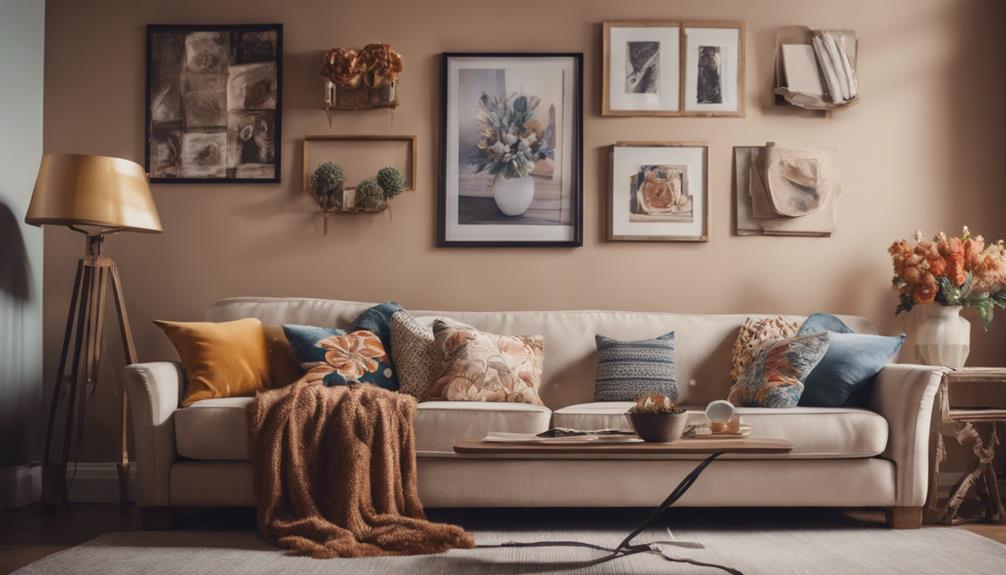
In interior decorating, our aim is to enhance the visual appeal of spaces through thoughtful color schemes, furniture selection, and accessories. We endeavor to create an ambiance that's aesthetically pleasing and harmonious to the eye.
By working with existing architectural features and elements, we seek to transform spaces into cohesive and inviting environments. Our goal is to improve the overall visual aesthetics of a room, making it more appealing and comfortable for its inhabitants.
As interior decorators, we act as personal stylists for spaces, using paint, fabric, furniture, and decor to elevate the look and feel of a room. While we don't typically address structural changes or architectural modifications, our primary focus lies in the decorative aspects of a space.
Through careful consideration of color palettes, furniture arrangements, and accessory placement, we aim to enhance the beauty and functionality of interiors.
Core Elements of Interior Decorating
Building upon our understanding of interior decorating as a means to enhance visual appeal, we now explore the core elements that form the foundation of this creative practice. Interior decorating focuses on enhancing aesthetics through careful furniture selection, coordinating color schemes, and thoughtfully chosen accessories. The primary goal is to improve the visual appeal of existing spaces and create a desired ambiance. Decorators work closely with clients, homeowners, Realtors, or architects to transform spaces into inviting and aesthetically pleasing environments.
While formal education or certifications can be beneficial for interior decorators, they aren't mandatory to practice in the field. However, acquiring knowledge through courses or programs can enhance skills in areas such as design principles, color theory, space planning, and project management. By mastering these core elements, decorators can effectively communicate their vision and bring their creative ideas to life in various interior spaces.
Role of an Interior Decorator
An interior decorator plays a crucial role as a personal stylist for spaces, focusing on creating an ambiance that aligns with the client's preferences. They're responsible for transforming spaces to enhance visual appeal through elements like paint and fabric selection, furniture arrangement, and accessory placement.
Working closely with homeowners, Realtors, or architects, interior decorators aim to improve the aesthetics of existing spaces while considering the client's unique style and vision. While formal education isn't always required, participation in certification programs, such as those offered by C.I.D, can enhance an interior decorator's skills in areas like color selection and furniture layouts. These programs provide valuable knowledge and techniques for aesthetic improvement and effective space transformation.
Importance of Color and Texture
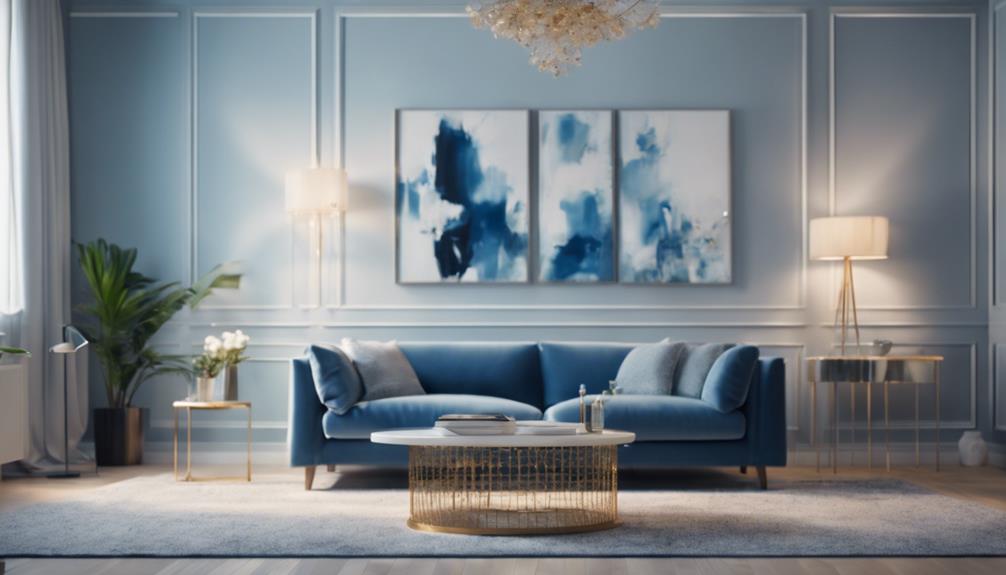
Enhancing visual appeal in interior decorating often hinges on the strategic use of color and texture to create ambiance and depth within a space. Color is a powerful tool that can set the mood and ambiance of a room. By carefully selecting hues, you can evoke specific emotions and enhance the overall aesthetic.
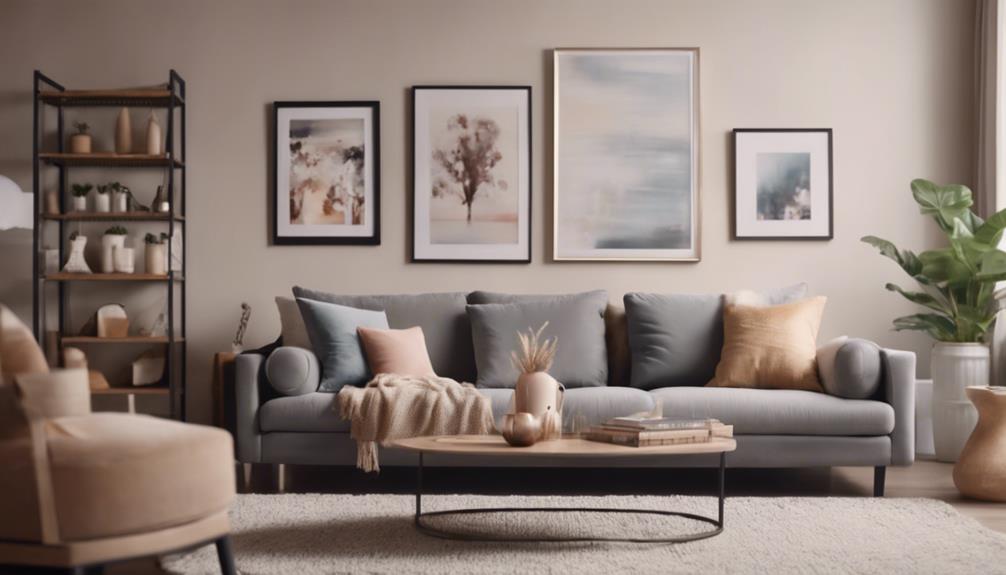
Texture, on the other hand, adds dimension and tactile appeal, making a room visually intriguing. Mixing different textures can add richness and complexity to the design, elevating the space to a new level of sophistication.
When considering color and texture in interior decorating, it's essential to pay attention to the details. The right color combinations can transform a space, while incorporating various textures can enhance its visual interest. By combining colors and textures thoughtfully, you can create a harmonious environment that not only looks beautiful but also feels inviting and engaging. Remember, the devil is in the details when it comes to color and texture in interior decorating.
Creating Functional Spaces
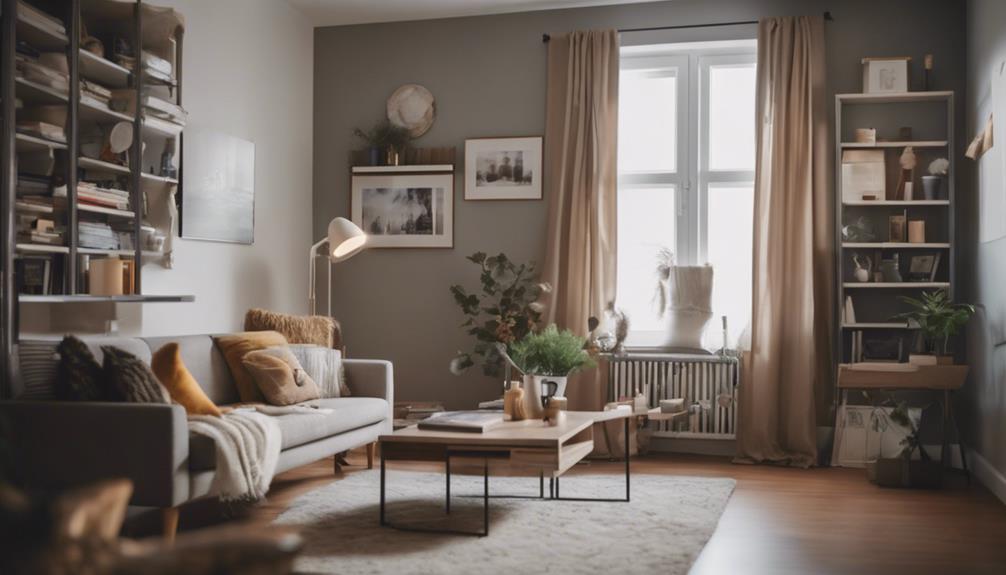
When it comes to creating functional spaces, we need to take into account various factors such as space utilization tips, furniture arrangement techniques, and color and lighting choices.
These elements play an important role in ensuring that a room isn't only visually appealing but also practical and comfortable for everyday use.
Space Utilization Tips
In interior decorating, optimizing space functionality involves strategic furniture arrangement, considering traffic flow, and incorporating storage solutions. When aiming to create functional spaces, keep these tips in mind:
- Use multifunctional furniture like storage ottomans or convertible sofas.
- Employ proper lighting techniques such as layered lighting and task lighting.
- Place decor elements strategically to enhance space utilization.
- Consider traffic flow when arranging furniture to guarantee easy movement.
- Opt for storage solutions that blend seamlessly with the overall design.
These guidelines will help decorators maximize the usability of a room while maintaining a visually appealing and harmonious design.
Furniture Arrangement Techniques
To optimize the functionality and aesthetics of a space, strategic furniture arrangement techniques play a pivotal role in interior decorating. By considering factors like traffic flow, usability, and creating aesthetically pleasing layouts, one can transform a room into a harmonious environment.
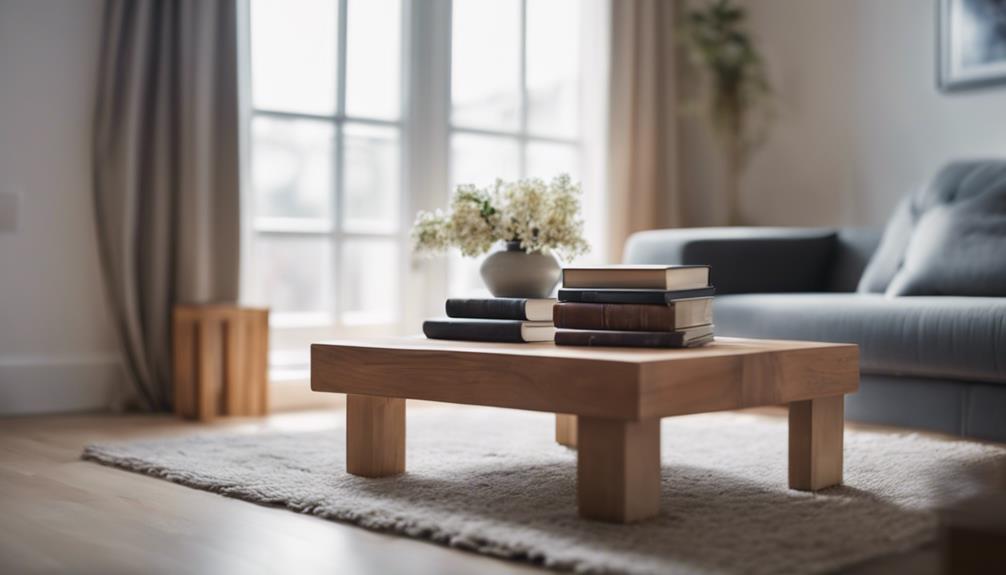
Balancing furniture sizes, shapes, and styles is essential to achieve a visually appealing arrangement that promotes a sense of balance. Utilizing focal points such as a fireplace or a large window can guide furniture placement and enhance the overall room composition.
Understanding the scale and proportion of furniture in relation to the room size is vital for creating a well-balanced and functional space that maximizes both usability and visual appeal.
Color and Lighting Choices
Considering the impact of color and lighting choices is paramount when creating functional spaces through interior decorating. Proper understanding of color psychology and lighting principles is essential for optimizing the functionality and aesthetic appeal of interior spaces.
Here are five key points to remember:
- Color choices in interior decorating can greatly influence mood, perception, and the overall ambiance of a room.
- Lighting selections play a vital role in enhancing functionality, highlighting design elements, and creating specific atmospheres.
- Effective color and lighting decisions can transform a space and improve the overall experience for occupants.
- Proper color and lighting choices can optimize the functionality and aesthetic appeal of a room.
- Understanding color psychology and lighting principles is crucial for creating visually pleasing interior spaces.
Collaboration With Clients

Working closely with clients, interior decorators aim to understand their preferences, style, and vision for the space. This collaboration involves selecting color schemes, furniture, fabrics, and accessories that align with the client's aesthetic goals. Open communication and feedback sessions are crucial as decorators work diligently to meet the client's needs and desires throughout the design process. By engaging in these collaborative discussions, decorators can tailor the design to reflect the client's personality, lifestyle, and functional requirements.
Ultimately, the goal is to create personalized and customized spaces that resonate with the client's tastes and preferences. This collaborative approach allows for a more intimate and unique design process, where the client's vision is at the forefront of every decision made. Interior decorators work hand in hand with clients to bring their dream spaces to life, ensuring that every detail reflects their individual style and vision.
Trends in Interior Decorating
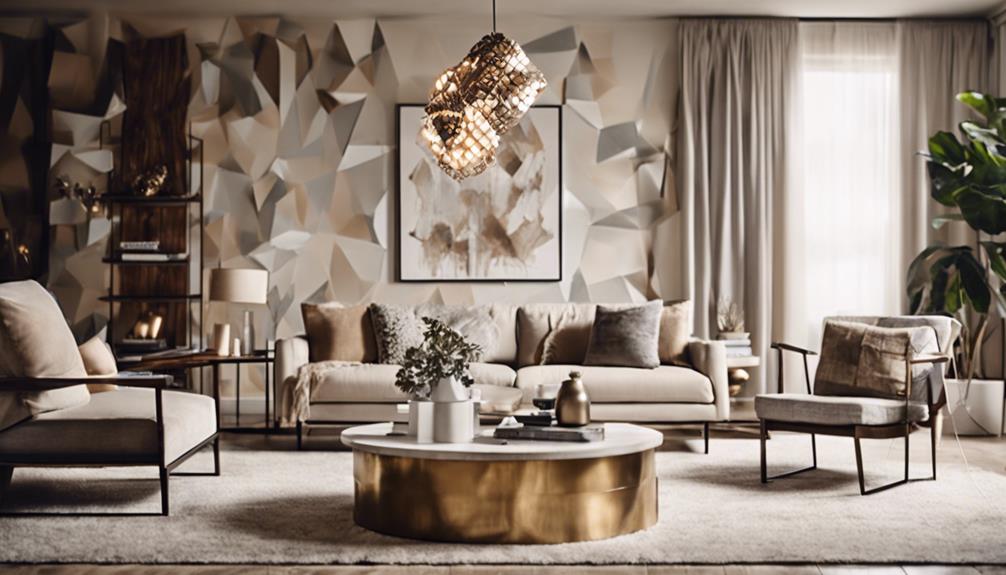
Incorporating sustainable and eco-friendly materials is a prevalent trend in modern interior decorating. When following the latest interior decorating trends, consider embracing minimalistic design concepts that feature clean lines and clutter-free spaces.
To add depth and visual interest to your living spaces, mix different textures like wood, metal, and textiles. Bold and vibrant colors are making a comeback in interior decorating, injecting personality and energy into rooms.
Additionally, integrating elements of biophilic design, such as indoor plants and natural light, is an emerging trend aimed at enhancing well-being. By staying up to date with these modern trends, you can create stylish and environmentally conscious interiors that promote a sense of harmony and balance within your home.
Impact on Home Value
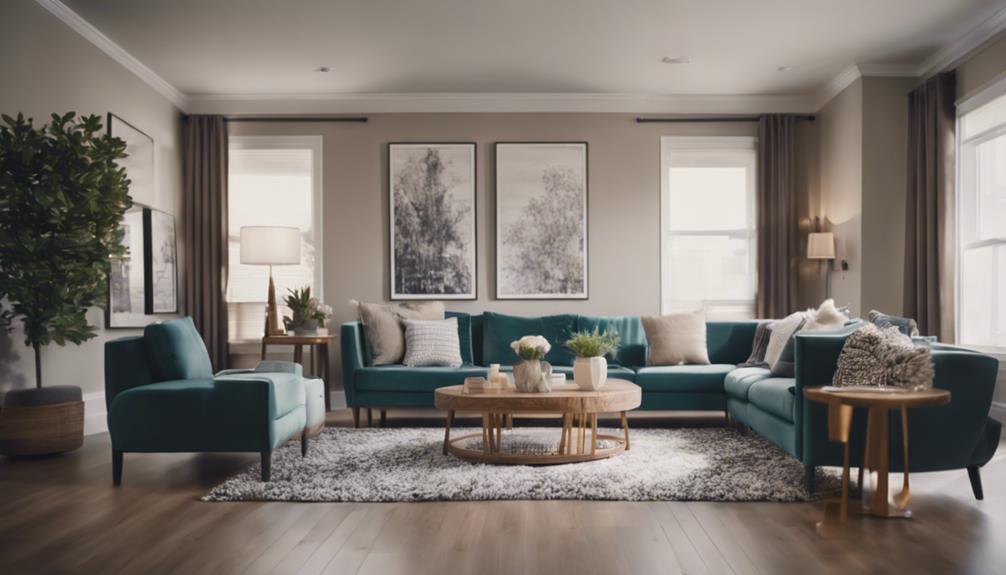
Strategic interior decorating choices can greatly impact the perceived value of a home, potentially increasing it by up to 10%. When considering interior decorating's influence on home value, factors such as strategic color choices, furniture arrangements, and professional staging play vital roles. These elements not only enhance the property's aesthetic appeal but also shape potential buyers' perception of the space. Creating an emotional connection through a well-designed interior can notably impact the offers received, leading to a quicker sale at a higher price point.
| Key Aspects of Interior Decorating | Impact on Home Value |
|---|---|
| Strategic Color Choices | Enhances Perceived Value |
| Furniture Arrangements | Shapes Property Perception |
| Professional Staging | Increases Buyer Interest |
Investing in quality interior decorating not only improves the overall ambiance of a home but also offers a high return on investment when selling. By understanding the impact of interior decorating on home value, homeowners can make informed decisions to maximize their property's potential.
Frequently Asked Questions
What Is the Meaning of Interior Decorating?
Interior decorating refers to enhancing the visual appeal of spaces using furniture, color schemes, and accessories. It involves creating a pleasing ambiance within existing spaces without altering the structure.
The primary goal is to improve the aesthetics and feel of a room. Decorators collaborate with clients to understand their preferences and style choices, resulting in personalized interiors.
This process typically excludes exterior elements and architectural changes to the space.
What Does Interior Decorating Include?
Interior decorating involves selecting color schemes, furniture, and accessories to enhance the visual appeal of a space. Decorators focus on creating a cohesive ambiance aligned with the client's style. This process involves using paint, fabric, furniture, and decorative elements to beautify existing spaces.
Collaborating with homeowners, Realtors, or architects is essential to achieve the desired aesthetic outcome. Unlike interior design, interior decorating primarily focuses on visual aesthetics and creating a welcoming atmosphere.
What's the Difference Between Interior Design and Interior Decorating?
When comparing interior design and interior decorating, it's crucial to recognize that interior design involves more technical aspects like space planning and structural changes, while interior decorating focuses on aesthetics through color, furniture, and accessories.
Designers often work on the layout and functionality of spaces, while decorators enhance the visual appeal. Understanding this distinction helps clients choose the right professionals based on their specific needs and goals.
How Does Interior Decorating Work?
Interior decorating works by strategically combining elements like color schemes, furniture, and accessories to enhance the visual appeal of a space. Decorators focus on creating a specific ambiance that matches the client's preferences. They collaborate with homeowners, Realtors, or architects to bring design visions to life.
While formal education isn't always required, certifications from organizations like C.I.D can boost credibility and skills. This process involves transforming spaces using paint, fabric, furniture, and accessories.
Conclusion
To sum up, interior decorating is the art of transforming spaces through color, texture, and functionality.
By collaborating with clients and staying updated on trends, interior decorators enhance the value and appeal of homes.
Through the skillful use of design elements, they create visually stunning and practical environments.
Whether it's a modern living room or a cozy bedroom, interior decorating plays a vital role in shaping the ambiance and overall feel of a space.