
TL;DR

Get furniture and decor delivered free with Prime
- Fast, free delivery on millions of items
- Prime Video, Amazon Music and more included
- Member-only deals all year
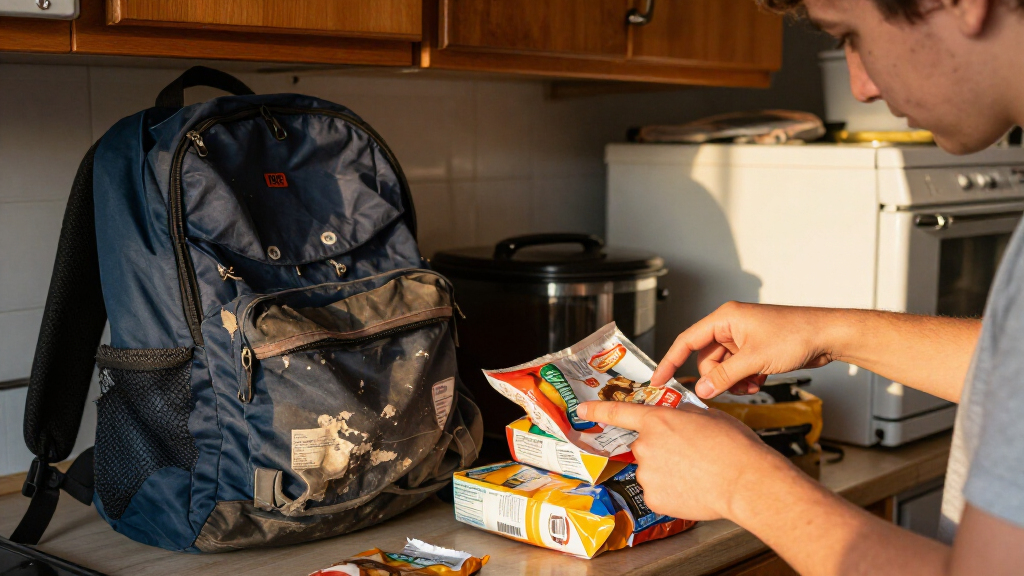
Consumer goods such as backpacks and food are reportedly worsening in quality, according to recent consumer reports and industry observations. Experts warn this trend could affect safety and value.
Consumers and industry observers are reporting a tangible decline in the quality of everyday goods, including backpacks, food, and other consumer products, in recent months. This trend, confirmed by multiple sources, raises questions about manufacturing standards and supply chain pressures.
Multiple consumer advocacy groups and industry analysts have documented a rise in complaints regarding the durability, safety, and overall quality of products such as backpacks, packaged foods, and household items. For example, reports from the Consumer Reports organization indicate an increase in defective or poorly made backpacks, with some failing after minimal use. Similarly, food safety watchdogs have noted a rise in quality issues, including packaging defects and ingredient inconsistencies.
Manufacturers cite factors such as supply chain disruptions, cost-cutting measures, and increased demand as contributing to these declines. Industry insiders suggest that companies are prioritizing cost savings over quality assurance, potentially compromising product standards. However, some manufacturers deny intentional quality reductions, attributing issues to logistical challenges.
Impacts on Consumer Safety and Value
The decline in consumer product quality could have serious implications for safety, durability, and consumer trust. Poorly made goods may pose safety risks, especially in food and household items, and erode confidence in brands. This trend also raises concerns about long-term economic impacts, as consumers may need to replace products more frequently, increasing costs and waste.As an affiliate, we earn on qualifying purchases.
Recent Trends in Manufacturing and Supply Chains
Over the past year, global supply chain disruptions, inflation, and increased production costs have pressured manufacturers. Some industry reports suggest that these pressures have led to compromises in quality control, with companies reducing material quality or cutting corners to maintain profit margins. Consumer complaints about product failures have risen accordingly, reflecting broader industry challenges.
Historically, quality issues have fluctuated, but recent surveys indicate a sharper decline, especially in low- to mid-range product categories. Experts warn that if these trends continue, consumer trust could be further eroded, impacting market stability.
Extent and Long-Term Impact of Quality Decline
It remains unclear how widespread these quality issues will become over the next year, and whether manufacturers will address these concerns effectively. Ongoing investigations are needed to determine if declines are temporary or indicative of systemic problems.Monitoring Industry Responses and Consumer Feedback
Regulators and consumer groups are expected to increase scrutiny of manufacturing practices and safety standards. Companies may need to implement stricter quality controls to restore consumer trust. Further surveys and investigations will clarify if the decline is stabilizing or worsening, and what regulatory actions might follow.
Key Questions
What specific products are most affected?
Reports highlight backpacks, packaged foods, and household items as experiencing notable declines in quality, durability, and safety.
Are these quality issues dangerous?
Some issues, particularly in food and safety-related products, could pose health and safety risks. Consumers are advised to inspect products carefully and report defects.
What is causing the decline in quality?
Industry sources cite supply chain disruptions, rising costs, and cost-cutting measures as key factors contributing to reduced quality standards.
Will manufacturers improve quality soon?
It is uncertain; regulators and consumer groups are calling for increased oversight, but whether companies will prioritize quality improvements remains to be seen.
How can consumers protect themselves?
Consumers should scrutinize products before purchase, keep receipts, and report quality issues to relevant authorities or consumer advocacy groups.
Source: fediverse
Halloween Picks
halloween
As an affiliate, we earn on qualifying purchases.