Stain-resistant fabric finishes work by applying advanced chemical treatments that create a protective barrier on textiles, repelling liquids and stains. These finishes bond with fibers, causing liquids to bead and avoid absorption, which makes stains easier to wipe away and extends fabric life. They are applied through spraying or immersing fabrics, then cured for durability. To learn more about how these treatments enhance fabric performance and safety, keep exploring the details below.
Key Takeaways
- Chemical treatments create microscopic barriers on fabrics, repelling liquids and preventing stains from penetrating fibers.
- Treatments are applied via spraying or immersion, then cured or dried to enhance durability and stain resistance.
- Proper application preserves fabric softness, color vibrancy, and ensures the stain-resistant finish remains effective over time.
- Regular gentle cleaning and avoiding harsh chemicals help maintain the integrity and longevity of the stain-resistant coating.
- Advances like nanotechnology and eco-friendly chemicals are driving innovative, longer-lasting, and sustainable stain-resistant fabric finishes.
How Stain-Resistant Finishes Are Applied to Fabrics

Stain-resistant finishes are typically applied to fabrics through a variety of treatments that create a protective barrier. These treatments often involve chemical processes that enhance fabric softening, making the material more comfortable to wear or use. During application, the chemicals bond with the fibers, helping with dye fixation, which ensures vibrant, long-lasting colors. The process usually includes spraying or immersing fabrics in a solution containing the stain-resistant agents, then curing or drying them to set the finish. This method not only repels liquids and stains but also maintains the fabric’s softness and color integrity. By carefully applying these finishes, manufacturers can improve durability while keeping textiles soft, vibrant, and resistant to common stains. Additionally, understanding the effectiveness of stain-resistant treatments helps in selecting the right fabric finishes for different applications.
Types of Stain-Resistant Treatments for Textiles
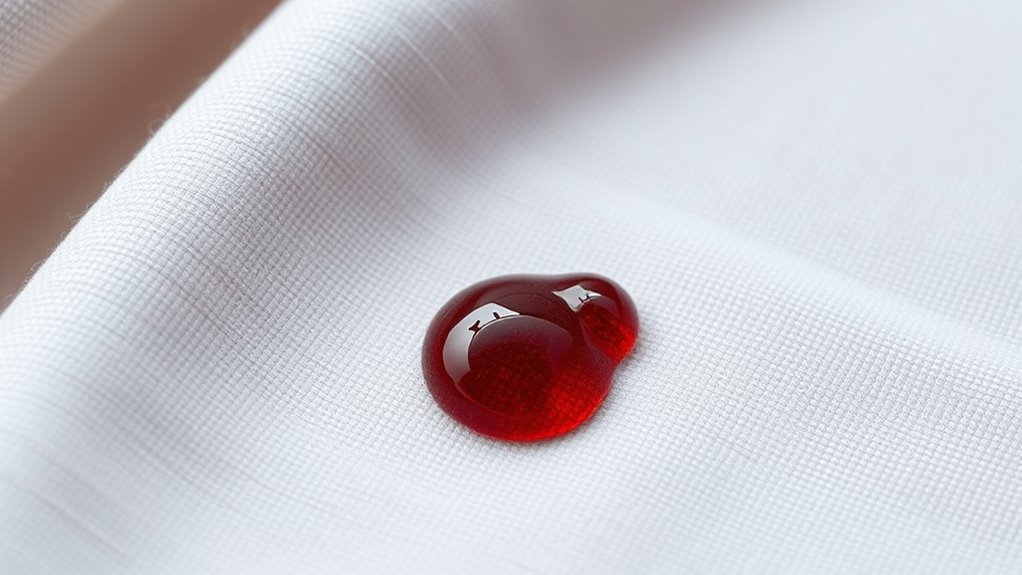
There are several types of stain-resistant treatments available for textiles, each designed to provide specific levels of protection and durability. One common option involves applying chemical finishes that create a barrier against liquids and stains, making spills easier to wipe away. Some treatments also incorporate fabric softening agents, ensuring the fabric remains comfortable while resisting stains. Others focus on color enhancement, helping fabrics retain their vibrancy even after multiple washes. These treatments can be applied during manufacturing or as a topcoat to existing textiles. Depending on your needs, you can choose treatments that balance stain resistance with softness or color retention. Understanding these options helps you select the right finish to keep your textiles looking fresh and protected longer. Proper application techniques ensure that the treatments are effective and long-lasting.
The Science Behind Repellent Fabric Finishes
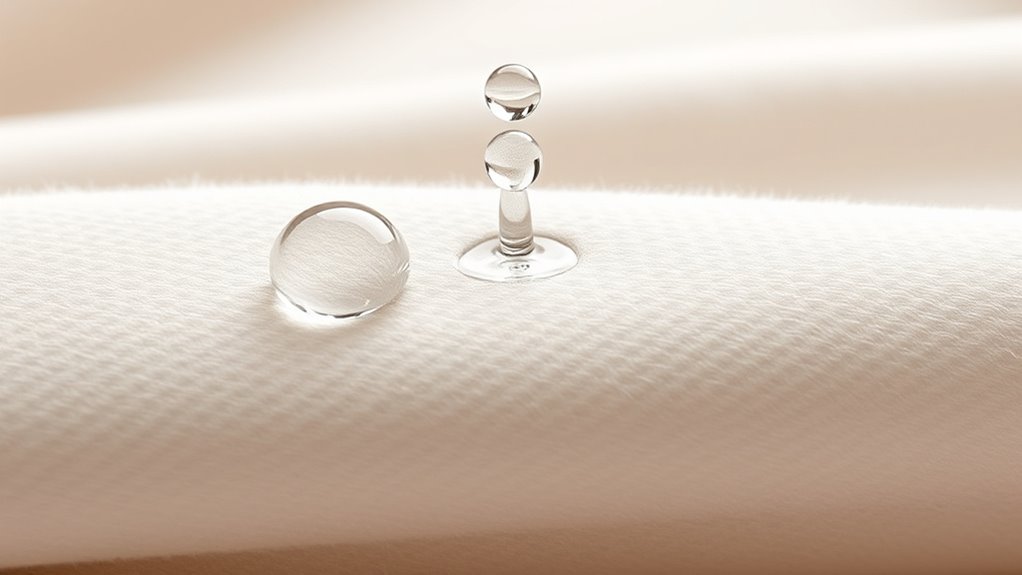
Understanding the science behind repellent fabric finishes reveals how these treatments work at a molecular level to prevent liquids from soaking in. They modify fiber chemistry, creating a barrier that repels water and stains. Surface tension plays a key role: liquids form droplets rather than spreading across the fabric. Here’s how it works:
- Fiber Chemistry: Special chemicals bond to fabric fibers, making them less receptive to liquids.
- Surface Tension: Treated surfaces increase a liquid’s surface tension, causing droplets to bead up instead of penetrating.
- Microscopic Barrier: The finish creates a microscopic coating that reduces liquid absorption, keeping your fabric dry.
Benefits of Using Stain-Resistant Fabrics in Daily Life
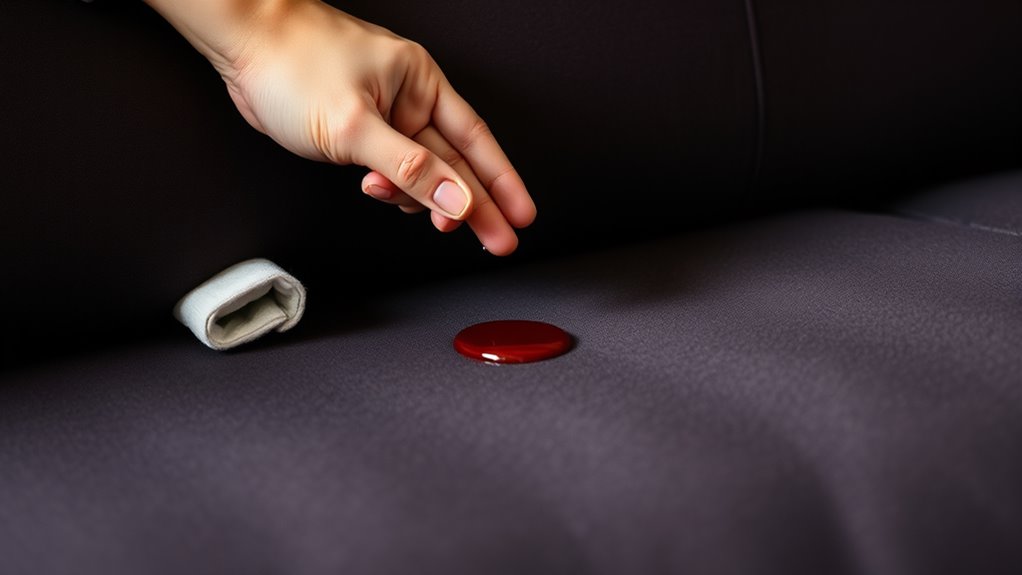
Fabric finishes that repel liquids not only protect fibers at a microscopic level but also offer practical benefits in everyday life. With stain-resistant fabrics, you’re less likely to worry about spills and messes, making stain prevention easier and more effective. These fabrics help keep your furniture, clothing, and upholstery looking new longer by reducing the chances of stains setting in. Additionally, fabric protection means less frequent cleaning and fewer costly treatments. You’ll save time and effort, enjoying a cleaner, fresher space without constant worry about accidental spills. Stain-resistant finishes give you peace of mind, especially in busy households or homes with children and pets. Overall, they make daily living more convenient by maintaining the appearance and integrity of your fabrics over time. Implementing vertical storage solutions can also help organize your space more efficiently, further supporting a tidy and stress-free environment.
Durability and Maintenance of Stain-Resistant Coatings
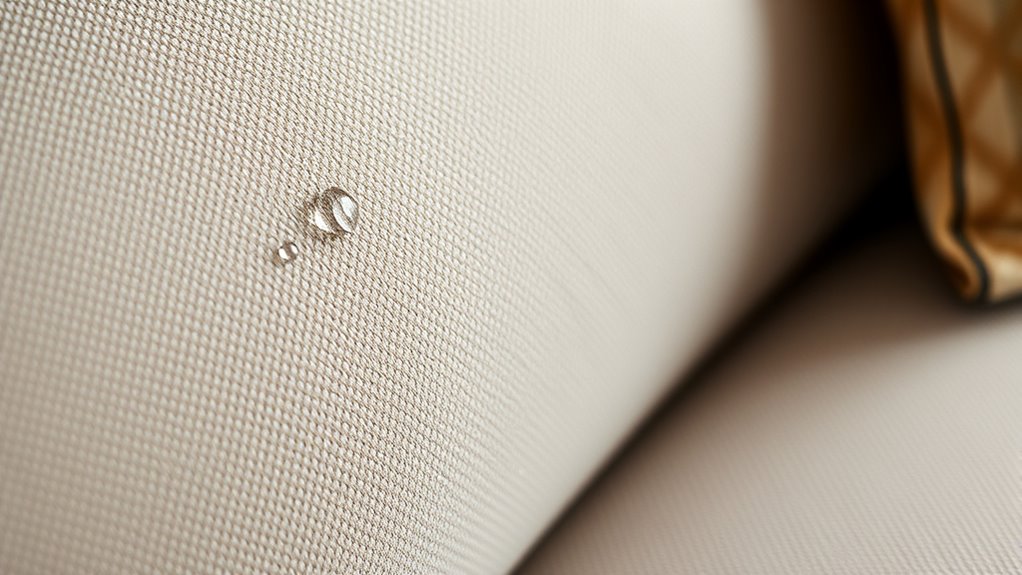
Stain-resistant coatings are designed to withstand daily wear and tear, but their durability depends on several factors, including the quality of the finish and how well you maintain it. Proper care helps preserve stain resistance longevity while maintaining fabric breathability. To guarantee peak performance, consider these tips:
- Regularly clean the fabric gently to prevent dirt buildup that can degrade the coating.
- Avoid harsh chemicals that can weaken the stain-resistant layer and reduce breathability.
- Follow manufacturer instructions for cleaning and reapplication, especially after washing or exposure to sunlight.
- Staying informed about advancements in coating technology can help you choose products that offer longer-lasting stain resistance.
Environmental and Safety Considerations of Fabric Treatments
When choosing fabric treatments, you need to contemplate their environmental impact and how safe they are for your health. Some chemicals can harm ecosystems or cause health issues if not handled properly. It’s important to understand the precautions and eco-friendly options to make informed decisions.
Environmental Impact of Treatments
Have you ever pondered the environmental footprint of fabric treatments? Many stain-resistant finishes raise biodegradability concerns because they don’t break down easily in nature. This can lead to long-term pollution if untreated fabrics are washed and disposed of improperly. To minimize impact, look for eco-friendly alternatives that use sustainable ingredients and safer chemicals. Here are key points to consider:
- Some treatments contain persistent chemicals harmful to ecosystems.
- Biodegradable options break down faster, reducing pollution.
- Choosing eco-friendly finishes supports environmental health and sustainability.
- Understanding how fabric treatments interact with natural materials can help you make more informed choices.
Health and Safety Precautions
Although fabric treatments can enhance durability and stain resistance, it’s vital to prioritize safety by understanding their potential health risks. When applying or handling these chemicals, always wear protective gear such as gloves and masks to minimize skin contact and inhalation of fumes. Proper ventilation practices are essential; work in well-ventilated areas or use exhaust fans to disperse airborne particles and reduce exposure. Follow manufacturer instructions carefully, including safe storage and disposal procedures. Avoid eating, drinking, or touching your face during application. After treatment, guarantee the area is thoroughly ventilated before use. Staying vigilant about these precautions helps protect your health while enjoying the benefits of stain-resistant fabrics. Additionally, understanding the health and safety considerations of chemical treatments can further minimize risks associated with fabric finishes.
Tips for Choosing the Best Stain-Resistant Finish for Your Needs
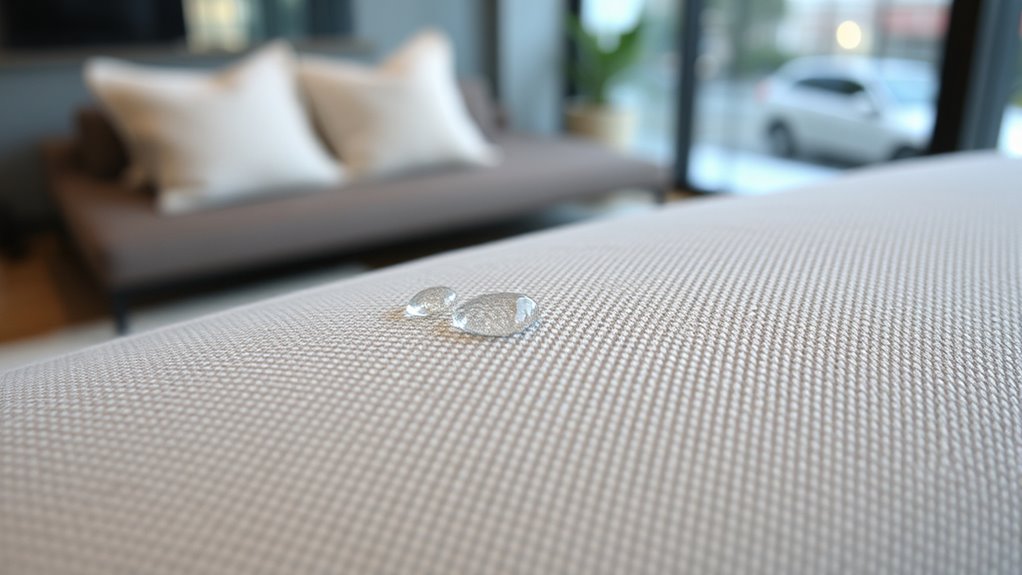
Choosing the right stain-resistant finish depends on ensuring it works well with your fabric type. You’ll also want to take into account how the finish affects its durability and how easy it is to care for over time. Keep these points in mind to select a solution that fits your needs perfectly. Additionally, considering fabric finishes can enhance the overall performance and longevity of your upholstery or clothing.
Fabric Compatibility Tips
Selecting the right stain-resistant finish depends on understanding how it interacts with your fabric type. To guarantee ideal results, consider these tips:
- Check fabric compatibility: Some finishes may affect fabric softening, making textiles feel stiffer. Test on a small area first.
- Consider color retention: Certain treatments can dull or alter colors over time. Choose finishes proven to preserve vibrant hues.
- Match finish to use: For high-traffic or frequently used furniture, select durable finishes that maintain stain resistance without compromising softness.
- Evaluate the impact of technology: Different stain-resistant treatments, such as those using advanced coating technology, can influence fabric texture and longevity.
Longevity and Care
To guarantee your fabric stays protected over time, it’s essential to contemplate the durability of the stain-resistant finish you choose. Fiber durability directly impacts how well a finish holds up against daily wear and tear, affecting stain resistance longevity. Look for finishes that are specifically designed to withstand frequent cleaning and exposure to spills. Regular care, such as gentle cleaning methods and avoiding harsh chemicals, can extend the life of your treatment. Consider finishes with proven longevity, ensuring they maintain their stain resistance over years rather than months. Keep in mind that some finishes are more suited for high-traffic areas, offering better fiber durability. Additionally, ongoing advancements in security systems and their integration with smart home technology can provide added protection and peace of mind for your home. By selecting a finish aligned with your fabric’s needs and your lifestyle, you’ll enjoy lasting protection and easier maintenance.
Innovations and Future Trends in Fabric Finishing Technologies

As fabric finishing technologies continue to evolve, innovations are driven by the demand for more sustainable, efficient, and versatile solutions. You’ll see a focus on smart textiles that adapt to environmental changes and user needs, enhancing comfort and functionality. Eco-friendly coatings are gaining popularity, reducing environmental impact while maintaining performance. Future trends include:
- Integrating smart textiles with sensors for real-time monitoring of fabric condition and wear.
- Developing eco-friendly coatings that are biodegradable and non-toxic, ensuring safer production and disposal.
- Advancing nanotechnology to create durable, multi-functional finishes that resist stains, water, and UV damage without harming the environment.
- Improved understanding of fabric treatment longevity and effectiveness will drive innovation toward longer-lasting finishes that reduce the need for frequent reapplication.
These innovations aim to create smarter, greener fabrics that meet both consumer expectations and sustainability standards.
Frequently Asked Questions
Are Stain-Resistant Fabrics Safe for Children and Pets?
Stain-resistant fabrics are generally safe for children and pets, but you should check for non-toxic, eco-friendly options to guarantee child safety. These treatments are designed to be durable and pet-friendly, resisting spills and messes without harming your pets. Always read product labels for safety information, and consider fabrics with certifications. By choosing the right stain-resistant fabric, you protect your family’s health while maintaining pet durability and easy cleanup.
Can Stain-Resistant Treatments Be Removed or Reversed?
Yes, some stain-resistant treatments are reversible, allowing you to remove or neutralize them if needed. To remove treatments, you can often use specific cleaning agents or solutions recommended by manufacturers. Keep in mind that not all finishes are reversible, so check the product label or contact the manufacturer for guidance. If you want to undo the treatment, follow the proper removal methods carefully to avoid damaging your fabric.
How Do Stain-Resistant Fabrics Feel Compared to Untreated Textiles?
Think of stain-resistant fabrics like a well-choreographed dance—they move differently than untreated textiles. You’ll notice that treated fabrics often feel slightly stiffer and less soft to the touch, like a fabric with a subtle armor. While some feel more rigid, newer treatments aim to keep fabric feeling as natural and plush as untreated textiles, so your furniture stays comfortable without sacrificing that soft, inviting fabric texture you love.
Do Stain-Resistant Finishes Affect Fabric Breathability?
Stain-resistant finishes can slightly reduce fabric breathability and moisture permeability, but the impact is usually minimal. You might notice that the fabric feels a bit less airy or less quick to dry, especially with thicker or layered treatments. However, modern finishes are designed to balance stain resistance with comfort, so you still get decent airflow and moisture management, making the fabric suitable for everyday use without sacrificing comfort.
Are There Any Warranties or Guarantees With Stain-Resistant Fabrics?
You might wonder if stain-resistant fabrics come with warranties or guarantees. Typically, warranty coverage varies by manufacturer, with some offering limited guarantees on stain resistance or fabric durability. It’s essential to read the guarantee specifics carefully, as some warranties may cover certain stains or wear, but not others. Don’t assume all protections are equal—always check the warranty details before purchasing to ensure your investment is protected.
Conclusion
Choosing the right stain-resistant finish is like selecting a loyal shield for your fabrics, offering both protection and peace of mind. By understanding how these treatments work and considering their environmental impact, you can make informed decisions that keep your textiles looking fresh and new. Embrace innovation wisely, and your fabrics will stand strong against life’s spills and splashes—turning everyday messes into mere ripples in your fabric’s story.