When choosing between veneer and solid wood, consider their construction, look, and durability. Solid wood is made from a single timber piece, offers a rich, natural grain, and ages beautifully, but it can be more expensive and susceptible to warping. Veneer uses thin wood layers glued onto a core, providing a sleek, uniform appearance at a lower cost and weight. Understanding these differences helps you pick the right material for your style, budget, and long-term needs. Keep exploring to find out how these options affect maintenance and sustainability.
Key Takeaways
- Solid wood is a single, durable piece offering natural character, while veneer is a thin wood layer glued onto a core for a high-end look.
- Veneer provides a sleek, uniform appearance with consistent grain patterns, unlike the bold, varied grain of solid wood.
- Solid wood is more resistant to dents and scratches but may warp with moisture; veneer is easier to repair and less prone to warping.
- Veneer is more affordable and eco-friendly due to less material use, whereas solid wood typically costs more but offers longer-lasting durability.
- Solid wood suits heavy-use furniture like tables, while veneer is ideal for decorative, lightweight, and intricate designs.

TRIBEWOOD Solid Wood Dining Table for 4-6, 63-Inch Farmhouse Kitchen Table with Sturdy Legs, Wooden Rectangular Dinner Furniture for Kitchen, Dining Room, Light Brown
100% Solid Wood Construction: Expertly crafted from solid wood, this dininer table highlights natural grain patterns and subtle…
As an affiliate, we earn on qualifying purchases.
As an affiliate, we earn on qualifying purchases.
Construction and Composition Differences
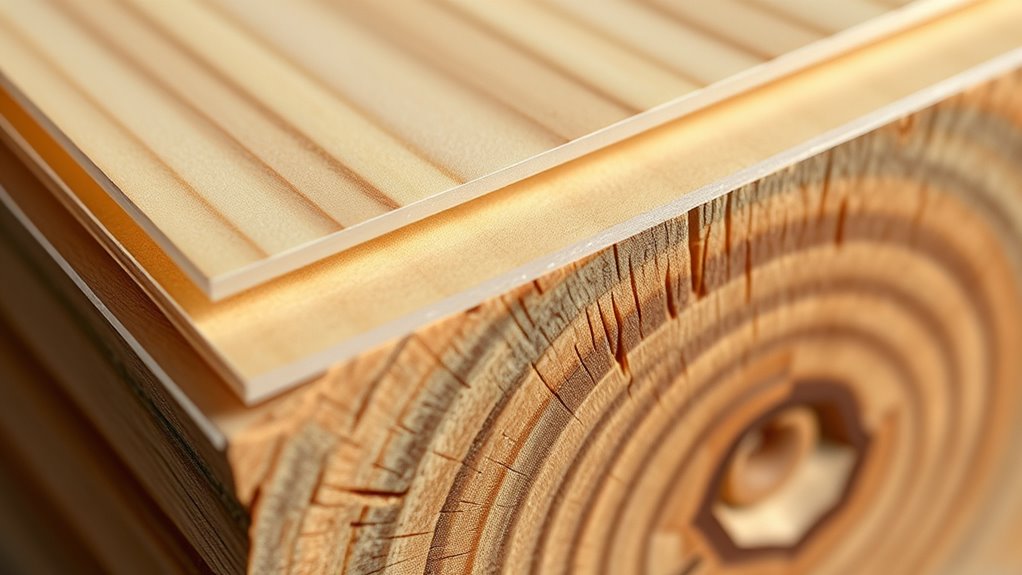
Although both veneer and solid wood are popular choices for furniture and finishing, they differ markedly in their construction and composition. Solid wood consists of a single piece of timber, with its core layers made entirely from a solid tree trunk. Its manufacturing process involves cutting, shaping, and finishing the wood directly, preserving its natural grain and structure. Veneer, on the other hand, features a thin layer of high-quality wood glued onto a core made of cheaper materials like plywood or MDF. The manufacturing process for veneer involves slicing or cutting the wood into thin sheets, which are then adhered to the core layers. This construction makes veneer more adaptable and economical, while solid wood offers unmatched durability and natural character. Understanding material composition is essential for selecting the right furniture for longevity and style.

Panana 5/7 Drawer Chest, Wooden Tall Dresser Storage Dresser Cabinet with Wheels, Office Organization and Storage, Bedroom Furniture (White, 5 Drawer)
➤MODERN & PRACTICAL DESIGN: These Chests Of Drawers Look Excellent And Would Fit Perfectly In To Any Contemporary…
As an affiliate, we earn on qualifying purchases.
As an affiliate, we earn on qualifying purchases.
Visual Appeal and Aesthetic Qualities
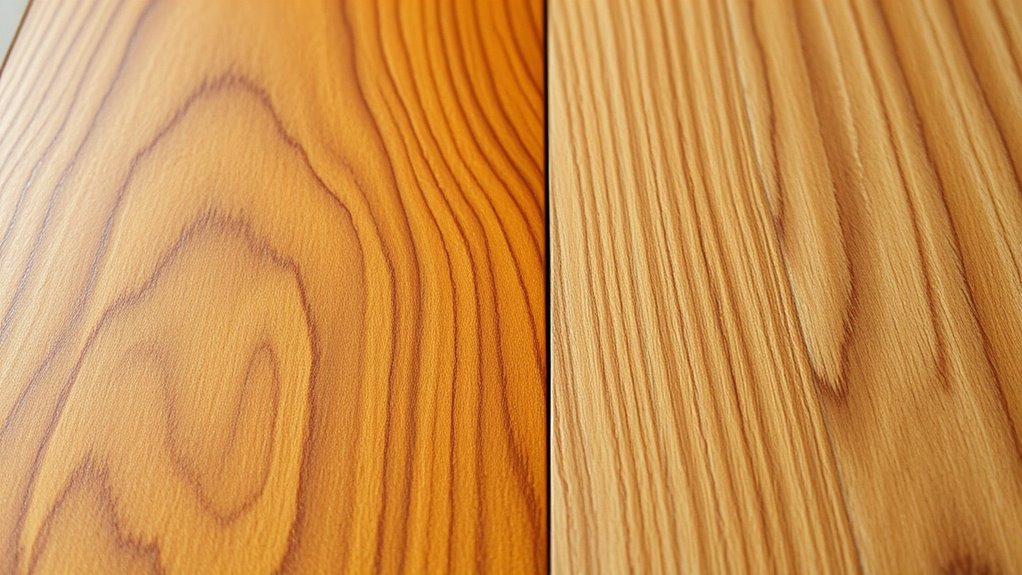
What makes one piece of furniture more visually appealing than another often comes down to its grain, color, and finish. Veneer offers consistent grain patterns with subtle variations, creating a sleek, uniform look. Solid wood displays more dramatic grain patterns and richer color variation, giving each piece unique character. Additionally, understanding material composition can help you appreciate the durability and craftsmanship behind each type of wood. The table below highlights key aesthetic differences:
| Aspect | Veneer | Solid Wood |
|---|---|---|
| Grain Pattern | Fine, consistent | Bold, varied |
| Color Variation | Minimal, controlled | Rich, unpredictable |
| Finish | Smooth, polished | Natural, textured |
| Character | Subtle elegance | Distinctive personality |
| Visual Impact | Sleek, refined | Warm, inviting |

Camland Red Oak Veneer Sheets – DIY Woodworking Projects, Speaker Renovation, Furniture Restoration – Unfinished Wood Sticker – Handmade Style – 9×98 Inch – Ideal for Craftsmen & Enthusiasts
Premium Quality Material: Crafted from genuine Red Oak pattern, our veneer roll ensures high-quality and durability, perfect for…
As an affiliate, we earn on qualifying purchases.
As an affiliate, we earn on qualifying purchases.
Durability and Wear Resistance

When choosing between veneer and solid wood, durability and wear resistance play a crucial role in how well your furniture will stand up over time. Solid wood generally offers greater surface hardness, making it more resistant to dents and scratches. Its dense grain patterns provide strength, but some species may be prone to warping or cracking with moisture changes. Veneer, on the other hand, has a thinner surface layer that’s less durable; however, its grain patterns can hide minor surface imperfections better. While veneer is often more resistant to warping due to its engineered core, it can be more vulnerable to surface damage if not properly cared for. Overall, solid wood tends to outperform veneer in durability, but proper maintenance can extend the lifespan of either material. Additionally, understanding the types of wood and veneer can help in selecting the most suitable option for your needs.

LITTLE TREE Solid Wood Coffee Table, 47-Inch Living Room Center Table with Shelf, 2-Tier, Smooth Corners, Child-Friendly, Easy Assembly, Brown
Premium Solid Wood Coffee Table: Crafted from 100% solid Fir wood (Cunninghamia), this coffee table offers unmatched durability…
As an affiliate, we earn on qualifying purchases.
As an affiliate, we earn on qualifying purchases.
Cost and Budget Considerations

Solid wood furniture typically comes with a higher price tag due to the cost of raw materials and craftsmanship involved. When planning your budget, consider how pricing strategies influence your options—solid wood often requires a larger upfront investment, but it can last longer, potentially saving money over time. Veneers, on the other hand, usually cost less initially, allowing you to allocate funds elsewhere. Your budget planning should factor in not just the purchase price but also maintenance and longevity. If your goal is a timeless piece that withstands wear, investing in solid wood might be worth the extra expense. Conversely, if you’re looking for cost-effective pieces, veneers offer affordability without sacrificing style, making them a practical choice for budget-conscious buyers. Additionally, understanding material durability can help you make more informed decisions aligned with your long-term needs.
Environmental Impact and Sustainability
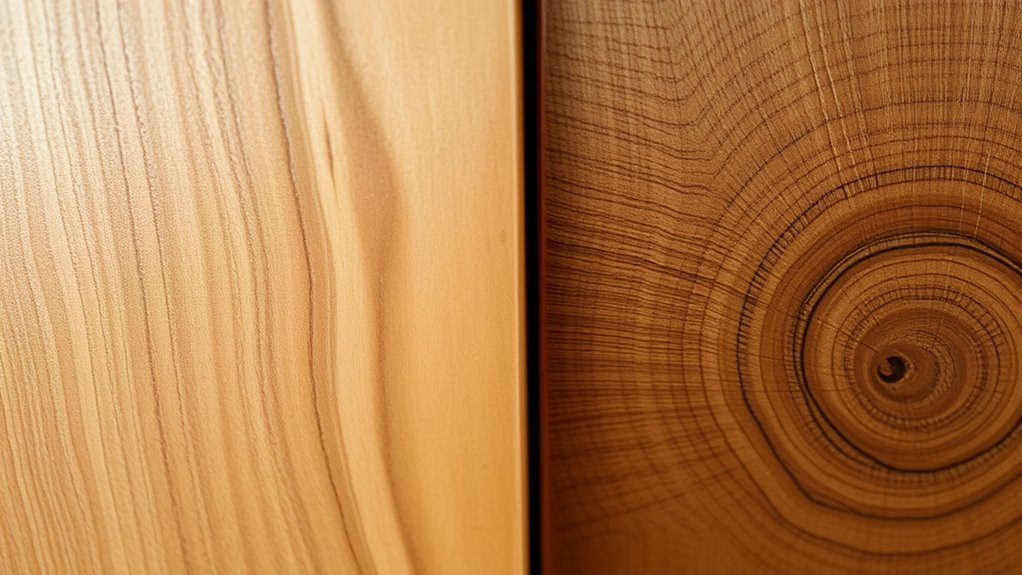
The environmental impact of choosing between veneer and solid wood depends largely on how the materials are sourced and managed. Eco friendly sourcing guarantees that forests are harvested responsibly, minimizing deforestation and habitat loss. Both veneer and solid wood options can be environmentally sustainable if sourced properly, but veneer often uses less wood overall, reducing resource consumption. Recycling options also play a role in sustainability; veneer scraps can be repurposed or recycled, limiting waste. Solid wood, while durable, may have a larger ecological footprint if not sourced sustainably. By prioritizing eco friendly sourcing and exploring recycling options, you can make a more environmentally responsible choice. Ultimately, understanding the supply chain and material management helps you choose the option with the lesser environmental impact.
Repair and Refinishing Capabilities

When it comes to repair and refinishing, veneer furniture offers quick and easy touch-ups that can keep it looking fresh with minimal effort. In contrast, solid wood allows for deep restoration, enabling you to sand, refinish, and restore it to its original beauty. Your choice depends on whether you prefer simple fixes or extensive refinishing work. Additionally, understanding the shelf life of juice can help in maintaining freshness if you’re using natural ingredients for any refinishing or touch-up processes.
Veneer: Easy Touch-Ups
Veneer furniture is often praised for its easy touch-up and refinishing capabilities, making it a practical choice for those who want to maintain a fresh appearance with minimal effort. When scratches or dents occur, you can often sand lightly and reapply a matching veneer patch, thanks to the consistent grain pattern. Color matching is straightforward because veneer surfaces can be refinished or touched up with stains or touch-up kits that blend seamlessly. Unlike solid wood, veneer allows you to restore its look without stripping or heavy sanding of the entire piece. This ease of repair makes veneer especially appealing for high-traffic areas or furniture you want to keep looking fresh over time. Additionally, veneer offers a cost-effective option compared to solid wood, providing a similar aesthetic at a lower price point. Overall, veneer offers a convenient, low-maintenance option for maintaining a beautiful finish.
Solid Wood: Deep Restoration
Solid wood furniture offers exceptional deep restoration and refinishing capabilities, allowing you to repair extensive damage and refresh its appearance over time. Because of its natural grain pattern, you can sand down scratches and imperfections without losing the character of the piece. When refinishing, color matching is vital; skilled techniques enable you to blend stains seamlessly, preserving the wood’s original look. Unlike veneer, which can only be touched up lightly, solid wood can be sanded repeatedly, restoring its smooth, even surface. This flexibility makes it ideal for long-term use and customization. Whether repairing minor scratches or addressing deep gouges, you have the tools to bring your furniture back to life, maintaining its beauty and integrity for years to come.
Applications and Best Uses
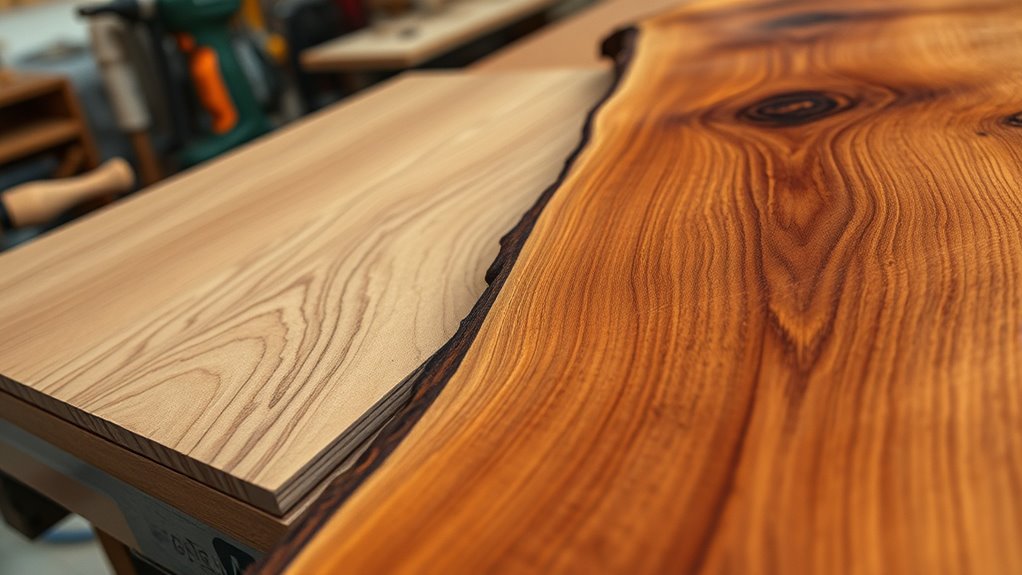
Choosing between veneer and solid wood depends on the specific application and desired aesthetic. Veneer excels in creating decorative patterns and offers incredible design versatility, making it ideal for intricate furniture, paneling, or accents where visual details matter. Solid wood is best suited for pieces needing durability, structural strength, or a natural feel, such as tables or heavy-use furniture. Consider veneer if you want a high-end look with less cost and weight. Opt for solid wood when longevity and natural aging are priorities. Veneer also allows for woodgrain patterns that can mimic rare or exotic woods at a lower cost.
- Enhance elegant decor with intricate veneer patterns
- Use veneer for lightweight, versatile design options
- Choose solid wood for robust, long-lasting furniture
- Balance cost and appearance with strategic material selection
Maintenance and Care Tips
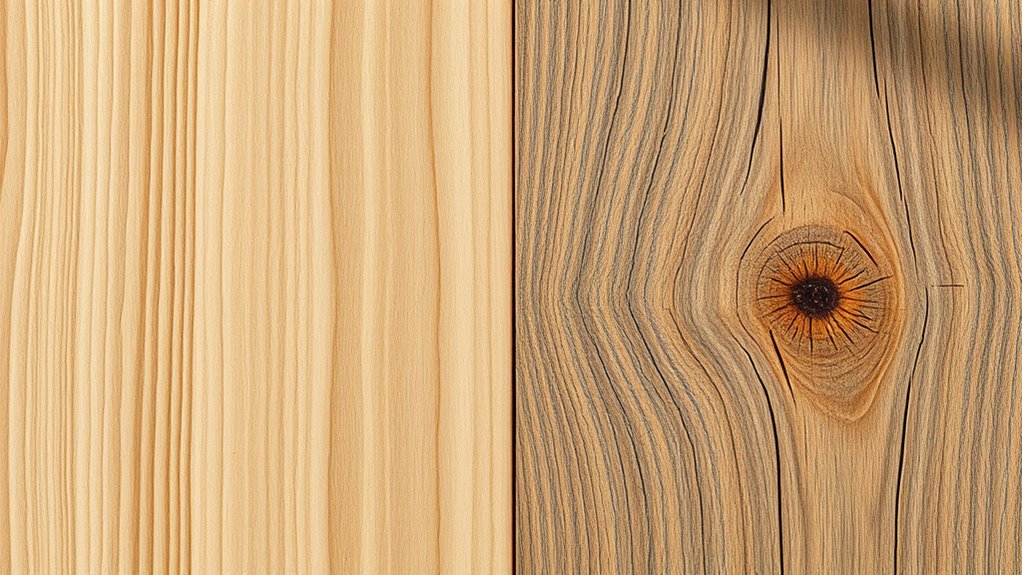
To keep your furniture looking its best, make sure to clean and dust regularly with a soft cloth. Protect the surface finish by using coasters and avoiding harsh cleaners that can cause damage. Proper maintenance will extend the life and beauty of both veneer and solid wood pieces. Additionally, correct cleaning techniques tailored to each material will help preserve their appearance over time.
Cleaning and Dusting
Regular cleaning and dusting are essential for maintaining the appearance and longevity of both veneer and solid wood furniture. Dust accumulation can dull surfaces and worsen over time if not addressed with proper cleaning techniques. To keep your furniture looking its best, use a soft, lint-free cloth to gently remove dust. Avoid harsh chemicals that can damage finishes. For stubborn dirt, dampen the cloth slightly with water or a mild cleaner specifically designed for wood. Remember, consistent dusting prevents build-up and preserves your furniture’s natural beauty. Consider these tips:
- Dust regularly to prevent buildup
- Use gentle, circular motions
- Keep cleaning tools soft and lint-free
- Avoid excessive moisture or harsh chemicals
- Proper cleaning techniques are vital for protecting finishes and enhancing longevity.
Following these practices helps maintain the integrity of both veneer and solid wood surfaces, ensuring they stay beautiful for years.
Protecting Surface Finish
Maintaining the finish on your furniture involves more than just cleaning; it requires careful protection against damage. Start by using coasters, placemats, and soft cloths to prevent scratches and moisture. Be mindful of edge banding, which can peel or chip if bumped or exposed to water over time. Applying surface sealing products periodically helps preserve the finish and keeps it looking fresh. Avoid harsh chemicals and abrasive cleaners that can strip or dull the surface. When moving furniture, lift rather than drag to prevent scratches or dents. Regularly inspecting and repairing any minor chips or scratches will help maintain the integrity of the surface finish. Proper tuning and maintenance of your furniture’s surface can also extend its lifespan and appearance. With proper care, your furniture’s beauty and durability will last much longer.
Frequently Asked Questions
How Does Veneer Aging Compare to Solid Wood Over Time?
Veneer ages more evenly than solid wood, developing a consistent patina over time, while solid wood shows more distinct aging patterns like color changes and natural cracks. Veneer’s surface durability is typically less than solid wood, making it more prone to surface damage with age. However, its thin layer means it can be easier to repair or replace. Solid wood, though more durable, may develop more noticeable aging signs but retains its integrity longer.
Can Veneer Be Customized With Different Finishes or Stains?
Yes, veneer can be customized with various finish varieties and stains. You have the flexibility to choose from different colors, textures, and gloss levels, allowing you to match your decor perfectly. Many finishes are compatible with veneer, enabling you to achieve your desired aesthetic. Just keep in mind that some finish options might be limited depending on the veneer’s material, so it’s best to consult with your supplier for the best customization options.
Are There Health Concerns Associated With Veneer or Solid Wood?
Imagine you’re choosing a new dining table and wonder about health concerns. Both veneer and solid wood generally pose low health risks, but chemical emissions from finishes or adhesives can affect indoor air quality. For instance, low-VOC or formaldehyde-free options reduce chemical emissions, making your space safer. Always opt for eco-friendly finishes to minimize potential health issues, ensuring your home remains a healthy environment.
How Do Veneer and Solid Wood Perform in Humid Environments?
In humid environments, veneer generally performs better due to its superior moisture resistance, as it’s less prone to expansion and contraction. Solid wood absorbs more moisture, leading to swelling, warping, or cracking over time. You should consider sealing or finishing solid wood to improve its stability, but veneer naturally handles humidity fluctuations better, making it a more durable choice in high-humidity settings.
What Are the Best Ways to Identify Genuine Veneer From Fake?
You might think fake veneer is obvious, but it’s not always. To spot genuine veneer, examine the grain pattern—real veneer has a natural, inconsistent flow, while fake often repeats or looks too uniform. Feel the surface texture; authentic veneer feels smooth yet varied, unlike the often plasticky feel of fake. Ironically, the more perfect it looks, the more likely it’s not genuine. Stay vigilant and trust your senses.
Conclusion
Ultimately, whether you choose veneer or solid wood, make mindful decisions that match your needs. Weigh the worth, wear, and wonder of each option, and you’ll wield wisdom in your woodworking. With a little care and consideration, you can create compelling, mesmerizing spaces that stand the test of time. Remember, your choice defines your decor’s durability and design—so select smartly, stay savvy, and enjoy the stunning, sustainable results.