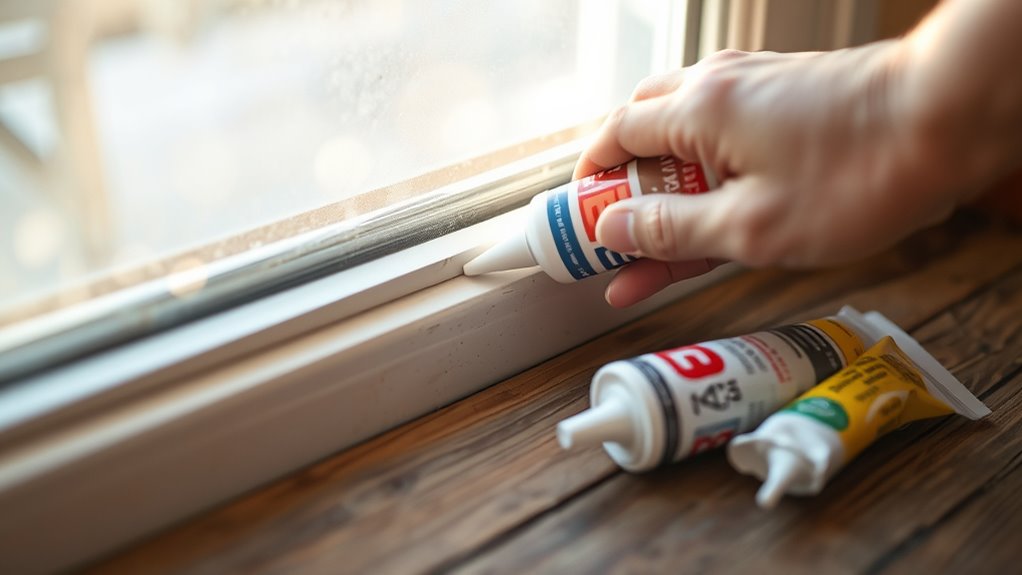

Draft-proofing your home is essential for cutting energy costs and enhancing comfort. By sealing gaps around windows, doors, and chimneys, you can reduce heat loss and improve energy efficiency, saving you between £40 to £55 annually. You can tackle this either through budget-friendly DIY methods or hire professionals for more thorough results. Plus, proper ventilation is vital to prevent dampness. Interested in discovering effective techniques and materials for better draught-proofing? There’s more to explore!
Key Takeaways
- Draught-proofing reduces heat loss, improving energy efficiency and maintaining comfort during colder months.
- Sealing windows, doors, and chimneys can save homeowners £40 to £55 annually on energy bills.
- DIY draught-proofing is cost-effective, while professional services ensure high-quality results and long-term savings.
- Key areas to address include windows, doors, chimneys, and electrical outlets for effective sealing.
- Proper ventilation is essential to prevent moisture build-up while maintaining energy efficiency and comfort.

118” Wedge-Shape Foam Window Weather Stripping Door Seal Strip,Soundproofing Frame Winter Insulation Tape for Exterior Front Door,Noise Cancelling Window Inserts,Door Gap Filler Light Blocker,White
Upgraded Wedge Design: The window draft stopper adopts upgraded wedge design, the thickness of the thinnest 0.16“, the…
As an affiliate, we earn on qualifying purchases.
As an affiliate, we earn on qualifying purchases.
Understanding Draught-Proofing and Its Importance
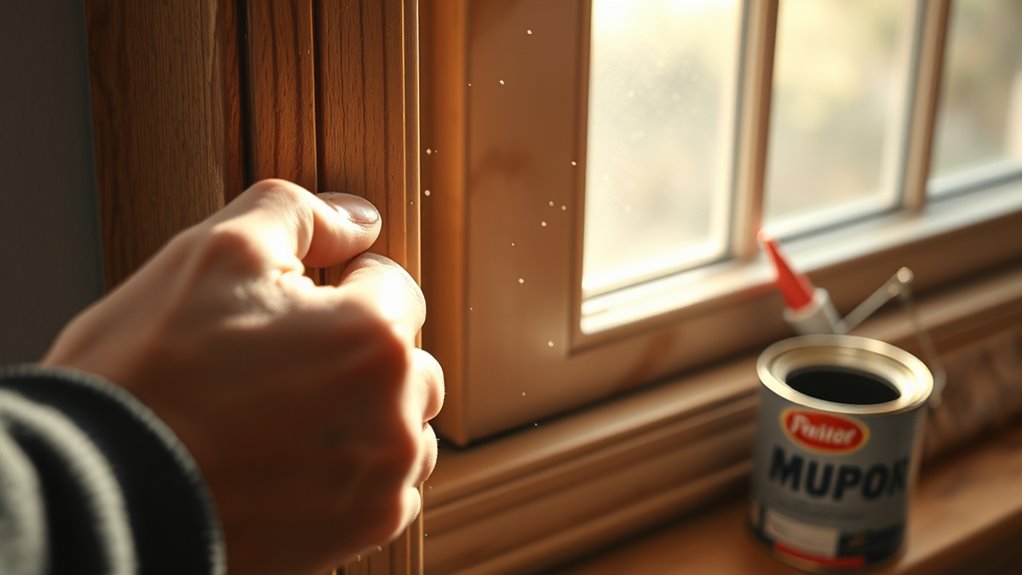
Draught-proofing is essential for maintaining a comfortable home, especially during colder months. By sealing gaps around your windows and doors, you can greatly reduce heat loss, which not only improves energy efficiency but also enhances your overall comfort. Additionally, implementing heat pump technology can complement your draught-proofing efforts by ensuring that your heating system operates efficiently. Regular maintenance of your heat pump can further enhance its effectiveness and longevity, leading to long-term savings on your energy bills.
Addressing overlooked areas, such as the bottom of exterior doors and light switches, can help you save energy and keep your indoor temperatures stable. Effective draught-proofing balances the need for ventilation while minimizing uncontrolled air leaks, preventing dampness and discomfort. Additionally, proper heat pump maintenance can further enhance your home’s energy efficiency by ensuring your heating system operates optimally. This is particularly important as heat pumps can reduce energy bills by up to 50%, maximizing your savings and comfort.

Vellure® Door Draft Stopper for Bottom of Door – Premium Door Sweep for Bottom of Door/Weather Stripping Door Seal (Save Energy – installs Quickly and Easily) Door Strip Ideal for
BLOCK DRAFTS EFFECTIVELY – High-quality door draft stopper made from industry-grade silicone with exceptionally strong adhesive. Our door…
As an affiliate, we earn on qualifying purchases.
As an affiliate, we earn on qualifying purchases.
Potential Savings From Draught-Proofing
When you draught-proof your home, you could save around £40 to £55 a year just from sealing windows and blocking chimneys. These cost-effective measures not only keep your space comfortable but also help lower your energy bills considerably. Additionally, improving your home’s insulation can enhance the overall efficiency of heat pumps by reducing the workload on the system. By ensuring your home is well-sealed, you can maximize energy efficiency and ensure that your heating and cooling systems operate optimally, thus improving the Coefficient of Performance (COP) of your heat pump system. Many homeowners have reported significant reductions in energy consumption, similar to the way that electric vehicles like Tesla have lower operational costs compared to traditional vehicles due to their advanced efficiency.
Annual Savings Estimates
You can save a significant amount on your energy bills by implementing draught-proofing measures in your home.
By sealing gaps around windows and doors, you’ll not only enhance energy efficiency but also see real savings. Regular home cleaning can also support this effort by ensuring that dust and debris do not accumulate in sealed areas, leading to a healthier lifestyle in your living space.
Here are some annual savings estimates to reflect upon:
- Basic draught-proofing around windows and doors: £20
- Sealing an open chimney when not in use: £55 (GB) / £65 (NI)
- Blocking unused chimneys: £15
- Overall savings from reduced heating system run time: Approximately £40 (GB) / £45 (NI)
These measures can dramatically reduce heat loss, leading to lower energy costs and improved comfort in your home. Additionally, creating a calm environment through effective draught-proofing contributes to overall well-being by minimizing distractions caused by uncomfortable temperatures.
Start draught-proofing today for better energy savings!
Cost-Effective Measures
Implementing cost-effective draught-proofing measures can lead to impressive savings on your energy bills. By addressing gaps around windows and doors, you can greatly reduce heat escaping from your home. For older homes with single glazing, these energy efficiency upgrades can yield notable benefits. Here’s a breakdown of potential savings:
| Measure | Savings in Great Britain | Savings in Northern Ireland |
|---|---|---|
| Draught-proof windows and doors | £40 | £45 |
| Block unused chimney | £55 | £65 |
| Basic DIY draught-proofing | Varies | Varies |
With affordable materials from hardware stores, you can draught-proof your home and save money without needing professional help. Start today and enjoy lower energy costs!
Impact on Energy Bills
Although many homeowners might underestimate the impact of draught-proofing, taking simple steps to seal gaps can lead to significant reductions in energy bills.
By improving your home’s energy efficiency, you can:
- Save around £40 per year by sealing windows and doors.
- Prevent heat loss from unused chimneys, saving about £55 annually.
- Keep heat inside, allowing you to lower thermostat settings comfortably.
- Reduce heating system run time, leading to further savings.
These measures not only fill gaps in your home but also enhance overall comfort while slashing energy bills.
With low-cost draught-proofing efforts, you can quickly recoup your investment and enjoy a warmer, more efficient home.

Flueblocker for 13"X35" Chimney Flue – Chimney Sheep Fireplace Draft Stopper Plug Replacement Damper Fireplace Tool – Better Than Inflatable Pillow or Balloon–Save Energy Block Odor & Debris
The 13” x 35” Chimney Flueblocker pressure fits into a 13" x 35" or smaller rectangular flue opening….
As an affiliate, we earn on qualifying purchases.
As an affiliate, we earn on qualifying purchases.
DIY vs. Professional Draught-Proofing: What to Choose?
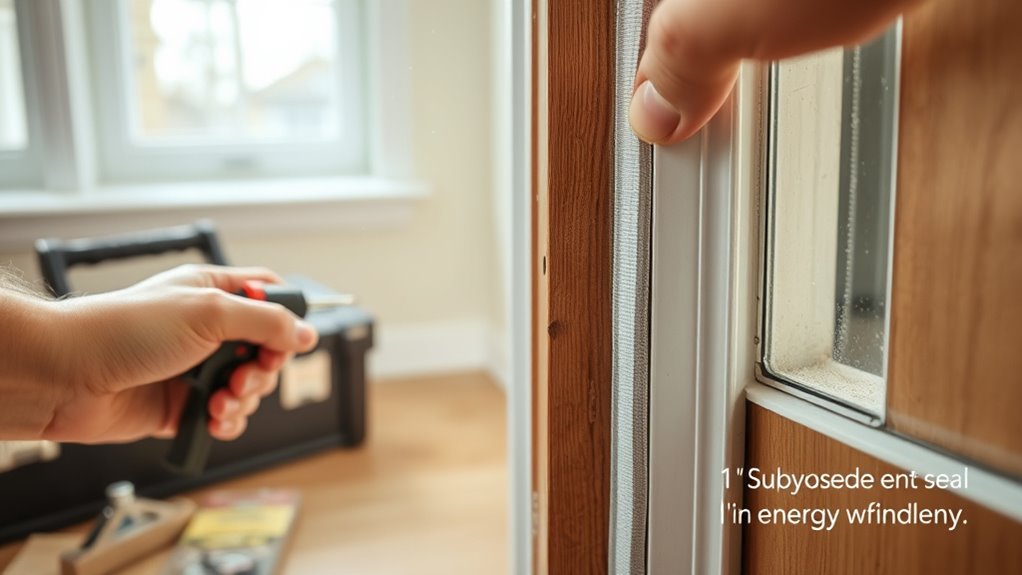
When considering draught-proofing your home, you’ll need to weigh the costs, your skill level, and the time you can invest.
DIY options are budget-friendly but may require more effort and expertise on your part.
On the other hand, hiring professionals can save you time and guarantee a high-quality job, making it a worthwhile investment for some homeowners.
Cost Considerations
Choosing between DIY and professional draught-proofing often comes down to your budget and the specific needs of your home.
Here are some cost considerations to weigh:
- DIY draught-proofing: Typically cheaper, with materials like foam tape costing around £3.52 for 3.2m.
- Professional draught-proofing: Costs about £250 for an entire house but may offer significant energy savings due to expert techniques.
- Long-term costs: DIY mistakes could lead to reduced energy efficiency, increasing your overall expenses.
- Investment: Sealing draughts can save you around £40 per year in energy costs, making either option a worthwhile investment for homes with single glazing.
Ultimately, consider both immediate costs and potential long-term savings when deciding.
Skill Level Required
Deciding on the best approach to draught-proofing your home involves evaluating your skill level alongside your budget. DIY options are budget-friendly, costing under £20 for materials like foam tape. However, if your home has complex structures or single-glazed windows, a professional’s expertise can enhance energy efficiency and savings, typically costing around £250 for a full treatment.
| Approach | Pros |
|---|---|
| DIY | Affordable, flexible |
| Professional | Effective, expert techniques |
Ultimately, weigh your comfort with insulation tasks against the complexity of the gaps you’re facing. If you feel confident in your skills, DIY might be suitable; otherwise, investing in professional draught-proofing could be the smarter choice for your home.
Time Investment Needed
While you might be tempted to tackle draught-proofing yourself, it’s important to contemplate how much time you’re willing to invest.
DIY draught-proofing can be affordable, but it requires a significant time commitment. Homeowners typically spend a few hours to a full weekend sealing gaps, depending on the number of areas and materials used.
Consider these points to help you decide:
- DIY Time Investment: Expect several hours or a weekend for thorough work.
- Professional Services: Typically costs around £250 but saves you time.
- Quality Assurance: Professionals offer expertise, ensuring effective energy efficiency.
- Focus on Other Tasks: Hiring experts lets you prioritize other home projects while ensuring energy savings.
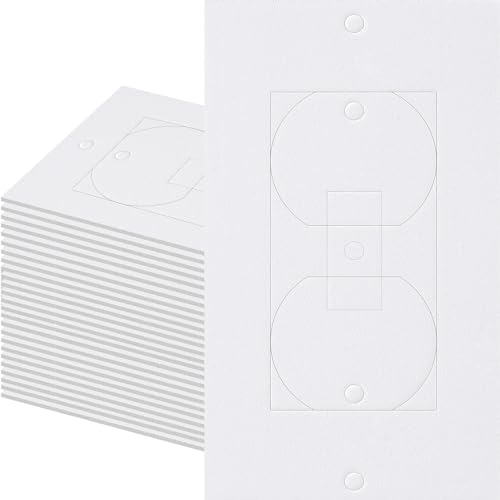
Outlet Insulators Draft Sealers, 30 Pack Electrical Outlet Insulation Pads, EVA Foam Gasket for Wall, Light, Switch Socket Cover Compatible with Duplex Toggle Rocker Wall Plate Openings
Keeps the draft out: By blocking drafts, draft sealers help to maintain a consistent temperature improving comfort and…
As an affiliate, we earn on qualifying purchases.
As an affiliate, we earn on qualifying purchases.
Key Areas to Address for Effective Draught-Proofing

To effectively draught-proof your home and enhance energy savings, you’ll want to focus on several key areas where air leaks commonly occur.
Start with your windows and doors, as they’re frequent culprits for heat loss. Installing draught excluders or a door sweep at the bottom of exterior doors can markedly reduce unwanted drafts.
Don’t overlook gaps and cracks around light switches and electrical outlets on exterior walls; insulating them with foam pads can boost energy efficiency.
If you have older, single-pane windows, consider applying window insulating film to keep heat inside and minimize cold drafts.
Finally, verify air ducts, vents, and pipes are sealed properly to prevent air leakage, contributing to a more comfortable and energy-efficient home environment.
Essential Methods and Materials for Draught-Proofing
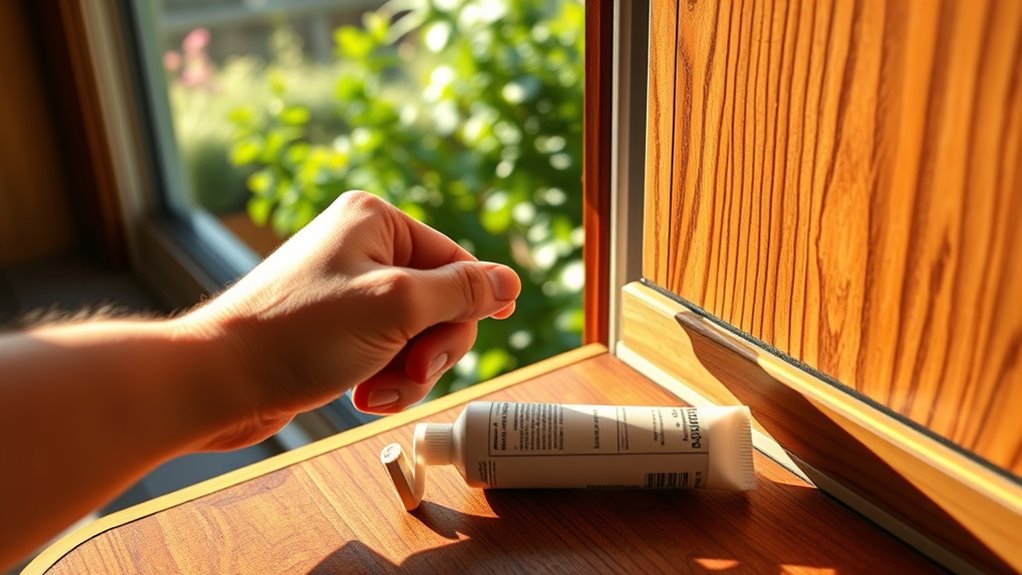
When it comes to draught-proofing your home, using the right methods and materials can make all the difference in energy efficiency.
Here are some essential techniques to help you seal gaps effectively:
- Foam weather stripping: Apply it around doors and windows to block cold air.
- Door sweeps and letterbox brushes: Install these to prevent drafts at the bottom of doors and mail slots.
- Chimney draught excluder: Use chimney balloons or caps to minimize heat loss when your fireplace isn’t in use.
- Insulation for outlets: Foam gasket pads can greatly reduce heat loss from electrical outlets and light switches on exterior walls.
The Role of Ventilation in Draught-Proofing
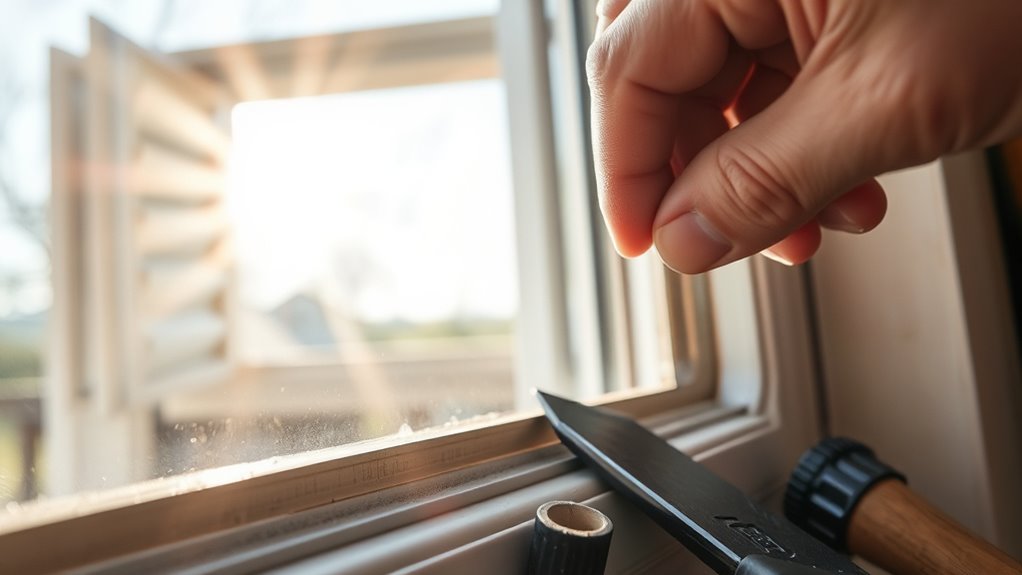
Sealing gaps in your home is just one part of the draught-proofing process; understanding the role of ventilation is equally important. Proper ventilation helps prevent moisture build-up, reducing the risk of damp and mould.
While draughts create uncontrolled air leaks, intentional sources like extractor fans and trickle vents allow fresh air to flow in. If you seal your home completely without considering ventilation, you risk excessive condensation and poor indoor air quality.
Rooms with open fires or high moisture levels need specific ventilation solutions to balance draught-proofing benefits with the need for fresh air. A well-ventilated home enhances energy efficiency while minimizing heat loss, ensuring a comfortable living environment.
Benefits Beyond Energy Savings: Comfort and Sustainability
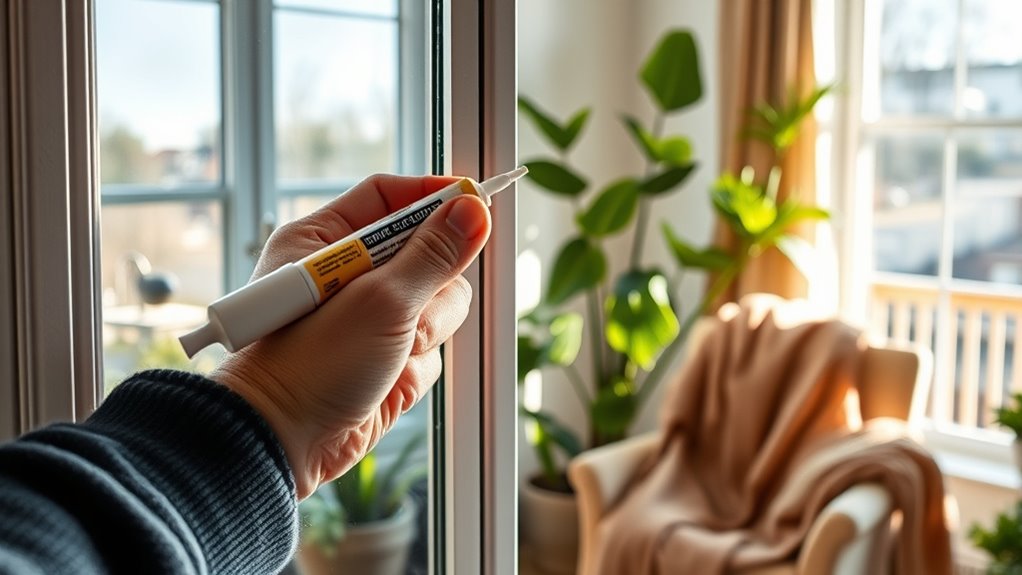
While many people focus on energy savings, draught-proofing your home offers a range of additional benefits that enhance both comfort and sustainability. By sealing gaps, you improve energy efficiency, resulting in a more pleasant living space.
Here are some key advantages:
- Comfort: Eliminate cold drafts and maintain a stable indoor temperature, making your home cozy year-round.
- Lower Carbon Emissions: Improved insulation contributes to sustainable living by reducing your carbon footprint.
- Reduce Noise Pollution: Draught-proofing helps create a peaceful indoor atmosphere by minimizing outside noise.
- Increase Property Value: Energy-efficient homes are highly sought after, boosting your property’s market appeal.
Investing in draught-proofing not only enhances your comfort but also promotes a healthier planet.
Frequently Asked Questions
How to Seal a House for Energy Efficiency?
To seal your house for energy efficiency, start by identifying common draught locations like windows and doors.
Use foam weather stripping around these areas to block air leaks. For larger gaps, apply caulk or spray foam around vents and pipes.
Don’t forget to install door sweeps to prevent drafts at the bottom of exterior doors.
Regularly check your seals, as they can wear out over time and let in unwanted air.
How Much Energy Does Draught Proofing Save?
Imagine wrapping your home in a warm, cozy blanket. That’s what draught-proofing can do for you!
By sealing gaps and cracks, you can save around £40 a year in Great Britain and even more in Northern Ireland. This simple action not only cuts your energy bills but also lets you lower your thermostat without sacrificing comfort.
Plus, you’ll be doing your part for the environment by reducing carbon emissions. It’s a win-win!
Is Draught Proofing an Energy Saving Strategy That Is Efficient and Cost Effective?
Yes, draught proofing is an efficient and cost-effective energy-saving strategy.
By sealing gaps around your windows and doors, you can reduce energy bills considerably.
It’s a straightforward DIY project that doesn’t require much investment, often costing under £40 for materials.
The savings on your heating costs can quickly outweigh initial expenses, making it a smart choice.
Plus, you’ll enjoy a more comfortable home environment without cranking up the thermostat.
How to Draft Proof of Your Home?
Think of your home as a fortress, protecting you from the elements. To draft-proof it, start by inspecting windows and doors for gaps; seal them with weather stripping or silicone.
Don’t forget door sweeps to block chilly drafts. Check light switches and outlets too, as they can let cold air sneak in.
Finally, verify the surfaces are clean before applying materials for a solid defense against unwanted air leaks. Your comfort awaits!
Conclusion
In the journey of making your home more energy-efficient, remember that “a stitch in time saves nine.” By taking the time to draught-proof your space, you not only cut down on energy bills but also enhance your comfort and contribute to a sustainable future. Whether you tackle it yourself or hire a professional, sealing those gaps will pay off in the long run. So, don’t wait—start your draught-proofing project today and enjoy the benefits immediately!