A well-designed home is more than a collection of attractive rooms. It is a place where furniture supports daily routines, colors create the right atmosphere, storage reduces friction, and practical systems quietly make life easier. The best interiors balance beauty with comfort, durability, efficiency, and personal meaning.

Get furniture and decor delivered free with Prime
- Fast, free delivery on millions of items
- Prime Video, Amazon Music and more included
- Member-only deals all year
This guide offers a complete starting point for planning, decorating, furnishing, and maintaining your home. Whether you are refreshing one room, furnishing a new property, or gradually improving the way your entire home functions, the sections below will help you make confident decisions without chasing every passing trend.
Start With the Way You Live
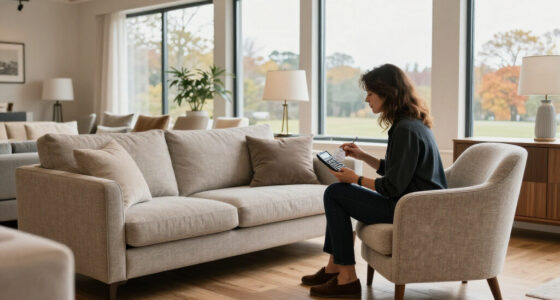
Before choosing a sofa, paint color, or lighting fixture, consider what each room needs to accomplish. A visually impressive space can still feel frustrating if it lacks storage, comfortable seating, useful light, or room to move. Begin with real activities: eating, relaxing, working, exercising, entertaining, sleeping, and managing household tasks.
Make a short list of the problems you want the room to solve. Perhaps the living room needs more conversational seating, the entryway collects clutter, or the bedroom lacks warmth. Separating practical needs from decorative wishes gives the project a clear foundation and helps you spend money where it will make the greatest difference.
Map the Room Before Buying
Measure the walls, doors, windows, ceiling height, and major architectural features. Record the location of electrical outlets, radiators, vents, and fixed lighting. Then sketch the room and test possible furniture arrangements. Pay particular attention to walking routes and the space required to open doors, drawers, and cabinets.
Scale matters as much as style. Oversized furniture can make a modest room feel cramped, while a collection of undersized pieces may leave a large room looking disconnected. Aim for a balanced mix of heights and visual weights, with enough open space for the room to breathe.
modular storage ottomans for living room
As an affiliate, we earn on qualifying purchases.
As an affiliate, we earn on qualifying purchases.
Build a Cohesive Interior Style
A cohesive home does not require every room to match. Instead, repeat a few unifying ideas, such as a consistent wood tone, a restrained color family, similar metal finishes, or recurring natural textures. These connections allow individual rooms to have distinct personalities while still feeling like parts of the same home.
If you are uncertain about your style, collect images of rooms you genuinely enjoy and look for patterns. You may repeatedly choose clean-lined furniture, vintage details, earthy colors, dramatic lighting, or relaxed textiles. Focus on those repeated characteristics rather than trying to force your preferences into a single design label.
Create a Flexible Color Palette
Start with permanent or expensive elements that are unlikely to change soon, including flooring, countertops, cabinetry, and large upholstered pieces. Choose supporting wall colors and textiles after considering those fixed surfaces. A simple palette might include one dominant neutral, one secondary color, and a small number of accents.
Observe samples at different times of day before committing. Natural and artificial light can change how a color appears, sometimes dramatically. Testing paint and fabric in the actual room is more reliable than judging them under showroom lighting or on a screen.
Choose Furniture for Comfort and Longevity
Furniture should fit both the dimensions of the room and the bodies of the people using it. Seat depth, back support, table height, and arm placement all affect comfort. When possible, sit on upholstered furniture and consider how it feels after more than a few seconds. For online purchases, study dimensions carefully and compare them with furniture you already find comfortable.
Think about maintenance before selecting materials. A delicate finish may be suitable for an occasional-use room but impractical in a busy family space. Removable covers, wipeable surfaces, sturdy joinery, and replaceable components can extend the useful life of frequently handled pieces.
- Prioritize the main functional piece in each room, such as the bed, dining table, desk, or sofa.
- Mix open-legged and visually solid furniture to prevent the layout from feeling too heavy.
- Use multifunctional pieces when space is limited, but only when each function is genuinely useful.
- Leave room for future changes instead of filling every wall and corner immediately.
Use Lighting to Shape the Atmosphere
Lighting influences how colors, textures, and furniture are perceived. Most rooms benefit from layers rather than one bright ceiling fixture. Ambient lighting provides general illumination, task lighting supports activities, and accent lighting highlights artwork, shelving, plants, or architectural features.
Place light where it is needed. Reading chairs benefit from nearby lamps, kitchen counters need clear task illumination, and mirrors are more useful when faces are lit evenly. Dimmers and separate switching can make one room work for cleaning, working, entertaining, and relaxing.
Convenience lighting can also improve circulation through halls, closets, stairs, and utility areas. Explore indoor motion sensor lights for security and convenience when you need illumination that activates automatically.
Decorate in Layers
Decor is most effective when it develops gradually. Begin with the larger visual fields: walls, rugs, curtains, and substantial furniture. Add medium-scale elements such as lamps, mirrors, artwork, and side tables. Finish with smaller objects, books, plants, cushions, and personal collections.
Texture keeps a restrained palette interesting. Combine smooth surfaces with woven textiles, matte ceramics, natural fibers, wood grain, glass, or metal. Contrast can be subtle; a linen curtain beside a painted wall may provide enough variation without making the room feel busy.
Rugs can define zones, soften acoustics, and connect furniture. In outdoor living areas, materials must also cope with moisture and exposure. This guide to waterproof outdoor rugs for transforming a patio can help you consider practical options for exterior spaces.
Display Meaningful Objects With Restraint
Personal items make a home distinctive, but they need space around them to be noticed. Group related objects rather than spreading small pieces across every surface. Vary heights, balance shapes, and edit displays periodically. Rotating art and accessories can refresh a room without requiring new furniture.
Design Small and Multipurpose Spaces
Small spaces work best when every zone has a clear purpose. Use furniture placement, rugs, lighting, or shelving to distinguish activities without building physical walls. Vertical storage takes advantage of unused height, while closed storage helps calm visually busy rooms.
A multipurpose room needs an easy transition between uses. A home office may require a cabinet that conceals supplies after work, while a guest room might use movable side tables and accessible bedding storage. If fitness is part of your routine, compare home workout equipment for elevating a fitness space with the available floor area and storage in mind.
Mirrors can redistribute light and create visual depth, but placement matters. Reflect a window, artwork, or an attractive part of the room instead of clutter. Furniture with visible floor beneath it can also make a compact space feel lighter.
Connect Indoor and Outdoor Living
Patios, balconies, porches, and gardens can function as extensions of the interior. Repeat selected colors or materials from adjacent rooms to create continuity. Arrange outdoor furniture around a purpose, such as dining, conversation, reading, or gardening, rather than lining every piece against the perimeter.
Outdoor design must respond to local weather, sunlight, storage availability, and maintenance needs. Choose furnishings according to exposure and make a plan for securing, covering, or storing items during harsh conditions. Shade, lighting, washable textiles, and a defined walking path often improve usability more than decorative accessories alone.
Make Household Systems Part of the Design
Interior design includes the systems that support everyday comfort. Appliances, cleaning storage, laundry care, air movement, and water use all affect how a home feels and functions. Planning these elements early can prevent awkward additions and reduce countertop or floor clutter.
When replacing major equipment, look beyond appearance and consider dimensions, placement, ventilation, capacity, and expected use. The overview of energy-efficient appliances for saving money and resources offers a useful starting point for integrating efficiency into household decisions.
Water quality can also influence kitchen routines, drinking habits, and appliance care. If filtration is part of your home plan, review this comparison of home water filtration systems before deciding which type suits your household.
Protect Textiles, Finishes, and Furnishings
Maintenance is easier when it is considered during the design process. Store cleaning tools close to the rooms where they are used, select washable materials for high-contact areas, and follow care instructions for wood, stone, metal, upholstery, and rugs. Test unfamiliar cleaners on an inconspicuous area before applying them broadly.
A pleasant-smelling home begins with ventilation and removal of the source of odors. Fragrance can complement cleanliness, but it should not conceal moisture, spoiled materials, smoke residue, or other underlying problems. For routine product selection, see these best-smelling cleaning products for a fresh home.
Laundry care also protects the textiles that give interiors softness and color. Persistent odors may need targeted treatment, and this guide to odor-removing laundry products covers options for refreshing clothing. Delicate fibers require different care from everyday fabrics, so consult the guide to detergents designed for wool when cleaning wool blankets, garments, and other washable woolens.
Plan Improvements in the Right Order
A logical sequence reduces rework. Address repairs, moisture issues, electrical needs, and permanent surfaces before decorating. Next, establish the furniture layout and lighting plan. Add window treatments, rugs, artwork, and accessories after the room’s functional structure is working.
- Define the room’s purpose and identify its practical problems.
- Measure the space and create a workable layout.
- Set a realistic budget with room for unexpected costs.
- Choose durable foundational materials and major furniture.
- Install lighting and storage where daily routines require them.
- Add color, textiles, artwork, and personal details gradually.
- Review the room after living with it and adjust what is not working.
Create a Home That Can Evolve
The most satisfying interiors are not frozen at the moment they are finished. Households change, possessions accumulate, routines shift, and tastes develop. A flexible foundation makes those changes easier. Neutral does not have to mean bland, and timeless does not have to mean impersonal; both can provide room for expressive art, inherited furniture, bold textiles, and seasonal accents.
Approach your home as an evolving system rather than a one-time reveal. Invest thoughtfully in the elements you touch every day, leave space for meaningful discoveries, and make adjustments based on experience. When comfort, function, and personality guide the decisions, the result is a home that looks coherent because it genuinely fits the people living there.
Columbus Day / Indigenous Peoples' Day Picks
long weekend sales
As an affiliate, we earn on qualifying purchases.