
To draft-proof your windows and doors, start by identifying cold spots and leaks with a thermal camera or by feeling around your frames. Seal gaps with appropriate weatherstripping and apply caulk or sealant to cracks. Use draft stoppers on doors and thermal curtains to block heat loss. Regularly inspect and maintain these measures to guarantee your home stays warm and energy-efficient. Keep going to discover more tips for maximizing comfort and savings.

Get furniture and decor delivered free with Prime
- Fast, free delivery on millions of items
- Prime Video, Amazon Music and more included
- Member-only deals all year
Key Takeaways
- Use thermal imaging to identify cold spots and air leaks around windows and doors for targeted sealing.
- Seal gaps and cracks with appropriate caulks, weatherstripping, or foam to prevent drafts and heat loss.
- Install weatherstripping and draft stoppers at doors and windows to improve insulation and block air infiltration.
- Upgrade to double-pane or insulated windows and add thermal curtains or films for enhanced thermal performance.
- Regularly inspect and maintain seals, weatherstripping, and window treatments to ensure ongoing draft-proofing effectiveness.
thermal camera for home inspection
As an affiliate, we earn on qualifying purchases.
As an affiliate, we earn on qualifying purchases.
Identifying Common Draft Sources

To effectively draft-proof your windows and doors, you first need to identify where drafts are entering your home. Thermal imaging is a powerful tool for draft detection, revealing cold spots that aren’t visible to the naked eye. By using a thermal camera, you can pinpoint gaps around windows and doors where air leaks occur, even in hidden or hard-to-reach areas. This method allows you to see the precise locations of drafts, saving you time and effort during sealing. Remember, drafts may not always feel obvious; they can be subtle but still impact your comfort and energy bills. Conducting a thorough draft detection with thermal imaging ensures you don’t overlook any sneaky leaks, setting a solid foundation for effective draft-proofing.
Sealing Gaps With Weatherstripping

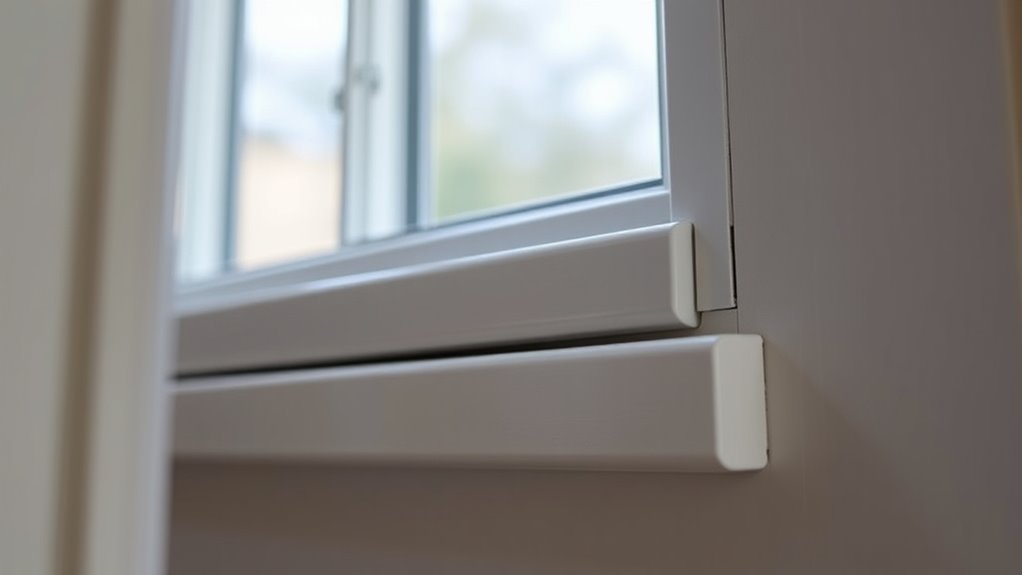
Once you’ve identified where drafts are sneaking in, sealing those gaps with weatherstripping is a straightforward and effective solution. Weatherstripping helps improve interior insulation, making your home more energy-efficient. To guarantee a proper seal, check your window frame repair to fix any damaged areas before applying weatherstripping. This prevents air leaks and enhances comfort. When installing, choose the right type of weatherstripping for your windows, like foam tape or V-strip. Regularly inspect your seals to maintain effectiveness. Properly sealed windows not only reduce drafts but also lower heating and cooling costs. Weatherstripping is a simple upgrade that can make a noticeable difference in your home’s energy efficiency and comfort. Additionally, selecting the appropriate weatherstripping material involves understanding the website performance metrics that influence your home’s energy usage. Regularly inspect and maintain window seals to ensure continued effectiveness.
Using Draft Stoppers for Doors

Choosing the right draft stopper guarantees a snug fit and effective insulation. Proper placement along the door’s base maximizes its sealing power, while regular maintenance keeps it working efficiently. Keeping these points in mind helps you extend the life of your draft stopper and maintain a comfortable home. Additionally, selecting a vetted Halloween product ensures safety and quality during seasonal decorations.
Selecting Effective Draft Stoppers
Selecting the right draft stopper for your door can make a noticeable difference in keeping cold air out and warm air in. To choose effectively, consider the draft stopper’s aesthetics to match your decor and the material for durability. Evaluate the cost comparison to find options that fit your budget without sacrificing efficiency. Think about size and shape to ensure a snug fit under your door. Material matters too—fabric, rubber, or foam each offer different benefits. Here are key points to help you decide:
- Match draft stopper style with your home decor
- Prioritize durability for long-term use
- Compare prices to find the best value
- Check the size and fit for your door
- Consider ease of installation and removal
- Keep in mind the importance of energy efficiency for reducing heating costs
Choosing wisely ensures comfort and energy savings.
Proper Placement Techniques
Proper placement of draft stoppers is key to maximizing their effectiveness. Position them snugly against the door bottom, ensuring no gaps for drafts to slip through. For a seamless look that complements your interior decoration, choose draft stoppers in colors and styles that blend with your decor. Additionally, selecting nutrient-rich ingredients for your draft stoppers can enhance their insulation properties and durability. Here’s a quick guide:
| Step | Tip |
|---|---|
| 1 | Measure door width for a perfect fit |
| 2 | Place the stopper close to the threshold |
| 3 | Check for gaps and adjust placement |
| 4 | Use a stopper with an aesthetic appeal |
| 5 | Regularly inspect for proper fit |
This technique not only blocks drafts but also enhances your interior’s style and comfort.
Maintenance and Longevity
To guarantee your draft stoppers last and continue protecting your home effectively, regular maintenance is essential. Check for signs of wear, such as tears or compressed areas, and replace or repair as needed. Keep them clean to maintain their aesthetic appeal and ensure they fit snugly, boosting energy efficiency. Regularly vacuum or wipe down to prevent dust buildup, which can diminish their effectiveness. Store spare draft stoppers properly when not in use to prevent deformation. Proper care extends their lifespan, keeps your home comfortable, and preserves their appearance. Additionally, understanding the materials used in candle making can help in selecting the best options for DIY projects.
Applying Caulk and Sealant Effectively

Applying caulk and sealant effectively is essential for creating a tight, weatherproof barrier around windows and doors. To do this, you should use proper caulking techniques, such as cleaning the surface thoroughly and applying the right amount of pressure for a smooth bead. Choose sealant types suitable for your project—silicone for flexibility, acrylic for paintability, or polyurethane for durability. When applying, ensure the gap is dry and free of dust or old caulk. Use a caulking gun for control and smooth out the bead with a finger or tool to seal gaps completely. Proper application prevents drafts, moisture intrusion, and energy loss. Take your time, follow manufacturer instructions, and focus on creating a clean, continuous seal for the best results.
Enhancing Insulation for Extra Comfort

To make your home more comfortable, start by sealing any remaining gaps to prevent drafts. Upgrading to better window materials or adding insulating curtains can also boost thermal performance. These simple steps help you keep warmth in and cold out more effectively. Using eye patches can help reduce under-eye puffiness and refresh your appearance, contributing to a more energized look during the day.
Sealing Gaps Effectively
Sealing gaps around windows and doors is one of the most effective ways to improve your home’s insulation and boost comfort. To do this, start by inspecting all areas for drafts, then seal them with appropriate materials. Use thermal curtains to block drafts through windows, especially during colder months. Install door sweeps at the bottom of exterior doors to prevent drafts from sneaking in. Consider applying weatherstripping around door frames and window sashes for a tight seal. Fill small gaps with caulk or foam sealant for a quick fix. Regularly check and replace worn or damaged seals to maintain effectiveness. These simple steps can considerably reduce heat loss and make your space more comfortable year-round. Additionally, using proper sealing materials can significantly enhance the effectiveness of your draft-proofing efforts.
Upgrading Window Materials
Upgrading your window materials can considerably boost your home’s insulation and overall comfort. Consider replacing single-pane windows with double pane windows, which trap air between layers for better insulation. Look for options with low emissivity coatings; these reflect heat back into your home during winter and keep heat out in summer, reducing energy costs. Double pane windows with low E coatings significantly improve thermal performance. Here’s a quick comparison:
| Feature | Benefits | Best For |
|---|---|---|
| Double Pane Windows | Better insulation, noise reduction | All climates |
| Low Emissivity Coatings | Reflect heat, improve energy efficiency | Cold or hot climates |
| Frame Materials | Enhance durability and insulation | Varies (vinyl, wood, aluminum) |
Choosing the right materials ensures a warmer, more comfortable home year-round.
Using Insulating Curtains
Have you considered adding insulating curtains to your windows? Thermal curtains can markedly reduce heat loss and keep your space warmer during colder months. They work by creating an extra barrier against drafts and trapping warm air inside. For added insulation, consider pairing thermal curtains with insulating window films, which reflect heat back into your room. These simple upgrades can make a noticeable difference in comfort and energy bills. Incorporating sustainable practices in your insulation choices can also contribute to environmentally friendly living.
- Choose curtains with a thick, insulated lining for maximum warmth
- Use insulating window films for extra heat reflection
- Keep curtains closed during the coldest parts of the day
- Combine curtains with draft-proofing for enhanced efficiency
- Regularly clean and maintain to guarantee peak performance
Regular Maintenance and Inspection Tips
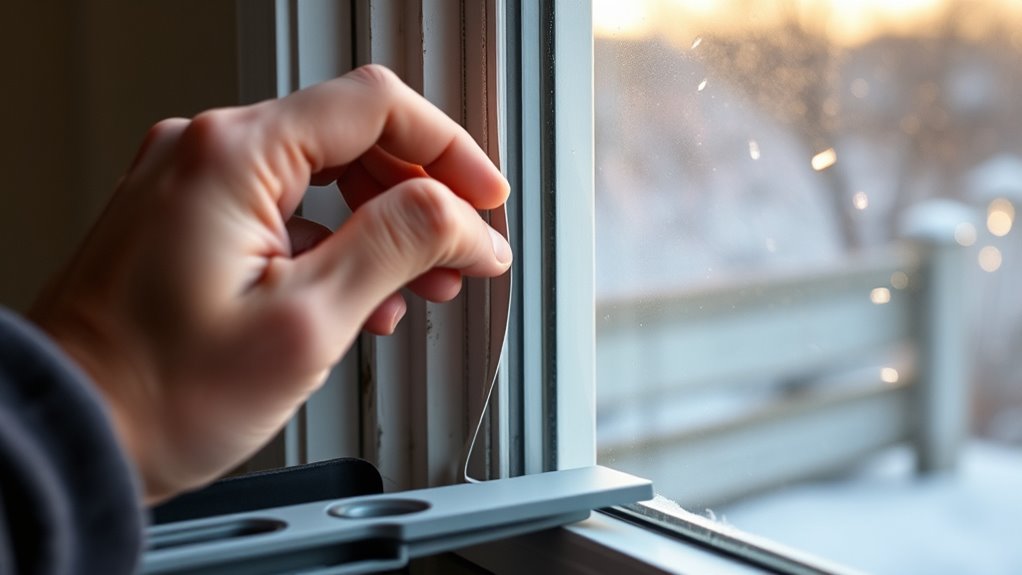
Regular maintenance and inspection are essential to keep your windows and doors draft-proof and functioning properly. Start by checking for gaps or cracks around frames, especially where storm windows are installed. Ensure storm windows are properly sealed and in good condition; replace or repair damaged weatherstripping as needed. Regularly inspect window film for tears or looseness, reapplying or replacing it if necessary. Clean window tracks and sills to prevent debris buildup that can compromise seals. Test door and window locks to ensure they close tightly. Weatherstripping and seals can wear over time, so replace them periodically. Additionally, conducting energy efficiency tests can help identify hidden drafts and areas needing improvement. These simple steps help maintain energy efficiency, prevent drafts, and extend the lifespan of your windows and doors.
Frequently Asked Questions
How Often Should I Replace Weatherstripping on Windows and Doors?
You should replace your weatherstripping every 3 to 5 years, depending on your maintenance schedule and material durability. Check for signs of wear, cracks, or gaps regularly, especially before extreme weather seasons. Over time, materials like rubber or foam degrade faster, reducing effectiveness. Staying proactive guarantees your windows and doors stay draft-proof, saving energy and improving comfort. Regular inspections help you catch deterioration early and know when it’s time for replacements.
What Are Eco-Friendly Options for Draft-Proofing Materials?
Did you know that switching to eco-friendly draft-proofing options can reduce your home’s carbon footprint markedly? You should consider sustainable materials like recycled rubber or cork, which are durable and eco-conscious. Biodegradable solutions such as plant-based foam or natural fiber tapes offer effective sealing without harming the environment. These options help you save energy while supporting sustainability, making your home greener and more efficient.
Can Draft-Proofing Improve Indoor Air Quality?
Yes, draft-proofing can improve indoor air quality. By sealing gaps around windows and doors, you reduce outdoor pollutants and allergens entering your home, leading to cleaner indoor air. It also helps maintain a consistent temperature, which can improve the effectiveness of air filtration systems. As a result, you’ll notice fresher indoor air, fewer drafts, and a healthier environment for you and your family.
Are There DIY Tips for Identifying Hidden Drafts?
Think of your home as a fortress; you want to find every sneaky entry. You can use draft detectors to pinpoint hidden drafts, then employ simple caulking techniques around windows and doors. To identify leaks, hold a lit candle or incense stick near seams—if the flame flickers, that’s your sign. Regularly inspecting these spots keeps drafts at bay and makes your home cozier and more energy-efficient.
How Does Draft-Proofing Impact Energy Bills Long-Term?
Draft-proofing considerably reduces your heating costs over time by improving insulation efficiency. When you prevent drafts, your home stays warmer with less energy, meaning your heating system doesn’t have to work as hard. This lowers your energy bills and conserves resources. Long-term, you’ll notice consistent savings, increased comfort, and a more energy-efficient home. Proper draft-proofing is a smart investment that pays off through lower utility costs and enhanced living conditions.
Conclusion
Now that you know how to draft-proof your windows and doors, you’ll enjoy a cozy home all year round. Don’t forget to regularly check for gaps—think of it as your own personal “housekeeper” keeping things in tip-top shape. With these simple steps, you’ll save energy and money while keeping the chill out. Remember, even the most ancient castles had their defenses—so protect your castle today!
Halloween Picks
halloween
As an affiliate, we earn on qualifying purchases.