
TL;DR

Get furniture and decor delivered free with Prime
- Fast, free delivery on millions of items
- Prime Video, Amazon Music and more included
- Member-only deals all year
Thames Water has introduced a hosepipe ban across affected regions due to ongoing drought conditions. The restriction aims to conserve water as reservoir levels drop, with enforcement beginning immediately. The ban impacts households and businesses, raising concerns over water supply sustainability.
Thames Water has imposed a hosepipe ban across several areas in Greater London and nearby counties, effective immediately, as part of efforts to manage water shortages caused by prolonged dry weather and declining reservoir levels. This marks the first significant restriction in the region this year and highlights ongoing concerns about water supply sustainability amid changing climate conditions.
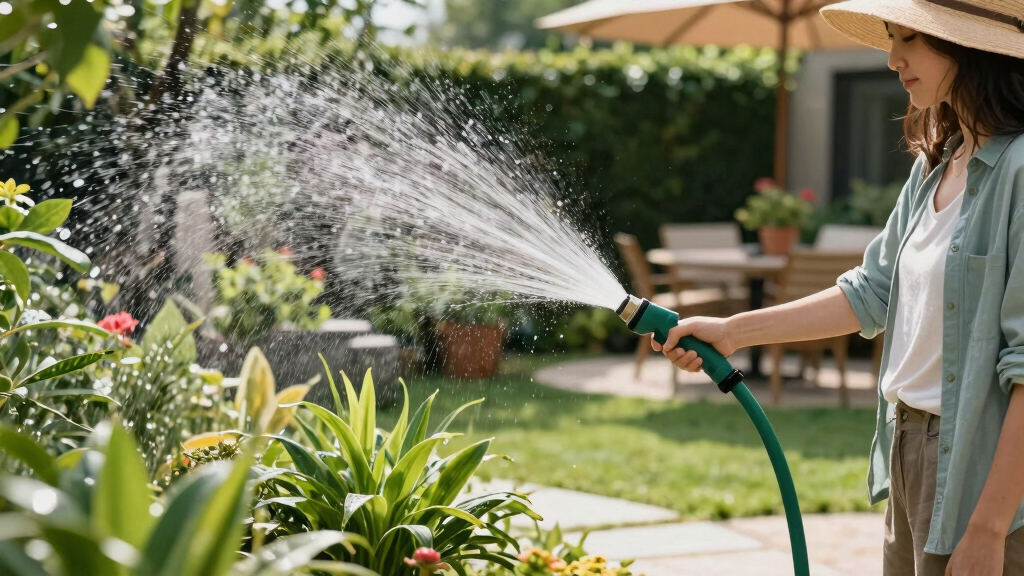
The hosepipe ban affects residential households, businesses, and public parks in specified zones, prohibiting the use of hosepipes for watering gardens, cleaning vehicles, or filling ponds. Thames Water confirmed that the decision was made after reservoir levels fell below the threshold deemed sustainable for normal demand, with official data showing a 15% decrease in storage capacity over the past two months.
According to Thames Water spokesperson Sarah Jennings, “This measure is necessary to ensure the resilience of our water supply during a period of unprecedented dry weather. We are closely monitoring reservoir levels and will lift the restrictions as soon as conditions improve.” The ban is expected to last until further notice, with authorities warning of potential fines for violations.
Local authorities and environmental groups have expressed support for the restrictions, citing the importance of conserving water during the ongoing drought. The ban also coincides with increased public awareness campaigns urging residents to reduce water consumption.
Implications of the Hosepipe Ban for Water Conservation and Public Awareness
The hosepipe ban reflects the ongoing impact of dry weather conditions on water resources, prompting conservation measures. It emphasizes the importance of public cooperation in managing limited water supplies and may influence future policies on drought preparedness and infrastructure development.
As an affiliate, we earn on qualifying purchases.
Recent Drought Conditions and Reservoir Levels in Southeast England
Over the past six months, Southeast England has experienced below-average rainfall, with some areas recording less than 60% of typical precipitation levels. Reservoir levels in the Thames region have fallen to 70% of capacity, the lowest since 2018, prompting water companies to implement restrictions. Thames Water previously issued warnings about potential drought measures if conditions persisted, and the current ban is part of contingency planning.
Historically, hosepipe bans have been enacted during periods of drought, with the last major restrictions in the region occurring in 2012. Experts note that climate change may increase the frequency and severity of such events.
“This measure is necessary to ensure the resilience of our water supply during a period of unprecedented dry weather.”
— Sarah Jennings, Thames Water spokesperson
Uncertainties About Duration and Future Restrictions
The duration of the hosepipe ban depends on weather conditions and reservoir recovery. Thames Water has indicated that restrictions will be lifted once conditions improve, but no specific timeline has been provided. Additional restrictions may be considered if drought conditions persist or worsen.
Next Steps for Water Management and Public Compliance
Thames Water will continue monitoring reservoir levels and weather forecasts, with authorities prepared to extend or tighten restrictions if necessary. The company plans to communicate updates regularly and encourages residents to adopt water-saving measures. Infrastructure assessments may also be undertaken to improve drought resilience.
Key Questions
How long will the hosepipe ban last?
The duration depends on weather conditions and reservoir levels. Thames Water has not specified a timeline, but the ban will remain until conditions improve sufficiently to allow its removal.
What activities are prohibited under the hosepipe ban?
The ban prohibits using hosepipes for watering gardens, cleaning vehicles, filling ponds, or other non-essential water uses in affected areas.
Are fines applicable for violating the ban?
Yes, Thames Water has indicated that violations may result in fines or other enforcement actions, in accordance with local regulations.
Can businesses still water plants or clean equipment?
Businesses are subject to the restrictions and should seek guidance from Thames Water regarding permissible activities during the ban.
What can residents do to conserve water?
Residents are encouraged to implement water-saving measures, promptly repair leaks, and avoid unnecessary water use to help manage demand during restrictions.
Source: google-trends
Halloween Picks
halloween
As an affiliate, we earn on qualifying purchases.